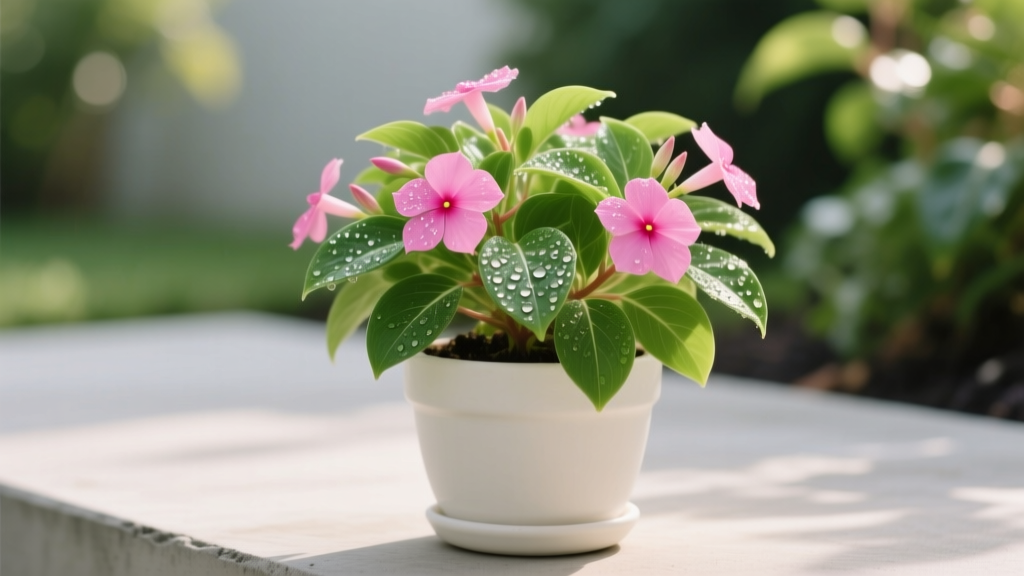
Reversing Stress in Impatiens After Transplant
You set the impatiens in, water them in, step back… and by dinner the plants look like wet paper towels. Leaves droop, flowers fall, and the whole bed seems to regret your enthusiasm. That “why did I even bother?” moment is common with impatiens after transplant—especially when a plant that looked perfect in a 4-inch pot suddenly has to fend for itself in real sun, real wind, and real soil.
The good news: impatiens are fast to recover when you address the true causes of transplant stress—water management, root-zone oxygen, light adjustment, and temperature swings. The trick is doing the right thing for the first 7–14 days, when new roots are trying to knit into the surrounding soil. This article walks you through what to do (and what not to do) with specific numbers and practical routines you can actually follow.
First: Confirm It’s Transplant Stress (Not a Bigger Problem)
Transplant stress usually shows up within 24–72 hours of planting. The plant wilts, but the stems aren’t mushy, and leaves may perk up a bit in the evening. Flowers may drop. Some older leaves may yellow.
It may not be simple transplant stress if you see:
- Blackened, water-soaked stems at the soil line (possible stem rot/damping-off type issues)
- White powder on leaves (powdery mildew)
- Leaves with angular yellowing between veins plus leaf drop and stunting (a red flag for impatiens downy mildew)
- Persistent wilt even when soil is moist (root rot, heat injury, or a root-bound plug that never loosened)
If you suspect disease, skip ahead to the troubleshooting sections. Otherwise, start with the recovery plan below.
The 10-Minute Recovery Plan (Day 0 to Day 3)
If your impatiens are newly planted and drooping, do these steps today. This is the quickest way to reverse stress before it becomes decline.
- Shade them temporarily for 48–72 hours if they’re in bright afternoon sun. Use a patio umbrella, a piece of shade cloth, or even an upside-down nursery tray propped up so air can move.
- Water the root zone deeply—slowly—until the soil is wet to 4–6 inches. For most garden beds, that’s about 0.5–1 gallon per plant depending on soil type.
- Stop overhead watering at night. Wet leaves overnight invite disease. Water early in the day.
- Check planting depth. The top of the root ball should sit level with the surrounding soil. If it’s buried, gently pull soil away from the stem base.
- Don’t fertilize yet if the plant is collapsing. Wait until you see new growth or perked-up posture (often within 5–10 days).
That’s it. Most impatiens bounce back quickly once the root zone is consistently moist and temperatures are moderated.
Watering: The #1 Make-or-Break Factor After Transplant
Impatiens are shallow-rooted and thirsty, but they also hate sitting in stagnant, airless soil. Post-transplant stress is often a tug-of-war between too little water (roots can’t keep up) and too much (roots suffocate and rot).
How much water do impatiens need right after transplant?
For the first 7 days, aim for evenly moist soil—think “wrung-out sponge,” not mud. Use this as a practical baseline:
- In-ground beds: 0.5–1 gallon per plant every 1–2 days for the first week if weather is warm and breezy.
- Containers (10–12 inch pot): water until you get steady drainage, typically 1–2 quarts per watering, often daily in warm weather.
After week one, shift to a “deep, less frequent” routine—often 2–3 times per week in beds, more for pots.
Use a simple moisture test (better than guessing)
Before you water, push your finger into the soil:
- If it’s dry at 1 inch deep: water.
- If it’s moist at 1 inch but dry at 3 inches: water more slowly so it soaks deeper.
- If it’s wet at 1–3 inches and the plant is wilting: suspect heat stress, root issues, or poor drainage.
Research consistently ties proper root-zone moisture to transplant success. For general transplant establishment practices, the University of Minnesota Extension emphasizes thorough watering to settle soil and eliminate air pockets (University of Minnesota Extension, 2020).
Method comparison: hand-watering vs drip for recovery
If you’re trying to reverse stress, delivery method matters. Here’s how they compare in real-world garden conditions.
| Method | Typical amount delivered | Leaf wetness | Best use case | Risk if overdone |
|---|---|---|---|---|
| Hand-watering at base | 0.5–1 gallon/plant in 2–4 minutes | Low if aimed correctly | Fast rescue, small beds, spot fixes | Runoff if poured too fast; uneven soaking |
| Soaker hose/drip line | ~0.25–0.5 inch water over 30–60 minutes (bed-wide) | Very low | Consistent recovery over 1–2 weeks | Overwatering heavy soils if run too long |
| Overhead sprinkler | 0.25–0.75 inch over 20–45 minutes | High | Only when you must water a large area quickly | Fungal outbreaks; wasted water in heat/wind |
For stressed impatiens, I prefer base watering (hand or drip) because it keeps foliage drier and puts water where roots can actually use it.
Soil and Drainage: Moist Doesn’t Mean Airless
Impatiens recover best in soil that holds moisture but still drains. Transplant shock often gets worse in two extremes: sandy soil that dries in hours, or heavy clay that stays saturated for days.
Target soil conditions for faster recovery
- Soil moisture: consistently moist in the top 4–6 inches
- Soil temperature: ideally 60–75°F for active rooting
- Organic matter: mix in 1–2 inches of compost into the top 6–8 inches of bed soil (not just in the planting hole)
Avoid “amending the hole” only. That creates a water bowl effect where roots circle and water sits. Blend compost across a wider area whenever possible.
Root-ball prep: the hidden fix for many failures
Many impatiens come slightly root-bound. If you plant a tight plug and never loosen it, the roots may not move outward, even if you water faithfully.
Do this next time (and you can still do it now if plants are very root-bound and you’re willing to replant):
- Before planting, gently tease the bottom and sides of the root ball.
- If roots are circling, make 3–4 shallow vertical cuts (1/4 inch deep) around the sides.
- Plant level with surrounding soil—do not bury the crown.
Light: The Fastest Way to Stop the Midday “Melt”
Impatiens (especially common bedding impatiens, Impatiens walleriana) prefer bright shade to morning sun. Transplant stress often looks like “they’re watered, but they collapse at 2 p.m.” That’s usually too much sun + heat + wind before roots are established.
Practical light targets
- Best: bright shade or 2–4 hours of morning sun
- Risk zone: 6+ hours of strong sun, especially afternoon sun in hot climates
- Heat stress accelerates above: about 85°F, especially with wind and low humidity
If you’ve planted them in a hot spot, your options are: add temporary shade, increase moisture consistency, or move them. Moving is worth it if they’re in full afternoon sun and repeatedly collapsing.
“Transplant establishment is about reducing stress while new roots expand. Shade and consistent soil moisture are often more important than fertilizer in the first week.” — University Extension transplant guidance summary (University of Minnesota Extension, 2020)
Feeding: When Fertilizer Helps—and When It Makes Things Worse
A common mistake is trying to “feed them back to health” the day after planting. If roots are stressed, strong fertilizer can burn root tips and worsen wilt.
When to start fertilizing after transplant
Use this timing:
- Wait 7–10 days after transplant (or until you see new leaves forming) before applying fertilizer.
- If the potting mix/soil already contains slow-release fertilizer, wait 3–4 weeks before adding more.
Best fertilizer options for recovery
- Gentle liquid feed: a balanced fertilizer (example: 10-10-10 or 20-20-20) at 1/4 strength every 7–14 days.
- Slow-release granules: apply at label rates once plants are stable; typically lasts 8–12 weeks depending on product.
If your plants are pale but not wilting, feeding helps. If they’re wilting and limp, fix water/light first, then feed later.
Three Real-World Scenarios (and Exactly What to Do)
Scenario 1: “They wilt every afternoon, but perk up at night.”
This is classic heat/light stress during establishment. The plant is losing water faster than roots can replace it.
- Add temporary shade for 2–3 days, especially from 1–5 p.m.
- Water in the morning so the root zone is fully hydrated before heat hits.
- Mulch lightly with 1 inch of fine bark or compost, keeping mulch 1 inch away from stems.
Scenario 2: “Leaves are yellowing and plants look stalled—even though I’m watering.”
Often this is oxygen-starved roots from heavy soil or frequent shallow watering.
- Stop daily splashes. Water slower, deeper, less often.
- Check drainage: if water stands longer than 30–60 minutes after irrigation, the site is too wet.
- Consider lifting and replanting slightly higher (a subtle “mound” or raised bed effect).
Scenario 3: “Flowers dropped and buds dried up after planting.”
Normal stress response—plants redirect energy to rooting. You can help them rebound faster.
- Pinch off remaining blooms and weak buds for 3–5 days to reduce demand.
- Maintain steady moisture for a full week.
- Begin 1/4-strength feeding after 7–10 days when new growth starts.
Common Problems After Transplant (Symptoms & Fixes)
Wilting even when the soil is wet
Likely causes: root rot, compacted soil, planting too deep, or extreme heat injury.
What to do:
- Check the stem base: if it’s dark and soft, remove the plant and discard (don’t compost).
- If soil is soggy, stop watering and improve drainage. Loosen soil gently around (not through) the root zone to increase air.
- If planted too deep, pull soil away from the crown and keep mulch back.
- Provide shade and recheck in 24–48 hours.
Crispy edges or scorched patches on leaves
Likely causes: sunscald, heat + wind, underwatering.
What to do:
- Move containers to morning sun/afternoon shade immediately.
- For in-ground plants, create shade during the hottest part of the day for 3–5 days.
- Water deeply to 4–6 inches; avoid misting foliage as a “fix.”
Mushy stems, sudden collapse, or gray fuzzy growth
Likely causes: botrytis (gray mold) or other rot encouraged by wet foliage and poor air circulation.
What to do:
- Remove infected flowers/leaves promptly.
- Water only at the base and only early in the day.
- Increase spacing—impatiens like airflow; aim for 8–12 inches between plants depending on variety size.
Stippled leaves and fine webbing
Likely cause: spider mites (common when plants are stressed and conditions are hot/dry).
What to do:
- Rinse undersides of leaves with a firm spray in the morning every 2–3 days for a week.
- If pressure is high, use insecticidal soap or horticultural oil, following label directions and avoiding application above 85°F.
Sudden leaf drop, stunting, and yellowing—especially after wet weather
Red flag: Impatiens downy mildew can devastate Impatiens walleriana. Management often requires removing affected plants.
Extension services have documented the severity of this disease in landscape impatiens and emphasize sanitation and resistant alternatives. For example, Cornell University’s plant pathology resources discuss downy mildew impacts and management on impatiens (Cornell University Plant Pathology, 2023).
What to do:
- If you suspect downy mildew, remove the plants (roots and all) and bag them. Don’t compost.
- Avoid replanting I. walleriana in the same spot that season.
- Switch to alternatives like New Guinea impatiens (Impatiens hawkeri), begonias, or coleus for similar shade color.
Light, Water, and Temperature: A Quick Comparison That Prevents Repeat Stress
If you want the simplest “why did they crash?” diagnostic, use this rule: impatiens hate surprise. A greenhouse-grown plant moved into hot sun and variable watering will wilt even if nothing is “wrong” long-term.
Here’s a practical comparison to keep them stable:
| Condition | Low-stress target | High-stress trigger | What you’ll see |
|---|---|---|---|
| Temperature | 60–75°F | 85–95°F with wind | Midday wilt, bud drop |
| Light | Bright shade / 2–4 hrs AM sun | 6+ hrs strong sun (afternoon) | Scorch, persistent wilt |
| Water rhythm | Deep soak to 4–6 in, then rewater when top 1 in dries | Daily shallow splashes or soggy soil | Yellowing, stalled growth, rot risk |
Step-by-Step: Replanting a Severely Stressed Impatiens (When It’s Worth Doing)
If plants were set out on a hot day, planted too deep, or dropped into heavy soil that stays wet, replanting can be the fastest “reset.” Do it in the early evening or on a cloudy day when temps are below 80°F.
- Water the plant in its spot first (so roots are less disturbed).
- Lift the plant with as much root ball as possible.
- Inspect roots: healthy roots are pale/white and firm; rotting roots are brown and slimy.
- If root-bound, loosen the outer roots or make 3–4 shallow slices.
- Replant level with surrounding soil; don’t bury the stem.
- Water slowly with 0.5–1 gallon to settle soil.
- Shade for 48 hours.
If roots are mostly rotten, replanting won’t help—replace the plant and improve drainage first.
Small Habits That Make a Big Difference in the First Two Weeks
These are the practices that separate “they struggled all summer” from “they took off and never looked back.”
- Mulch lightly (about 1 inch) to stabilize moisture without smothering crowns.
- Space properly (often 8–12 inches) so leaves dry faster after rain.
- Water early to reduce disease pressure and give plants a full day to use moisture.
- Skip heavy fertilizer until plants show new growth.
- Don’t judge them by Day 2. Watch for improvement by Day 5–7: firmer stems, new leaf nubs, less dramatic midday wilt.
If you’re the kind of gardener who likes one simple benchmark: by two weeks after transplant, impatiens should be putting on new growth and starting to flower again. If they’re still limp, yellow, or thinning out, it’s time to reassess the site—especially drainage and afternoon sun exposure.
Once you get them through that establishment window, impatiens are generous plants. They’ll forgive a lot—just not that first stretch of hot sun, uneven water, and suffocated roots. Keep the root zone evenly moist, keep the crown dry, and give them kinder light for a week, and most plantings will turn the corner fast.