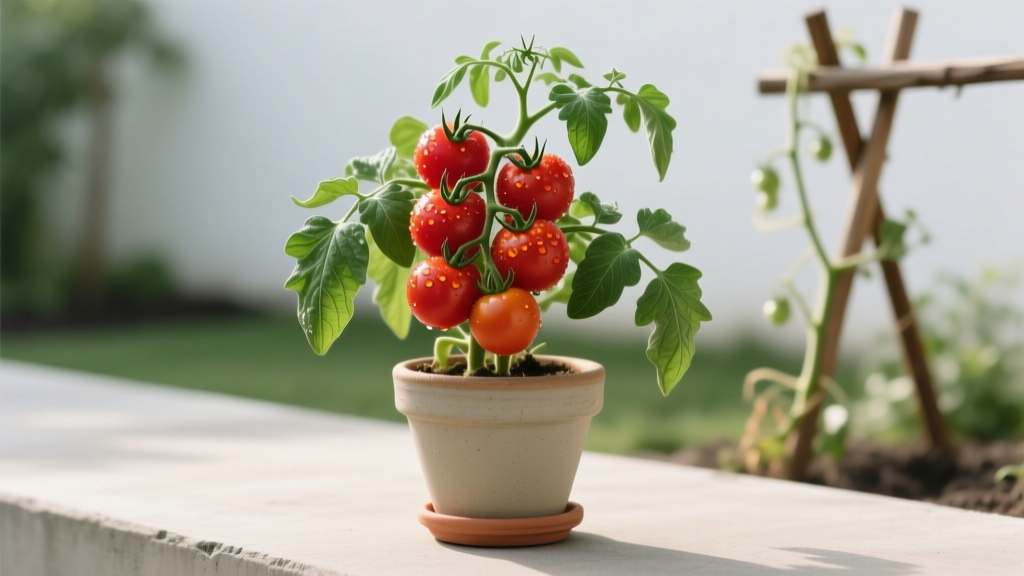
How to Water Tomatoes Correctly
The fastest way to ruin a promising tomato crop isn’t a pest or a disease—it’s a hose. I’ve watched gardeners baby their plants all season, then unknowingly trigger blossom end rot or split fruit by watering “when they remember” or giving quick daily sprinkles. Tomatoes forgive a lot, but they don’t forgive inconsistent moisture. If you get watering right, you’ll fix (or prevent) half the common tomato problems before they start.
Here’s the hard-won truth: tomatoes don’t want frequent sips. They want deep, steady drinks—delivered to the root zone, on a rhythm that matches your soil, weather, and plant size.
Tomato watering basics (what “correct” actually means)
Tomatoes need consistent soil moisture, not a fixed number of watering days. The goal is to keep the root zone evenly moist—never bone-dry, never swampy—so calcium and other nutrients move smoothly into the plant. Irregular watering is a major driver of fruit cracking and blossom end rot.
A widely used benchmark is about 1–1.5 inches of water per week from rain + irrigation for garden vegetables during active growth. That’s a starting point, not a rule carved in stone. Hot spells, containers, wind, and sandy soils can push needs much higher. University recommendations commonly point gardeners to this weekly range while emphasizing adjustments for heat and soil type (University of Minnesota Extension, 2023; UC ANR, 2020).
How much water do tomatoes need? (real numbers you can use)
- In-ground tomatoes: Typically 1–2 inches/week total water (rain + irrigation). During hot, dry, windy weather, it may take 2–3 inches/week to keep the root zone evenly moist.
- Containers: Often need watering once daily in warm weather, and in extreme heat sometimes twice daily. A 5-gallon pot can dry fast in sun and wind.
- New transplants: For the first 7–10 days, keep moisture more consistent near the transplant root ball (don’t let it dry out).
- Soil moisture check depth: Check moisture 4–6 inches down for established plants. If it’s dry at that depth, it’s time to water.
- Best watering time: Morning, ideally between 6 a.m. and 10 a.m., so foliage dries quickly and plants can handle afternoon heat.
A simple way to translate “inches per week” into gallons
Garden math helps you stop guessing. 1 inch of water over 1 square foot equals about 0.62 gallons. If each tomato effectively occupies around 4 square feet (a common spacing footprint), then:
- 1 inch/week ≈ 0.62 × 4 = 2.5 gallons per plant per week
- 2 inches/week ≈ 5 gallons per plant per week
That’s a practical target for in-ground plants—then you adjust based on what your soil and weather are telling you.
“Irregular watering is one of the most common causes of blossom-end rot. Keep moisture levels even by watering deeply and mulching.” — University of Minnesota Extension (2023)
Watering methods compared (and why some fail)
Not all watering methods are equal. The biggest differences are how deeply water penetrates and how much ends up on leaves (which can encourage disease). Here’s a grounded comparison with real operating details.
| Method | Typical schedule | Water efficiency | Disease risk | Best use |
|---|---|---|---|---|
| Drip irrigation (emitters/lines) | 2–4x per week, longer runs (e.g., 30–90 minutes depending on output) | High (targets root zone) | Low (keeps foliage dry) | Most home gardens; consistent results |
| Soaker hose | 2–4x per week, 45–120 minutes (varies by pressure and hose type) | Medium–High | Low | Rows/beds; simple setup |
| Hand-watering at soil level | As needed; 2–6x per week depending on weather | Medium (depends on technique) | Low if kept off leaves | Small gardens; close monitoring |
| Overhead sprinklers | 1–3x per week, morning only | Low–Medium (more evaporation) | Higher (wet foliage) | Only if unavoidable; use early morning |
| “Daily splash” shallow watering | Every day, short duration (5–10 minutes) | Low (encourages shallow roots) | Variable | Avoid—leads to stress and cracking |
Comparison analysis with actual data: drip vs overhead sprinklers
If you want a straight, practical comparison: drip irrigation typically applies water right where plants need it, reducing evaporation and leaf wetness. Overhead sprinklers throw water into the air and onto foliage, where wind and sun can waste a chunk of it. In warm, breezy conditions, it’s not unusual for 10–30% of overhead irrigation to be lost to evaporation and drift before it ever reaches soil (UC ANR, 2020). Drip systems, properly set, can keep losses much lower because water is delivered at the soil surface under mulch.
That difference shows up in the garden as steadier moisture, fewer cracked fruits, and less foliar disease pressure—especially in humid regions or tight plantings.
Step-by-step: how to water tomatoes deeply (the way roots like it)
Deep watering is less about drowning the plant and more about soaking the root zone, then letting the top inch or two dry slightly. Here’s a method that works in most home gardens.
- Check moisture first. Push your finger or a trowel 4–6 inches into the soil. If it’s dry or barely damp at that depth, water.
- Water at the base. Aim at soil, not foliage. Keep the stem area from being constantly soggy—water a ring around the plant as roots expand.
- Apply slowly. Use drip, a soaker hose, or a low-flow wand. Fast watering runs off and doesn’t soak deeply.
- Soak to root depth. For established tomatoes, you want moisture reaching roughly 8–12 inches down.
- Mulch after watering. Add 2–3 inches of straw, shredded leaves, or bark fines to reduce evaporation and even out moisture swings.
- Repeat on a schedule that matches your soil. Sandy soils may need smaller amounts more often; clay needs less frequent but longer soakings.
If you’re using drip: confirm output. Many emitters are 0.5–1.0 gallons per hour (GPH). Two 1.0 GPH emitters running 60 minutes delivers about 2 gallons to that plant. That’s the kind of measurable setup that keeps you out of the guessing game.
Soil: the hidden driver of watering success
You can water “perfectly” and still struggle if your soil fights you. Tomatoes want soil that holds moisture but drains well—because roots need oxygen as much as water.
How soil type changes your watering schedule
- Sandy soil: Drains fast, dries fast. Plan on watering more frequently, and mulch heavily. Consider adding compost to improve water-holding capacity.
- Loam: The sweet spot. Holds water evenly and drains well. Deep watering 2–3 times a week often works in summer, adjusting for heat and rain.
- Clay soil: Holds water longer but can suffocate roots if kept too wet. Water less often but more slowly, and don’t water again until the root zone begins to dry.
Raised beds vs in-ground vs containers
This is one of the most common “why are my tomatoes thirsty?” surprises.
- Raised beds drain faster than in-ground soil. Expect to water a bit more often, especially along bed edges.
- In-ground tends to hold moisture longer, especially if you’ve built organic matter over time.
- Containers are the thirst champions. A black pot in full sun can heat up and dry out quickly, and roots have nowhere else to go.
For containers, size matters. A tomato in a 5-gallon container is workable, but a 10–15 gallon pot gives a much larger moisture buffer and makes watering less of a daily emergency.
Light and heat: when watering needs double overnight
Tomatoes love sun, and they use water to keep themselves cool. When the weather shifts, the plant’s water demand can change fast.
Sunlight targets and what they mean for watering
Most tomatoes produce best with 8+ hours of direct sun. More sun increases photosynthesis—and transpiration—so soil dries faster. If a plant gets only 4–6 hours, it may use less water but also grow slower and stay damp longer, which can increase disease risk.
Temperature cues you should pay attention to
- At sustained daytime highs above 90°F (32°C), plants can wilt even when soil is moist (a heat response). Don’t automatically panic-water—check soil first.
- Warm nights above 70°F (21°C) can increase stress and water use in some climates.
On extreme heat days, I’d rather you water early morning and keep soil evenly moist than try to “rescue” wilted plants with an evening flood. Evening watering can keep foliage and soil surface wet overnight, inviting fungal issues.
Feeding and watering work together (and can work against you)
Fertilizer changes how plants drink. Overfeeding—especially with high nitrogen—pushes lush leafy growth that demands more water and is more prone to stress and disease. Underfeeding can leave plants weak, with smaller root systems that dry out faster.
Practical feeding approach tied to watering
- Mix compost into beds before planting, or top-dress with 1–2 inches of compost midseason.
- If using a soluble fertilizer, apply at the label rate and water it in thoroughly so salts don’t concentrate near roots.
- Watch for salt buildup in containers: once every 3–4 weeks, water deeply until you get drainage out the bottom to flush excess salts (especially if using bottled fertilizers).
Calcium deserves a special mention: blossom end rot is usually a watering consistency problem more than a calcium-in-the-soil problem. If the soil swings from dry to soaked, calcium uptake gets disrupted even when calcium is present.
Common watering problems (symptoms and fixes)
Tomatoes are good communicators—if you know what the signals mean. Use the symptom to diagnose the pattern, not just the last watering event.
Symptom: blossom end rot (dark, leathery spot on the bottom of fruit)
- What’s happening: Calcium isn’t reaching developing fruit reliably, often due to moisture swings.
- Fix:
- Water deeply on a consistent schedule; avoid letting plants dry out hard.
- Mulch 2–3 inches to stabilize moisture.
- Avoid heavy nitrogen fertilizing that triggers fast growth spurts.
Symptom: fruit cracking (radial cracks around the stem or splits)
- What’s happening: After a dry period, plants take up water quickly (rain or heavy watering), and fruit skin can’t stretch fast enough.
- Fix:
- Keep watering steadier—don’t let soil swing from dusty to soaked.
- Harvest near-ripe fruits before a forecasted heavy rain.
- Use mulch and drip to reduce the boom-bust cycle.
Symptom: midday wilting but soil is moist
- What’s happening: Heat stress—plants temporarily wilt to reduce water loss.
- Fix:
- Check soil 4–6 inches down before watering.
- Add mulch; consider temporary shade cloth (around 30%) during heat waves.
- Water early morning so plants go into heat with a full tank.
Symptom: yellowing lower leaves + consistently wet soil
- What’s happening: Overwatering and low oxygen around roots; sometimes compounded by poor drainage.
- Fix:
- Let soil dry slightly between deep waterings—don’t water “just because.”
- Improve drainage with compost and proper bed shaping; avoid planting in low spots.
- Switch to drip/soaker to control volume more precisely.
Symptom: curled leaves and slow growth in containers
- What’s happening: Often inconsistent moisture (dry-outs), root heat, or salt buildup from fertilizer.
- Fix:
- Water until you get steady drainage, then check again later that day in hot weather.
- Move pots so they get morning sun and a little afternoon relief during extreme heat.
- Flush salts every 3–4 weeks with a long, thorough watering.
Three real-world watering scenarios (and what I’d do)
Advice gets real when you match it to an actual situation. Here are common cases I see every summer.
Scenario 1: You’re going on a 5–7 day trip in July
If you leave tomatoes unwatered for a week in peak heat, you can come back to stressed plants and cracked fruit after you “make up for it.” Instead:
- Mulch to 3 inches depth a few days before leaving.
- Water deeply the morning you leave (aim for moisture down 8–12 inches).
- Set up a simple drip timer (even a basic battery timer). Run drip 2–3 times during the week rather than one giant soak at the start.
- If container tomatoes are involved, move them out of blasting afternoon sun while you’re gone.
Scenario 2: A heavy rainstorm after a dry spell
This is classic fruit-splitting weather. You can’t control the rain, but you can reduce the damage:
- Harvest any fruit that’s blushing or close to ripe before the storm.
- After the rain, don’t add more water “to help them recover.” Wait until the root zone begins to dry again.
- Keep mulch in place to slow moisture swings the next time conditions flip.
Scenario 3: Your tomatoes look thirsty every day, but you water daily
This often happens with shallow watering: the surface is damp, but roots stay near the top and dry quickly. Here’s how to reset:
- Stop the daily 5-minute watering.
- Water deeply so moisture reaches 8–12 inches.
- Wait until the soil is starting to dry at 4–6 inches before watering again.
- Mulch 2–3 inches.
Within a couple of weeks, you’ll usually see stronger plants that handle heat better because roots are exploring deeper, cooler soil.
Troubleshooting: dialing in your schedule without fancy gadgets
You don’t need a soil moisture sensor (though they can help). You need a repeatable routine and a couple of simple observations.
The “trowel test” routine
- Every 2–3 days (daily in extreme heat), dig a small check hole 6 inches from the stem and 6 inches deep.
- Squeeze a bit of soil:
- Crumbles and won’t hold shape: too dry—water.
- Holds shape but breaks with a poke: ideal—hold off.
- Feels sticky or shiny wet: too wet—wait and improve drainage if it persists.
Common timing mistakes (and the fixes)
- Mistake: Watering at night because it’s convenient.
Fix: Shift to morning (6–10 a.m.) to reduce disease pressure. - Mistake: Watering on a rigid schedule (every day, or every Saturday) regardless of weather.
Fix: Water based on root-zone moisture and forecasted heat/wind. - Mistake: Watering right at the stem only.
Fix: Water a widening ring around the plant as roots expand—think “drip line,” not “stem.”
Keeping disease down while you water
Watering technique is also disease management. Wet leaves—especially overnight—make it easier for fungal diseases to spread. Several university extension programs emphasize avoiding overhead irrigation when possible and watering early so plants dry quickly (UC ANR, 2020; University of Minnesota Extension, 2023).
Practical disease-smart habits
- Use drip or soaker hoses under mulch.
- If you must use overhead sprinklers, do it early morning and aim for the soil—not a long shower on the leaves.
- Prune lower leaves so foliage doesn’t rest on soil (a common splash zone). Don’t remove more than about 20–30% of foliage at once in hot weather.
- Keep plants spaced for airflow (often 24–36 inches apart for many home garden setups, depending on staking/caging).
Two quick templates you can copy
If you want something you can actually follow this week, start with these and adjust based on your soil check.
Template A: in-ground, mulched, drip irrigation
- Water 2–3 times per week
- Run long enough to wet soil 8–12 inches deep
- Increase to 3–4 times per week during sustained highs above 90°F (32°C) or windy periods
Template B: containers (5–15 gallon pots)
- Check daily; water when top 1–2 inches are dry and the pot feels light
- Water until it drains from the bottom (not a token splash)
- During heat waves, expect 1–2 waterings per day depending on pot size and sun exposure
When your tomatoes hit that stride—steady moisture, mulched soil, deep roots—you’ll notice the plant looks calmer. Leaves stay more even through the day, flowers hold better, and fruit sizes up without the ugly surprises. That’s when gardening gets fun: less emergency watering, more harvesting.
Sources: University of Minnesota Extension (2023); University of California Agriculture and Natural Resources, UC ANR (2020).