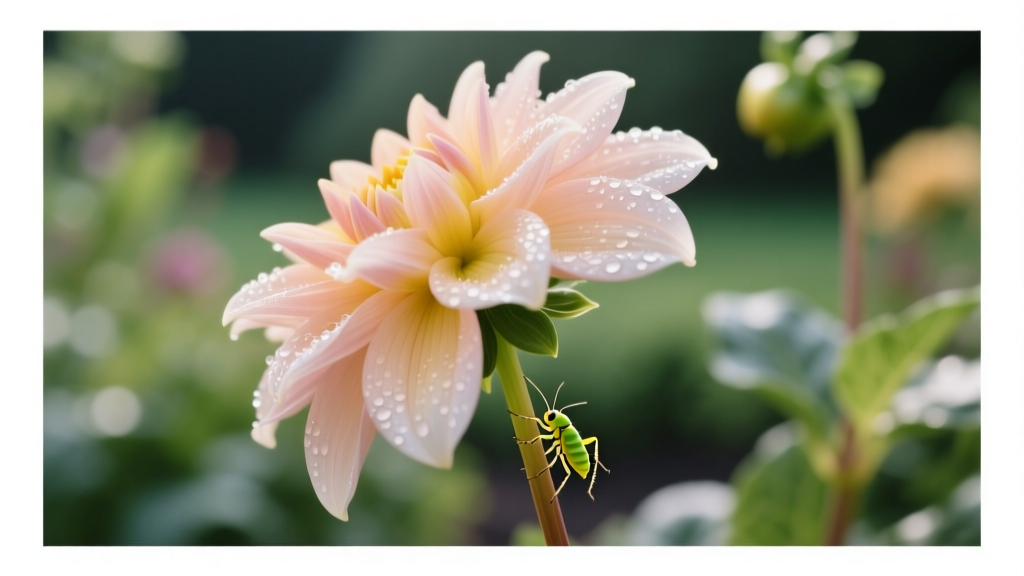
How to Deal with Aphids on Dahlias
You go out to admire your dahlias—yesterday they looked perfect—and today the newest growth is puckered, sticky, and crawling. If you’re seeing clusters of tiny pear-shaped insects on the tender tips and flower buds, you’ve got aphids. The surprise for a lot of gardeners is how fast aphids can turn “fine” into “mess” on dahlias: a warm spell, a shot of nitrogen, and suddenly the plants are basically a buffet.
I’ve dealt with aphids on dahlias in cool coastal gardens and hot inland beds, and the pattern is the same: the best results come from acting early, keeping the plant growing steadily (not in feast-or-famine bursts), and choosing control methods that match the situation—your weather, your patience level, and whether you’re protecting pollinators.
This guide will walk you through practical, field-tested steps: how to spot aphids early, what to spray (and what not to), how watering and feeding affect outbreaks, and three real-world situations with clear fixes.
Recognize aphids early (and don’t confuse the symptoms)
Aphids on dahlias usually pile onto the softest tissue: the growing tips, the undersides of new leaves, and the flower buds. The first signs aren’t always the insects themselves—often you notice the plant’s reaction.
Typical symptoms on dahlias
- Curled, crinkled, or twisted new leaves (especially at the top of the plant)
- Sticky residue (honeydew) on leaves or nearby surfaces
- Shiny leaves or a “wet look” even when the plant is dry
- Black sooty mold growing on honeydew deposits
- Ant activity traveling up and down stems (ants “farm” aphids for honeydew)
- Deformed buds or buds that fail to open normally
Quick inspection routine (2 minutes per plant)
- Check the top 4–6 inches of each stem—look closely at the underside of the newest leaves.
- Inspect flower buds, especially where the bud meets the stem.
- Look for ants; if you see a steady ant trail, assume aphids are nearby.
- Flip a leaf and look for clusters; aphids often gather tight along midribs.
Not every curled leaf is aphids. Heat stress can cause wilting and some leaf distortion; thrips often leave silvery streaks; spider mites cause fine stippling and webbing. But if you have honeydew + ants + clusters on tips, it’s almost always aphids.
Watering: keep dahlias steady (aphids love stressed plants)
Aphids thrive when plants are producing lots of soft, sappy growth—especially after drought stress followed by heavy watering, or after a big nitrogen feeding. Dahlias prefer even moisture, and steady watering makes them less likely to throw that vulnerable flush.
How much water dahlias need (practical targets)
- In active growth and bloom, aim for roughly 1–1.5 inches of water per week (rain + irrigation), adjusted for heat and soil type.
- In hot weather (above 85°F / 29°C), container dahlias may need watering daily.
- Water deeply so moisture reaches 8–12 inches down—shallow watering encourages shallow roots and stress.
Watering tactics that reduce aphid pressure
- Morning watering keeps plants strong and reduces stress by afternoon heat.
- Drip irrigation or soaker hoses reduce leaf wetness (not directly about aphids, but it lowers other issues that weaken plants).
- Avoid “rescue watering” after letting plants dry hard; instead, water on a schedule.
If you’re already battling aphids, avoid overhead watering as your main control. A strong hose blast can knock aphids off (useful), but regular overhead irrigation can also increase disease pressure and encourage tender growth cycles.
Soil: strong roots, fewer flare-ups
Dahlias do best in soil that drains well but holds moisture—think “crumbly” rather than sticky. Roots under stress (waterlogged or bone-dry) can trigger growth swings that aphids exploit.
Soil targets you can actually aim for
- Soil pH: roughly 6.3–7.0 is a comfortable range for dahlias.
- Compost: incorporate 1–2 inches of finished compost into the top 6–8 inches of soil before planting.
- Mulch: apply 2–3 inches of straw, shredded leaves, or bark fines (keep mulch a couple inches back from the stem).
Mulch helps more than people realize: it smooths out moisture swings, reduces dust (dusty plants can favor certain pests), and gives ground beetles and other beneficials a better habitat.
Light and spacing: don’t create a sheltered aphid nursery
Dahlias bloom best in full sun, and sun plus airflow also makes the plant less hospitable to pests. Crowded, shaded dahlias tend to have softer growth and fewer predators moving through.
- Sun: target 6–8 hours of direct sun daily.
- Spacing: for most garden dahlias, give plants 18–24 inches between centers; large varieties may need 30 inches.
- Pinching: when plants are about 12–16 inches tall, pinching can encourage branching—but don’t overdo nitrogen afterward, or you’ll get the aphid-magnet soft tips.
Feeding: the nitrogen trap (and how to avoid it)
If I could point to one self-inflicted aphid problem on dahlias, it’s this: heavy nitrogen feeding. Nitrogen pushes lush, tender growth, and aphids multiply fastest on exactly that.
A feeding approach that supports blooms and limits aphids
- Use a balanced or bloom-leaning fertilizer such as 5-10-10 or a similar ratio, especially once buds begin forming.
- Apply lighter, more frequent feedings rather than big doses. For example: a liquid feed at half strength every 14 days can be gentler than a full-dose monthly hit.
- Avoid fresh manure or high-nitrogen lawn fertilizer near dahlias.
University extension guidance consistently emphasizes matching fertilizer to plant needs and avoiding excess nitrogen that can increase pest susceptibility (see University of Minnesota Extension, 2022 and UC IPM, 2023 for general aphid and plant vigor principles).
Common problems that arrive with aphids
Aphids are rarely alone; they bring side effects and sometimes bigger trouble.
Honeydew and sooty mold
Honeydew is the sticky waste aphids excrete while feeding. Sooty mold grows on that honeydew. It looks awful, reduces photosynthesis, and can make foliage look permanently dirty.
- Fix: control aphids first. Then rinse foliage with water. If needed, wipe leaves with a soft cloth and a mild soap solution (a few drops in a quart of water), then rinse.
Ants “protecting” aphids
Ants will actively defend aphids from lady beetles and other predators.
- Fix: stop ants from climbing by using sticky barriers on stakes (not directly on tender stems) and managing ant nests nearby. Once ants are out of the picture, beneficial insects often do more work for you.
Virus risk
Some aphids can transmit plant viruses as they feed. Not every aphid outbreak leads to virus, but it’s one reason I don’t “wait and see” if the plant is young or the infestation is heavy.
“Aphids can transmit viruses within seconds to minutes of probing a plant, which is why preventing heavy infestations and removing highly symptomatic plants are key management steps.” — UC Statewide IPM Program (UC IPM), 2023
Control methods: compare your options with real trade-offs
The best method depends on infestation size, plant size, temperature, and whether beneficial insects are already present. Here’s how the main options stack up for dahlias.
| Method | Best for | How fast it works | Success rate (typical home garden) | Pollinator/beneficial impact | Key notes |
|---|---|---|---|---|---|
| Strong water spray (hose) | Light–moderate infestations on sturdy plants | Immediate knockdown | ~50–70% reduction per spray; repeat needed | Low | Spray undersides. Repeat every 2–3 days for 1–2 weeks. |
| Insecticidal soap | Moderate infestations; good precision | Hours (contact kill) | ~70–90% when coverage is thorough | Moderate (can harm soft-bodied beneficials on contact) | Must hit aphids directly. Avoid spraying in heat above 85–90°F. |
| Horticultural oil / neem oil | Light–moderate; also helps with residue | Hours to 1 day | ~60–85% | Moderate | Risk of leaf burn in high heat or sun; spray early morning/evening. |
| Encourage beneficial insects (lady beetles, lacewings, syrphid flies) | Long-term suppression | Days to weeks | Variable; best when ants are controlled | Very low (positive) | Works best with diverse plantings and minimal broad-spectrum sprays. |
| Systemic insecticide (last resort) | Severe infestations; non-blooming plants | Days | High, but dependent on product/timing | High risk to pollinators | Avoid use on blooming dahlias; follow label and local guidance. |
Those “success rate” ranges reflect what I see in home gardens when people apply products imperfectly. The biggest factor is coverage: aphids hide on undersides and in tight curls.
Step-by-step: my practical aphid plan for dahlias
If you want a simple routine that works in most gardens without going nuclear, this is it.
Week 1: knock them back and stop the ants
- Prune the worst tips: Snip off the most infested growing tips or bud clusters and trash them (don’t compost if they’re crawling). Removing 2–4 inches can dramatically cut numbers.
- Blast with water: Use a firm spray to hit undersides. Do it in the morning so plants dry quickly.
- Address ants: Use sticky barriers on stakes, refresh as needed, and reduce nearby ant activity.
- Recheck in 48 hours: If aphids rebound quickly, move to soap.
Week 2: tighten control with targeted sprays (if needed)
- Use insecticidal soap (not dish soap): Spray when temps are below 85°F and the plant is out of harsh sun.
- Cover thoroughly: Aim for full leaf wetting including undersides; partial coverage gives you a false sense of success.
- Repeat on a schedule: Reapply every 5–7 days for 2–3 rounds, or per label directions.
Week 3 and beyond: prevent the next wave
- Stop overfeeding nitrogen; switch to bloom-supporting nutrition.
- Keep watering steady (no drought/soak cycles).
- Plant small-flowered companions nearby (alyssum, dill, yarrow) to support hoverflies and lacewings.
For spray guidance and integrated pest management principles, UC IPM’s aphid resources are a reliable reference (UC Statewide IPM Program, 2023). For gardeners in cooler climates, university extension material also emphasizes physical removal and targeted low-toxicity controls first (University of Minnesota Extension, 2022).
Troubleshooting by symptom (what you see → what to do)
Symptom: Leaves are curled tight and aphids are hidden inside
- What’s happening: Aphids are feeding in protected folds where sprays don’t reach.
- What to do:
- Pinch off the worst curled leaves/tips and dispose.
- Follow with a water blast to dislodge stragglers.
- Use insecticidal soap with extra attention to the newest growth; repeat in 5–7 days.
Symptom: Sticky leaves + black film (sooty mold)
- What’s happening: Honeydew buildup is feeding mold.
- What to do:
- Control aphids first (water + soap/oil as needed).
- Rinse foliage once aphids are under control; the black film gradually weathers off, but rinsing helps.
- Check for ants—sooty mold often persists when ants keep aphid colonies going.
Symptom: Buds are distorted or won’t open properly
- What’s happening: Aphids feeding on buds interrupts normal development.
- What to do:
- Remove badly damaged buds (they rarely recover).
- Spray the bud clusters carefully—this is where aphids love to hide.
- Ease off high-nitrogen feeding; push potassium/phosphorus-leaning bloom support instead.
Symptom: You sprayed, aphids disappeared, then came roaring back
- What’s happening: You got the exposed aphids but missed the hidden ones, or ants are reintroducing them, or a growth flush is attracting winged aphids.
- What to do:
- Repeat sprays on a schedule (don’t do one-and-done).
- Inspect undersides and inside curls; prune if needed.
- Address ants and avoid fertilizer spikes.
Three real-world scenarios (and what actually works)
Scenario 1: Heat wave hits, and your dahlias are in containers
Containers swing from wet to dry fast. After a 90°F week, you water heavily, add a feed, and the plants explode with soft new growth. Aphids show up on the tips within days.
- Fix: Water consistently (often daily in heat), provide afternoon shade if possible, and stop high-nitrogen feeding for two weeks.
- Control: Pinch infested tips, then use insecticidal soap in the early morning. Repeat in 5–7 days.
Scenario 2: Tall garden dahlias with buds—ants everywhere
You keep blasting aphids off, but the next day they’re back. If you see ants running the stems like a highway, you’re fighting with one hand tied.
- Fix: Put sticky barrier material on stakes and tie stems to stakes so ants must cross the barrier. Refresh after dust or rain.
- Control: Water spray every 2–3 days for a week, then soap if colonies persist.
- Result: Once ants stop guarding aphids, you’ll often see hoverfly larvae and lady beetle larvae cleaning up the rest.
Scenario 3: A few aphids early in the season on fresh, tender growth
This is the moment where restraint pays off. If you catch it early—just a few clusters—you can avoid sprays entirely.
- Fix: Pinch the one or two infested tips and discard. Check again in 48 hours.
- Prevent: Keep watering even and don’t “celebrate” with a high-nitrogen feeding.
- Result: Most gardens stabilize here without escalating—especially if you have flowering companion plants nearby for beneficials.
Spray safety and timing (this is where gardeners get burned—sometimes literally)
Even low-toxicity products can damage dahlia leaves if sprayed at the wrong time.
- Temperature: Avoid soap or oil sprays when temperatures are above 85–90°F, or when plants are drought-stressed.
- Sun: Spray early morning or evening to reduce leaf burn.
- Coverage: If you’re not wetting the undersides, you’re mostly watering the problem.
- Test first: Spray a small section and wait 24 hours if you’re using a new product or your cultivar has tender foliage.
If your dahlias are in full bloom and you’re seeing lots of bees, be extra conservative. Physical removal and targeted sprays when pollinators are least active (early morning) are safer choices than broad or systemic options. Always follow the label—especially on edible-adjacent gardens where drift can land on herbs and vegetables.
Long-term prevention: make dahlias less inviting to aphids
You can’t “sterilize” a garden of aphids, and honestly you don’t want to—some aphids around help maintain predator populations. The goal is to prevent explosive outbreaks that deform blooms.
- Moderate feeding: Don’t push constant soft growth; prioritize bloom nutrition once buds set.
- Steady moisture: Aim for consistent watering (about 1–1.5 inches/week in-ground; more for pots in heat).
- Airflow and sun: Keep spacing at 18–24 inches (or more for large types) and maintain 6–8 hours of sun.
- Beneficial habitat: Interplant small blooms to support hoverflies and lacewings, and avoid broad-spectrum insecticides that wipe them out.
- Scout weekly: A 2-minute check per plant is often the difference between “pinch one tip” and “spray for three weeks.”
Aphids on dahlias are annoying, but they’re also predictable. When you keep growth steady, avoid nitrogen spikes, and respond early with pruning and a firm water spray, most outbreaks stay manageable. And once you’ve watched a hoverfly larva clear a cluster that looked hopeless the day before, you’ll start seeing aphid control as a rhythm—not a crisis.
Sources: UC Statewide IPM Program (UC IPM) aphid management resources (2023); University of Minnesota Extension aphid and garden insect management guidance (2022).