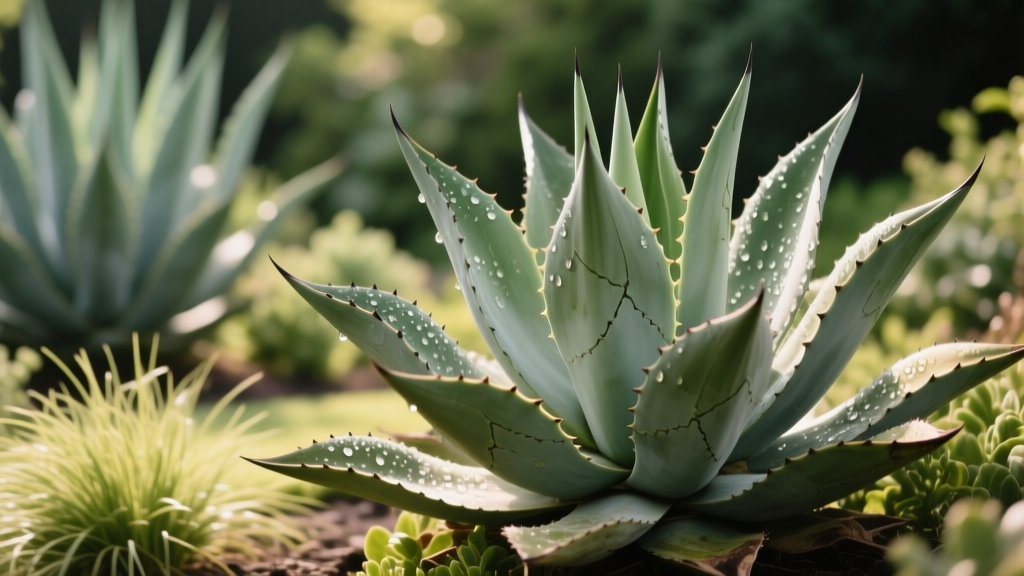
Tracking Agave Growth with Photos
The first time you try to “keep an eye” on an agave, it can mess with your confidence. You stare at it for weeks, swear it hasn’t moved, and then one day you notice a leaf tip has pushed into the pathway or the rosette is suddenly wider than the pot. Agaves don’t grow like tomatoes. They grow in slow motion—until they don’t. That’s exactly why photo tracking is such a powerful tool: it turns “I think it’s bigger” into measurable, actionable information.
I started photo-tracking agaves after losing a beautiful Agave attenuata to a quiet rot that I didn’t catch until the center collapsed. If I’d been taking consistent photos, I would’ve seen the early warning signs: the slight dulling of color, the change in leaf angle, the subtle “shrinking” at the crown. Photos don’t just document growth; they document health.
This guide will show you how to set up a simple photo system, what measurements to capture, and how to use those images to dial in watering, soil, light, feeding, and problem-solving—based on what agaves actually do in real gardens.
Set up a photo system you’ll actually keep using
The goal is consistency, not perfection. A phone camera is plenty. What matters is taking the same style of photo often enough that small changes become obvious.
My baseline photo checklist (5 minutes)
- Frequency: every 14 days in the growing season; every 30–45 days in winter.
- Time of day: morning is best—strong light without harsh shadows.
- Angles:
- Top-down (directly above rosette)
- Side profile (to see leaf angle and “lift”)
- Close-up of the crown (center growing point)
- One full plant + surroundings (for context)
- Scale reference: include a ruler, tape measure, or a standard object (a 6-inch/15 cm plant label works well).
- Same spot: stand in the same place. If it’s a pot, rotate the pot so the same leaf faces the camera.
Agave growth is often a change in geometry more than height. Photos catch the slow widening of the rosette, the shift from upright juvenile leaves to flatter mature leaves, and the “tightening” that can signal drought stress.
What to measure from photos (and write down)
Pick a few metrics and stick to them:
- Rosette diameter: measure widest point in inches or cm (example: 18 in to 21 in over 3 months).
- Leaf count: count new leaves since last photo.
- Leaf posture: note if leaves are more upright or flattening (a big health clue).
- Color and sheen: glaucous blue to dull gray can indicate stress or dust; yellowing can mean root issues.
- Offsets/pups: count new pups and approximate size (example: “3 pups, ~2 in across”).
If you want to get nerdy (and it pays off), add a cheap digital thermometer/hygrometer near your plant and include it in the context photo. Temperature swings explain a lot.
Watering: use photos to confirm your schedule (not guess)
Most agave problems trace back to watering: too often, too little, or poor drainage that makes “normal watering” dangerous. Photo tracking helps you catch watering mistakes early—before the plant collapses.
How much water is “enough” for a potted agave?
For containers, I prefer a soak-and-dry approach:
- Water until you see steady drainage out the bottom (usually 10–20% of the water you poured in runs out).
- Then don’t water again until the mix is dry at least 2–3 inches down.
In warm months, that might mean watering every 7–14 days for a fast-draining mix. In winter, it can stretch to 21–45 days depending on temperature and light.
Agaves use less water when nights are cool. Many slow dramatically below about 50°F (10°C), and wet soil at those temps invites rot. University of Arizona Cooperative Extension notes that succulents are especially prone to rot in cool, wet conditions and stresses the importance of drainage (University of Arizona Cooperative Extension publication, 2018).
Photo clues you’re overwatering
- Leaves look slightly translucent or “waterlogged,” especially near the base.
- Rosette looks looser over time (leaves splay outward rather than holding form).
- Lower leaves yellow faster than normal aging.
- Crown looks dull and stops pushing new leaves.
In your photos, compare the crown area month-to-month. Healthy growth shows a tight center with new leaves emerging. If the center looks stalled for 6–8 weeks during warm weather, suspect root stress.
Photo clues you’re underwatering
- Leaf “taco-ing”: leaves fold inward along the midrib.
- Wrinkling near the base of older leaves.
- Rosette diameter shrinks slightly—yes, it can contract.
Don’t panic-water after weeks of dryness. Rehydrate gradually: give one thorough watering, then wait for the mix to dry again. A severely dry rootball can repel water; if your photos show continued stress after watering, bottom-soak the pot for 20–30 minutes once to fully wet the mix, then return to normal.
Soil and drainage: the hidden factor your photos reveal
If your photos show slow growth, repeated leaf yellowing, or crown stalling, soil structure is often the real culprit. Agaves tolerate lean soil, but they don’t tolerate airless soil.
A practical soil recipe (containers)
I like a gritty mix that dries quickly but doesn’t turn to dust:
- 50% pumice (or perlite)
- 25% cactus/succulent potting mix
- 25% coarse sand or crushed granite
Aim for a pot with a large drainage hole. For a 12-inch pot, I want at least one 0.75–1 inch wide drainage opening (or multiple holes adding up to that area). In-ground, mound the planting area 3–6 inches above surrounding grade if you have clay soil.
Texas A&M AgriLife Extension emphasizes that many succulent failures come from soils that hold water too long, recommending well-drained media for drought-adapted plants (Texas A&M AgriLife Extension resource, 2020).
Use photos to evaluate drainage issues
Here’s what I look for in the weeks after watering:
- If the plant looks plumper within 48 hours and holds form for 1–2 weeks, drainage is likely fine.
- If it looks okay for 2–3 days and then starts yellowing at the base, your mix may be staying wet too long.
- If it never plumps up, the mix may be hydrophobic (repelling water) or roots may be compromised.
Light: track leaf posture and color changes month-to-month
Light is the driver of agave growth. When an agave isn’t getting enough light, it often “reaches” subtly—leaves get longer, thinner, and more upright. When it gets too much sun too fast, you see burn patches that never heal.
Target light levels (realistic home garden targets)
- Full sun: 6+ hours direct sun (best for many hardy agaves once established).
- Bright shade / filtered sun: ideal for tender types like Agave attenuata in hot inland climates.
Heat matters as much as brightness. In areas where summer afternoons hit 100–110°F (38–43°C), a young agave often performs better with morning sun and afternoon shade.
Photo clues of too little light
- Elongated leaves with wider spacing between leaves at the crown.
- Greener color in blue/gray varieties (less glaucous coating).
- Slow leaf production: fewer new leaves over 60 days in warm weather.
Photo clues of too much sun (or a bad transition)
- Bleached patches (tan/white) on upper leaf surfaces.
- Sharp shadow burns after moving from shade to sun.
When moving an agave into stronger light, step it up over 10–14 days: 2–3 days in bright shade, then a few hours of morning sun, then gradually longer exposure. Your photos should show steady color and posture—not sudden paling.
Feeding: less is more, and photos prove it
Agaves are not heavy feeders. Too much nitrogen can make them softer and more prone to rot and pests. I feed only when a plant is actively growing and in a well-draining mix.
A simple feeding plan
- Container agaves: apply a diluted balanced fertilizer (like 10-10-10 or similar) at 1/4 strength once in spring and once in midsummer.
- In-ground agaves: often no fertilizer needed; top-dress with a thin layer of compost (0.5 inch) once a year if soil is extremely poor.
Watch your photo series after feeding. Healthy response looks like slightly faster leaf production and improved color. If photos show the plant getting “puffy,” floppier, or unusually green, back off feeding and reassess watering.
“Most agaves are adapted to low-nutrient conditions; excessive fertilization can encourage weak, lush growth that’s more susceptible to pests and rot.” — Desert plant guidance summarized from university extension recommendations (University of Arizona Cooperative Extension, 2018)
Comparison: photo tracking method A vs method B (with real-world data)
If you want photo tracking to actually change outcomes, you need consistency. Here’s a straightforward comparison from my own practice and what I see with clients: a casual “random phone photo” approach versus a repeatable measurement-based approach.
| Tracking method | Photo frequency | What you capture | Typical ability to spot problems early | Example result over 12 weeks (potted agave) |
|---|---|---|---|---|
| A: Casual snapshots | Every 3–6 weeks (inconsistent) | One angle, no scale | Low: rot and mites often missed until obvious | Diameter change hard to verify; “seems the same” even if it grew from 16 in to 18 in |
| B: Standardized photo set + measurements | Every 14 days (growing season) | Top-down + side + crown close-up + ruler | High: posture/color changes seen within 2–4 weeks | Clear record: diameter from 16 in to 18 in; 3 new leaves; pup emergence documented at week 8 |
Notice the “data” here isn’t fancy—it’s just consistent. The advantage is you stop reacting to hunches and start adjusting care based on visible trends.
Common problems: use your photos like an early-warning system
Agave issues often show up as small visual cues before they become disasters. Your photo log becomes a timeline you can compare against watering, weather, and location changes.
Troubleshooting: crown rot (the big one)
Symptoms (what you’ll see in photos):
- Center leaves stop emerging for 4–8 weeks during warm season.
- New center growth looks dull, then collapses.
- Lower leaves yellow rapidly and feel softer than normal.
What to do (act fast):
- Stop watering immediately.
- Move container plants under cover where no rain hits the soil.
- If rot is advanced, unpot and inspect roots; trim black/mushy roots with sterile pruners.
- Let the plant dry in shade for 48–72 hours, then repot into dry, gritty mix.
Prevention tip: Don’t let water sit in the crown. If your photos often show water pooling after irrigation, change your watering method to soil-only (slow pour at the base) instead of overhead watering.
Troubleshooting: sunburn
Symptoms:
- White/tan patches on the sun-facing side that appear within 1–3 days of increased sun exposure.
- Damaged areas become papery; they won’t turn green again.
What to do:
- Provide afternoon shade immediately (shade cloth works; even 30–40% shade makes a difference).
- Don’t fertilize or overwater to “help it recover.” Keep normal dry-down cycles.
- Use your next two photo check-ins to ensure new growth at the center looks normal.
Troubleshooting: agave snout weevil (serious, region-dependent)
Symptoms:
- Plant suddenly leans or looks “loose” at the base.
- Lower leaves yellow and collapse quickly.
- In photos, the rosette may look fine one week and disastrous two weeks later.
What to do:
- Remove and dispose of badly infested plants promptly (don’t compost).
- In weevil-prone areas, avoid planting highly susceptible species near each other.
- Track with photos especially in warm months when activity rises; rapid decline is your clue to inspect the base.
Check local extension advisories for current management options in your area; recommendations vary by region and product labeling.
Troubleshooting: spider mites (common indoors and in hot, dry spots)
Symptoms:
- Fine stippling or dusty look on leaves in close-up photos.
- Dull, tired color even when watering is correct.
What to do:
- Rinse leaves with a strong spray of water (outdoors) every 3–4 days for two weeks.
- Improve airflow and avoid heat-reflecting walls that bake the plant.
- Use your close-up photo angle to confirm stippling is decreasing.
Three real-world scenarios (and what photo tracking changes)
Scenario 1: The patio pot that “never grows”
You’ve got an agave in a 14-inch pot on a bright patio. You water every weekend because it’s hot. It looks okay, but it hasn’t “grown” all summer.
What photos usually reveal: the crown is stalled and the lower leaves slowly yellow—classic mild overwatering in a mix that stays damp too long. When you start measuring, you notice the rosette diameter doesn’t increase across 8 weeks, and leaf count barely changes.
Fix: switch to a grittier mix, water only when dry 2–3 inches down, and ensure the pot drains freely. Within the next two photo check-ins (28 days), you should see tighter center growth and at least one new leaf in warm weather.
Scenario 2: The landscape agave that looks great—until winter rain
An in-ground agave is planted flush with grade in clay soil. Summer photos look fine. Then after repeated winter rains, it starts to yellow at the base.
What photos reveal: the plant’s posture changes first—leaves splay wider, then lower leaves soften. This often begins after a stretch of cool nights around 40–50°F (4–10°C) combined with wet soil.
Fix: mound the planting area 3–6 inches, improve drainage with mineral amendments, and redirect runoff. Photos taken monthly in winter catch this before collapse.
Scenario 3: The indoor agave that slowly declines
Indoors, an agave sits near a bright window. You water lightly every week. It doesn’t die fast—it just fades.
What photos reveal: leaves lengthen, the plant leans toward the window, and the glaucous color dulls. Close-ups may show mite stippling. The “weekly sip” watering keeps the mix damp while the plant isn’t getting enough light to use it.
Fix: move it to the brightest window you have or add a grow light for 10–12 hours daily, switch to deep watering followed by full dry-down, and rinse leaves to manage mites. Your top-down photos should show a tighter rosette within 6–10 weeks.
Step-by-step: a simple 90-day photo experiment that improves care fast
If you want a clear read on what your agave needs, run a short, disciplined tracking window.
- Day 1: Take the full photo set (top-down, side, crown close-up, context). Measure rosette diameter.
- Record: last watering date, sun exposure hours, and overnight low temps for the week.
- Watering rule: only water when dry 2–3 inches down (containers) or when soil is fully dry several inches down (in-ground).
- Day 14, 28, 42, 56, 70, 84: Repeat photos and measurements.
- At Day 90: Compare: diameter change, leaf count, posture, and any color shifts.
Most gardeners are surprised by what changes first. Often it’s not “size”—it’s the tightness of the crown and the angle of the leaves. Those are your early indicators that your watering/light balance is right.
Quick reference: what your photos are telling you
- Tight crown + steady new leaves: keep doing what you’re doing.
- Splayed rosette + yellowing lower leaves: suspect wet soil/poor drainage.
- Long, narrow, upright leaves: increase light gradually.
- Taco leaves + wrinkles: deeper watering, less frequent—confirm dry-down.
- Sudden collapse: inspect for rot or pests at the base immediately.
Agaves reward patience, but they also reward attention. A consistent photo habit gives you that attention without obsessing—just a quick check-in every couple of weeks. Over a season, you’ll not only see growth you would’ve missed; you’ll catch the small warnings early enough to save the plant. And once you’ve watched one agave’s timeline unfold in photos, you’ll never go back to guessing.