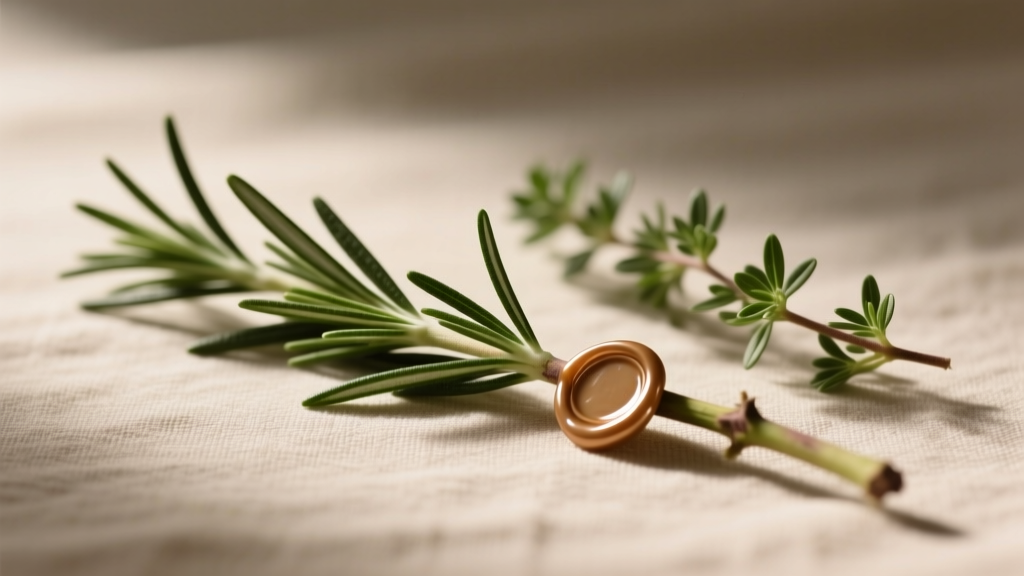
How to Seal Pruning Cuts on Herbs
You snip a big sprig of basil for pasta, set the plant back in the sun, and by the next afternoon the cut end looks dark and wet. A day later, that stem collapses. Most home gardeners assume the problem is “not sealing the cut,” so they reach for wax, glue, or a commercial pruning sealer. Here’s the surprise: on most herbs, sealing cuts often causes more trouble than it prevents—because it can trap moisture and microbes right where the plant is trying to dry and heal.
I’m going to walk you through when to leave herb cuts alone, when a light “seal” actually helps, and how to get clean healing with the right watering, soil, light, and feeding. I’ll also cover common problems (blackening, soft rot, slow regrowth) with specific symptoms and fixes—because most “bad cuts” are really a care mismatch that shows up after the pruning.
First: Do You Even Need to Seal Herb Pruning Cuts?
For most soft-stemmed herbs—basil, mint, oregano, cilantro—pruning cuts heal best when they can dry slightly and form a natural barrier (callus). Traditional “wound dressings” have been studied more on woody trees, but the principle holds: trapping moisture can encourage decay organisms.
University guidance has been pretty consistent on this point for years. For example, Purdue University Extension notes that wound dressings generally are not recommended because they may interfere with natural wound closure and can trap moisture (Purdue Extension Publication, 2017). Similarly, University of Florida IFAS Extension materials have long advised that pruning paints are typically unnecessary and can create conditions favorable for decay (UF/IFAS Extension, 2019).
“Research has shown that wound dressings do not reduce decay and may actually slow wound closure by keeping tissues wet.” — Purdue University Extension Publication (2017)
That said, herbs are not trees, and home gardens aren’t labs. There are situations where a protective step makes sense—just not the heavy, goopy “paint the cut” approach.
When sealing is usually a bad idea
- Soft, fast-growing herbs (basil, mint, lemon balm): sealing traps moisture and invites stem rot.
- Indoor herbs with low airflow: anything that keeps the cut wet longer is risky.
- After harvesting multiple stems: lots of sealed wounds + humidity is a recipe for fungus.
When a light protective step can help
- Very thick, semi-woody herb stems (rosemary, sage, thyme) pruned in hot, dry wind where cuts desiccate fast.
- Outdoor herb beds during prolonged rain where cuts stay wet for days.
- Known disease pressure (you’ve had stem rot, downy mildew, or gray mold repeatedly) and you’re making bigger cuts.
Best Practice: Make Cuts That Don’t Need Sealing
If you take nothing else from this article, take this: a clean cut in the right spot heals faster than any product you can smear on it.
Step-by-step: clean, fast-healing pruning cuts
- Sanitize tools before you start and between plants. Use 70% isopropyl alcohol on blades, or a disinfectant wipe. Let it evaporate (about 30–60 seconds).
- Cut above a node (where leaves attach), usually 1/4 inch (6 mm) above. Nodes push new growth; “stubs” often die back.
- Use sharp blades so you slice, not crush. Crushed stems leak more sap and invite rot.
- Avoid pruning right before nightfall outdoors. Morning cuts dry and stabilize in daytime air and warmth.
- Don’t remove more than 1/3 of the plant at once for most herbs. For basil you can be a little bolder, but repeated hard cuts without recovery time weakens plants.
Timing helps, too. Most culinary herbs recover best when daytime temperatures are between 65–85°F (18–29°C). If it’s consistently below 55°F (13°C), regrowth slows and cuts sit “open” longer.
If You Decide to Seal: What to Use (and What to Avoid)
“Seal” can mean anything from a commercial pruning paint to a dusting of dry powder. For herbs, I stick with methods that don’t stay wet and don’t create an airtight cap.
Comparison table: common sealing options on herbs
| Method | Best for | How to apply | Dry time / persistence | Real-world risk |
|---|---|---|---|---|
| No sealer (recommended most of the time) | Basil, mint, cilantro, parsley; most routine harvest cuts | Make a clean cut; increase airflow | Surface dries in 30–120 minutes depending on humidity | Lowest risk of trapping moisture |
| Cinnamon dust (light antifungal powder) | Small cuts during rainy spells; indoor herbs with a history of mold | Dip a fingertip, tap a tiny amount on the cut (don’t cake it) | Dries immediately; falls off over time | Low–moderate (can irritate tender tissues if overused) |
| Horticultural sulfur (powder) | Rosemary/sage/thyme with repeated fungal issues outdoors | Very light dusting; avoid inhaling; don’t use in heat | Persistent until washed off | Moderate (leaf burn above 85–90°F; not for routine use) |
| Commercial pruning paint | Rarely needed for herbs | Thin coat on larger woody cuts only | Stays wet longer; forms a film | Higher (moisture trapped; encourages rot on soft stems) |
| Household wax / glue | Not recommended | N/A | Seals tightly; doesn’t breathe | High (tissue damage + trapped moisture) |
A practical rule
If the stem is soft enough to bend easily, skip sealers. If the stem is woody enough to snap cleanly and you made a cut larger than about 1/4 inch (6 mm) across, you can consider a dry approach (like a tiny dusting) during wet weather.
Watering After Pruning: The Part Most People Get Wrong
Overwatering after pruning is the fastest way to turn a clean cut into a mushy mess. When you remove foliage, the plant transpires less, so it uses less water. If you keep watering at the old rate, the root zone stays wetter—perfect conditions for stem and crown rot.
What to do the day you prune
- Outdoor herbs in beds: If soil is already moist, skip watering for 24 hours after pruning unless the plant is wilting.
- Potted herbs: Check moisture 1–2 inches down. Water only if that zone feels dry.
Smart watering targets (real numbers)
- For containers, aim for a watering rhythm that leaves the top 1 inch drying between waterings.
- Water early, ideally before 10 a.m., so surfaces dry before cooler evening air.
- If you use a saucer under pots, empty it within 10–15 minutes after watering.
Troubleshooting: symptoms tied to watering mistakes
- Symptom: Cut end turns black and soft within 48 hours
Likely cause: Too wet + low airflow
Fix: Stop watering, increase light/air movement, re-cut above the black tissue with sanitized scissors. - Symptom: Whole stem collapses at soil line (damping-off style)
Likely cause: Saturated mix, poor drainage, fungus
Fix: Repot into fresh mix, improve drainage, avoid wetting stems when watering.
Soil and Drainage: Healing Starts Below the Cut
A herb can only seal its own cut if it’s not struggling at the roots. When soil stays soggy, the plant can’t move oxygen, and wounds become infection points.
Container soil mix that supports clean healing
For most potted herbs, I like a fast-draining blend. A reliable home mix is:
- 2 parts quality potting mix
- 1 part perlite or pumice
If you’re growing Mediterranean herbs (rosemary, thyme, oregano) you can push drainage further by adding a handful of coarse sand or extra pumice. Target a pot with drainage holes and avoid “self-watering” setups right after pruning—those keep the lower zone constantly moist.
Bed soil: a quick check
After a good watering, herb bed soil should be moist but crumbly, not sticky. If you can roll it into a ribbon between your fingers, it’s likely too clay-heavy for herbs without added organic matter and drainage improvements.
Light and Airflow: Your Natural “Sealer”
Bright light and gentle airflow dry the cut surface and reduce fungal pressure. Dim light does the opposite: slow healing, weak regrowth, and more opportunistic disease.
Light targets by herb type
- Basil, rosemary, thyme: 6–8 hours of direct sun outdoors; indoors, place within 6–12 inches of a strong grow light.
- Mint, parsley, cilantro: 4–6 hours of sun is usually enough; in hot climates, afternoon shade prevents stress.
Airflow tips that actually help
- Space potted herbs so leaves aren’t touching after pruning (at least 2–4 inches between pots).
- Indoors, run a small fan on low for 2–4 hours a day, not blasting directly at the plant.
- Outdoors during rainy weeks, avoid crowding herbs against dense annuals that hold humidity.
Feeding After Pruning: Don’t Force Soft, Sappy Growth
A common mistake is to prune, then immediately hit herbs with a high-nitrogen fertilizer to “help them bounce back.” That can push tender, sappy growth that’s more prone to aphids, mildew, and stem problems.
Practical feeding schedule
- If the plant is healthy: Wait 7–10 days after a major prune before feeding.
- For potted culinary herbs: Use a balanced liquid fertilizer at 1/4 to 1/2 strength every 2–4 weeks in active growth.
- For rosemary/thyme: Less is more. Overfeeding makes them floppy and less flavorful.
If you amended beds with compost, that may be enough. Think steady and modest, not heavy and fast.
Common Problems After Pruning (and What to Do About Them)
When gardeners ask me about sealing cuts, they’re usually reacting to one of these problems. Here are the patterns I see over and over.
Problem: Cut ends look brown/black
Normal vs. not normal: A slight darkening on basil or mint can be normal oxidation. What you don’t want is wet, spreading blackness.
- If it’s dry and limited: Leave it alone; improve light and avoid overhead watering.
- If it’s wet or spreading: Re-cut 1/2 inch above the damage with sanitized tools. Remove any leaves touching the soil.
Problem: Plant wilts after pruning even though soil is wet
- Likely cause: Root stress (too wet, low oxygen) or pruning during heat stress
- Fix: Move to bright shade for 24–48 hours, let soil dry to the top 1–2 inches, then resume normal watering.
Problem: Mold/gray fuzz on the cut or nearby leaves
- Likely cause: Botrytis (gray mold) favored by cool, damp, still air
- Fix: Remove affected tissue immediately, increase airflow, water at soil level, and avoid sealing products that keep the wound wet.
Problem: No regrowth from a pruned stem
- Likely cause: Cut was made too low (no nodes), or herb was already flowering/aging (especially basil/cilantro)
- Fix: On basil, always cut above a pair of leaves. On cilantro/dill, accept that bolting plants won’t rebound well—succession sow instead.
Three Real-World Scenarios (and Exactly What I’d Do)
Scenario 1: Basil harvested hard before a rainy weekend
You cut back basil by about 40% on Friday, and then it rains for three days. By Monday, a couple cut stems are dark and soft.
- What I’d do: Snip out any soft stems back to firm tissue, thin crowded growth to improve airflow, and stop all overhead watering.
- Do I seal? No. Basil stems are soft; sealers tend to worsen rot.
- Prevention next time: Prune earlier in the week so cuts dry before wet weather. Keep basil spaced so leaves dry quickly.
Scenario 2: Rosemary hedge trimmed in hot, drying wind
You shear rosemary in the afternoon when it’s 92°F (33°C) with a steady breeze. The next day, cut tips look desiccated and pale.
- What I’d do: Water the root zone deeply once (not daily sprinkles), then provide temporary shade cloth for 2–3 days if possible.
- Do I seal? Usually still no. But for a few thicker cuts, a tiny dusting of cinnamon or sulfur can be reasonable if your area has known fungal pressure and you’re heading into humid nights.
- Prevention next time: Trim early morning and avoid cutting into leafless old wood.
Scenario 3: Indoor mint keeps rotting at cut points
Your mint sits on a kitchen windowsill. Every time you pinch it back, the cut ends turn black within a couple days.
- What I’d do: First, increase light (move closer to window or add a grow light). Second, add airflow (small fan on low 2 hours daily). Third, adjust watering—let the top 1 inch dry.
- Do I seal? No. Indoors, sealers usually trap moisture. If you must do something, a barely-there cinnamon dusting is the most forgiving option.
- Tool check: Mint bruises easily—use sharp scissors and sanitize with 70% alcohol.
Troubleshooting Cheat Sheet: Symptom → Cause → Fix
- Symptom: Cut end dries, shrivels, and dies back 1–2 inches
Cause: Cut made too far above node; heat/wind stress
Fix: Re-cut just above a node; prune in cooler hours; water roots deeply once. - Symptom: Sticky sap + ants on basil cuts
Cause: Aphids or soft growth from high nitrogen
Fix: Rinse with water, treat with insecticidal soap if needed, reduce feeding to 1/4 strength. - Symptom: White powdery coating after pruning
Cause: Powdery mildew encouraged by shade + humidity
Fix: Increase sun, remove worst leaves, avoid evening watering; don’t seal cuts. - Symptom: New growth is tiny and pale for weeks
Cause: Low light or exhausted potting mix
Fix: More light; after 7–10 days, feed lightly or refresh top 1–2 inches of mix.
Practical “Sealing” Alternatives That Work Better Than Paint
If your goal is to prevent disease after pruning, you’ll get more mileage from sanitation and environment than from coating wounds.
My go-to prevention routine
- Sanitize tools with 70% alcohol before moving to the next plant.
- Prune for airflow: remove crossing, crowded stems so leaves dry faster.
- Water at soil level, not over the canopy—especially for basil and sage.
- Harvest often: smaller, frequent cuts heal faster than one big haircut every month.
If you’re dealing with repeated disease, don’t ignore the “invisible” causes: overcrowding, wet soil, low light, and unclean tools. Fix those and you’ll stop thinking about sealers entirely.
Source Notes You Can Trust (and How I Apply Them to Herbs)
Most formal pruning-sealer research is aimed at trees and shrubs, but the core lesson—plants seal wounds by compartmentalizing and drying, not by being painted over—translates well to herb care. The extension guidance I lean on for this topic includes Purdue University Extension (2017) and UF/IFAS Extension (2019), both of which caution against routine use of wound dressings. In herb gardening, where stems are often soft and humidity swings are common, the “don’t trap moisture” rule is even more important.
If you want a simple, experience-tested default: don’t seal herb cuts. Make cleaner cuts, time pruning for good drying conditions, and adjust watering for the reduced foliage. When you do that, you’ll see cuts dry within a couple hours, new shoots break within 5–14 days (depending on herb and temperature), and you’ll harvest again without that cycle of blackened stems.