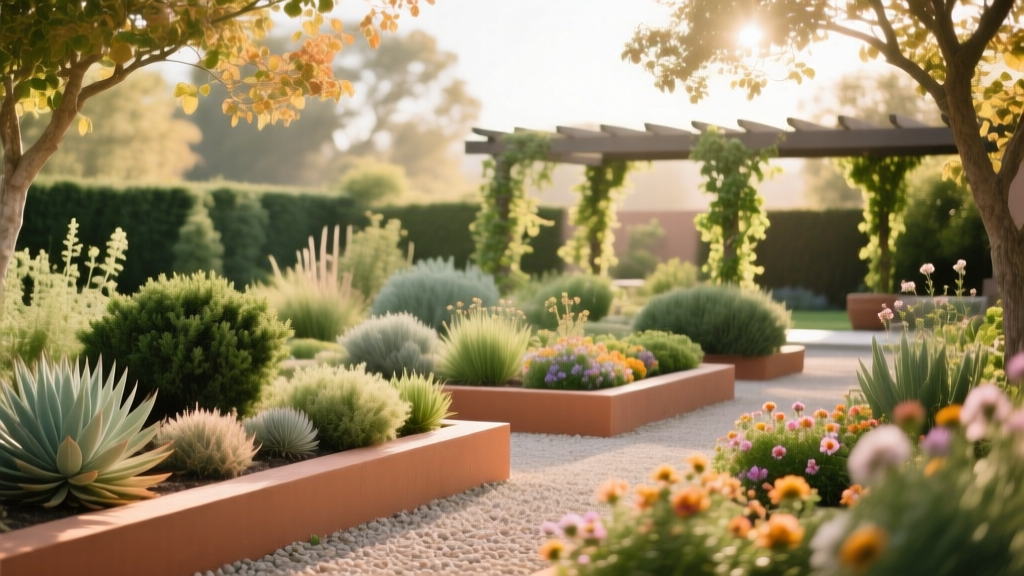
Building Seasonal Resilience in Your Garden Design
The next 4–6 weeks are when resilient gardens are made—or set back for the rest of the year. Soil temperatures are swinging, pests are waking up, and one late frost or early heat wave can undo months of planning. The opportunity right now is to design your garden to absorb weather shocks: staggered planting windows, hardier plant choices, smarter pruning, and targeted protection that keeps plants growing steadily instead of lurching from stress to stress.
This is a seasonal resilience playbook organized by priority: what to plant, what to prune, what to protect, and what to prepare. Use your local last frost date and USDA hardiness zone as the anchor, then work week-by-week with temperature thresholds so you’re acting at the right moment—not too early, not too late.
Priority 1: What to Plant (Resilience Starts With Timing + Diversity)
Resilient gardens don’t bet everything on one planting date or one crop. They spread risk: early, main, and backup sowings; varieties with different maturity dates; and plantings that handle cold snaps and heat spikes.
Plant by soil temperature, not just the calendar
Air can warm quickly while soil stays cold. Use a soil thermometer 2–3 inches deep in the morning.
- Peas, spinach, radish, lettuce: sow when soil is consistently 40–45°F.
- Carrots, beets, chard: sow at 45–50°F.
- Potatoes: plant when soil is 45–50°F and not waterlogged.
- Brassicas (broccoli, cabbage) transplants: set out when nights are regularly above 28–32°F with protection available.
- Beans, squash, cucumbers: wait for 60°F soil (or use black plastic/landscape fabric to warm the bed).
- Tomatoes and peppers: transplant after nights hold above 50°F; growth stalls below that even if plants survive.
Research-based timing matters: cool soils slow roots, leaving seedlings vulnerable to rot and pest pressure. Your resilience gain here is simple—plant the right crop for the actual conditions.
Week-by-week planting timeline (use your last frost date)
Find your average last frost date (ALFD). Then follow this timeline; it works across USDA zones by shifting dates around ALFD.
- 6–4 weeks before ALFD: direct-sow peas, spinach, radish; transplant hardened-off brassicas under row cover.
- 3–2 weeks before ALFD: sow carrots/beets; plant potatoes; set out onions and leeks.
- ALFD week: succession sow lettuce; plant more peas; start hardening off warm-season transplants daily.
- 1–2 weeks after ALFD: transplant tomatoes (with frost protection ready); direct-sow beans if soil is near 60°F.
- 3–4 weeks after ALFD: plant squash/cukes; mulch warm-season beds to stabilize moisture and temperature.
Concrete timing example: If your ALFD is April 15, your pea window begins around March 15–April 1, tomatoes land roughly April 22–May 6 depending on night temps, and beans wait until soil hits 60°F (often early to mid-May in many Zone 5–6 gardens).
Design for resilience: stagger, mix, and buffer
Planting strategy is garden design. Use these resilience upgrades while you plant:
- Succession sowing: plant small batches every 10–14 days for greens and radishes so one weather event doesn’t wipe out your whole harvest window.
- Variety stacking: choose an early, mid, and late variety (especially tomatoes, sweet corn, and winter squash) to spread risk across different weather patterns.
- Wind buffering: place taller, sturdy crops (trellised peas, fence-line raspberries) on the windward side to reduce desiccation and breakage for tender crops.
- Frost pockets: avoid planting tender transplants in low spots; cold air drains downhill and can be 3–8°F colder at ground level on radiational frost nights.
“Vegetable seedlings that are stressed by cold, wet soils and temperature swings are more prone to disease and poor establishment—proper timing and soil conditions are key to vigorous growth.” (Extension guidance summarized from multiple land-grant recommendations)
Regional scenarios: adjust the playbook to your spring reality
Scenario 1: Upper Midwest / Interior Northeast (USDA Zones 3–5; late frosts common)
Plan on at least one “fake spring.” Keep row cover and frost cloth accessible until June 1 in colder microclimates. Use cold-tolerant brassica varieties, delay basil until nights stay above 50°F, and prioritize raised beds (they warm earlier than in-ground beds).
Scenario 2: Mid-Atlantic / Ohio Valley (Zones 6–7; warm spells followed by storms)
Focus on drainage and airflow. Heavy spring rains and mild temperatures push fungal issues. Plant on slight mounds or broad beds, mulch after soil warms, and keep tomatoes on the drier side early. Build in a backup tomato planting date 2 weeks after your first transplant in case a cold snap stunts the first round.
Scenario 3: Pacific Northwest / Coastal (Zones 7–9; cool nights, long springs)
Soil warms slowly, and slugs thrive. Warm-season crops often languish until soil hits 60°F—use cloches, black mulch, or grow more cool-season staples. Put slug barriers in place before you transplant; seedlings can disappear overnight.
Scenario 4: Southern Plains / Southeast (Zones 7–9; early heat and humidity)
Your resilience challenge is heat arriving early (sometimes by mid-May). Plant warm-season crops promptly once soil is ready, shift greens to partial shade, and prioritize disease-resistant tomato varieties to handle humidity-driven blights.
Priority 2: What to Prune (Targeted Cuts That Prevent Breakage and Disease)
Pruning for resilience is not about shaping everything perfectly—it’s about preventing weak growth, storm damage, and disease entry points. Timing matters: prune at the wrong time and you remove flowers, invite pathogens, or stimulate tender growth before a cold snap.
Do these pruning tasks now (and hold off on others)
- Prune dead, damaged, or diseased wood anytime: make clean cuts to healthy tissue; disinfect tools between suspect plants.
- Spring-flowering shrubs (lilac, forsythia, azalea): wait to prune until right after flowering to avoid cutting off buds.
- Summer-flowering shrubs (panicle hydrangea, spirea, butterfly bush): prune in early spring before strong growth begins.
- Fruit trees: finish dormant pruning before bud break; remove crossing branches to reduce disease pressure and improve airflow.
- Ornamental grasses: cut back before new shoots are more than 2–4 inches tall to avoid tearing tender growth.
Storm resilience move: On shrubs and young trees, remove narrow V-shaped crotches and rubbing branches now. Those weak unions fail under wet snow, spring gales, and summer storms.
Timing cues you can trust
- If buds are swelling and green tips are showing, switch from “structural pruning” to “minimal pruning.”
- After a hard freeze (28°F or lower) following early warm weather, wait 5–7 days before pruning cold-damaged stems so you can see what truly died back.
Priority 3: What to Protect (Frost, Wind, Pests, and Disease)
Protection is where seasonal resilience becomes real. A garden that looks fine on a calm day can be wiped out by one overnight dip, one wind event, or the first wave of pests.
Frost protection: set thresholds and act fast
Use these action thresholds as your go/no-go system:
- 36–38°F forecast: cover tender seedlings if skies will be clear and calm (radiational frost risk).
- 32°F forecast: cover brassica transplants, strawberries in bloom, and any warm-season plants you risked early.
- 28°F forecast (hard freeze): double-layer protection (row cover + frost cloth) or move containers into a garage/shed. Unprotected blossoms and tender growth can be lost.
Row cover basics: Anchor edges tightly to prevent wind lift. Leave slack for plant growth. Vent on sunny days above 70°F to prevent overheating, especially over brassicas and lettuce.
Pest prevention that fits the season (before outbreaks start)
Early prevention is more resilient than reacting after pests multiply.
- Cutworms: Place collars (cardboard strips 2–3 inches tall) around transplants at planting time. Keep mulch pulled back from stems for the first week.
- Flea beetles (especially on arugula/cole crops): Use lightweight row cover immediately after sowing or transplanting; tiny feeding holes stunt seedlings quickly.
- Slugs/snails (cool, damp regions): Remove boards and dense debris; water in the morning; use iron phosphate bait as needed around beds, not broadcast everywhere.
- Aphids: Avoid excess nitrogen early; blast with water; protect beneficials by limiting broad-spectrum sprays.
University IPM programs consistently recommend prevention tactics like exclusion covers and sanitation as first-line controls. For example, row covers are widely recommended to physically exclude early-season insect pests on vegetables (see university extension IPM materials).
Disease prevention: act before the first spots
Spring disease pressure often comes from cool nights, wet leaves, and crowded plants. Build resilience with spacing, airflow, and watering discipline.
- Water timing: irrigate early so foliage dries the same day; avoid evening overhead watering during cool spells.
- Mulch timing: mulch after soil warms to stabilize moisture and reduce soil splash (a major pathway for soil-borne diseases).
- Tool hygiene: disinfect pruners between plants if you suspect disease.
- Crop rotation: rotate plant families (tomato/pepper/eggplant; cucurbits; brassicas) to a new bed yearly when possible.
Citation: Cornell University Cooperative Extension notes that sanitation and exclusion (like row covers) are key IPM tactics for many vegetable pests (Cornell Cooperative Extension, 2020).
Citation: Purdue Extension emphasizes that frost injury risk increases during clear, calm nights and that covers can reduce radiational heat loss when properly sealed (Purdue Extension, 2021).
Priority 4: What to Prepare (Soil, Water, and Layout That Handles Extremes)
Preparation is where garden design becomes seasonal resilience. If your beds drain well, your soil holds moisture, and your layout supports airflow and access, you’ll lose fewer plants to weather swings and you’ll recover faster after setbacks.
Soil resilience checklist (do this before peak planting)
- Check drainage after a rain: if water stands longer than 24 hours, prioritize raised beds, broadforking, or adding organic matter.
- Add compost: aim for 1–2 inches worked into the top few inches for annual beds (avoid overdoing it in already rich soils).
- Hold off on heavy amendments when soil is muddy: working wet soil destroys structure and reduces resilience all season.
- Test soil every 2–3 years to guide lime/fertilizer decisions; don’t guess.
Water resilience: set up now, not during the first heat wave
Install or refresh irrigation before warm-season crops go in. Consistent watering reduces blossom end rot risk in tomatoes and prevents growth check in cucurbits.
- Drip irrigation or soaker hoses: deliver water to roots while keeping leaves dry—an immediate disease-resilience upgrade.
- Mulch strategy: after soil warms, apply 2–3 inches of straw or shredded leaves around warm-season crops; keep mulch a few inches back from stems.
- Container gardens: group pots to reduce wind desiccation; use saucers carefully (avoid standing water for long periods).
Design upgrades that pay off this season
- Windbreaks: temporary netting or a row of sturdy spring crops on the windward side protects tender transplants.
- Shade planning: use shade cloth (30–40%) later, but install anchor points now so you can deploy it quickly during heat spikes.
- Access paths: ensure you can reach beds without stepping into them—compaction reduces drainage and root growth resilience.
Monthly resilience schedule (adjust by USDA zone and frost dates)
Use this as a working schedule. Shift earlier for Zones 8–10 and later for Zones 3–5, always checking soil temperature and the 10-day forecast.
| Month / Window | Plant | Prune | Protect | Prepare |
|---|---|---|---|---|
| March (or 6–4 weeks before ALFD) | Peas, spinach, radish; brassica transplants under cover | Dead/damaged wood; finish dormant fruit tree pruning before bud break | Row cover ready; cover if forecasts dip near 32°F | Bed cleanup; compost top-dress; check drainage |
| April (or 3–0 weeks before ALFD) | Carrots, beets, potatoes; onion sets; succession lettuce | Cut back ornamental grasses before 2–4" growth | Frost cloth staged; slug and cutworm prevention at planting | Install drip/soaker hoses; set up trellises early |
| May (or 1–4 weeks after ALFD) | Tomatoes when nights >50°F; beans/cukes when soil ~60°F | Prune spring bloomers right after flowering | Vent covers on warm days >70°F; begin disease prevention watering habits | Mulch warm-season beds 2–3"; prep shade cloth anchors |
| June (early summer stabilization) | Succession beans; basil (when nights stay warm); heat-tolerant greens in shade | Light corrective pruning only; remove diseased leaves promptly | Monitor for aphids, flea beetles, early blight; maintain airflow | Deep watering routine; evaluate weak points after storms |
Quick checklists you can take outside
This week (60-minute resilience sweep)
- Check soil temp in 2 spots (sunny + part shade) and write down the numbers.
- Stage frost protection: row cover, frost cloth, clips, and something heavy to seal edges.
- Walk for standing water after rain; mark soggy areas for raised bed or different plant choices.
- Inspect seedlings for chewing (cutworms/slugs) and add collars or bait as needed.
- Confirm your ALFD and watch the next 10 days of night lows.
Next 2 weeks (stability-building tasks)
- Plant cool-season successions every 10–14 days.
- Install drip lines/soakers before the bed fills in.
- Finish high-impact pruning: dead wood, rubbing branches, structural fixes.
- Mulch only after soil warms; aim for 2–3 inches around warm-season crops.
- Start a simple pest log: date, crop, pest, and action taken.
Smart comparisons: row cover vs. frost cloth vs. plastic (what actually works)
| Material | Best use | Strengths | Risks / watch-outs |
|---|---|---|---|
| Lightweight row cover (fabric) | Insect exclusion + light frost protection | Breathable; can stay on longer; good for brassicas and greens | Needs sealing at edges; can overheat on sunny days >70°F |
| Frost cloth (heavier fabric) | Overnight frost events near 32°F or a bit lower | Better heat retention than light row cover | Heavier; can crush tender plants without hoops/support |
| Plastic sheeting | Emergency hard freeze (short-term) | Strong heat retention when used correctly | Must not touch foliage (freeze damage); vent quickly to prevent cooking plants |
Build resilience into your plant choices (right now decisions)
If you’re buying transplants or ordering seeds this week, choose for resilience—not just flavor or novelty.
- Disease-resistant tomatoes: look for resistance codes (common examples include V/F/N). In humid regions, resistance is a real yield saver.
- Shorter days-to-maturity: in Zones 3–5, prioritize earlier varieties to outrun early fall frosts and summer disease cycles.
- Heat-tolerant greens: in Zones 7–9, select bolt-resistant lettuce and grow in afternoon shade.
- Perennials and shrubs: match to your USDA zone and your microclimate; avoid placing marginal plants in wind tunnels or frost pockets.
Resilience is less about heroic interventions and more about stacking small advantages: correct soil temperature, staggered planting, targeted pruning, quick frost response, and simple pest exclusion. If you do the priority tasks in order—plant with thresholds, prune with purpose, protect with triggers, and prepare the soil and water systems—you’ll feel the difference the next time the forecast turns threatening. The garden won’t just survive the swings; it will keep producing through them.