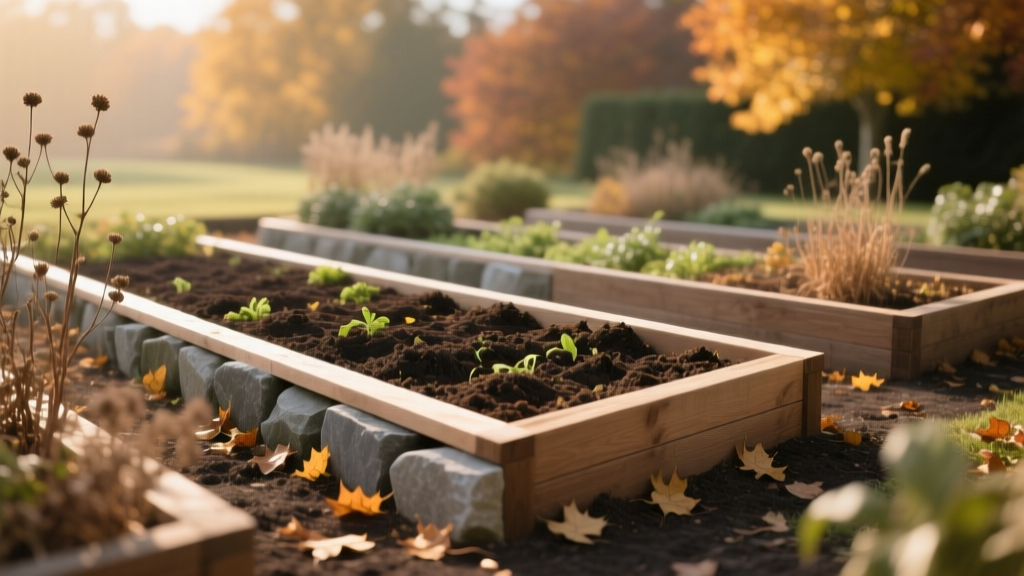
How to Prepare Garden Beds Between Seasons
The week between “last harvest” and “first hard freeze” (or between “soil finally workable” and “planting rush”) is where next season is won or lost. Beds left open to pounding rain, wind, and weeds lose structure fast. Beds cleaned and fed at the right moment carry fewer pests, warm up faster, and grow more evenly—especially in spring when every day matters. Use this guide when you’re switching from warm-season to cool-season crops, closing down for winter, or resetting beds after an early crop.
Keep one number front and center: your average frost dates. If you don’t know them, look them up today and write them on a tag in your garden shed. Many bed-prep decisions are tied to how many weeks remain before your first fall frost (or how many weeks after your last spring frost you’re working).
Right now: Your priority order (do these in sequence)
Between seasons, the best workflow is: (1) clear and assess, (2) protect soil, (3) add organic matter and correct pH, (4) plant what still fits the calendar, (5) prune and sanitize to cut disease carryover. Skipping step 2 (soil cover) is the most common mistake—bare soil is a liability in every region.
- Priority 1: Remove diseased debris, pull seed-setting weeds, harvest remaining crops
- Priority 2: Cover soil (mulch or cover crop) within 48 hours of clearing a bed
- Priority 3: Amend soil based on a soil test; otherwise add compost conservatively
- Priority 4: Plant season-appropriate crops or cover crops timed to frost and soil temp
- Priority 5: Prune only what’s appropriate now; protect perennials and irrigation
Timing anchors you can use immediately (write these down)
Use these concrete triggers to decide what to do in your beds this week:
- 6–8 weeks before first fall frost: Last call for many fast cool-season crops (leaf lettuce, spinach, radish) and for cover crops that need time to establish.
- 4 weeks before first fall frost: Focus shifts from planting to protection; prioritize soil cover and row cover readiness.
- Soil temperature 45–50°F: Many cover crops (like cereal rye) will still germinate; warm-season weeds slow down.
- First light frost (~32°F): Tender crops blacken; time to remove summer annuals and protect soil/roots.
- Hard freeze (~28°F for several hours): Drain hoses/irrigation, protect vulnerable crowns, stop most pruning except dead/damaged wood.
- Spring soil workable: Don’t rush tillage. If a squeezed handful forms a muddy ribbon, wait; working wet soil destroys structure.
What to plant (between-season crops and cover crops)
Plant quick cool-season crops if you still have time
If you’re 6–8 weeks out from your first fall frost, you still have a productive window. Target crops that mature fast or tolerate cold. In USDA Zones 3–5, that window closes quickly; in Zones 7–9, it can stretch into late fall and even winter with light protection.
- 4–6 weeks to harvest: radishes, baby greens, arugula, turnip greens
- 6–8 weeks: spinach (often overwinters in Zones 6–8 with protection), leaf lettuce, bok choy
- 8–10 weeks: carrots (baby), beets (baby), cilantro (best in cool weather)
Temperature cue: When daytime highs settle into the 60–75°F range, cool-season seedlings establish faster and bolt less than they do in late summer heat.
Plant cover crops when your planting window is too short for vegetables
Cover crops are the fastest way to “park” fertility, suppress weeds, and reduce erosion between seasons. The key is matching the species to your frost timeline and your spring plan (early planting vs. later planting).
“Cover crops help prevent soil erosion, suppress weeds, and add organic matter to the soil.” — USDA NRCS guidance on cover crops (USDA NRCS, 2014)
- Within 8–10 weeks before first frost: oats + peas (winter-kills in many cold zones), crimson clover (milder zones), annual ryegrass (check invasiveness risk locally)
- Within 4–8 weeks before first frost: cereal rye (very cold-hardy), winter wheat (less aggressive than rye), hairy vetch (best where spring termination timing is manageable)
- Very late fall (soil still ~45°F): cereal rye is often the most reliable germinator
Regional note: In Zones 3–5, oats often winter-kill after sustained freezes, leaving a tidy mulch for spring. In Zones 7–9, oats may survive; cereal rye can become vigorous—plan termination 2–3 weeks before planting spring crops.
What to prune (and what not to prune)
Prune for sanitation, not shape, between seasons
Between seasons, pruning is about removing problems that will overwinter: disease lesions, dead wood, and damaged stems. Avoid heavy structural pruning right before a hard freeze; fresh cuts can die back further in cold snaps, especially in Zones 3–6.
- Do now: remove dead/diseased stems, cut out blight-struck tomato vines, pull squash vines with mildew if they’re done producing
- Wait until late winter/early spring: major pruning of many fruit trees and summer-flowering shrubs (timing varies by species)
- Perennials: leave some seedheads/stems for winter protection and beneficial insects unless disease pressure was high
High-disease beds: be more aggressive
If you had early blight on tomatoes, downy mildew, rust, or viral issues, don’t compost infected material unless your compost reliably heats. Bag and remove, or hot-compost correctly. This reduces reinfection pressure next year—especially important where humidity stays high into fall (Gulf Coast, Mid-Atlantic, Pacific Northwest).
What to protect (soil, roots, and infrastructure)
Protect soil first: cover it within 48 hours
When a bed is cleared, rainfall impact breaks aggregates and seals the surface. Wind carries off fine particles. Weeds exploit the open space. Cover the soil immediately with one of these:
- Chopped leaves: 2–4 inches (shred if possible so they don’t mat)
- Straw: 2–3 inches (seed-free straw, not hay)
- Finished compost: 0.5–1 inch as a topdress, then a light mulch layer
- Cover crop: seed immediately after clearing and lightly rake in
In wet winter regions (Pacific Northwest, parts of the Northeast), a living cover crop often protects soil better than bare mulch alone because roots hold structure and improve infiltration.
Protect perennials and biennials at temperature thresholds
Use these thresholds as triggers:
- At 32°F (first frost forecast): cover basil, peppers still fruiting, and tender annuals if you want an extra week
- At 28°F (hard freeze forecast): mulch crowns of strawberries, young perennials, and newly planted divisions; protect rosemary/figs in marginal zones
- After several nights below 25–28°F: many pests stop active feeding; shift focus to sanitation and soil protection
Protect irrigation and bed edges
Between seasons is when leaks, clogs, and cracked fittings show up. Fixing them now prevents spring scramble.
- Drain hoses and timers before a hard freeze; store filters and quick-connects indoors.
- Flush drip lines; cap ends and check for rodent chewing.
- Re-set edging and paths so winter runoff doesn’t cut channels into beds.
What to prepare (soil testing, amendments, and bed reset)
Soil test first; amend second
Guessing at lime or fertilizer often causes more problems than it solves. Many extension services recommend routine soil testing to guide nutrient and pH adjustments. A soil test is especially valuable between seasons because labs are often less backed up than in spring, and amendments have time to react.
Extension guidance consistently emphasizes testing and targeted amendment rather than “feeding blindly.” For example, soil testing and liming recommendations are standard components of home garden nutrient management (University of Minnesota Extension, 2023; University of Massachusetts Amherst Extension, 2020).
- If pH is low: apply lime in fall so it can begin reacting before spring planting.
- If phosphorus is high: skip P fertilizers; use compost sparingly and focus on mulch/cover crops.
- If organic matter is low: add compost and plant a cover crop; don’t rely on fertilizer alone.
Compost: topdress, don’t over-till
For most home beds, a 0.5–1 inch compost topdress between seasons is enough unless you’re rebuilding severely depleted soil. Over-tilling can harm soil structure and biology. If you need to incorporate, do it lightly and only when soil is not wet.
Bed reset checklist (do this after clearing)
- Pull weeds before they set seed; remove roots of perennial weeds (bindweed, quackgrass) as fully as possible.
- Remove stakes, strings, and clips; sanitize tomato cages if disease was present (wash and disinfect).
- Rake smooth; fill low spots where water pools.
- Topdress compost; apply lime or sulfur only if indicated by a soil test.
- Cover the bed: mulch or cover crop.
- Label the bed with what grew there (crop rotation note for next year).
Between-season pest and disease prevention (do not skip)
Break pest cycles with sanitation and rotation
Many common garden problems overwinter in plant debris or soil. Between seasons is your best chance to reduce next year’s pressure without spraying.
- Tomato/pepper beds: remove all nightshade debris to reduce early blight and other foliar disease carryover; rotate away from Solanaceae for 2–3 years if disease was severe.
- Squash/cucumber beds: remove vines to reduce overwintering sites for squash bugs and disease; consider row cover early next season.
- Brassica beds: pull and dispose of clubroot-suspect plants; keep pH in the recommended range for brassicas if clubroot is known locally (soil test helps).
Leaf litter: asset or liability depending on disease pressure
Shredded leaves are one of the best between-season mulches—unless you’re mulching over active disease inoculum. If a bed had severe fungal leaf spot issues, remove the worst debris first, then mulch with clean leaves/straw.
Rodents and slugs: plan for the hidden pests
In mild-winter and coastal regions, slugs and snails stay active. Thick, wet mulch can shelter them. Use a thinner mulch layer (1–2 inches) near vulnerable seedlings, and keep bed edges tidy. In cold regions, rodents can nest under deep mulch—keep mulch pulled back from tree trunks and perennial crowns that are prone to girdling.
Monthly schedule: a between-season bed-prep timeline
Adjust these timing cues to your frost dates and USDA zone. Use it as a quick operational plan when you’re juggling harvest, cleanup, and new plantings.
| Timing window | Primary goal | Best actions in beds | Don’t waste time on |
|---|---|---|---|
| 8–10 weeks before first fall frost | Keep beds productive | Replant fast crops; seed cover crops with longer establishment time; start protecting soil in cleared beds | Heavy pruning of shrubs/trees |
| 6–8 weeks before first fall frost | Transition planting + soil cover | Seed spinach/greens; topdress compost; mulch pathways; map rotations | Leaving bare soil “until you decide” |
| 4–6 weeks before first fall frost | Protection readiness | Install hoops/row cover supports; sow cold-tolerant covers like cereal rye; remove diseased plants | Late nitrogen fertilizing for perennials |
| 0–4 weeks before first fall frost | Close down tender crops | Harvest and clear; mulch beds; drain irrigation before hard freeze; store supports | Planting slow-maturing crops |
| After hard freeze (around 28°F) | Winter stability | Final cleanup; protect crowns; check erosion points; sharpen tools for spring | Tilling wet or frozen soil |
Comparison table: mulch vs. cover crop between seasons
| Option | Best for | Watch-outs | Ideal regions/scenarios |
|---|---|---|---|
| Leaf mulch (2–4 inches) | Quick soil cover, earthworm-friendly organic matter | Can mat if unshredded; may shelter slugs in wet climates | Most home gardens; excellent where leaves are abundant |
| Straw mulch (2–3 inches) | Weed suppression, clean surface for spring | Buy seed-free; can blow in windy sites | Windy plains; beds you’ll plant early in spring |
| Compost topdress (0.5–1 inch) + light mulch | Fertility maintenance and biology support | Too much can raise P levels; not a standalone erosion shield | Intensive vegetable beds with frequent cropping |
| Cover crop (rye, oats, clover mixes) | Erosion control, nutrient capture, soil structure improvement | Needs termination plan; can delay spring planting if not managed | Slopes, heavy rain regions, larger gardens |
Real-world scenarios and regional variations (choose the one that matches your garden)
Scenario 1: Short-season, early freeze gardens (USDA Zones 3–5)
If your first fall frost commonly lands between September 15 and October 5, act earlier than you think. Prioritize winter soil protection over late planting.
- Best bet planting: radish, arugula, baby spinach under row cover; otherwise switch to cover crops fast.
- Cover crop strategy: oats/peas 8–10 weeks before frost (often winter-kills), or cereal rye 4–6 weeks before frost for reliable cover.
- Protection move: mulch garlic beds after soil cools (too-early mulch can invite rodents); aim for consistent cool nights before heavy mulching.
Scenario 2: Wet winter climates (Pacific Northwest, coastal Northeast)
If winter means long stretches of rain and saturated soil, your main enemy is compaction and erosion. Raised beds help, but only if the soil is protected.
- Do: use living roots when possible (cover crops), keep paths mulched, and avoid stepping into beds once rains start.
- Don’t: add thick, soggy mulch alone on already-wet beds; it can keep soils cold and slow spring warm-up.
- Disease prevention: remove blighted debris and improve airflow now; wet winters can preserve spores and infected residue.
Scenario 3: Mild-winter gardens with long falls (USDA Zones 8–10)
If your first frost is late (or you rarely freeze), your between-season is often “summer-to-fall” rather than “fall-to-winter.” Beds can stay productive, but pests also stay active.
- Planting window: cool-season crops often thrive when nighttime temps fall below 65°F.
- Soil protection: lighter mulches can be better than thick ones to reduce slug/snail habitat.
- Pest prevention: remove crop residues promptly; populations of aphids, whiteflies, and fungal issues can persist much longer without freezes.
Scenario 4: Heavy clay beds that crust or compact
Clay soil can be extremely productive, but only if you protect structure between seasons.
- Do: topdress compost and use cover crops with strong roots (cereal rye) to open channels.
- Don’t: till clay when wet—this creates clods that can last for years.
- Spring advantage: covered clay soils absorb water better and become workable earlier.
Fast timelines you can follow this week
If you have 2 hours today
- Pull any weeds that are flowering or seeding.
- Remove diseased plants and debris (bag if needed).
- Cover any bare soil with leaves or straw.
- Write a bed note: what grew here and any problems (blight, borers, mildew).
If you have one weekend
- Clear one bed at a time (don’t clear everything and leave it exposed).
- Topdress 0.5–1 inch compost; correct pH only if soil test indicates.
- Seed a cover crop or replant a fast cool-season crop.
- Sanitize stakes/cages; coil and store drip lines if freezing is likely.
If you’re within 4 weeks of first frost
- Stop planting anything that needs long establishment unless protected.
- Set up row cover hoops now (doing it after the first freeze is miserable and often delayed).
- Prioritize soil cover and harvesting remaining tender crops.
Extension-backed notes you can trust (and how to apply them)
Two reliable, research-based themes show up across extension recommendations: test before you amend, and use covers/mulches to protect soil. Soil testing is repeatedly emphasized for accurate liming and fertilization decisions (University of Minnesota Extension, 2023). Cover crops are widely recommended for erosion control, weed suppression, and organic matter improvements (USDA NRCS, 2014). Apply those themes directly: test now, and never leave beds bare.
If you only adopt one between-season habit, make it this: clear a bed and cover it the same day. That single practice reduces weeds, prevents crusting and erosion, and keeps your soil biology fed until you plant again.
Next time you walk the garden at dusk, look for exposed soil and unfinished cleanup around disease-prone crops. Handle those first. By the time the weather fully turns—when nights flirt with 32°F or spring rains trap you indoors—you’ll be glad your beds are already protected, labeled, and ready for the next planting window.
Citations: USDA Natural Resources Conservation Service (USDA NRCS). 2014. Cover crop guidance and benefits. University of Minnesota Extension. 2023. Soil testing and fertility management recommendations for home landscapes and gardens. University of Massachusetts Amherst Extension. 2020. Soil and nutrient management guidance for gardens and landscapes.