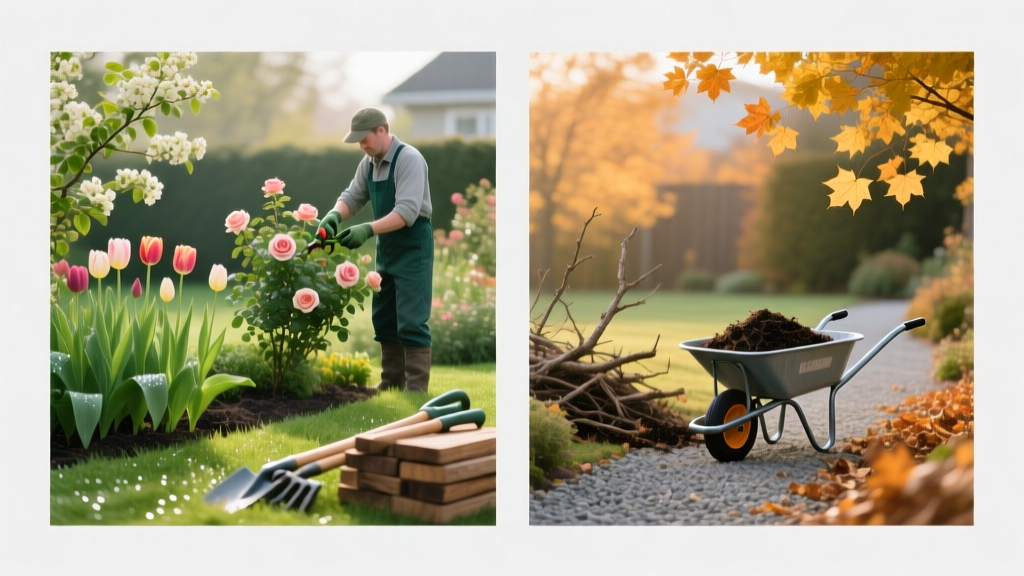
Spring vs Fall Garden Cleanup: Which Approach Works Best
If you wait until “someday” to clean up the garden, weeds get a head start, slugs set up shop, and spring planting gets delayed by a soggy tangle of last year’s stems. But if you clean too aggressively at the wrong time, you can remove overwintering beneficial insects, expose crowns to freeze-thaw damage, or trigger tender growth that gets zapped by a late frost. The best cleanup strategy isn’t a simple spring-or-fall vote—it’s a timing-and-targets plan.
Use this guide like a seasonal checklist: do the highest-impact tasks first, match cleanup to your USDA hardiness zone and frost calendar, and adjust for pest pressure and plant type. You’ll see where spring cleanup is essential, where fall cleanup prevents disease, and when “leave it” is the smartest move.
Quick decision: Spring cleanup, fall cleanup, or split cleanup?
| Garden Situation | Spring Cleanup Focus | Fall Cleanup Focus | Best Approach |
|---|---|---|---|
| High disease history (powdery mildew, black spot, blight) | Remove remaining infected debris before buds break | Remove and dispose of infected leaves/stems; sanitize tools | Fall-heavy + spring follow-up |
| Pollinator-friendly/perennial beds with hollow stems | Cut back after consistent warm-up (50°F/10°C days), leave 8–18 inches temporarily | Leave most stems/leaves standing for overwintering habitat | Spring-light, habitat-minded |
| Vegetable garden with annual crops | Clear beds early; prep soil; start peas/spinach | Remove spent crops; compost only if disease-free; cover crop | Split cleanup |
| Rodent/small mammal issues under mulch | Pull mulch back from crowns; inspect for girdling | Avoid thick mulch against trunks; clean up hiding places | Fall cleanup + spring inspection |
| Heavy clay soil / waterlogged spring yard | Minimal traffic until soil passes “squeeze test”; focus on debris removal from paths | Topdress with compost; add leaves as winter mulch | Fall soil-building |
“Clean up and dispose of diseased plant material to reduce inoculum for next season.” — Cornell Cooperative Extension (2019), home gardening disease management guidance
Timing that matters (use these numbers)
Cleanup success is less about the month name and more about measurable cues. Anchor your plan to these thresholds and dates:
- 2–4 weeks before your average last spring frost date: start spring cleanup in earnest (cool-season beds, paths, tool prep).
- When daytime highs are consistently near 50°F (10°C): many beneficial insects begin to stir; delay full perennial cutback until this point if you’re protecting overwintering pollinators.
- Soil temperature 40–45°F (4–7°C): peas and spinach can be sown in many regions; cleanup should be far enough along that you can access beds.
- After first fall frost (often 28–32°F / -2 to 0°C): tender annuals collapse; this is a prime moment for targeted fall cleanup of vegetables and disease-prone ornamentals.
- 6–8 weeks before the first fall frost: stop nitrogen-heavy fertilizing and avoid hard pruning of woody plants that would push tender growth.
Find your local frost dates (average last and first frost) and then work backward by weeks. In USDA Zones 3–5, that may mean spring cleanup ramps up in late March to April. In Zones 8–10, spring cleanup may begin as early as February, while fall cleanup can extend into December.
Priority 1: What to protect (because cleanup can hurt)
Protect pollinators and beneficial insects in perennial beds
If you garden with coneflowers, bee balm, Joe-Pye weed, asters, ornamental grasses, or native perennials, “messy” can be functional. Many beneficial insects overwinter in leaf litter or hollow stems. A practical compromise is a staged spring cleanup:
- Early spring (2–4 weeks before last frost): remove only what blocks emerging bulbs, smothers crowns, or invites disease (matted leaves, slimy debris).
- When highs stabilize around 50°F (10°C): cut back last year’s stems. If you want to support stem-nesting bees, cut stems to 8–18 inches and leave them standing for a few more weeks before final trimming.
This approach keeps beds tidy enough to prevent rot while leaving habitat long enough for beneficials to wake up and exit.
Protect tree and shrub bark from mulch and rodents
Fall is when gardeners often “tidy up” by piling mulch around trunks—then discover girdling damage in spring. In both fall and spring cleanup, keep mulch 3–6 inches away from trunks and avoid volcano mulching. If voles are common in your area, reduce thick winter habitat right up against woody stems.
Protect soil structure (especially in spring)
Spring cleanup can do more harm than good if you work wet soil. Use the squeeze test: grab a handful of soil—if it forms a sticky ball that doesn’t crumble when poked, stay off the beds. Focus on debris removal from paths and edges, and wait to cultivate until soil is friable.
Priority 2: What to prepare (beds, tools, and soil)
Spring prep: clear access, then prep seedbeds
Spring cleanup should first restore access and workflow. Start with what gets you planting sooner:
- Rake or blow debris off paths to reduce slipping and soil compaction.
- Pull winter mulch back from crowns of perennials to prevent rot, but keep it nearby in case a cold snap is forecast.
- Topdress beds with 1–2 inches of compost once soil is workable.
- Refresh labels, stakes, and supports now—before plants flop.
Tool sanitation matters more than most gardeners think. If you had disease issues last year, disinfect pruners between plants. The University of Minnesota Extension recommends sanitizing tools to reduce disease spread (University of Minnesota Extension, 2020).
Fall prep: build soil and suppress winter weeds
Fall cleanup is your best time to improve next year’s soil with the least disruption. After removing spent crops (and disease material—more on that below), choose one:
- Cover crops (rye, oats/peas mix, crimson clover where appropriate) to prevent erosion and scavenge nutrients.
- Leaf mulch (shredded leaves) over empty beds to protect soil biology and reduce spring mud.
If you struggle with spring weeds, fall is when you can win: remove mature weeds before they set seed and cover bare soil. A light mulch layer going into winter often means far less chickweed and henbit in early spring.
Priority 3: What to prune (and when spring beats fall)
Spring pruning: the “safe default” for many woody plants
In cold-winter regions (USDA Zones 3–6), spring pruning is often safer because you can see winter dieback and avoid stimulating tender growth before deep cold. Practical timing:
- Late winter to early spring: prune most shade trees and many shrubs while still dormant, ideally before bud break.
- After flowering: prune spring-flowering shrubs (lilac, forsythia, azalea) right after blooms fade, or you’ll remove next year’s flower buds.
Fall pruning can invite dieback in colder climates. A good fall rule: remove dead, damaged, or diseased wood anytime, but save shaping and size reduction for late winter/early spring unless you’re in a mild-winter zone.
Perennials: cut back selectively in fall, finish in spring
Fall cutback is helpful for plants that collapse into a wet mat (which can foster rot) and for anything with persistent disease. But leaving some structure can catch snow and insulate crowns in Zones 3–5. Consider this split approach:
- Fall: cut down diseased foliage; remove mushy stems; leave sturdy stems and seedheads for winter interest and wildlife.
- Spring: finish cutback when consistent 50°F (10°C) days arrive.
Priority 4: What to plant (cleanup that leads directly to planting)
Early spring planting: cool-season crops and tough transplants
If you’re deciding between spring and fall cleanup, remember: spring cleanup is often justified because it unlocks planting windows. In many regions, you can plant as soon as soil is workable and temperatures cooperate:
- At soil 40–45°F (4–7°C): sow peas, spinach, radishes, and some lettuces.
- 2–4 weeks before last frost: transplant hardened-off brassicas (broccoli, cabbage) in many gardens, using row cover if nights dip below 32°F (0°C).
A simple spring strategy: clean one bed completely, plant it, then move to the next. This prevents “cleanup paralysis” and gets food growing.
Fall planting: garlic, bulbs, and hardy perennials
Fall cleanup shines because it creates room for fall planting and reduces spring workload:
- Garlic: plant about 2–4 weeks before the ground freezes (timing varies by zone; often October in Zones 4–6).
- Spring bulbs: plant when soil has cooled but not frozen—often when temps settle below about 60°F (16°C) in many climates.
- Perennials and shrubs: early fall is excellent in many regions because roots grow while tops slow down, but avoid planting too late where the ground freezes early.
Pest and disease prevention: what cleanup to do in each season
Spring: disrupt hiding places and start clean
Spring cleanup helps you intercept problems before they multiply:
- Slugs and snails: remove boards, dense debris, and leaf mats near susceptible plants; set traps early.
- Overwintered fungal spores: remove last year’s infected leaves under roses and fruit trees. Compost only if your pile gets hot; otherwise, bag and discard.
- Apple scab/rose black spot: sanitation is a major lever—remove fallen leaves. This is widely recommended by extension services as a key cultural control (Penn State Extension, 2021).
If you had severe disease last year, treat spring cleanup like resetting the playing field: sanitize stakes/tomato cages, remove volunteer plants, and rotate crop families where possible.
Fall: remove disease reservoirs and reduce spring inoculum
Fall is often the best time for disease control because you can remove the problem before it overwinters:
- Tomatoes, squash, cucumbers: pull vines promptly after production declines and/or after first frost. Do not compost plants with blight, downy mildew, or heavy powdery mildew unless you are confident your compost heats thoroughly.
- Fruit tree leaves: rake and remove if scab or leaf spot was present.
- Iris borer and iris leaf spot: cut and discard old iris foliage in fall to reduce overwintering sites.
Targeted removal beats blanket stripping. Keep healthy leaf litter where it isn’t causing disease issues—especially in ornamental beds meant to support beneficial insects.
Monthly schedule: a practical cleanup timeline
| Month | Spring Cleanup Priorities | Fall Cleanup Priorities |
|---|---|---|
| March–April (or 2–4 weeks before last frost) | Clear paths; pull mulch from crowns; remove matted leaves; prep one bed at a time; sow at soil 40–45°F | N/A |
| May (after last frost for many Zones 4–6) | Finish perennial cutback after consistent 50°F days; set supports; transplant warm-season crops after nights stay above 50°F in many areas | N/A |
| September | N/A | Remove diseased annuals; start leaf collection/shredding; sow cover crops; divide perennials in early month where appropriate |
| October (or 2–4 weeks before ground freeze) | N/A | Plant garlic; plant bulbs; cut back diseased perennials; protect tender plants before first 28–32°F frost |
| November–December (Zones 7–10 may extend later) | N/A | Mulch after soil cools; protect trunks from rodents; store hoses; sanitize and store stakes/cages |
Regional reality checks: 3+ scenarios you can match to your garden
Scenario 1: Cold-winter gardens (USDA Zones 3–5) with late frosts
In these zones, fall cleanup should be selective. Leaving some stems and light leaf cover helps trap snow and insulate crowns. Prioritize fall removal of diseased vegetable debris and any foliage that turns into a soggy mat. Save major perennial cutbacks for spring, but don’t wait so long that you can’t see emerging bulbs.
Timing tip: Plan spring cleanup to start about 3–4 weeks before your average last frost, but keep frost cloth handy. Late freezes happen.
Scenario 2: Mild-winter gardens (USDA Zones 8–10) with long growing seasons
In warm zones, fall cleanup can be more aggressive because you’re less dependent on snow insulation, and pests can overwinter more easily. Removing hiding places for insects and fungal carryover is often worth it. Spring comes early—cleanup may start in February—so stay ahead of weeds and flush growth.
Timing tip: When winter weeds are actively growing, treat late winter as your “spring” cleanup window: remove seedheads before they mature and mulch promptly.
Scenario 3: Wet springs and heavy clay soils (common in parts of the Midwest and Northeast)
If your beds stay saturated, spring cleanup should focus on what you can do without stepping into mud. Remove debris from edges, prune from firm ground, and delay cultivation. Fall cleanup is where you get ahead: topdress with compost, add shredded leaves, and consider raised rows or beds to speed spring warming and drainage.
Timing tip: Don’t till or dig when soil is sticky. Compaction lasts longer than weeds.
Scenario 4: Fire-prone or drought-prone regions (parts of the West)
In these areas, fall cleanup can reduce fire risk by removing dry annual grasses and dead stems near structures. Keep mulch away from foundations and don’t allow dry debris to accumulate under shrubs. Spring cleanup still matters for pest and disease, but fire safety often shifts priorities toward late-summer and fall removal of cured fuels.
Action checklists: do the right cleanup at the right time
Spring cleanup checklist (ranked by payoff)
- Week 1 (about 4 weeks before last frost): clear paths; remove matted leaves from crowns; pull obvious winter annual weeds before they seed.
- Week 2–3: sanitize pruners; remove diseased debris; set up compost area; prep one planting bed.
- Week 3–4: sow cool-season crops at soil 40–45°F; install supports; refresh mulch lightly (not against stems).
- After consistent 50°F days: finish perennial cutback; divide or transplant hardy perennials if needed; monitor slugs.
Fall cleanup checklist (ranked by disease prevention)
- 6–8 weeks before first frost: stop heavy nitrogen feeding; remove failing/diseased vegetable foliage to slow spread.
- After first 28–32°F frost: pull tender annuals; remove tomato/squash debris; empty and clean containers.
- 2–4 weeks before ground freeze: plant garlic and bulbs; apply rodent-safe trunk guards where needed; mulch after soil cools.
- Late fall: rake diseased leaves (especially under roses/fruit trees); store stakes/cages clean and dry.
So which approach works best right now?
If it’s spring in your garden today, prioritize access + planting + targeted sanitation. Don’t strip every stem in perennial beds the moment the snow melts—wait for that consistent warm-up near 50°F (10°C) before finishing cutbacks, and keep soil structure intact by staying off wet beds. Spring cleanup is about getting momentum without waking up problems.
If it’s fall right now, lean into disease prevention + soil building. Remove diseased vegetable vines and spotted leaves before they become next year’s infection source, then cover bare soil with a cover crop or shredded leaves. Fall cleanup is where next spring’s workload gets cut in half—and where many pest and disease cycles get broken.
The most reliable strategy for most home gardens is a split cleanup: clean hard where disease and pests overwinter, and clean light where plants and beneficials need winter cover. Do that, and you’ll enter both spring and fall with a garden that’s easier to manage, faster to plant, and less prone to the same problems repeating.
Sources: Cornell Cooperative Extension (2019), disease sanitation recommendations for home gardens; Penn State Extension (2021), garden sanitation and disease management; University of Minnesota Extension (2020), cleaning and sanitizing garden tools to reduce disease spread.