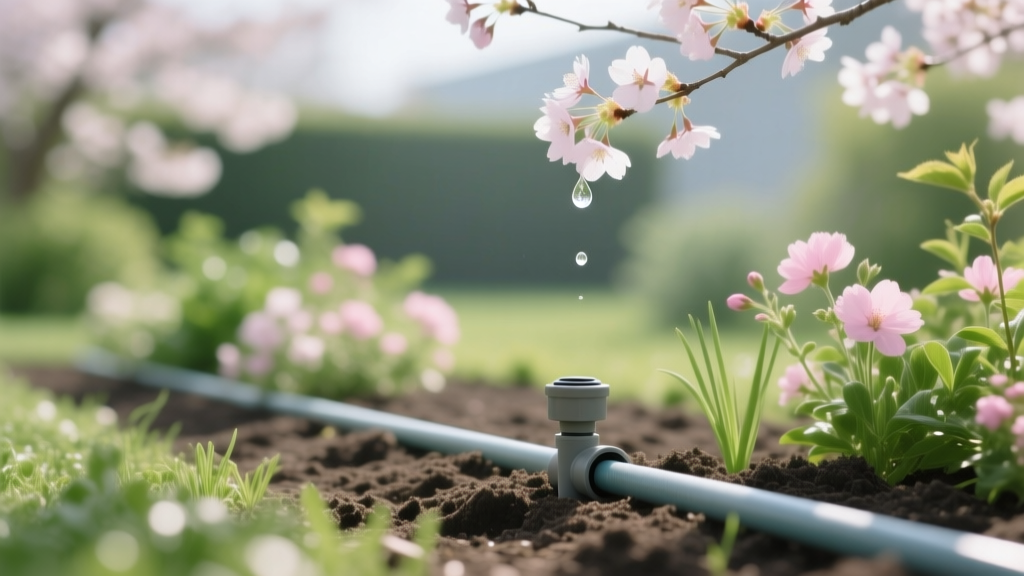
Spring Garden: Installing Drip Irrigation Before Heat
The window is short: once daytime highs start stacking above 85°F and wind picks up, hand-watering turns from a pleasant routine into damage control. Installing drip irrigation in spring is one of the few garden projects that pays off immediately—stronger transplants, fewer disease issues on leaves, and far less water wasted to evaporation. Aim to get your drip system installed and tested 2–4 weeks before your typical first heat wave so you can troubleshoot calmly, not while plants wilt.
Use your local last frost date as the anchor. In many areas, the sweet spot lands between 2 weeks before and 3 weeks after the last frost—when beds are being planted, but soil is still workable and you can lay lines without stepping on large plants. If you don’t know your frost date, check your county extension calendar and match it to your USDA hardiness zone.
Priority 1: Install and test drip irrigation before consistent heat
Timing targets you can use right now
Pick the target that fits your region and spring pattern:
- 2–3 weeks before last frost: install mainlines and headers while beds are open; hold off on micro-emitters until planting layout is final.
- At last frost: connect drip to planted beds; test for leaks and pressure issues.
- When soil temperatures hit 55–60°F: warm-season beds begin planting—finalize emitter placement so transplants establish evenly.
- Before daytime highs repeatedly exceed 85°F: your “no excuses” deadline for drip to be fully functional.
- Before a forecasted 90°F stretch: switch from test cycles to a steady schedule to prevent transplant shock.
Drip system blueprint (simple, reliable, expandable)
For most home gardens, a modular layout is easiest to repair and adjust through the season:
- Backflow prevention (required in many areas) at the spigot or supply line.
- Filter (150–200 mesh for micro-irrigation) to keep emitters from clogging.
- Pressure regulator (often 25 PSI for dripline, 10–20 PSI for micro-sprays; check product specs).
- Header line (1/2" poly tubing) running along bed edges or down the center walkway.
- Zone valves/timers so raised beds, containers, and in-ground beds can run different durations.
- Distribution: inline dripline for rows and beds; button emitters for containers and individual shrubs.
- End caps/flush valves at line ends for maintenance.
Research-backed reminder: “Drip irrigation applies water directly to the soil and can reduce foliar wetness, helping reduce some plant diseases.” (University of Minnesota Extension, 2021)
Spacing and flow: fast rules that prevent 80% of problems
Drip works when water overlaps in the root zone. Use these starting points, then adjust based on soil texture:
- Vegetable beds with dripline: 0.5 GPH emitters spaced 12" (sandy) to 18" (loam) to 24" (clay/raised beds with rich soil). Place lines 12" apart for dense plantings, 18" apart for wider rows.
- New transplants (tomatoes, peppers, cucumbers): add one 1 GPH emitter near the root ball for the first 2 weeks, then rely on dripline as roots expand.
- Containers: use 0.5–1 GPH emitters; two emitters per large pot often beats one (more even wetting).
- Shrubs/berries: start with 2–4 emitters around the drip line, not at the trunk/crown.
Real-world scenarios: how spring drip changes by region
Scenario A: Cool spring, late planting (Upper Midwest, Northeast; Zones 3–6)
If your last frost is commonly in late April to mid-May, you can install the header line while beds are empty, then punch in connectors as you plant. Plan for spring winds: stake tubing and cover with mulch after testing so lines don’t migrate. If nights are still dipping near 32°F, keep the timer off and water manually only as needed to avoid over-saturating cold soils.
Scenario B: Spring heat spikes and low humidity (Interior West, High Plains; Zones 4–7)
Your emergency isn’t frost—it’s a sudden run of 90°F days with drying wind. Install early, and add a second zone for containers and raised beds (they dry faster). Use a pressure regulator and a filter; hard water and fine sediment clog micro-irrigation quickly. Consider a weekly flush routine from day one.
Scenario C: Humid springs and disease pressure (Southeast; Zones 7–9)
Drip helps you avoid wet leaves, which matters when fungal spores wake up with warm nights. Prioritize drip in tomatoes, cucurbits, and roses. Water early morning so surfaces dry quickly if splashing occurs. Keep mulch 2" away from stems to prevent crown rot. If your spring rains are frequent, use the timer’s “rain delay” and avoid watering on autopilot.
Install checklist (do this in one focused weekend)
- Sketch bed dimensions and decide zones (veggies, perennials, containers).
- Measure water source-to-bed distance; purchase 10–15% extra tubing for changes.
- Install backflow preventer, filter, and pressure regulator at the source.
- Lay header tubing, stake every 3–4 feet, avoid tight bends.
- Connect dripline or micro-tubing, cap ends, and label zones.
- Flush each zone for 2–3 minutes before adding emitters (removes debris).
- Run a 20-minute test cycle; walk lines and fix leaks immediately.
- After planting, pin lines in place and mulch lightly over dripline (not over fittings).
Testing and troubleshooting timeline (first 10 days)
- Day 1: pressure test and leak check; confirm emitters flow evenly at far ends.
- Day 2–3: re-check after temperature changes; tubing expands and fittings can loosen.
- Day 5: dig a small inspection hole 6" from an emitter after watering—soil should be moist 4–6" deep for most vegetables.
- Day 7–10: adjust duration based on plant response; don’t change frequency daily—give plants time to show you what’s working.
Priority 2: What to plant now (and how drip changes spring planting)
Planting windows tied to frost dates and soil temperature
Use these thresholds to time plantings and set drip schedules:
- 2–4 weeks before last frost: peas, spinach, lettuce, radish; set dripline but run short cycles only if rain is lacking.
- At last frost to +2 weeks: brassicas (broccoli, cabbage), beets, carrots; keep moisture consistent for germination—drip is ideal.
- When soil reaches 60°F: beans, squash, cucumbers (direct sow); ensure even wetting so seeds don’t rot or stall.
- When nights stay above 50°F (common threshold for tomatoes/peppers): transplant warm-season crops; set a gentle, frequent schedule for the first 10–14 days.
Newly seeded rows benefit from short, frequent pulses to keep the top inch of soil evenly moist until germination. After seedlings establish, shift to deeper, less frequent watering to encourage roots to chase moisture downward.
Warm-season transplants: a drip-first method
Transplant shock spikes when the root ball dries even once during the first week. Set your drip schedule before planting day:
- Water planting holes first (especially in raised beds).
- Plant, then run drip for 20–40 minutes (duration depends on emitter flow and soil).
- For the next 7 days, water often enough that the root ball never goes bone-dry.
- After day 10–14, start lengthening the soak and reducing frequency.
Priority 3: What to prune (so irrigation and airflow work together)
Prune with tomorrow’s heat and disease pressure in mind
Drip reduces leaf wetness, but it doesn’t fix poor airflow. Spring pruning is your chance to prevent a mid-summer mildew outbreak or tomato jungle that’s impossible to water evenly.
- Fruit trees: finish structural pruning before bloom in colder areas, or shortly after bloom in milder climates. Keep canopies open so leaves dry quickly after rain.
- Raspberries/blackberries: remove winter-killed canes and thin for airflow; drip placed along the row prevents wet foliage.
- Roses: remove dead wood and crossing stems. In humid regions, sanitation now lowers black spot pressure later.
- Tomatoes (after planting): plan support early (stakes/trellis) so drip lines aren’t disturbed later; prune suckers selectively for airflow if you grow indeterminate types.
Sanitation rule: disinfect pruners when moving between plants, especially if you suspect bacterial issues. A quick wipe with 70% alcohol is practical and fast.
Priority 4: What to protect (frost, wind, pests, and disease)
Protect plants from late cold snaps without overwatering
Spring weather swings can trick you into watering too much. Cold, saturated soil slows roots and invites rot. If a frost is forecast near 32°F after planting, use row cover or frost cloth overnight rather than trying to “warm” plants with extra water.
- Cover tender transplants when nighttime lows dip below 36°F.
- Remove covers in the morning once temperatures rise above 45°F to prevent overheating.
Early-season pest and disease prevention that pairs with drip
Drip irrigation supports prevention because it keeps foliage drier and reduces splash-up of soil pathogens—if you also manage mulch and spacing.
- Slugs/snails (cool, wet springs): avoid evening watering; place drip so the surface dries by nightfall. Use boards or traps to monitor weekly.
- Aphids (tender spring growth): check undersides of leaves every 3–4 days on brassicas and roses; treat early with a strong water spray (morning) or insecticidal soap if needed.
- Damping-off in seedlings: don’t keep seedbeds constantly soaked. Water lightly and ensure air movement; thin seedlings promptly.
- Powdery mildew (dry days, cool nights): prevent dense canopies; keep watering consistent to reduce stress. Drip helps by avoiding overhead watering, but airflow is still essential.
- Blossom end rot (tomatoes/peppers): it’s strongly tied to inconsistent moisture. Drip is one of the best tools to prevent the drought-to-flood cycle.
Extension guidance consistently emphasizes matching irrigation to crop needs and avoiding wasted water. The University of California Agriculture and Natural Resources notes that drip irrigation can improve water-use efficiency by applying water directly to the root zone (UC ANR, 2020). For home gardens, the practical takeaway is simple: water the soil, not the air, and keep it consistent during establishment.
Priority 5: What to prepare (soil, mulch, scheduling, and maintenance)
Mulch after testing: the spring sequence that prevents rework
Mulch is a drip system’s best partner—but install in the right order:
- Lay and test tubing first (leaks are easy to spot on bare soil).
- Plant and adjust emitter placement.
- Add 1.5" to 3" mulch (straw, shredded leaves, fine bark), keeping it back from stems.
- Re-test once mulch is down to confirm nothing shifted.
Mulch reduces evaporation, moderates soil temperature, and helps maintain a steady moisture curve—exactly what you want before hot weather hits.
Monthly schedule: spring drip setup and garden tasks
| Timeframe | Drip Irrigation Actions | Plant/Prune/Protect Actions |
|---|---|---|
| Late winter to 4 weeks before last frost | Map zones; buy parts; install backflow/filter/regulator; lay header line on warm days | Prune dormant fruit trees (where appropriate); clean beds; start seeds indoors |
| 2 weeks before last frost | Lay driplines; stake; flush lines; run pressure test | Direct sow cool-season crops; protect seedlings from cold nights |
| Last frost week | Finalize emitters around new plantings; set timer to manual while weather is variable | Transplant hardy starts; monitor slugs and aphids; thin seedlings |
| 1–3 weeks after last frost | Convert to consistent schedule; adjust run times based on soil inspection; mulch over lines | Plant warm-season crops as soil warms (55–60°F+); trellis early; prune for airflow |
| Before first 85–90°F stretch | Lock in summer-ready schedules; add a second zone for containers; set weekly flush reminder | Shade cloth ready for tender greens; increase pest scouting; remove diseased leaves promptly |
Set a spring watering schedule (starter settings you’ll adjust)
Your exact run time depends on emitter flow, soil type, and plant size. Use this as a starting structure, then verify with a quick trowel check:
- New transplants (first 10–14 days): shorter runs, more often (e.g., every 1–2 days if dry/windy).
- Established vegetables: longer soaks, less often (e.g., 2 times per week), aiming to moisten 6" deep.
- Containers: expect more frequent watering once days exceed 80°F, sometimes daily in sun.
Check irrigation depth the old-fashioned way: water, wait 30 minutes, then dig 4–6" down near (not on top of) an emitter. Adjust duration until moisture reaches the active root zone.
Maintenance that prevents mid-summer failures
- Flush lines weekly for the first month if your water has sediment, then monthly once stable.
- Clean the filter every 2–4 weeks in spring; pollen and debris load filters quickly.
- Walk the system every 7 days: look for popped fittings, chewed lines, and dry spots.
- Keep spare parts: couplers, goof plugs, tees, end caps, and a punch tool save a trip mid-heat.
Fast decision guide: dripline vs. emitters vs. micro-sprays
Most gardens need more than one delivery method. Use this comparison to choose quickly:
| Method | Best For | Strength | Watch Out For |
|---|---|---|---|
| Inline dripline | Raised beds, rows, dense plantings | Even coverage; fast installation | Hard to customize per-plant; spacing must match soil type |
| Button emitters (0.5–2 GPH) | Tomatoes, peppers, shrubs, containers | Precise, adjustable per plant | Clogs if filtration is poor; needs periodic checking |
| Micro-sprays/misters | Seedbeds, greens, establishing groundcovers | Good surface wetting for germination | More evaporation; can wet foliage (disease risk in humidity) |
Spring “right now” timeline (printable task list)
This week
- Confirm last frost date and your USDA zone; mark a 2–4 week installation window.
- Measure beds and choose zones (at minimum: vegetables vs. containers).
- Buy or assemble: backflow preventer, filter, regulator, tubing, fittings, stakes, end caps.
- Prune obvious dead wood and remove winter debris that can harbor pests.
Next week
- Lay header tubing and dripline; flush and pressure-test.
- Direct sow cool-season crops and set gentle watering as needed for germination.
- Scout for slugs and aphids; start early intervention before populations explode.
Within 3 weeks (or before the first 85°F week)
- Finalize emitter placement for warm-season transplants.
- Mulch after the system is proven leak-free.
- Set a repeating maintenance reminder: filter cleaning and a weekly walk-through.
Spring is when irrigation choices echo all summer. Install drip while you can still move freely in beds, test it while weather is mild, and let the first hot week arrive to a garden that’s already running on a steady, root-focused watering plan. Sources: University of Minnesota Extension (2021), Micro-irrigation and garden watering guidance; University of California Agriculture and Natural Resources (2020), drip irrigation efficiency and root-zone application principles.