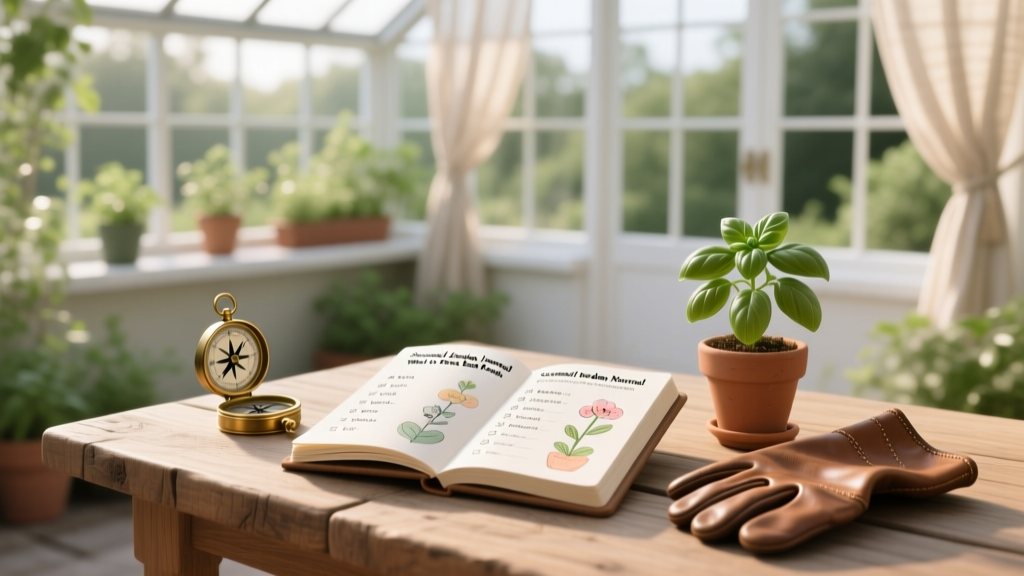
Seasonal Garden Journal: What to Track Each Month
The gardeners who get the best harvests and the fewest surprises aren’t always the ones with the fanciest tools—they’re the ones who can answer, quickly: “When did I last fertilize?”, “What temperature did the tomatoes stall at?”, and “Which bed had blight first?” A seasonal garden journal turns good instincts into repeatable results. Start this week: pick one notebook (or notes app) and commit to a 10-minute check-in once a week plus a short monthly summary.
This guide lays out what to track each month, organized by priority: what to plant, what to prune, what to protect, and what to prepare. Use it like an almanac: match tasks to your last spring frost date, first fall frost date, and USDA hardiness zone, then record what actually happened in your garden.
Your journal setup: the four pages that make everything easier
Before the month-by-month plan, set up four reusable sections. These keep your notes actionable instead of random.
- Frost & temperature page: last spring frost date, first fall frost date, and local thresholds you care about (ex: tomato growth slows below 55°F at night; many warm-season crops suffer near 50°F). Record first/last freeze events each year.
- Planting map: quick bed sketches with crop/variety, planting date, spacing, and succession notes.
- Pest/disease log: first sighting date, location, weather conditions, treatment, and result.
- Inputs & yields: compost added (inches), fertilizer rate, irrigation frequency, harvest weights/counts, and flavor notes.
Timing rule that keeps you honest: journal weekly, then do a monthly “reset” on the first weekend of the month. If you garden in USDA Zones 3–5, your monthly focus skews later in spring and earlier in fall; in Zones 8–10, your “reset” is more about heat planning and winter growing.
Monthly schedule at a glance (what to track first)
| Month | What to Plant (track date + soil temp) | What to Prune (track bud stage) | What to Protect (track lows + pests) | What to Prepare (track materials + notes) |
|---|---|---|---|---|
| Jan | Indoor seed inventory; onion/slow herbs in warmer zones | Tool cleanup only; avoid pruning spring-flowering shrubs | Rodent checks; freeze protection logs | Order seed; soil test plan |
| Feb | Start leeks/onions (Zones 6–8); early brassicas indoors | Late winter fruit tree pruning (dormant) | Cover plants on nights <28°F | Bed plan + rotation map |
| Mar | Peas, spinach, radish when soil workable; potatoes late month | Roses, grapes (as buds swell) | Slug monitoring begins; row cover ready | Compost topdress; irrigation check |
| Apr | Cool-season transplants; sow carrots/beets | Remove winter-damaged stems | Frost cloth for surprise 32°F nights | Mulch plan; trellis setup |
| May | Warm-season after last frost + soil >60°F | Pinch herbs/annuals; deadhead spring bloomers | Cutworm collars; harden off schedule | Stake tomatoes early; drip lines |
| Jun | Successions: beans, basil, squash; late corn | Summer prune stone fruit lightly if needed | Powdery mildew watch; water consistency | Shade cloth plan for heat spikes |
| Jul | Start fall brassicas indoors (Zones 3–7) | Remove diseased leaves; don’t shear stressed shrubs | Heat protocols; spider mite checks | Record yields; plan fall beds |
| Aug | Direct sow fall carrots, beets; transplant brassicas | Prune after fruiting (berries) | Hornworm scouting; sunscald prevention | Cover crop seed order |
| Sep | Garlic in cold zones late month; greens | Stop major pruning (cold zones) | Row cover as nights hit 40s°F | Clean beds; compost/log soil notes |
| Oct | Garlic prime month (Zones 3–7); overwinter onions | Perennial cutbacks only after frost (as needed) | First frost prep; store hoses | Leaf mold pile; tool maintenance |
| Nov | Cover crops (rye/vetch) where mild; bulbs | Avoid stimulating growth; remove hazards | Mulch crowns after hard freeze | Review pest log; plan rotations |
| Dec | Microgreens; indoor herbs | None except damaged limbs | Check wraps/guards; moisture in winter pots | Annual journal summary |
January: set baselines that prevent chaos later
What to plant (Priority 1)
Track what you can realistically start and maintain indoors. If you have strong lights and room, record germination rates for slow starters (rosemary, celery) and note which seed lots are old. In mild-winter areas (USDA Zones 9–10), you may still be sowing leafy greens outdoors—write down weekly highs/lows to connect bolting with warm spells.
What to prune (Priority 2)
Only remove broken branches after storms. Journal any winter dieback and the likely cause (wind desiccation vs. root issues). Avoid pruning spring-flowering shrubs now if you want blooms.
What to protect (Priority 3)
Log freeze events and responses. Note nights below 28°F (serious freeze) and whether covers helped. Track rodent activity around mulched beds and fruit trees; install trunk guards and record damage locations for pattern spotting.
What to prepare (Priority 4)
Schedule a soil test now so you’re not guessing with fertilizer later. University extension programs consistently recommend soil testing to guide lime and nutrient applications rather than “blanket feeding.”
February: pruning window + seed-starting decisions
What to plant
Start onions/leeks indoors 10–12 weeks before your last frost; write the date you sowed and the room temperature (aim for 65–75°F for many seedlings). If you’re Zone 7–8, you may start early brassicas indoors now for March/April transplanting.
What to prune
Late winter is a prime time to prune many dormant fruit trees. Record: variety, pruning date, and weather. If you’ve struggled with disease, note branch angles and airflow changes you create—this connects pruning choices to summer disease pressure.
“Pruning during dormancy helps you see structure clearly and reduces the risk of spreading some diseases compared with pruning during wet growing conditions.” — Extension pruning guidance summarized from university horticulture programs
What to protect
Track late freezes and fluctuating temperatures. If warm spells trigger early bud swelling, note the date—later you’ll know why peach or apple blossoms were vulnerable. Protect tender citrus (Zones 8–10) when forecasts drop near 32°F, and log how long the cold lasted (hours matter).
What to prepare
Finalize your rotation map. Write where tomatoes, peppers, potatoes, and eggplant were planted last year—this matters for soilborne diseases. North Carolina State Extension notes that crop rotation is a key strategy to reduce disease and nematode pressure over time (NCSU Extension, 2022).
March: the month to start tracking soil workability and early pests
What to plant
As soon as soil is workable (crumbles rather than smears), record your first direct sowings: peas, spinach, radishes. Track soil temperature if you can; many gardeners use 45–50°F soil as a functional threshold for early sowing success in cool-season crops. Plant potatoes in many regions in late March or early April; record seed piece source and whether you chit/sprout beforehand.
What to prune
Finish dormant pruning if you haven’t. For roses, note bud swell stage and prune date. For grapes, record bleeding (sap flow) if you prune late—this helps you plan earlier next year.
What to protect
Begin slug monitoring as soil warms and spring rains start. Log first sightings and conditions (wet mulch, dense groundcovers). If you use iron phosphate baits, record application date and re-check after 7 days.
What to prepare
Topdress beds with compost (record depth: 1 inch is a common annual maintenance rate for many home gardens). Note which beds get compost and which get none—this is how you learn what compost actually changes in your yields.
April: transplant timing and frost surprises
What to plant
In Zones 5–7, April is peak cool-season transplant time: lettuce, brassicas, onions. Track transplant dates and nighttime lows; cold snaps can stall growth. Direct sow carrots and beets; note germination time (carrots often take 10–21 days depending on temperature and moisture consistency).
What to prune
Prune winter-killed stems back to living tissue; document which varieties show dieback in your microclimate (north-facing bed, windy corner). This becomes your “hardiness reality check,” which can differ from your official USDA zone.
What to protect
Keep frost cloth ready through your average last frost date. If your last frost is around April 15 (common in parts of Zone 7) or May 15 (common in cooler Zone 5 areas), track any freezes after that date—those are the events that justify better covers next year.
What to prepare
Install trellises before plants need them. Record where you place supports; later you’ll see which beds had airflow issues and more powdery mildew.
May: the fast shift from “safe” to “too late”
What to plant
Warm-season crops go in after the danger of frost and when soil has warmed. Track two numbers: your actual planting date and soil temperature. A practical benchmark: transplant tomatoes and peppers when soil is consistently above 60°F and nights stay above 50–55°F. If you plant earlier “because it’s warm today,” write it down—then you’ll know if that early start really paid off or just stalled plants for three weeks.
Regional scenario #1: Coastal cool-summer gardens (Pacific Northwest, marine climates). Even without frost, cool nights can keep tomatoes sluggish. Track nighttime lows and first flower date; consider quicker varieties and wall-of-water protection if nights sit below 55°F through late May.
What to prune
Pinch basil and annuals early to encourage branching; note pinch date and resulting growth. Deadhead spring bloomers after flowering if needed—record whether you cut lightly (just spent blooms) or hard (shape pruning), because that affects next year’s bloom set on some shrubs.
What to protect
Start cutworm protection at transplant: collars or barrier methods. Record damage dates and which beds are hit—cutworms often repeat in the same areas. Clemson Cooperative Extension emphasizes integrated pest management (IPM) strategies—monitoring first, then targeted controls rather than routine spraying (Clemson Extension, 2021).
What to prepare
Put stakes/cages in with tomatoes at planting and log the support type. This one note can explain later breakage, sunscald, and disease outbreaks linked to foliage crowding.
June: consistency is your biggest yield booster
What to plant
Plan successions: bush beans every 2–3 weeks, basil monthly, and a second sowing of cucumbers if the first struggles. Record sowing intervals so you can match production to your eating habits.
What to prune
Remove only what you must: diseased leaves, broken stems. For indeterminate tomatoes, track if you prune suckers and how aggressively. Write down the first date you see flowers and first fruit set.
What to protect
Watch for early blight, powdery mildew, and watering-related issues. Many plant diseases are weather-driven; your journal should capture rainfall and irrigation frequency. The University of Minnesota Extension highlights that many common tomato diseases are managed by sanitation, mulching to reduce soil splash, and adequate spacing for airflow (University of Minnesota Extension, 2023).
What to prepare
Mulch once soil is warm (record mulch depth: 2–3 inches for many organic mulches). Note where you skipped mulching—those beds often reveal the clearest “control group” for moisture stress and weed pressure.
July: heat management and fall planning start now
What to plant
Start fall brassicas indoors in Zones 3–7 in early to mid-July. Record sow date and target transplant date (often 4–6 weeks later). In Zones 9–10, journal heat-tolerant options and shade strategies rather than forcing lettuce that will bolt.
Regional scenario #2: Hot-summer regions (Zones 8–10, inland valleys). Track heat waves: any stretch above 95°F can reduce fruit set in tomatoes and peppers. Note which varieties still set fruit and which drop blossoms—this is your future planting list.
What to prune
Avoid heavy pruning during extreme heat; it can trigger sunscald. If you must remove foliage for disease control, record the date and the week’s temperatures so you can see if pruning coincided with sunburned fruit.
What to protect
Scout for spider mites (hot, dusty conditions), hornworms on tomatoes, and squash vine borers (in many regions). Record first detection date—this becomes your “early warning” for next year. Use a simple weekly checklist.
- Check undersides of leaves (mites, eggs)
- Inspect stems at soil line (borer frass)
- Remove diseased leaves; sanitize pruners
- Water deeply in the morning; log frequency
What to prepare
Decide where fall crops will go. Note which summer crops will be cleared by mid-August versus those that will keep producing. This prevents the common problem: “I planned fall broccoli but had nowhere to plant it.”
August: the pivot month—plant for fall, protect from stress
What to plant
Direct sow fall carrots, beets, and beans where summers allow. Transplant fall brassicas. Count backwards from your first fall frost date: many brassicas need 60–90 days depending on variety, and growth slows as days shorten. Record planting dates and days to maturity right in your journal margin so you can adjust next year.
Regional scenario #3: Short-season northern gardens (Zones 3–4). Your first fall frost may arrive by September 15. That means August planting is your last major window for many crops. Track row cover use and nighttime lows to extend harvest; even a few degrees of protection can add weeks.
What to prune
After fruiting, prune summer-bearing raspberries (remove spent canes). Record which canes you removed and how much new primocane growth you have—this predicts next year’s crop.
What to protect
Prevent sunscald on peppers and tomatoes: keep enough leaf cover, and consider shade cloth during extreme heat. Track any fruit damage patterns (south-facing side, exposed clusters). Continue fungal disease prevention by watering at soil level and improving airflow.
What to prepare
Order cover crop seed now if you plan to sow in September/October. Journal which beds you want to rest and what goal you have (weed suppression, nitrogen fixing, erosion control).
September: frost math, disease cleanup, and selective feeding
What to plant
Sow fast greens (arugula, spinach) and radishes. In colder zones, late September can be garlic time; in many regions, garlic planting is best in the 2–4 weeks before the ground freezes. Record clove size and planting depth so you can correlate with bulb size.
What to prune
In Zones 3–6, avoid major pruning of shrubs and trees now; it can stimulate tender growth before winter. Record any branches you remove for safety, but save shaping work for dormancy.
What to protect
When nights start dipping into the 40s°F, keep row cover accessible for warm-season crops. Track which crops rebound after cool nights and which stall—this informs what you prioritize covering next year.
What to prepare
Pull diseased plants and log the problem clearly: “tomato early blight lower leaves first,” “powdery mildew on squash by Sept 10,” etc. Sanitation notes matter. Composting rules vary by disease; if in doubt, bag and discard heavily diseased foliage.
October: lock in next year’s success while the soil is still workable
What to plant
October is prime garlic planting in Zones 3–7. Record planting date (example target: Oct 10–31 in many mid-latitude climates), mulch depth, and variety. In milder zones, continue planting greens and onions for overwintering.
What to prune
Wait on most pruning until plants are fully dormant. Do remove dead, diseased, or dangerous limbs as needed, and log what you removed and why.
What to protect
Prepare for your first hard frost. If your first frost averages October 20, plan protection tasks one week ahead: harvest tender crops, cover peppers, and drain hoses. Record the first frost date and damage level—this becomes your personal frost record, often more useful than regional averages.
What to prepare
Start a leaf mold or compost pile and record inputs (bags of leaves, grass clippings, kitchen scraps). Note which beds you topdress and which you leave for spring amendments.
November: winter protection and the pest/disease debrief
What to plant
In mild regions, sow cover crops or continue cool-season greens. In colder zones, focus on mulching and soil protection rather than new planting.
What to prune
Limit pruning to corrective cuts. Record storm damage and areas where snow load tends to break limbs—this guides proactive staking or selective thinning next year.
What to protect
After a hard freeze, mulch perennial crowns (strawberries, asparagus). Journal when you applied mulch and the weather that followed. Install tree guards if rabbits or voles are an issue; record the locations where damage happens.
What to prepare
Do a quick “disease audit” page in your journal:
- First disease/pest sighting date
- Weather at onset (wet week, heat wave)
- What you tried (variety choice, spacing, sprays, sanitation)
- What worked (be honest)
December: close the loop with a short, decisive annual review
What to plant
Microgreens and indoor herbs keep the habit alive. Record which varieties performed best under your indoor conditions (light distance, room temp, watering frequency).
What to prune
Only remove damaged limbs after storms. Note recurring winter injury—if the same shrub dies back every year, your microclimate may be a half-zone colder than expected.
What to protect
Check wrapped trunks, burlap screens, and mulched pots after wind events. Record winter watering for containers during dry spells—many evergreens fail from desiccation, not “cold” alone.
What to prepare
Write a one-page year summary with three lists:
- Keep: varieties that produced well, resisted disease, or handled your heat/cold.
- Change: planting dates that were too early/late, spacing issues, irrigation gaps.
- Test: one new trellis method, one new variety, one soil improvement.
Seasonal pest and disease prevention notes to add each month
Use these as repeatable journal prompts. They keep prevention proactive instead of reactive.
- Spring (Mar–May): Record wet weeks and note any soil splash on lower leaves—mulch earlier next year if blight starts soon after heavy rain.
- Early summer (Jun): Track spacing and airflow; log first powdery mildew date on cucurbits. If it hits the same week annually, plan resistant varieties or earlier succession planting.
- High summer (Jul–Aug): Note heat waves above 95°F, sunscald incidents, and mite outbreaks in dusty areas. Journal where you need shade cloth or better mulching.
- Fall (Sep–Oct): Log dew-heavy mornings and late blight risk periods in your region; remove infected foliage promptly and write down which cultivars held up longest.
Quick monthly journaling checklist (10 minutes)
Print this list or paste it inside the cover of your notebook.
- Dates: first sowing, first transplant, first bloom, first harvest, last harvest
- Weather: weekly lows/highs; note nights below 32°F and heat spikes above 95°F
- Soil: compost added (inches), mulch depth, any fertilizer and rate
- Water: irrigation frequency and method (drip, overhead, hand)
- Pests/disease: first sighting date, location, action taken, outcome
- Performance notes: best variety, worst variety, and one fix for next year
Keep your journal close to where you garden, and don’t aim for perfect prose. Aim for numbers, dates, and brief observations. By next season, you’ll be gardening with your own local data—frost dates, heat thresholds, pest timing, and variety performance that match your yard, not a generic calendar.