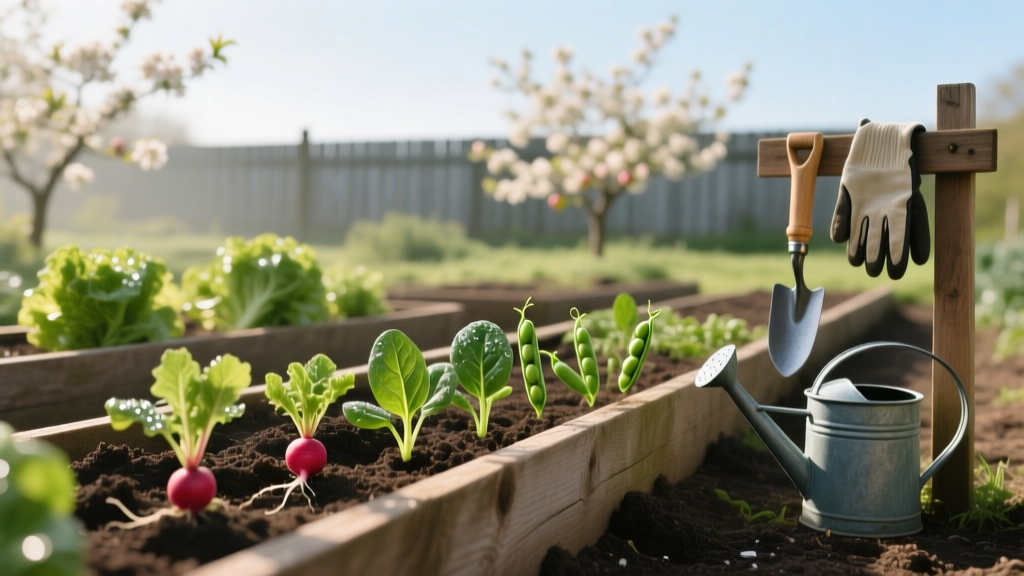
Spring Vegetable Garden Tasks by Week
Spring doesn’t ease in—it arrives with a narrow window where a few timely moves set your harvest schedule for months. Miss the first dry spell and you’ll be planting potatoes into cold mud. Ignore one warm week and overwintered brassicas bolt before you pick. The goal is simple: get soil workable, get the right crops in at the right soil temperatures, and protect new growth from the two classic spring problems—late frost and early pests.
Use this as a week-by-week playbook. Adjust the calendar to your location by anchoring to your average last spring frost date (often called “Last Frost”): everything below references “weeks before/after last frost,” with concrete thresholds to keep you on track.
Fast timing anchors (use these numbers)
Keep these benchmarks on a sticky note in the shed:
- 32°F (0°C): hard freeze; protect seedlings and blossoms.
- 36–40°F: many cool-season seeds can germinate slowly; soil still sluggish.
- 45°F soil: peas and spinach tolerate it; potatoes can go in when soil is consistently above this and not waterlogged.
- 50°F soil: onions, lettuce, carrots improve; many spring pests wake up.
- 60°F soil: warm-season planting threshold begins (beans, squash); tomatoes prefer warmer nights too.
Concrete date examples for context: a Zone 7 location might have an average last frost around April 15; Zone 5 often lands near May 10; Zone 9 can be early March or earlier. Your microclimate may shift these by 1–3 weeks.
Monthly schedule snapshot (then drill into weekly tasks)
| Spring window | What to plant | What to prepare | What to protect |
|---|---|---|---|
| Early spring (6–4 weeks before last frost) | Peas, spinach, radish, onion sets, bare-root asparagus (where common) | Soil test, bed prep, compost topdress, repair irrigation | Row cover for wind/frost; slug barriers; avoid working wet soil |
| Mid spring (3–1 weeks before last frost) | Carrots, beets, lettuce, potatoes (if soil workable), brassica transplants | Trellises, supports, seed-starting succession plan | Cabbage worm exclusion; frost cloth ready for cold snaps |
| Late spring (0–4 weeks after last frost) | Beans (soil ~60°F), corn (soil ~60°F+), cucurbits, tomato/pepper transplants after warm nights | Mulch, drip lines, staking, pest scouting routine | Cutworms, flea beetles; protect blossoms from late chill |
Week-by-week tasks organized by priority
Weeks 6–5 before last frost: set the foundation while soil is still fickle
What to prepare (priority #1)
1) Do a soil test now. If you haven’t tested in 2–3 years, do it before adding amendments. Many extension offices recommend routine soil testing to guide lime and fertilizer rates instead of guessing. The University of Minnesota Extension emphasizes using soil tests to determine nutrient needs and avoid over-application (University of Minnesota Extension, 2022).
2) Walk beds only when soil passes the “squeeze test.” Grab a handful from 3–4 inches deep. If it forms a sticky ball that smears, it’s too wet—stay out. Working wet soil creates compaction that can stunt roots all season.
3) Topdress, don’t till. Spread 1–2 inches of finished compost and leave soil structure intact. Reserve deep digging for new beds only.
What to plant
Plant as soon as the ground is workable and daytime highs are consistently above 45°F:
- Peas: sow 1 inch deep; install trellis at planting to avoid root disturbance later.
- Spinach & radish: quick payoff in cold soil; ideal for first success of the season.
- Onion sets or transplants: go in early; they handle light frosts.
What to protect
Wind is the sleeper threat. Cold spring wind desiccates tiny seedlings faster than you expect. Keep lightweight row cover ready; it can raise temperatures a few degrees and reduce moisture loss. Pin it down tightly so it doesn’t flap and shred seedlings.
Checklist (Weeks 6–5)
- Soil test kit ordered or sample mailed
- Compost applied (1–2 inches)
- Row cover located and inspected for holes
- Peas/spinach/radish/onions planted (if soil workable)
- Slug monitoring started (boards or grapefruit halves as traps)
Weeks 4–3 before last frost: plant cool-season workhorses and set pest defenses
What to plant (priority #1)
This is prime time for steady, cool-season crops—especially if your soil is approaching 50°F:
- Carrots: sow shallow (1/4 inch), keep surface evenly moist for 10–21 days. Cover the seed row with burlap for the first week if drying winds are a problem.
- Beets: soak seed clusters overnight for quicker germination; thin early.
- Lettuce: direct-sow for cut-and-come-again greens; transplant starts for heads.
- Brassica transplants (broccoli, cabbage, kale): hardened off and planted on a calm, cloudy day.
What to prepare
Install infrastructure before the jungle. Put in drip lines, tee fittings, timers, and trellises while beds are visible. A 20-minute setup now prevents mid-season root damage and broken stems later.
Side note on fertilizer: If your soil test suggests nitrogen is needed, apply modestly. Overdoing nitrogen early can push lush growth that attracts aphids and delays flowering later. Base rates on your test and crop needs, not habit.
What to protect
Exclude cabbage worms before you see them. Floating row covers work best as a barrier when installed at planting. If you wait until leaves are chewed, moths have already laid eggs.
“Floating row covers are most effective when used preventively as a barrier to insect pests, rather than after infestation begins.” (Iowa State University Extension and Outreach, 2019)
Cutworm prevention: If you’re setting out brassica or lettuce transplants, collar each plant (cardboard strip or paper cup with bottom removed) pushed 1 inch into soil. Cutworms are classic in spring, especially in beds that had cover crops or weeds.
Checklist (Weeks 4–3)
- Carrots/beets/lettuce sown
- Brassica transplants planted + covered with row cover
- Cutworm collars installed on transplants
- Drip lines and trellises installed
- Weed seedlings skimmed off on a dry afternoon (stirrup hoe)
Weeks 2–1 before last frost: gamble carefully, plant potatoes right, and stage warm-season starts
What to plant (priority #1)
Potatoes: Plant when soil is not sticky and is consistently above about 45°F. If your garden is heavy clay, wait for a drier window—planting into cold, wet soil increases rot risk. Cut seed potatoes into chunks with 1–2 eyes and let them dry (suberize) for 24–48 hours before planting if you cut them.
More cool-season succession: Sow another round of spinach and lettuce now; spring swings from cold to hot quickly, and staggered sowing extends harvest.
What to prune (yes, even in a vegetable garden)
Prune and sanitize overwintered herbs and perennials. Cut back old thyme, sage, and oregano stems to encourage fresh growth. Remove dead stalks around strawberries and asparagus beds to reduce disease carryover and improve airflow.
Tool hygiene matters now. Clean pruners with alcohol wipes between plants if you’re cutting anything with suspicious spotting or cankers.
What to prepare
Harden off seedlings with a schedule, not vibes. Start 7–10 days before transplanting: first day 1–2 hours in bright shade, then increase light and time daily. Avoid putting tender starts out when wind chills dip toward 40°F.
Stage protection supplies. Put frost cloth, hoops, and water jugs where you can grab them fast. Late frosts happen—especially in Zones 4–6 and in low-lying yards.
What to protect
Frost triage: If a forecast threatens 32°F, prioritize covering tomatoes, peppers, cucumbers, basil, and flowering fruit. Cool-season greens usually tolerate light frost, but brassica transplants grow faster if protected.
Checklist (Weeks 2–1)
- Potatoes planted (soil workable, ~45°F+)
- Second sowing of greens scheduled
- Perennial herb cleanup done
- Hardening-off started for warm-season seedlings
- Frost protection kit staged (cloth/hoops/clamps)
Week 0 (last frost week): transplant with restraint and keep covers handy
What to plant (priority #1)
This week is a pivot point. If nights remain in the low 30s, keep warm-season transplants inside. If your forecast shows lows holding above 40°F for several nights and soils are warming, you can start moving.
- Brassicas, lettuce, onions: safe to transplant even with a light frost risk.
- Tomatoes: transplant only if you can protect them; cold soil stalls them for weeks.
What to protect
Row cover becomes your “insurance policy.” Covering at night and uncovering in the morning can speed growth by reducing chilling and wind stress. Vent on sunny days so plants don’t overheat.
What to prepare
Mulch strategy: Hold off on thick mulch on cold soils. Mulch insulates—great later, but it can keep soil cold now. Use a light, temporary mulch (like a thin layer of straw) only where splash-borne disease is a concern.
Disease prevention: Spring is when spores and splash spread start. Avoid overhead watering in the evening; water early so leaves dry. This reduces early blight pressure on tomatoes later and slows fungal issues on greens.
Weeks 1–2 after last frost: shift from “can it survive?” to “can it thrive?”
What to plant (priority #1)
Now you’re watching soil temperature more than the calendar.
- Beans: wait for soil near 60°F to avoid rot and slow emergence.
- Sweet corn: also prefers 60°F+; plant in blocks for pollination.
- Summer squash/cucumbers: transplant or direct-sow when nights stay above 50°F if possible.
What to protect
Flea beetles and brassicas: Tiny “shot holes” appear fast on arugula, radish tops, and young brassicas. Keep row covers sealed at edges. If damage is escalating, use trap crops (radish) or consider a labeled organic option like spinosad, applied at dusk to reduce pollinator exposure.
Slugs: They spike in cool, wet springs—especially in the Pacific Northwest and shaded gardens. Use iron phosphate baits as needed and remove hiding spots (boards, dense groundcover) near seedlings.
What to prepare
Start a 7-day scouting rhythm. Pick one day each week to check: undersides of leaves (eggs), stems at soil line (cutworms), and new growth (aphids). Early intervention beats rescue spraying.
Weeks 3–4 after last frost: lock in summer crops and switch to prevention mode
What to plant (priority #1)
If your garden hits consistent warmth—soil near 65–70°F and nights staying above 50°F—this is the week many gardeners finally see warm-season crops take off:
- Tomatoes: plant deep; remove lower leaves; stake immediately.
- Peppers/eggplant: don’t rush—cold nights can stunt them for weeks.
- Basil: treat it like a tropical; transplant only once nights are reliably mild.
What to prune
Tomato hygiene starts early. Pinch off leaves touching soil and keep lower 6–10 inches of stem clear as the plant grows. This reduces soil splash and lowers disease risk. Also remove any leaves that yellow from cold stress—they won’t recover and can harbor issues.
What to protect
Blossom protection and pollinators: If a surprise cold night dips near 35°F, cover flowering tomatoes and squash to protect blossoms. Uncover early morning for pollinator access.
Extension-backed disease prevention: Crop rotation and sanitation reduce pathogen carryover. North Carolina State Extension notes that rotating plant families and removing infected debris are key cultural controls for vegetable diseases (NC State Extension, 2020).
Checklist (Weeks 3–4)
- Warm-season transplants planted only after stable nights (aim >50°F for cucurbits; warmer is better)
- Tomatoes staked and lower leaves kept off soil
- Mulch applied once soil is warm (2–3 inches straw/leaves/compost)
- Weekly scouting routine in place
Three real-world spring scenarios (adjustments that prevent common mistakes)
Scenario 1: Cold spring in USDA Zones 4–5 (late frosts, slow soil warm-up)
If your last frost is closer to May 10 and you still see nights near 28–32°F in late April, lean hard on cool-season crops early. Use low tunnels or row covers to gain heat units. Start warm-season crops indoors but transplant later than your neighbor in Zone 7. In these zones, it’s common to transplant tomatoes 2–3 weeks after last frost if nights won’t stay above 45–50°F.
Actionable swap: Replace early cucumber planting with a second sowing of peas or lettuce; you’ll harvest more by waiting than by replanting frost-killed seedlings.
Scenario 2: Wet spring in the Midwest/Northeast (workable soil comes late)
When rain stacks up, the biggest risk is compaction and seed rot. Resist the temptation to “get something in” if soil fails the squeeze test. Build or refresh raised beds and focus on surface amendments rather than digging. Choose transplants over direct-seeding for some crops (like lettuce or brassicas) so you can plant into brief dry windows.
Pest note: Wet springs favor slugs and damping-off. Use clean trays for seedlings, avoid overwatering starts, and increase airflow.
Scenario 3: Early heat in USDA Zones 8–10 (spring ends fast)
If your last frost is March 1–15 and April temperatures jump quickly, your “spring” vegetable season is short. Prioritize quick-maturing cool crops (radish, baby greens) and plan to shade lettuce and cilantro as heat ramps up. Get warm-season crops planted earlier, but protect from cold snaps—Zone 9 can still see a surprise 35°F night.
Actionable swap: Plant heat-tolerant greens (Malabar spinach, New Zealand spinach) by late spring so you’re not forced to stop harvesting when temperatures surge.
Spring pest & disease prevention that pays off by summer
1) Start clean: Pull winter weeds and remove last year’s diseased leaves. Compost only healthy debris; discard infected tomato/potato foliage.
2) Watering rule: Water at the base, early in the day. Leaf wetness overnight is a springboard for fungal issues.
3) Thin seedlings on time: Crowding keeps foliage damp and invites mildew and rot. Thin carrots and beets early; you can’t “fix” airflow later.
4) Rotate by plant family: Don’t follow tomatoes with peppers in the same bed (both Solanaceae). Don’t follow cabbage with broccoli in the same spot (both Brassicaceae). A simple 3–4 year rotation reduces soil-borne disease pressure.
5) Use row covers strategically: Covers are best when installed immediately after planting, before pests arrive. Remove during flowering for pollination on crops that need it (squash, cucumbers).
Quick “this week” timeline you can reuse each spring
Find your last frost date and map these checkpoints:
- 6 weeks before: soil test; compost topdress; first peas/spinach/radish
- 4 weeks before: carrots/beets/lettuce; brassica transplants; row covers sealed
- 2 weeks before: potatoes (if soil ~45°F+ and workable); harden off warm-season starts
- Last frost week: transplant hardy crops; keep frost cloth ready for 32°F alerts
- 2 weeks after: beans/corn when soil ~60°F; begin weekly pest scouting
- 4 weeks after: mulch once soil is warm; stake tomatoes; shift to prevention mode
Spring rewards gardeners who treat timing as a tool. Keep one eye on soil temperature and the other on the 10-day forecast, and you’ll plant fewer “hopeful” seedlings—and harvest more of what you actually want.
Sources: University of Minnesota Extension (2022) soil testing guidance; Iowa State University Extension and Outreach (2019) recommendations on preventive row cover use; NC State Extension (2020) cultural controls including rotation and sanitation for vegetable disease management.