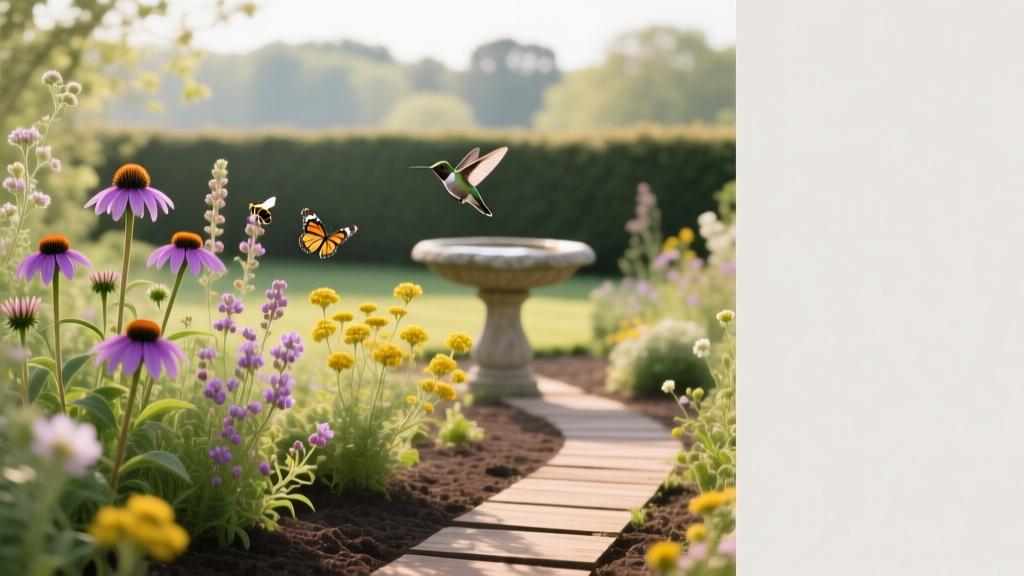
Supporting Wildlife in Your Spring Garden
Spring moves fast: one warm week can bring migrating birds, emerging native bees, and amphibians on the move—followed by a surprise frost that wipes out early blooms and leaves pollinators hungry. The opportunity is right now: if you plant, prune, and protect with wildlife in mind in the next 2–6 weeks, you can provide nectar, nesting habitat, clean water, and safer cover precisely when wild creatures need it most.
Use this as a “do-this-now” seasonal checklist. Timing cues are included because wildlife support depends on synchronizing garden work with temperatures, bloom windows, and your local last frost date.
Priority #1 (This Week): What to Plant for Immediate Food and Shelter
Early spring is a bottleneck for wildlife: there’s often not much blooming yet, and insects are just waking up. Your fastest wins are (1) planting or uncovering early-blooming natives and (2) ensuring something will bloom continuously from now through late spring.
Plant now when soil is workable (and daytime highs reliably above 50°F)
If you can dig without smearing mud, you can plant. In many regions that’s 2–4 weeks before your average last frost date. Aim to plant when daytime temperatures are consistently above 50°F and nights are generally above 32°F except for occasional dips.
- Native flowering perennials (plugs or potted): woodland phlox (Phlox divaricata), golden alexanders (Zizia aurea), wild columbine (Aquilegia canadensis), penstemon (Penstemon digitalis), early coreopsis (Coreopsis auriculata). These bridge the “nectar gap” for early bees and hoverflies.
- Shrubs that feed birds and early pollinators: serviceberry (Amelanchier), redbud (Cercis canadensis), native viburnums, willow (Salix spp.) where appropriate. Willows are especially valuable because they provide early pollen and nectar.
- Cool-season annuals (fast nectar): calendula, borage, and native-friendly mixes that include early bloomers. Plant these as soon as soil can be worked, often 4–6 weeks before last frost.
- Clump-forming grasses/sedges: Pennsylvania sedge (Carex pensylvanica) or prairie dropseed (Sporobolus heterolepis) later in spring for structure. Even before they bloom, they provide cover for ground beetles, toads, and nesting material.
Seed-starting timing that actually aligns with wildlife needs
To get blooms when wildlife is active, start seeds on a calendar tied to frost dates and temperature thresholds:
- Start indoors 8–10 weeks before your last frost date: bee balm (Monarda), milkweed (Asclepias; note: some species benefit from cold stratification), coneflower (Echinacea), asters (Symphyotrichum).
- Direct sow 2–4 weeks before last frost: larkspur, poppy, and some native annuals where recommended; also sow clover alternatives only if appropriate for your goals and region.
- Transplant after danger of hard frost (below 28°F) has passed: most tender annuals. If your forecast shows 28°F or lower, protect new transplants (see “What to protect”).
Planting for continuous bloom: build a 3-layer menu
Wildlife support is strongest when you offer (1) early spring bloom, (2) late spring bloom, and (3) summer follow-through. In spring, you’re laying the foundation.
- Early: native willows, redbud, spring ephemerals, dandelion alternatives (native violets are a better choice in many gardens).
- Mid-spring: columbine, wild geranium (Geranium maculatum), golden alexanders.
- Late spring into summer: penstemons, bee balm, mountain mint (Pycnanthemum), milkweeds.
Extension-based note on pesticide impacts: Penn State Extension cautions that many insecticides—including some “systemic” products—can move into pollen/nectar and harm pollinators (Penn State Extension, 2018). If wildlife is the goal, skip systemic insecticides on flowering plants.
Priority #2 (Next 7–14 Days): What to Prune Without Destroying Nesting Habitat
Spring pruning can either help wildlife (by preserving nesting sites and boosting flowering) or wipe out eggs, larvae, and future blooms. The key is to prune with temperature cues and plant type.
Follow the “bloom time” rule for shrubs (with one spring twist)
- Spring-blooming shrubs (lilac, forsythia, many viburnums): prune right after flowering, not now. Cutting now removes flower buds that feed early pollinators.
- Summer-blooming shrubs (panicle hydrangea, some spireas): can be pruned in early spring before growth starts, but don’t strip everything—leave some stems for cavity-nesting insects and overwintered beneficials.
Delay aggressive perennial cleanup until insects are active
Many native bees overwinter in hollow stems and leaf litter. A practical compromise: wait until daytime highs are consistently 50°F for about a week before heavy cleanup. This timing is widely used by pollinator-focused gardeners because it aligns with increased insect activity and reduces the chance you’ll remove dormant beneficials right before they emerge.
- Do now: gently lift and loosen matted leaves from crowns so plants can emerge; leave leaf litter in beds under shrubs and in less-visible corners.
- Do later (after the 50°F week): cut last year’s stems to 12–18 inches instead of to the ground. This “stem stubble” provides nesting tubes for small native bees.
Tree pruning: prioritize safety, then habitat
Remove dead, dangerous limbs any time. But don’t “clean up” every snag or cavity. Where it’s safe, retain a dead limb or trunk section as habitat for woodpeckers and insect predators.
“Standing dead trees—snags—are important wildlife habitat, providing nesting, roosting, and foraging sites for many species of birds and mammals.” (USDA Forest Service research summaries; habitat guidance widely referenced in snag management literature)
If you need a concrete rule: keep snags only if they cannot hit structures or high-traffic areas. Otherwise, consider a compromise snag: a shortened, stable trunk (“monolith”) left 8–12 feet tall by a qualified arborist.
Priority #3 (Right Now, Before the Next Cold Snap): What to Protect—Pollinators, Birds, Amphibians, and Your Plants
Protection work in spring is about preventing avoidable losses: frost damage that eliminates flowers, pesticides that remove food webs, and yard practices that trap or poison wildlife.
Frost planning that keeps blooms (and nectar) available
Blooms are wildlife currency. Late frosts can erase them in one night.
- Know your average last frost date and treat it as a probability, not a promise. In many Zone 5–6 gardens, that’s often around May 1–15. In Zone 7, often April 1–15. In Zone 3–4, often May 15–June 10.
- Protect at 32°F, triage at 28°F: cover blooming shrubs/perennials when forecasts call for 32°F. At 28°F or lower, prioritize the plants most important to early pollinators (serviceberry, redbud, early perennials) and any fruit trees you rely on.
- Use breathable covers: frost cloth or old sheets; avoid plastic touching foliage.
- Water the day before a freeze (if soil is dry): moist soil holds more heat than dry soil, moderating overnight lows.
Skip spring pesticides that collapse the food chain
Spring is when birds feed nestlings with caterpillars and other insects. Broad-spectrum insecticides reduce that food source, even if you never see dead insects. The University of Minnesota Extension notes that many “weed and feed” products and broadleaf herbicides can harm desirable plants and have off-target effects; use targeted approaches instead (University of Minnesota Extension, 2020).
- If you must treat: choose the least-toxic option, spot-treat, and never spray open flowers.
- Time it: treat at dusk only if absolutely necessary, when bees are less active, and follow label directions exactly.
- Better spring move: hand-pull or sheet-mulch problem weeds in sections to avoid stripping all habitat at once.
Protect ground-nesting bees and overwintering beneficials
Many native bees nest in bare or lightly vegetated soil. Before you lay down thick mulch everywhere, designate a small zone (even 2’ x 2’) of well-drained, sandy or loamy soil in full sun. Keep it free of landscape fabric (which blocks nesting) and avoid tilling.
Water: add it now, keep it safe
Clean, shallow water is one of the fastest ways to increase wildlife activity.
- Birdbath setup: place 10–15 feet from dense cover (for escape) but with a clear view for predators. Refresh every 1–2 days in warm spells.
- Bee-safe water: add stones or a sloped edge so insects can drink without drowning.
- Amphibian-friendly: avoid steep-sided containers. If you have a pond, add a simple ramp (flat rock or board) so animals can exit.
Priority #4 (Next 2–6 Weeks): What to Prepare—Habitat, Nesting Sites, and Resilient Beds
Preparation is where gardens become ecosystems. These tasks don’t just attract wildlife—they keep it supported through the volatility of spring weather.
Build a “messy on purpose” habitat plan (without making the yard look neglected)
Use intentional zones:
- Front-and-center beds: tidy edges, visible structure plants (native grasses, clumping perennials), minimal leaf litter.
- Back or side habitat strip: leaf litter left in place, fallen sticks stacked, seed heads left longer, and a small brush pile for wrens and other insect-eaters.
- Woodland edge: keep a 2–3 foot “soft boundary” of leaves and native groundcovers under shrubs for beetles, firefly larvae, and frogs/toads.
Install nesting support before nesting peaks
Bird nesting ramps up quickly as days lengthen. If you’re adding houses, do it early.
- Put up birdhouses by: late March to early April in many temperate areas; earlier in warmer Zone 8–9 regions.
- Height matters: follow species guidance (bluebird boxes often ~4–6 feet high in open areas; wrens can be closer to shrubs).
- Keep cats indoors: if wildlife support is the mission, this is non-negotiable during nesting season.
For native bees, consider leaving hollow stems, or add a bee hotel only if you can maintain it (replace tubes/liners annually to reduce disease). Otherwise, focus on natural nesting: stems, bare ground, and bunch grasses.
Prep soil with wildlife-friendly fertility
Heavy spring fertilization can push lush growth that attracts aphids and other pests, then triggers spraying. Instead:
- Add compost: 1–2 inches topdressed around perennials (keep off crowns). Compost supports soil food webs that support above-ground food webs.
- Mulch selectively: 1–2 inches around transplants, not 4 inches everywhere. Leave some bare ground patches for nesting bees.
- Avoid peat-heavy mixes when possible; choose composted bark/coir blends for containers to reduce habitat impacts elsewhere.
Spring Pest and Disease Prevention (Wildlife-Safe First Moves)
Spring problems are predictable: aphids on tender growth, fungal issues in cool wet weather, and overwintered egg masses. Preventing outbreaks protects wildlife because it reduces the urge to spray.
Aphids, ants, and distorted new growth
- Do first: blast aphids off with water in the morning; repeat every 2–3 days for a week.
- Manage ants: ants “farm” aphids. Use sticky barriers on trunks (where appropriate) or disrupt trails, rather than spraying foliage.
- Accept some chewing: leaf damage is often a sign your garden is functioning as habitat.
Powdery mildew and spring fungal pressure
- Space and air: thin overcrowded stems after the 50°F cleanup threshold.
- Water smart: water at the soil line; avoid evening overhead watering.
- Choose resistant plants: when adding bee balm, pick mildew-resistant cultivars if you’ve struggled before.
Ticks and mosquitoes: reduce risk without harming beneficials
- Tick checks: if you garden near woodland edges, do daily checks during warm spells above 45°F.
- Mosquito control: dump standing water weekly. If you maintain a water feature, keep it moving or use Bti dunks (targeted to mosquito larvae) rather than broad insecticides.
Regional Spring Scenarios: Adjustments That Matter
Wildlife timing is local. Use these scenarios to recalibrate your week-by-week actions.
Scenario 1: Cold winter regions (USDA Zones 3–5, late frosts, fast springs)
If your last frost is commonly May 15–June 10, spring is compressed. Prioritize early bloomers and frost protection.
- Planting: prioritize hardy perennials and shrubs as soon as soil is workable; delay tender annuals until nights are reliably above 40°F.
- Cleanup: keep stems/leaves longer; insects may emerge later and need the shelter.
- Support migratory birds: offer suet or high-protein foods during cold snaps; natural insect populations may lag behind migration.
Scenario 2: Mild-winter regions (USDA Zones 8–10, early nesting, early bloom)
In warm zones, wildlife activity can begin while many gardeners elsewhere are still dormant.
- Pruning: nesting starts early—check shrubs carefully before cutting. If you see repeated bird traffic into a shrub, postpone.
- Planting: you can often plant natives and shrubs earlier, but watch for heat spikes—water deeply after planting.
- Pest pressure: aphids and fungal issues can arrive earlier; rely on water sprays, pruning for airflow, and resistant varieties.
Scenario 3: Pacific Northwest / maritime springs (cool, wet, slug-heavy)
Cool, wet conditions favor slugs and fungal problems, and they can wipe out seedlings that would have fed beneficial insects later.
- Seedling protection: use collars, copper tape, and hand-picking at night. Avoid slug baits that can harm pets/wildlife; if needed, use iron phosphate products according to label directions.
- Fungal prevention: prioritize spacing and morning watering; remove only the most disease-prone debris while keeping some leaf litter habitat elsewhere.
- Planting strategy: use larger starts (plugs/pots) rather than tiny seedlings to get ahead of slug damage.
Scenario 4: Drought-prone interiors (variable springs, sudden heat)
If spring swings from 35°F nights to 80°F days in a week, wildlife support hinges on water and mulching strategy.
- Water: establish a consistent watering routine for new plants (deep soak 1–2 times/week depending on soil).
- Mulch: mulch around new plantings but keep patches open for ground nesters.
- Plant choices: prioritize drought-tolerant natives that still offer nectar (mountain mint, penstemon, blanketflower where appropriate).
Spring Timeline: Month-by-Month Wildlife Support Tasks
| Timing Window | What to Do | Wildlife Benefit | Numbers to Watch |
|---|---|---|---|
| Early spring (2–6 weeks before last frost) | Plant hardy natives; direct sow cool-season flowers; set up water sources | Early nectar/pollen + hydration during migration | Soil workable; highs > 50°F; nights near 32°F |
| Mid-spring (around last frost window) | Cover blooms on freeze nights; cut stems to 12–18" after consistent 50°F week; add compost topdress | Protects bloom supply; preserves nesting tubes | Cover at 32°F; triage at 28°F; “50°F for a week” cleanup cue |
| Late spring (1–3 weeks after last frost) | Transplant warm-season flowers; monitor aphids; thin crowded growth for airflow | Continuous forage; fewer disease outbreaks means fewer sprays | Nights > 40°F for tender plants; watering 1–2x/week to establish |
| Anytime in spring | Skip systemic insecticides; keep some leaf litter; maintain clean water | Protects pollinators, caterpillars, and the birds that eat them | Refresh water every 1–2 days in warm spells |
Right-Now Checklists (Printable Logic for Busy Weeks)
This-week checklist (60–90 minutes)
- Identify your average last frost date and mark 2 weeks before and 2 weeks after on your calendar.
- Set out a birdbath or shallow water tray with stones; commit to refilling every 1–2 days during warm spells.
- Plant at least 3 early-blooming natives (or shrubs) in a sunny spot.
- Leave one “habitat corner” with leaf litter and stems intact; tidy only bed edges.
- Inspect shrubs before pruning; if buds are swelling on spring bloomers, wait until after flowering.
Next 2-week checklist (weather-dependent)
- When highs are consistently 50°F, cut last year’s perennial stems to 12–18 inches (not to the ground).
- Topdress beds with 1–2 inches compost; avoid burying crowns.
- Set up one bare-ground nesting patch (no fabric, no thick mulch) in full sun.
- Prepare frost cloth covers for any forecast near 32°F; prioritize protecting blooming shrubs.
Late-spring checklist (after frost risk drops)
- Transplant warm-season nectar plants once nights are reliably above 40°F.
- Monitor for aphids weekly; use water sprays first, and tolerate minor damage.
- Thin crowded growth for airflow to reduce mildew and leaf spot pressure.
- Keep seed heads on some plants longer to support birds and beneficial insects.
Spring wildlife support isn’t about doing everything—it’s about doing a few things at the right time. Plant early bloom, protect blossoms from late freezes, prune without erasing nests, and keep water available. If you do those four well between now and your last frost window, you’ll notice the change quickly: more bees on warm afternoons, more birds hunting insects, and a garden that behaves like habitat instead of décor.
Sources: Penn State Extension (2018) pollinator protection guidance regarding pesticide exposure pathways; University of Minnesota Extension (2020) guidance on pesticide/herbicide considerations and targeted, least-toxic approaches. For region-specific frost dates and planting windows, consult your state/provincial extension service and local NOAA/Environment Canada normals.