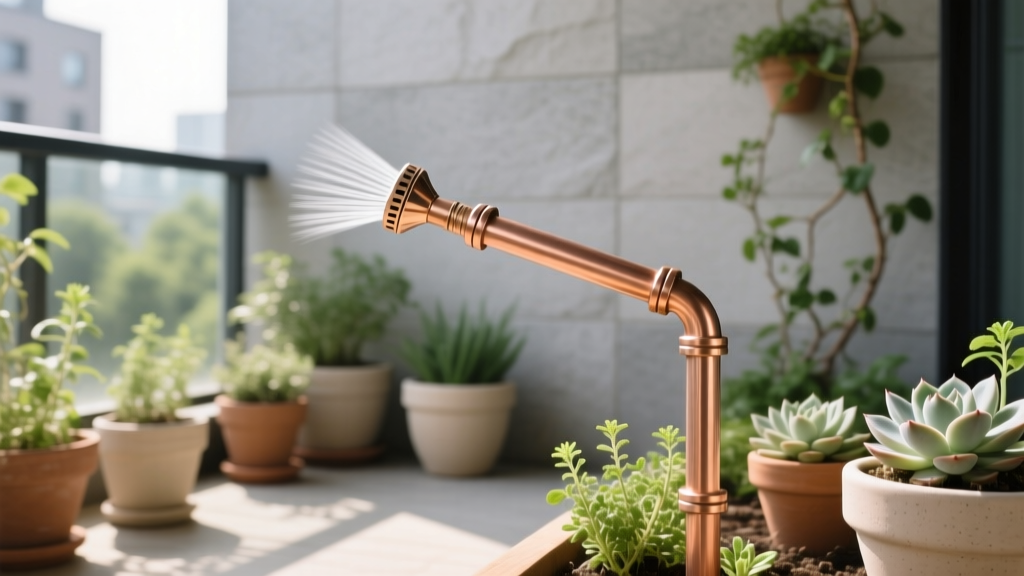
DIY Garden Watering Wand from Pipe
The most common watering mistake isn’t “forgetting to water”—it’s blasting soil so hard you break it open, then wondering why seedlings stall and mulch keeps floating away. A good watering wand fixes that by softening the flow and letting you aim water right at the root zone. The surprise is you can build one from basic pipe parts for about $8–$25, and it can outlast a lot of bargain store wands.
This is the insider version: not just “make a wand,” but how to make one that doesn’t leak, doesn’t fatigue your wrist, and actually improves watering efficiency. I’ll give you a few proven builds, plus small upgrades that matter in real gardens.
Start with a Build That Fits Your Garden (Not Someone Else’s)
Tip: Pick a wand length based on what you’re watering
Length isn’t about looks; it’s about reach and control. For containers on a patio, a 16–20 inch wand is easier to maneuver without smacking pots. For raised beds, 24–30 inches lets you reach the center without stepping into the bed and compacting soil. For deep borders or hanging baskets, go 36 inches so you can water from the path without bending your back.
Example: In a 4x8 raised bed, a 30-inch wand reaches the middle row comfortably from either side—no “one foot in the bed” shuffle that crushes soil pores.
Tip: Use the right pipe: PVC is easiest, but don’t sleep on PEX
1/2-inch Schedule 40 PVC is cheap, rigid, and easy to drill—great for a simple rose-style wand. If you want a wand that survives drops and winter storage better, 1/2-inch PEX is flexible and less likely to crack. Copper looks beautiful, but it costs more and needs different tools (and a bit more patience).
Cost snapshot: A 10-foot stick of 1/2-inch PVC is often $5–$8; PEX can be $10–$20 depending on region and fittings.
Tip: Don’t guess the thread sizes—match your hose correctly
Most garden hoses in the U.S. use 3/4-inch GHT (garden hose thread). Many plumbing fittings are NPT (tapered pipe thread), which looks similar but doesn’t seal the same. The cleanest move is to use a 3/4-inch GHT female swivel adapter on the wand so it screws directly onto your hose without wrestling thread tape into the wrong place.
Example: If your wand leaks at the hose connection even with tape, you probably mixed GHT and NPT. Swap in a proper GHT swivel and the leak usually disappears instantly.
The 3 Most Useful DIY Pipe Wand Designs (Pick One)
Tip: Build the “Soft Rain Bar” wand for beds and seedlings
This design is basically a mini shower bar: a capped pipe section with small holes drilled in one side for gentle rain. Use a 12-inch segment of 1/2-inch PVC, cap the end, and drill 12–18 holes using a 1/16-inch bit. Keep holes in a straight line and angle them slightly forward so the spray pattern lands where you aim, not on your shoes.
Example: For newly sown carrot seed, this bar-style wand keeps the top 1/4 inch of soil evenly moist without washing seed into low spots.
Tip: Build the “Targeted Jet-to-Soak” wand for deep watering shrubs
Sometimes you want more push to get water under a shrub canopy, then slow it down at the soil. Make a rigid wand with a ball valve near the handle for fingertip control, then put a simple nozzle at the tip (even a small reducer fitting works). A 24–30 inch length is ideal so you can reach under foliage and water the drip line rather than the trunk.
Scenario: A hydrangea under an eave stays dry even when it “rains.” A jet-capable wand lets you slip water under the leaves and soak the root zone without watering the siding.
Tip: Build the “Bottle-Cap Rose” for ultra-cheap gentle spray
If you want the absolute cheapest wand head, drill holes in a plastic bottle cap and use it as a diffuser. Screw it onto a short threaded adapter at the wand tip (or friction-fit if you’re going very low-budget). Use 10–15 holes with a 1/32–1/16 inch bit; smaller holes make a softer spray but clog easier.
Cost: If you already have PVC scraps, this version can come in under $5 (mostly for a hose-thread adapter).
Leak-Free, Wrist-Friendly Assembly Tricks
Tip: Put your valve where your hand naturally rests
A shutoff valve at the handle is what turns a pipe into a real watering wand. Place a 1/2-inch ball valve within 4–6 inches of where you grip, so you can throttle from “mist” to “soak” without walking back to the spigot. It’s also a huge water saver when you’re moving between pots.
Example: Watering 20 containers, a handle valve prevents the “hose running while I move” habit that can waste several gallons without you noticing.
Tip: Use thread sealant correctly (and know when not to)
On NPT threads, use PTFE tape (thread tape) 3–5 wraps clockwise so it tightens into the joint. On GHT connections, rely on the rubber washer in the swivel—tape often makes it worse by preventing the washer from seating. If a GHT joint leaks, replace the washer (they’re usually $0.50–$2), don’t keep cranking it tighter.
Scenario: Your DIY wand is perfect, but it drips at the hose. A fresh washer fixes it faster than any amount of tape.
Tip: Add a handle grip so you don’t “death-clench” the pipe
Bare PVC gets slippery and encourages over-gripping, which tires your forearm. Slide on a piece of foam pipe insulation or a bike handle grip where your hand sits. A 4–5 inch grip length is enough; secure it with zip ties if it creeps.
Example: If you water for 10–15 minutes at a time, this tiny mod can be the difference between “easy evening routine” and wrist ache.
Dial In the Water Pattern (This Is Where DIY Wands Win)
Tip: Match hole size to your water pressure (and stop fighting physics)
High pressure plus big holes equals soil craters. If your home pressure is typical (40–60 psi), start with 1/16-inch holes for a soft rain bar. If you’re on a well with stronger pressure, go smaller (1/32-inch) or drill fewer holes and test. You can always add holes; you can’t undrill them.
Example: On a strong well system, a 12-inch bar with 18 holes might spray too hard; dropping to 12 holes often produces a gentler “rain” with better control.
Tip: Stagger holes to prevent “strip watering”
If all holes sit in a straight line, you can end up watering in a narrow stripe. Stagger holes in two offset rows (like a zipper) to widen coverage without increasing pressure. Keep spacing around 1/2 inch apart to prevent weak spots.
Scenario: In lettuce beds, staggered holes help you evenly wet the whole row without needing multiple passes.
Tip: Add a simple screen filter to stop clogs before they start
Tiny holes clog from grit, mineral flakes, or bits of washer rubber. Add an inexpensive hose washer with a built-in screen at the wand inlet, or repurpose a small mesh aerator screen. This is especially helpful if you use rain barrels or well water.
Cost: Screened hose washers are often $2–$6, and they save you from poking holes with a pin every other week.
“Frequent, light irrigation encourages shallow rooting; deeper, less frequent irrigation promotes deeper roots and improves drought resilience.” — University of California Agriculture and Natural Resources (UC ANR), 2019
That’s the point of a good wand: you control depth and placement, so you can water where roots are and not just wet the surface.
Water Smarter: Placement, Timing, and Volume Without Getting Weird About It
Tip: Aim at the root zone, not the leaves—especially late in the day
Overhead leaf-wetting can encourage disease when foliage stays wet for hours. A wand makes it easy to water low and slow under the canopy, and it’s one of the simplest disease-prevention habits you can adopt. Penn State Extension notes that many foliar diseases are favored by extended leaf wetness; watering early helps leaves dry faster (Penn State Extension, 2023).
Example: For tomatoes, slip the wand under the foliage and water at soil level; you’ll reduce splash and avoid turning the lower leaves into a petri dish.
Tip: Use the “soak circle” method for shrubs and small trees
Instead of watering at the trunk, water in a circle around the plant where feeder roots actually are—typically near the drip line. Move the wand slowly around that ring, pausing 10–20 seconds per spot to let water infiltrate rather than run off. If soil is crusted, start with a gentle mist for 30 seconds to soften the surface, then soak.
Scenario: A newly planted blueberry with mulch: soak around the outer edge of the mulch donut, not directly at the stem.
Tip: Calibrate your wand once using the “bucket test”
You don’t need fancy meters to understand flow. Put your wand on a normal setting and time how long it takes to fill a 1-gallon bucket; many setups land around 1–3 gallons per minute depending on holes and pressure. Once you know that number, you can water intentionally—like “2 minutes per container” instead of “until I feel like it.”
Example: If your wand delivers 2 GPM, a 30-second soak is about 1 gallon—handy for big pots that dry fast.
Comparison Table: DIY Wand vs Store-Bought Wand vs Hose-End Nozzle
| Feature | DIY Pipe Wand | Store-Bought Wand | Basic Hose-End Nozzle |
|---|---|---|---|
| Typical cost | $8–$25 (parts-dependent) | $15–$45 | $6–$20 |
| Repairability | High (swap fittings/valve) | Medium (some parts proprietary) | Low–Medium |
| Spray customization | Very high (hole size/count) | Medium (preset patterns) | Low–Medium |
| Best use | Beds, containers, targeted root watering | General use, convenience | Fast rinsing, quick watering |
| Weak spot | DIY time; needs correct adapters | Plastic joints can crack/leak | Harder to water gently at soil level |
Real-World Builds: Three Scenarios Gardeners Actually Deal With
Tip: Apartment balcony container jungle (tight space, lots of pots)
Go with a 16–20 inch wand and a handle valve so you can shut off between pots without splashing the floor. Add a soft diffuser (bottle-cap rose or drilled end cap) so you don’t excavate potting mix. If your balcony has drainage rules, keep a small saucer under pots and water in two passes: a light pre-wet, wait 2 minutes, then a deeper soak to reduce runoff.
Example: Basil and mint in 10-inch pots: pre-wet prevents water from channeling down the pot sides and out the bottom immediately.
Tip: Raised beds with seedlings (erosion is the enemy)
Use the soft rain bar tip and keep the wand head 6–10 inches above the soil to mimic gentle rainfall. Water in short “laps” along the row instead of parking in one place; you’re aiming to wet evenly, not dig holes. If you’re starting seeds, maintain moisture in the top 1/4–1/2 inch with brief watering sessions rather than a single flood.
Example: A fresh bed of radish seed: two 60-second gentle passes morning and afternoon can outperform one aggressive soak that crusts the surface.
Tip: Established landscape shrubs (get under foliage and water deep)
Use a 30–36 inch rigid wand with a valve and a slightly stronger output, then water at the drip line. Set a timer for 5–10 minutes per shrub zone depending on your bucket test flow and soil type. Sandy soils take water faster but dry quicker; clay needs slower application to avoid runoff and pooling.
Example: For a boxwood hedge, a longer wand helps you water the base without wetting foliage—especially useful if you’ve had any fungal issues before.
Small Upgrades That Make Your DIY Wand Feel Like a “Pro Tool”
Tip: Add a bend so you can water under leaves without contorting
A gentle bend near the tip improves aim. Use a 45° elbow fitting about 6 inches from the end, then attach your spray bar or diffuser. This keeps your hand upright while the water pattern stays low to the ground.
DIY alternative: If using PEX, you can create a gentle curve without an elbow—just don’t kink it; use a bend support if needed.
Tip: Make it modular so one handle runs multiple heads
Instead of gluing everything permanently, build a handle section with a threaded union or quick-connect so you can swap heads (rain bar, jet tip, rose). You’ll spend a few extra dollars up front, but you won’t need three separate wands. Quick-connect sets are commonly $10–$20, and they pay for themselves if you like options.
Example: Use the rain bar for seedlings in spring, swap to a stronger head for deep summer watering, then switch to a gentle rinse head for fall cleanup.
Tip: Paint or mark the wand so it doesn’t vanish into the garden
Plain PVC disappears behind plants. A bright spray paint stripe or wrapped tape band makes it easy to spot and also helps you remember hole orientation (“holes down” vs “holes sideways”). If you store it outdoors, a UV-resistant paint helps reduce brittleness over time.
Example: A single neon band near the handle saves you from buying a second wand because you “lost” the first one under the hose pile.
Troubleshooting: Fix the Annoying Stuff Fast
Tip: If the spray is uneven, check for burrs and micro-cracks
Drilling leaves burrs that disrupt flow; a quick pass with sandpaper or a utility knife makes holes consistent. If one hole sprays sideways like a tiny laser, it’s often a crack—seal that hole with waterproof epoxy and drill a new one 1/2 inch away. Also check your cap: a slightly crooked cap can create strange pressure differences.
Example: One “wild” hole can carve a trench in a seedling bed; fixing it takes 2 minutes and saves the row.
Tip: If water hammers or surges, open the valve slowly (or add a simple restrictor)
Fast valve opening can cause surging, especially with long hoses. Train yourself to open the ball valve gradually over 2–3 seconds. If it still kicks, add a simple inline restrictor (even a washer with a smaller opening) at the inlet to smooth the flow.
Scenario: You turn on full blast and the wand jerks—then you accidentally blast a marigold out of the soil. Slow opening prevents that drama.
Tip: If joints keep loosening, you’re overtightening the wrong parts
GHT connections should be snug plus a small nudge—cranking hard can deform washers and cause more leaks. For NPT threads, tighten until firm and leak-free, but don’t gorilla it; PVC threads can split. If you need extra security, use a thread sealant paste designed for plastic threads rather than adding more tape forever.
Water Use and Plant Health: The Two Habits That Matter Most
Tip: Water early when you can—and use the wand to keep foliage dry
Morning watering gives leaves time to dry, which helps reduce disease pressure. Iowa State University Extension and Outreach (among many others) emphasizes watering early in the day and focusing water at the soil to reduce leaf wetness and disease risk (Iowa State University Extension and Outreach, 2020). A wand makes “water low” easy, even in dense beds.
Example: Cucumbers: watering at the base in the morning often results in fewer leaf issues than evening overhead watering—especially in humid spells.
Tip: Mulch first, then use your wand to water through the mulch
Mulch reduces evaporation and moderates soil temperature, but only if water is getting through it. Use a gentle setting and let water soak in; don’t blast mulch aside. A 2–3 inch mulch layer is common for many beds, and with a controlled wand you can water slowly enough to penetrate rather than run off.
Scenario: Fresh wood chips in ornamental beds: a soft rain bar helps water infiltrate without scattering chips onto the lawn.
If you build your DIY pipe wand with the right thread adapters, a handle valve, and a spray head you’ve calibrated with a 1-gallon bucket test, you’ll notice something quickly: you stop “watering the whole garden,” and start watering specific plants properly. That’s when plants grow better, you waste less water, and your watering routine stops feeling like a chore you have to wrestle.
Sources: UC ANR (2019) irrigation guidance emphasizing deeper, less frequent watering for deeper roots; Penn State Extension (2023) plant disease management guidance noting the role of leaf wetness and watering timing; Iowa State University Extension and Outreach (2020) recommendations on morning watering and keeping foliage dry to reduce disease.