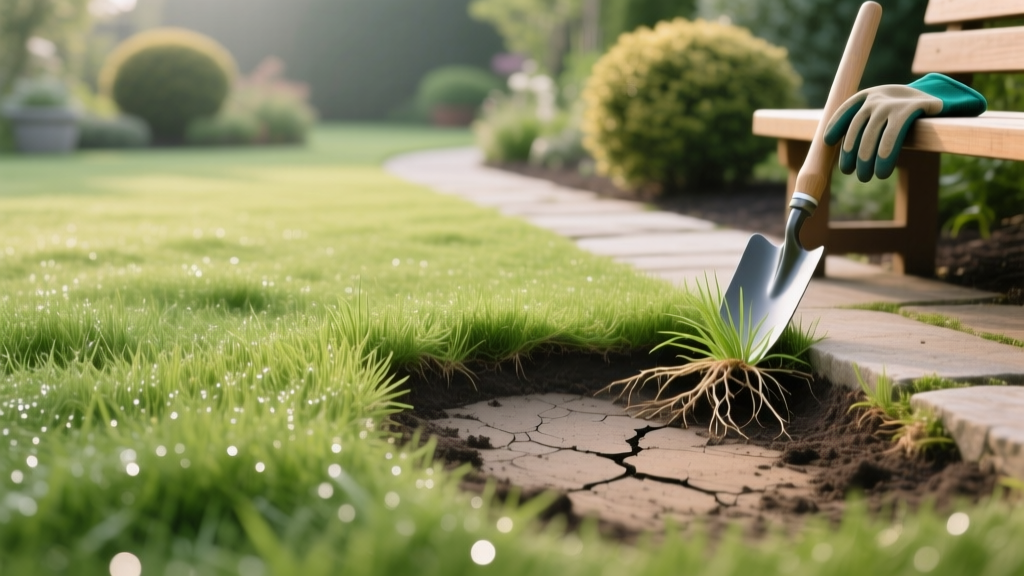
Why Your Lawn Has Bare Patches and How to Fix Them
The fastest way to “mysteriously” create bare patches is to toss grass seed on top of hard, dry soil and hope nature handles the rest. Most grass seed needs consistent moisture for 7–21 days (depending on species) and seed-to-soil contact—without that, you’re basically feeding birds and baking embryos in the sun.
Let’s fix the real causes first (so the patches don’t come right back), then go after repairs with methods that work in the real world—dogs, kids, shade, clay, and all.
Step One: Identify the Bare-Patch Culprit (Before You Spend Money)
Tip: Do the “Tug Test” to learn if you’re dealing with grubs
Grab a handful of grass at the edge of a patch and tug. If it peels up like loose carpet with few roots attached, suspect grubs feeding underground. Flip the sod back and count: 6+ grubs per square foot is often considered damaging in many lawns (thresholds vary by region and turf type). Real-world example: a front yard with “drought stress” that doesn’t respond to watering is often grub damage in disguise.
Tip: Use a screwdriver to diagnose compaction in 30 seconds
Push a screwdriver into the soil near the patch. If you can’t get it down 4–6 inches with moderate pressure, compaction is likely choking roots. Compaction is common along walkways, play areas, and where a mower turns—places that look “random” until you map foot traffic.
Tip: Confirm pet urine spots with a quick pattern check
Dog urine damage usually shows up as a straw-colored center with a darker green ring around it (extra nitrogen at the edges). The spots are often 4–8 inches wide and repeat along fence lines or favorite routes. Example: if patches appear in clusters near the back door, you’re not looking at fungus—you’re looking at habits.
Tip: Measure sunlight, not your guesses
Shade is a top reason grass thins out, and most people underestimate it. Track direct sun for a day: many common turfgrasses struggle under 4 hours of direct sunlight. If your patch sits under a tree canopy and only gets “bright light,” the fix is choosing a shade-tolerant grass (or switching to mulch/groundcover), not endless reseeding.
Tip: Rule out mower damage with one blade inspection
Dull blades tear grass, leaving frayed tips that brown out and invite disease. If the grass ends look shredded (not cleanly cut), sharpen your blade; it’s a $10–$20 shop sharpen or a $6–$12 DIY file job. A dull blade can make a lawn look drought-stressed even when moisture is fine.
Fix the Root Cause (So Your Repair Actually Sticks)
Tip: Correct watering mistakes by switching to “deep-and-rare” with a tuna-can test
“Water more” is vague; this is specific: aim for about 1 inch per week total (rain + irrigation), delivered in 1–2 deep waterings rather than daily splashes. Set 4–6 tuna cans around the lawn and run sprinklers until the average depth hits 0.5 inch; that’s one session. Research-based turf recommendations commonly use the 1-inch target during active growth (University of Minnesota Extension, 2020).
Tip: Decompact with core aeration, then topdress lightly
If your screwdriver test failed, core aeration is the shortcut to getting oxygen and water back to roots. Rent a core aerator for about $70–$110 per day (often cheaper than hiring a crew for small lawns), then topdress with 1/4 inch compost to keep pores open and feed microbes. Example: high-traffic side yards often recover in one season when aeration + compost replaces “more fertilizer.”
Tip: Stop scalping—set mowing height with a ruler once
Scalping exposes soil, dries crowns, and creates perfect bare circles where wheels turn. For cool-season lawns (Kentucky bluegrass, fescues, ryegrass), a common sweet spot is 3–4 inches; for many warm-season grasses, it’s often lower, but still consistent. Hack: mark your mower height setting with a paint pen so it doesn’t creep down over the season.
Tip: Patch pet spots by changing the “dose,” not arguing with the dog
Urine damage is basically a nitrogen burn + salt stress. The easiest fix is to “chase” the urine with water: keep a watering can by the door and pour 1–2 quarts over the spot right after your dog goes. Real-world scenario: one client-style backyard stopped getting new dead spots within a week just by doing the rinse routine consistently.
Tip: Treat grubs only if your count justifies it
Don’t blanket-treat out of fear; it’s money and biology down the drain. If you confirm damaging grub numbers, choose the right timing: preventive products work best when applied around egg hatch in your area (often mid-summer), while curative options are for active infestations. For region-specific timing and thresholds, extension services like Michigan State University Extension discuss scouting and management approaches (MSU Extension, 2019).
“Successful seeding depends on good seed-to-soil contact and consistent moisture during germination.” — Extension turf guidance commonly repeated across land-grant university turf programs (e.g., UC ANR / state extension publications, 2018–2022)
Repair Methods That Work (Pick the One That Matches Your Patch)
Tip: For small spots, use the “scratch, seed, press” micro-repair
For patches under 1 square foot, don’t overthink it. Scratch the soil surface with a hand cultivator 1/4–1/2 inch deep, sprinkle seed, then press it in with your shoe so it’s snug against soil. Example: this is perfect for mower-scalp circles or little kid-path pinch points.
Tip: For medium patches, topdress with compost and overseed with a measured rate
For patches 1–20 square feet, spread 1/4 inch compost, then seed at the label rate (don’t “double it” unless you want weak, crowded seedlings). A practical target for many cool-season repairs is roughly 3–5 pounds of seed per 1,000 sq ft for overseeding, higher for bare-soil seeding depending on mix—read your bag. Lightly rake so seed sits just under the compost, not buried deep.
Tip: For large bare areas, use straw-free mulch or a seed blanket to hold moisture
Large patches fail because the surface dries out between waterings. Instead of straw (which can bring weed seed), use a seed-starting mulch or biodegradable blanket; you’re buying moisture stability. Budget guide: a simple seed blanket might run $0.20–$0.50 per sq ft, but it can save you from reseeding twice.
Tip: Use “plugging” when you need a fast cosmetic match
If your lawn is a spreading grass (like Bermuda or some zoysia), plugs can fill in faster than seed and match color better. Cut plugs 2–3 inches wide from a healthy area (or buy a tray), plant them 6–12 inches apart, and keep evenly moist for the first couple weeks. Real-world example: sunny front-yard bare strips along the curb often respond well to plugs because heat and reflected light make seedling survival tougher.
Seed vs Sod vs Plugs: A Quick Comparison You Can Actually Use
| Method | Best For | Typical Cost | Time to Look “Filled In” | Common Failure Point |
|---|---|---|---|---|
| Seed | Budget repairs, cool-season lawns, filling lots of small patches | Low: often $0.02–$0.10 per sq ft depending on mix | 3–8 weeks (longer to mature) | Drying out during 7–21 days germination |
| Sod | Instant coverage, erosion-prone slopes, high-visibility areas | Higher: often $0.35–$0.80 per sq ft installed DIY | 1–2 weeks to look good; longer to root deeply | Poor soil prep; edges dry out first |
| Plugs | Warm-season lawns, matching existing turf, targeted gaps | Medium: DIY free (from your lawn) or purchased trays vary | 4–12 weeks depending on spread | Inconsistent moisture first 2–3 weeks |
Timing Hacks: When to Repair Bare Patches for the Highest Success
Tip: Time cool-season repairs for early fall, not spring
Cool-season grasses typically establish best when soil is warm but air is cooling—often late summer into early fall. You get fewer weeds competing and less heat stress on seedlings. A practical rule: aim for 6–8 weeks before your average first hard frost so roots can develop.
Tip: Time warm-season repairs for early summer growth spurts
Warm-season grasses like Bermuda and zoysia spread and root best once they’re actively growing. If you try to plug or sod too early, it just sits there, stressed. Real-world example: a zoysia patch planted in cool spring often languishes until June, while the same patch planted in early summer fills noticeably in a month.
Tip: Don’t fertilize bare spots aggressively—feed lightly and later
Heavy nitrogen can push top growth before roots can support it (and it can worsen pet-urine burn patterns). After seeding, many people use a starter fertilizer, but stick to label rates and avoid “extra for luck.” If you want a DIY gentler option, topdress with compost instead of hitting it with high-N fertilizer right away.
Three Real-World Patch Scenarios (and the Fastest Fix That Actually Works)
Scenario 1: The “Mailbox Strip” that dies every summer
This area gets reflected heat from pavement and often a dose of road salt or dog traffic. Fix: switch from seed to sod (or plugs for warm-season grass) and improve the soil under it—mix in 1–2 inches compost before laying sod, then water deeply to encourage downward rooting. Money-saver: sod only the high-stress strip and overseed the rest.
Scenario 2: The shady patch under a tree that never fills in
If you have less than 4 hours of direct sun, grass may thin no matter how perfect your watering is. Fix: prune for “dappled light” by thinning the canopy (not topping), then overseed with a shade-tolerant fine fescue blend. If it still fails, stop fighting biology and create a clean mulch ring or a shade groundcover bed—cheaper than reseeding every season.
Scenario 3: Random circles that spread after humid weeks
That pattern often points to disease, especially if you’re watering late in the day and leaving leaf blades wet overnight. Fix: shift irrigation to early morning (think 5–9 a.m.), mow with a sharp blade, and avoid high nitrogen during peak disease weather. If disease persists, take a clear photo and bring a sample to a local extension office for ID before buying fungicide—misdiagnosis is how lawns get expensive fast.
Money-Saving Shortcuts (Because Lawn Repairs Add Up)
Tip: Buy seed by the right metric: “pure seed” beats “cheap bag”
Two bags can look similar but perform wildly differently. Check the label for percent germination and weed seed—cheap mixes often include filler or low-germination lots. Paying an extra $10–$20 for better seed can save you from reseeding twice (and wasting weeks of watering).
Tip: Use compost as your multi-tool instead of a cart full of products
A thin compost topdress improves moisture retention, soil structure, and seed coverage in one step. One 40-lb bag goes surprisingly fast, so price-shop bulk compost if you have lots of patches—bulk is often far cheaper per cubic foot. DIY option: screen your own finished compost through 1/2-inch hardware cloth for a smoother topdress.
Tip: Rent specialty tools for one day instead of buying them
A core aerator you’ll use once a year doesn’t need to live in your garage. Rental often runs $70–$110/day, and you can knock out aeration, overseeding, and topdressing in a single weekend. Real-world hack: split the rental cost with a neighbor and do both lawns back-to-back.
Patch Repair Checklist (So You Don’t Miss the One Step That Matters)
Tip: Fix grade and soil level before seeding, not after
If the bare patch is a low spot that puddles, seed will rot or wash away. Add soil/compost blend to bring the area level—aim to fill in lifts of 1/2 inch at a time, then firm it with your foot. Example: downspout splash zones almost always need grading changes first.
Tip: Protect new seed from traffic with a simple visual barrier
New seedlings die from one enthusiastic shortcut across the yard. Use a few stakes and string, or lay a cheap temporary garden fence around the repair for 2–3 weeks. It’s not fancy, but it prevents the “I fixed it three times and it still won’t grow” cycle.
Tip: Track your results like a pro—one photo a week
Take a photo from the same spot every 7 days. You’ll catch patterns like “it always dries out near the sidewalk” or “the shady side germinates slower,” which helps you adjust watering and expectations. It also makes it obvious when a patch is failing early—so you can re-seed before the season window closes.
If you want the simplest path: diagnose first (tug test, screwdriver test, sun hours), remove the stressor (compaction, shade mismatch, dull blade, pet spots), then repair with the method that fits the patch size. Do that, and bare patches stop being a recurring lawn mystery—and start becoming a quick weekend fix you actually feel confident about.
Sources: University of Minnesota Extension (2020) turf watering recommendations; Michigan State University Extension (2019) grub scouting/management guidance; UC Agriculture and Natural Resources / state extension turf seeding guidance commonly emphasizing seed-to-soil contact and consistent moisture (2018–2022).