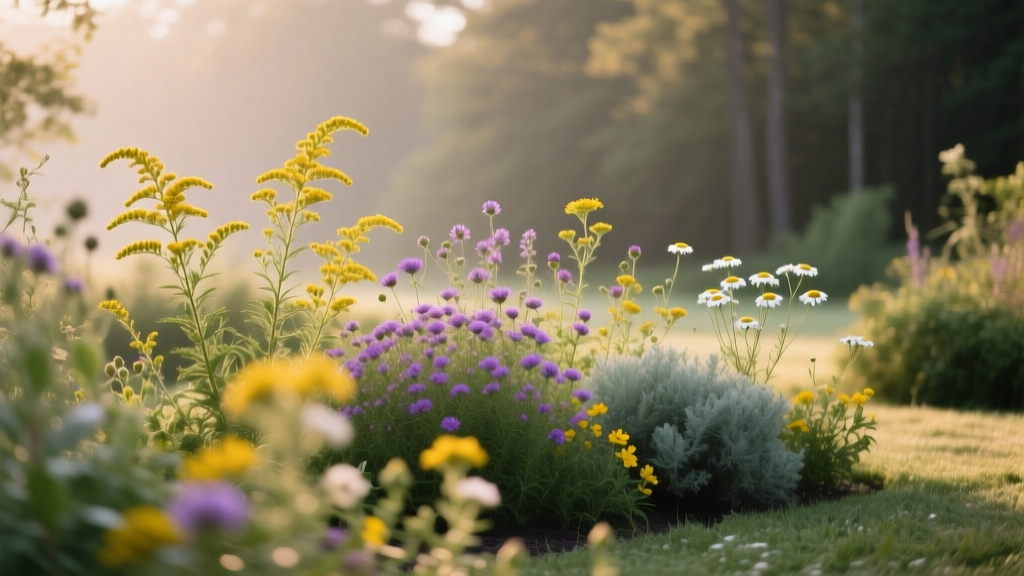
Companion Plants That Benefit Native Plants
You plant a patch of native wildflowers, water them in, and wait for that “low-maintenance meadow” everyone promises. Then the reality hits: the first heat wave arrives, weeds muscle in, and your young natives sit there looking unimpressed. Here’s the surprising part I’ve learned after years of helping home gardeners: many native plants thrive faster and need less intervention when they’re paired with the right neighbors. Companion plants aren’t just for vegetable beds—they’re one of the best tools for getting native plantings established, resilient, and better-looking with fewer inputs.
Done well, companion planting for natives solves practical problems: it shades soil to slow evaporation, knits roots to reduce erosion, provides “living mulch,” supports beneficial insects, and can even reduce disease pressure by improving airflow and diversifying the planting. The key is choosing companions that match the site (light, moisture, soil) and complement growth habits—rather than compete at the wrong time.
How companion planting helps natives (and when it backfires)
Companion plants benefit native plants in three big, measurable ways: they change the microclimate, they manage competition (weeds), and they widen the food web that supports pollinators and beneficial insects.
- Microclimate buffering: Low, spreading plants keep soil cooler and reduce water loss. A 2–3 inch mulch layer can reduce evaporation substantially, but a “living mulch” can do similar work while feeding insects.
- Weed suppression: Dense, well-chosen companions fill gaps so weed seeds get less light. In establishment years (year 1–2), this is often the difference between success and frustration.
- Beneficial insect support: Plant diversity increases the odds you have nectar/pollen across the season and habitat for predators like lacewings and parasitoid wasps.
When it backfires: companions that grow too fast or spread aggressively can smother slower natives. Some tough groundcovers (even native ones) can be “too helpful.” The rule I use: match vigor to vigor, and give slow starters a protected ring of space in their first season.
Practical companion pairings (by job they do)
1) Living mulch companions (weed control + moisture retention)
These are low-to-medium growers that knit the soil without climbing into taller natives.
- Prairie dropseed (Sporobolus heterolepis): A tidy, clumping grass that plays well with forbs and doesn’t run. Great around young coneflowers and asters.
- Wild strawberry (Fragaria virginiana): A semi-evergreen groundcover in many regions; excellent for filling edges. Use it where you can tolerate a bit of spreading.
- Self-heal (Prunella vulgaris ssp. lanceolata): Low flowers, pollinator-friendly, and easy to manage with a trim.
2) Nurse plants (shade + wind protection for seedlings)
Nurse plants protect young natives from extremes. Think of them as training wheels for the first summer.
- Little bluestem (Schizachyrium scoparium): Provides light shade at soil level and excellent structure; pairs well with blazing star (Liatris) and milkweeds.
- Yarrow (Achillea millefolium, regional native types): Tough, quick to establish, attracts beneficial insects, and can be cut back if it crowds neighbors.
- Partridge pea (Chamaecrista fasciculata): An annual native in many areas; quick cover in year 1, then often fades as perennials fill in.
3) Beneficial-insect magnets (pest buffering + pollination)
These companions improve bloom continuity and bring in predators when pests show up.
- Golden alexanders (Zizia aurea): Early-season blooms that help beneficial insects before summer flowers kick in.
- Mountain mint (Pycnanthemum spp.): One of the best “insectary” plants I’ve ever used—pollinators and beneficials swarm it. Give it boundaries; some species spread.
- Late boneset (Eupatorium serotinum) or Joe-Pye weed (Eutrochium spp.): Late nectar for pollinators when many gardens go quiet.
Watering: keeping natives alive without coddling them
Most native perennials are drought-tolerant after establishment, not the day you plant them. Pairing them with the right companions helps, but you still need a sensible watering plan in year 1.
Establishment watering schedule (real numbers that work)
- Weeks 1–2: Water every 2–3 days if there’s no rain, delivering about 1 inch total per week (rain + irrigation).
- Weeks 3–8: Water weekly to reach 1 inch total if rainfall is short.
- After week 8 (first growing season): Water every 10–14 days during dry spells, aiming for a deep soak rather than frequent sips.
Deep soak means wetting soil down 6–8 inches. If you dig and the soil is dry at 3 inches, you didn’t water long enough. Drip irrigation is ideal during establishment; soaker hoses also work if you move them to avoid “dry stripes.”
For reference on establishment watering and plant stress, see USDA Natural Resources Conservation Service guidance on native plantings and establishment practices (NRCS Plant Materials Technical Note, 2020). Also, mulch and watering recommendations aligned with reduced evaporation are widely supported by Extension publications; for example, University of Minnesota Extension discusses mulching and moisture conservation in landscape beds (University of Minnesota Extension, 2023).
Method A vs Method B: drip lines compared to overhead watering
| Method | Typical water use to deliver ~1 inch/week on 100 sq ft | Leaf wetness (disease risk) | Weed stimulation | Best use case |
|---|---|---|---|---|
| Drip irrigation | ~62 gallons (targeted delivery) | Low | Lower (water stays near plants) | New native beds, slopes, tight plantings |
| Overhead sprinkler | ~62–90 gallons (more loss to wind/evaporation) | Higher | Higher (waters open soil between plants) | Large meadow areas; temporary establishment only |
The 62-gallon figure comes from the common irrigation conversion: 1 inch of water over 100 sq ft ≈ 62 gallons. In real gardens, overhead often uses more because of drift and uneven coverage.
Soil: what your natives actually need (and what they don’t)
Native plants don’t require “rich” soil—many prefer average or lean soil. Companions should match that preference. If you amend heavily with compost and fertilizer, you often end up feeding weeds and floppy growth.
Quick soil checklist before you plant
- Drainage test: Dig a hole 12 inches deep, fill with water, let it drain, then fill again. If it drains within 2–4 hours, you’re in a good range for many prairie-type natives. If it holds water overnight, choose wet-tolerant natives and companions.
- pH reality: Many natives tolerate a wide range, but extremes matter. If your soil test shows pH below 5.5 or above 7.8, pick region-appropriate species that tolerate it rather than forcing the soil to change quickly.
- Compaction: If you can’t push a trowel in easily when soil is moist (not wet), you likely have compaction. Consider broadforking or core aeration before planting.
If you want a science-backed starting point, use a soil test and follow state Extension recommendations for interpreting results; many states provide guidance on native plantings and soil management (for example, Penn State Extension soil testing resources, 2022).
Living mulch vs wood mulch: a practical comparison
Wood mulch is still useful—especially in year 1 around slow starters. But living mulch companions can take over the job once plants are established.
- Wood mulch: Apply 2–3 inches, keep it 2–3 inches away from crowns to prevent rot.
- Living mulch: Plant plugs 8–12 inches apart for quick knit-in. Expect to thin in year 2 if it crowds slower perennials.
Light: companion plant placement that prevents bullying
Light is where companion planting either sings or turns into a wrestling match. Most prairie and meadow natives want 6+ hours of direct sun. Woodland-edge natives may prefer 3–5 hours of sun or dappled shade.
Use “height and shade maps” when you plant
- Place taller, later-season natives (like Joe-Pye weed) on the north or west side so they don’t shade sun-lovers.
- Use clumping grasses (little bluestem, prairie dropseed) as “spacers” between aggressive spreaders and delicate plants.
- Keep fast groundcovers from creeping into the crown zone of slow perennials—give slow growers a 6-inch open ring in year 1.
Real-world note: I’ve seen blanketflower (Gaillardia) and coreopsis thrive in lean, sunny beds—until someone tucks in an overly lush companion that throws shade by midsummer. The natives didn’t “fail”; the light pattern changed.
Feeding: fertilizer is usually the wrong lever
If your goal is resilient natives, go easy on fertilizer. Many native plants flop or become short-lived when pushed with nitrogen. Companions should support soil health, not force growth.
What I do instead of fertilizing
- Topdress lightly: If soil is truly poor (sand with no organic matter), topdress with 1/2 inch compost in spring—once, not annually by default.
- Use plants as soil builders: Include nitrogen-fixing natives like partridge pea (annual) or lupines (regional) where appropriate.
- Leave the leaves: In beds, shredded leaves act like a gentle, slow nutrient cycle and support beneficial insects.
“Diverse plantings support more beneficial insects and can reduce pest outbreaks compared to simple plantings.” — University Extension integrated pest management guidance (University of California Statewide IPM Program, 2021)
That’s been my experience in home landscapes, too: fewer monocultures means fewer “all-you-can-eat” pest events.
Common problems (and companion-based fixes)
Native plant beds rarely fail for one reason. It’s usually a stack: a little too much mulch here, a little too much shade there, weeds getting a head start, and watering that’s frequent-but-shallow. Here’s how companions can help—and what to do when symptoms show up.
Troubleshooting: symptoms and targeted solutions
Symptom: seedlings or new plugs wilt every afternoon (even after watering)
- Likely causes: Shallow watering, hot reflected heat, wind exposure, or roots not established yet.
- Do this:
- Water early morning and soak to 6–8 inches.
- Add a temporary nurse plant effect: place a small clump grass plug (like prairie dropseed) 10–12 inches away on the west side to reduce afternoon scorch.
- Mulch lightly (2 inches) around, but keep crowns clear.
Symptom: black-eyed Susans or coneflowers flop over midseason
- Likely causes: Too-rich soil, too much nitrogen, or too much shade prompting stretchy growth.
- Do this:
- Stop fertilizing.
- Thin or relocate shading companions.
- Interplant with clumping grasses (little bluestem) at 18–24 inches spacing to provide natural support and reduce flopping.
Symptom: powdery mildew on bee balm (Monarda) or phlox
- Likely causes: Poor airflow, overhead watering, dense plantings, or susceptible varieties.
- Do this:
- Switch to drip or water at soil level.
- Thin stems in late spring to improve airflow; aim for 6–8 inches between stems.
- Use companions that don’t crowd: prairie dropseed instead of a dense, spreading groundcover right at the base.
Symptom: weeds explode in the gaps (crabgrass, foxtail, thistle seedlings)
- Likely causes: Bare soil during establishment, slow-growing natives, or mulch that’s too thin/patchy.
- Do this:
- Hand-weed weekly for 10 minutes per 100 sq ft during the first 6–8 weeks—it’s the highest-return habit you can build.
- Plant “gap fillers” as companions: self-heal or wild strawberry plugs at 10–12 inches apart.
- Use a 2–3 inch mulch layer temporarily in open areas until plants knit in.
Three real-world scenarios (what I’d plant and how I’d manage it)
Scenario 1: New sunny native bed on clay that stays wet in spring
The problem: Spring puddling and summer cracking clay. Many prairie natives can handle clay, but companions must tolerate wet feet early and drought later.
What works:
- Core natives: Swamp milkweed (Asclepias incarnata), blue vervain (Verbena hastata), New England aster (Symphyotrichum novae-angliae).
- Companions: Switchgrass (Panicum virgatum) for structure and root knitting; golden alexanders for early beneficial insects.
Care plan: Plant in late spring once soil is workable and night temps are consistently above 50°F. Water weekly during the first 8 weeks if rainfall is short. Avoid heavy compost; instead, use a 2-inch mulch ring around plugs the first season, then let companions fill the gaps.
Scenario 2: Dry, sunny slope where erosion steals mulch
The problem: Water runs off, seed washes downhill, and wood mulch slides away in storms.
What works:
- Core natives: Butterfly milkweed (Asclepias tuberosa), purple coneflower (Echinacea purpurea), prairie clover (Dalea spp., region-appropriate).
- Companions: Prairie dropseed and little bluestem (deep roots), plus a modest amount of wild strawberry on edges where you can manage spread.
Care plan: Use plugs rather than seed on steep slopes. Space grasses 18 inches apart to quickly create a root net. Water with drip for the first season: two deep soakings per week for the first 2 weeks, then weekly for the next 6 weeks. Once established, water only during prolonged drought (no meaningful rain for 14+ days).
Scenario 3: Part-shade yard under mature trees (root competition is real)
The problem: Tree roots drink first. Even “shade natives” struggle if you treat this like a normal bed.
What works:
- Core natives: Woodland phlox (Phlox divaricata), zigzag goldenrod (Solidago flexicaulis), Solomon’s seal (Polygonatum spp.).
- Companions: Wild ginger (Asarum canadense) or sedges (Carex spp.) as living mulch; they handle root competition better than many perennials.
Care plan: Plant in early fall when soil is still warm but air is cooler—roots establish with less stress. Water slowly and deeply once a week for the first 6–8 weeks if rain is light. Use shredded leaves 2 inches deep as mulch; it stays put better than wood chips under trees and supports soil life.
Step-by-step: building a companion “support system” around natives
- Start with the anchor natives: Place your longest-lived, structural plants first (often grasses + a few signature forbs). Use mature widths, not pot size.
- Add companions to fill gaps: Put living mulch companions where you’d otherwise mulch. Keep a 6-inch open ring around slow starters in year 1.
- Plan bloom timing: Aim for at least one plant blooming in spring, summer, and fall to keep beneficial insects around.
- Water for establishment, then taper: Use the 1 inch/week guideline early, then stretch intervals to push deeper roots.
- Edit yearly: In spring of year 2, thin or divide any companion that’s crowding. A hand spade and 15 minutes of firm decisions beats years of imbalance.
Common companion plant “gotchas” (learned the hard way)
A few plants show up on lists as “great companions” and then cause trouble in small home beds. This isn’t about banning them—it’s about using them with eyes open.
- Very aggressive spreaders: Some mountain mints and bee balms can run. Use them where you can mow an edge, install a barrier, or thin twice a season.
- Too much shade from fast growers: Tall companions placed on the south side can shade sun lovers by July. Place tall plants north/west when possible.
- Overmulching + living mulch: If you plant groundcovers and also keep 3 inches of wood mulch, you can create overly moist crowns and slug habitat. Pick one strategy per zone.
The sweet spot is a community where each plant does a job: grasses support stems and knit soil, low growers shade the ground, and bloomers keep beneficial insects working. Once you see that system kick in—usually sometime in the second growing season—you’ll spend less time “saving” your natives and more time enjoying them. And that’s the whole point of planting natives at home: a garden that looks alive because it is.