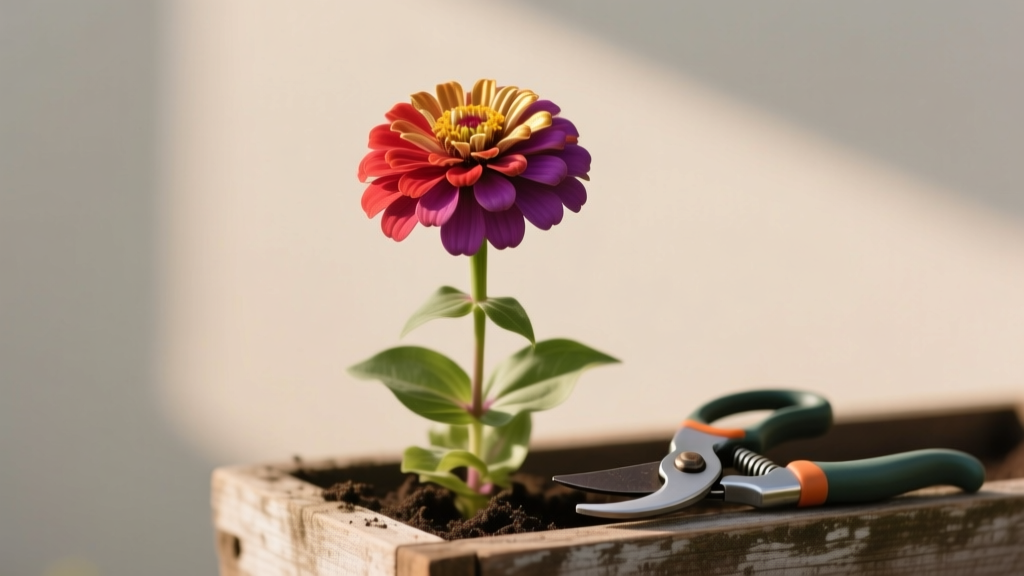
When Is the Best Time to Repot Zinnias
You sowed zinnias, they jumped up fast, and now you’ve got a jungle of seedlings leaning toward the window like they’re trying to escape. Or maybe your nursery transplants look fine—until they stall for two weeks after you pot them up and the leaves get a little purple. Zinnias are famously easy, but they’re also quick to punish sloppy timing. Repot too early and you set them back; wait too long and they get rootbound and cranky. The sweet spot is real, and once you learn to read a couple simple signals, repotting becomes a non-event.
The trick with zinnias is that they grow fast aboveground, but their roots are even faster when temperatures are right. That’s why “calendar timing” matters less than plant stage and conditions. Below is how I time it in my own seed-starting and container gardens, plus what to do when you miss the window (because we all do).
Best time to repot zinnias (the practical answer)
Repot zinnias when they have 2–3 sets of true leaves and the root ball holds together but isn’t circling heavily. For most home setups, that’s usually 10–21 days after germination under warm, bright conditions.
Repotting “windows” based on what you’re growing
- Seedlings in trays/cell packs: Pot up at 2–3 true-leaf sets, often when they’re 2–4 inches tall.
- Nursery starts (4-inch pots): Repot if roots are circling the pot bottom or pushing out drainage holes, or if the plant dries out in <24 hours after watering.
- Indoor overwintered cuttings (rare for zinnias): Repot just as growth resumes and days lengthen—before the plant gets top-heavy.
Temperature matters. Zinnias hate cold feet. If your potting area, greenhouse, or outdoor bench is running below 55°F (13°C), hold off unless you can keep them warmer afterward. Many growers aim to plant zinnias outside only once nights are consistently above 50–55°F.
For timing reference, the National Gardening Association notes zinnias are warm-season annuals that prefer warm soil and weather for best growth (National Gardening Association Plant Guide, 2021). And university extension guidance consistently warns that chilling slows growth and increases stress, which makes repotting setbacks worse (University of Minnesota Extension, 2023).
3 real-world scenarios (and what I’d do)
Scenario 1: Leggy windowsill seedlings that topple over
If your seedlings are stretching, the instinct is to repot immediately and bury the stems deep like tomatoes. With zinnias, don’t overdo that. They can rot if buried too deep in cool, wet mix.
- Repot when you see 2 true-leaf sets and the stem is still firm.
- Set the seedling slightly deeper—about 1/2 inch deeper than it was—no more.
- Then fix the cause: increase light to 14–16 hours/day under grow lights, or move closer to the brightest window.
Scenario 2: Healthy transplants in a 4-inch pot that keep wilting by afternoon
If a zinnia wilts daily even when the soil looks moist, it’s often rootbound or the pot is too small for the heat load. If it dries out fully between waterings, flower production suffers.
- Slide the plant out and check roots. If you see dense circling at the bottom, repot today.
- Move from a 4-inch pot to a 1-gallon container (or into the ground), and water in thoroughly.
- Provide light shade for 24–48 hours if the weather is hot and windy.
Scenario 3: You waited too long—seedlings in cells are tangled and yellowing
This happens when life gets busy. Zinnia roots can fill small cells quickly. When roots are cramped, leaves yellow, growth stalls, and plants “age” too fast—meaning they may flower small and early.
- Water the tray first (slightly moist roots separate more safely).
- Tease the bottom 1/4 inch of the root mass gently with fingers—don’t shred it.
- Pot up into a container at least 3–4 inches wide per plant.
- Hold fertilizer for 5–7 days after repotting, then start light feeding.
How to tell a zinnia is ready to repot (plant signals)
Ignore the calendar for a moment and look for these cues:
- True leaves: At least 2 sets beyond the seed leaves (cotyledons).
- Root visibility: Roots just beginning to show at drain holes—or the root ball holds together when lifted.
- Watering frequency: Pot dries out in 24 hours under normal indoor conditions.
- Growth slowdown: Plant stops adding new leaves even though light and temperature are good.
Avoid repotting when plants are stressed from heat, drought, or cold. If a zinnia is wilted, water first and repot the next day when it’s perky again.
Repotting method A vs method B (and what actually works better)
Zinnias can be fussy about root disturbance compared to some annuals, but you can still repot successfully if you’re gentle. Here’s a straight comparison I use when advising home gardeners:
| Method | Best for | Root disturbance | Typical setback | Success rate (home conditions) |
|---|---|---|---|---|
| A: “Slip pot” (no root teasing) | Seedlings at 2–3 true-leaf sets; nursery starts not rootbound | Low | 0–2 days | High (often >90% if watered well) |
| B: “Root correction” (light teasing/slicing) | Rootbound plants with circling roots | Moderate | 3–7 days | Medium (70–85%; depends on aftercare) |
If you can get away with Method A, do it. Method B is sometimes necessary, but it requires steadier watering afterward and protection from harsh sun for a day or two.
“Transplant shock is largely water stress—roots are temporarily reduced in function, so keeping moisture even (not soggy) is the fastest path back to growth.” — Extension horticulture guidance summarized from University publications on transplant establishment (University of Minnesota Extension, 2023)
Step-by-step: How to repot zinnias without stalling them
This is the routine that keeps zinnias growing like nothing happened.
- Choose the next pot size: Move up one size. For seedlings, go from cell packs to 3–4 inch pots. For 4-inch nursery starts, go to 1-gallon.
- Pre-moisten your mix: Aim for “wrung-out sponge” damp. Dry mix can pull moisture away from roots.
- Water the plant first: Water 1–2 hours before repotting so the root ball slides out intact.
- Handle by leaves, not stems: If you must grip a seedling, hold a leaf (it can regrow). A crushed stem ends the plant.
- Set depth correctly: Keep the crown at the same level, or only 1/4–1/2 inch deeper if it’s leggy.
- Firm lightly: Press the mix around the root ball so there are no air gaps, but don’t pack it hard.
- Water in thoroughly: Water until you get runoff. For a 4-inch pot, that’s often 1/2–3/4 cup depending on soil and dryness.
- Aftercare: Give bright light but avoid brutal midday sun for 24 hours if they were indoors.
Soil for repotting zinnias (container and potting-up mixes)
Zinnias want a mix that drains fast but doesn’t dry instantly. The biggest mistake I see is heavy, peat-saturated mix in a cool room—roots sit wet and sulk.
What to use
- Seedling pot-up mix: A quality potting mix with added perlite for airflow. If you mix your own, target roughly 20–30% perlite by volume.
- Garden beds: Loose, well-drained soil with compost. Avoid fresh manure (too hot, too much nitrogen).
Soil pH and texture
Zinnias generally do well around neutral soil; a practical target is pH 6.0–7.5. The key is drainage. If water puddles on top for more than 30 seconds after watering, you likely need more aeration (perlite, coarser mix) or better drainage holes.
Light: repot timing is tied to how much sun they’ll get
Repotting is easier to recover from when plants have strong light. Zinnias want full sun outdoors—think 6–8+ hours of direct sun for best stems and blooms.
If you’re potting up indoors, weak light is what makes plants leggy and fragile. Give them:
- 14–16 hours under grow lights, or
- The brightest south/west window you have, plus a reflective surface.
Hardening off matters if you’re moving repotted plants outside. Start with 1–2 hours of morning sun the first day, then add time daily over 7–10 days.
Watering after repotting (this is where most people lose them)
Right after repotting, zinnia roots are adjusting to new soil contact and oxygen levels. Your job is steady moisture—not constant wetness.
A simple watering rule that works
- Water deeply, then wait until the top 1 inch of mix is dry before watering again.
- In small pots indoors, that might be every 2–4 days. Outdoors in summer heat, it can be daily.
Signs you’re watering wrong
- Too wet: droopy leaves that don’t perk up at night, fungus gnats, sour smell, slow growth.
- Too dry: crispy leaf edges, repeated midday wilting, buds dropping, thin stems.
A practical note from extension resources: powdery mildew is encouraged by humidity and poor airflow, but plants stressed by drought also become more susceptible (University of California Agriculture and Natural Resources IPM guidance, 2022). Even watering and spacing help on both fronts.
Feeding: when to fertilize after repotting zinnias
If you use fresh potting mix, it often contains some fertilizer already. Overfeeding right after repotting can push soft growth that flops and attracts pests.
My feeding schedule
- Wait 5–7 days after repotting before fertilizing (unless plants are clearly pale and your mix is unfertilized).
- Use a balanced liquid fertilizer at 1/2 strength every 10–14 days for container zinnias.
- Once buds form, switch to a bloom-friendly ratio (slightly higher potassium) if desired, but don’t chase numbers—consistent sun and water matter more.
Too much nitrogen gives you tall plants with fewer flowers. If your zinnias are lush and green but not blooming, reduce feeding and increase sun exposure.
Common problems after repotting (symptoms and fixes)
Most repotting issues show up within the first 3–10 days. Here’s how to diagnose quickly.
Problem: Wilting even though the soil is moist
- Likely causes: roots damaged during repotting; potting mix staying too wet; sudden jump to hot sun/wind.
- Fix:
- Move to bright shade for 24–48 hours.
- Check drainage holes—make sure water can run out freely.
- Let the top 1 inch dry before watering again.
Problem: Yellow leaves starting at the bottom
- Likely causes: overwatering; nitrogen deficiency in an inert mix; rootbound stress if not actually repotted soon enough.
- Fix:
- Adjust watering cadence (let surface dry).
- After 5–7 days, feed at 1/2 strength.
- If still in a tight pot, move up to a pot 1–2 inches wider.
Problem: Purpling leaves or stalled growth
- Likely causes: cold temperatures (common in spring), phosphorus uptake slowed by chill.
- Fix:
- Keep plants above 60°F (16°C) if possible.
- Warm the root zone (move pots off cold concrete; use a heat mat set around 70°F for seedlings).
- Don’t overwater in cool conditions.
Problem: Powdery mildew later in the season
- Symptoms: white, dusty coating on leaves; leaves yellow and brown; bloom quality drops.
- Fix:
- Give plants space: aim for 10–18 inches between plants depending on variety.
- Water at soil level, not overhead, and water early in the day.
- Remove the worst affected leaves and improve airflow.
Problem: Fungus gnats in newly potted seedlings
- Likely cause: mix kept too wet, especially indoors.
- Fix:
- Let the top 1–2 inches dry between waterings.
- Bottom-water for a week to keep the surface drier.
- Use yellow sticky cards to reduce adults while you correct moisture.
Repotting into the garden vs repotting into a bigger pot
Sometimes the “best repotting” is skipping pots entirely and planting out—if weather allows. Here’s how I decide.
Plant into the garden when:
- Night temps are reliably above 50–55°F.
- You can give 6–8 hours of sun.
- Soil drains well and isn’t waterlogged after rain.
Pot up again when:
- Cold nights are still hanging around.
- You need more time to harden off seedlings.
- You’re growing zinnias in containers long-term (patio planters, balconies).
If you’re growing tall zinnias in containers, size matters. A reliable starting point is 1 plant per 1–2 gallons for medium varieties, and 2–3 gallons for very tall types if you want less watering and sturdier growth.
Small details that make a big difference
These are the “master gardener” tweaks that keep zinnias from wobbling after repotting:
- Repot in the evening or on a cloudy day when transpiration is lower.
- Use a gentle fan indoors (low setting) to strengthen stems—just don’t blast them dry.
- Pinch for branching when plants are 8–12 inches tall (optional). More branches usually means more flowers, but don’t pinch stressed plants.
- Stake early for tall varieties—a small stake placed at repotting time avoids root damage later.
If you remember only one thing: repot zinnias when they’re young enough to bounce back fast (2–3 sets of true leaves), warm enough to grow (60–75°F is a comfortable range), and dry enough in the pot that you’re not tempted to keep them soggy. Do that, and zinnias will act like they were never moved—then they’ll reward you with flowers you can cut all summer long.