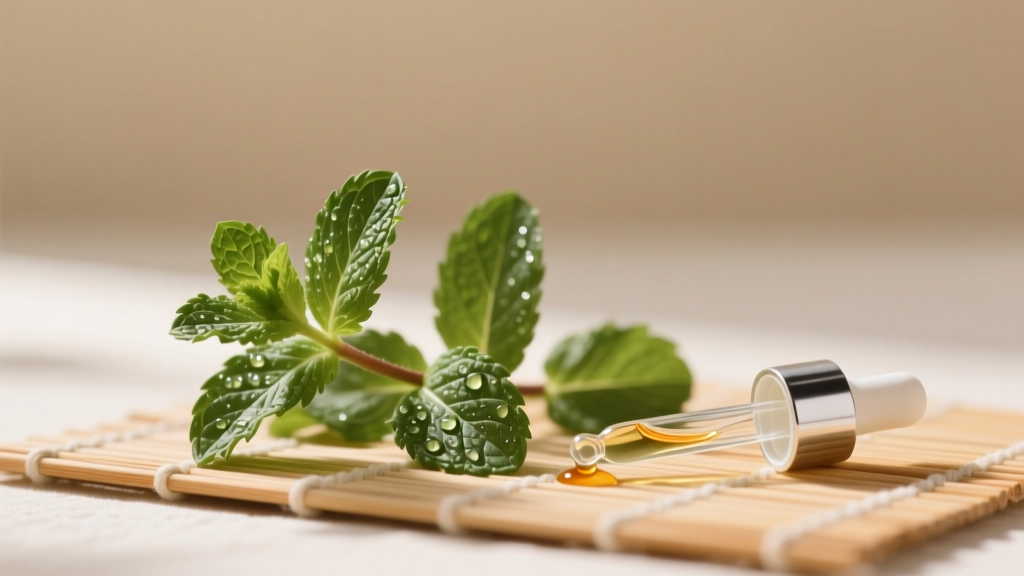
Fish Emulsion Feeding for Mint
You plant mint because you want it to be the easy herb—the one that forgives missed waterings and still throws out fresh leaves for tea. Then midsummer hits and the mint starts looking tired: pale new growth, spindly stems, leaves that smell a little weak, and a patch that just… stalls. The surprise is that mint can be “easy” and still be hungry. Fast-growing herbs burn through nitrogen quickly, especially in containers, and that’s where fish emulsion can pull a mint patch back into gear—if you use it with a steady hand.
This is a practical, soil-on-your-gloves guide to feeding mint with fish emulsion: how much to use, when to apply it, what problems it solves (and what problems it can create), and how to troubleshoot when your mint still won’t cooperate.
Start with the basics: what fish emulsion does for mint
Fish emulsion is a liquid fertilizer made from processed fish byproducts. Most blends are relatively high in nitrogen (N), with smaller amounts of phosphorus (P) and potassium (K). Common labels you’ll see are around 5-1-1 or 4-1-1, though it varies by brand.
Mint responds quickly to nitrogen because you’re harvesting leaves and stems, not fruit. When the plant has enough nitrogen, you’ll usually see:
- Deeper green leaves within 5–10 days
- Faster stem extension and branching
- More frequent harvests (and more regrowth after cutting)
But mint is also famous for growing aggressively. Feeding is not about “max growth at all costs”—it’s about steady, flavorful growth without turning the patch into an invasive monster or diluting aroma with overly lush, watery tissue.
“Excess nitrogen can encourage succulent growth that is more attractive to pests and may be more prone to disease.” — Clemson Cooperative Extension, Home & Garden Information Center (2023)
That warning applies to mint. Fish emulsion is forgiving, but it’s still nitrogen. Use it like a tool, not a habit.
Watering: the make-or-break factor when feeding with fish emulsion
If I had to pick one reason fish emulsion “doesn’t work” for home gardeners, it’s this: feeding a thirsty plant or feeding dry soil. Mint likes consistently moist soil—not swampy, not bone-dry.
How often to water mint (with real numbers)
Use these as starting points and adjust for your weather and pot size:
- In-ground mint: aim for about 1 inch of water per week from rain + irrigation (more during heat waves).
- Containers (10–14 inch pot): in warm weather, expect to water every 1–3 days. In cooler weather, every 3–6 days may be enough.
- Heat stress threshold: when daytime highs push above 85°F (29°C), mint in pots often needs daily checks.
A simple rule that works: water when the top 1 inch of soil feels dry. Don’t guess—poke a finger in. Mint’s roots mostly live in the upper zone, especially in containers.
Watering correctly on feeding day
Fish emulsion is safest when soil is already moist. Here’s the rhythm I use:
- Water the pot or bed lightly first (or feed the day after a thorough watering).
- Apply diluted fish emulsion to the soil, not the leaves, unless your product explicitly supports foliar use.
- Rinse any splashes off leaves with plain water if you’re harvesting soon (fish smell can linger).
Moist soil helps prevent root burn and helps the fertilizer move evenly through the root zone.
Soil: where fish emulsion shines—and where it can backfire
Mint is adaptable, but it performs best in soil that holds moisture while still draining well. That balance matters because fish emulsion is a liquid; if your soil drains too fast, nutrients flush away. If your soil stays soggy, you invite root problems.
Target soil conditions for mint
- Texture: loam or potting mix with good structure (not heavy clay, not pure sand)
- pH: slightly acidic to neutral, roughly 6.0–7.0
- Organic matter: compost helps buffer nutrients and moisture
University of Minnesota Extension notes that many herbs prefer well-drained soil and warns against overwatering and soggy conditions that encourage root disease (University of Minnesota Extension, 2022). Mint is tolerant, but it’s not immune.
Container mix that supports fish emulsion feeding
If you’re growing mint in pots (recommended, because mint spreads), aim for a mix that holds moisture but drains freely. A reliable blend:
- 70% quality potting mix
- 20% finished compost
- 10% perlite (or extra bark fines if your mix is already light)
This reduces the “leach-out” problem you get with thin potting media and frequent watering.
Light: feeding won’t fix a mint plant kept in the dark
Fish emulsion can’t compensate for poor light. Mint will grow in partial shade, but the best leaf production usually comes with decent sun.
Practical light targets
- Ideal: 6 hours of sun (morning sun + afternoon shade is great in hot climates)
- Minimum for decent growth: 4 hours of sun or very bright indirect light
- Indoors: put it right at the brightest window; if you’re using grow lights, aim for 12–14 hours/day
Light affects flavor. In deep shade, mint can get big leaves that taste bland. With better light and moderate feeding, you get that sharp, clean aroma you planted it for.
Feeding mint with fish emulsion: how to do it without overdoing it
Here’s the honest truth: mint doesn’t need heavy fertilizer in good garden soil. But it does benefit from gentle, regular feeding in containers and in heavily harvested patches.
Pick the right dilution (and stick to it)
Always read your product label first, but for most common fish emulsion concentrates, a safe, effective starting point is:
- Soil drench: 1 tablespoon per gallon of water (about 15 mL per 3.8 L)
- For sensitive or stressed mint: start at 1 teaspoon per gallon and increase later
If you’re feeding a 10–12 inch pot, apply roughly 2–4 cups of diluted solution—enough to moisten the root zone, not flood it.
Timing: when to feed mint for best results
Mint has a predictable rhythm. Feed to support growth spurts, not to force growth during stress.
- Spring (after new growth begins): feed once, then again in 2–3 weeks if growth is pale or slow.
- Summer (active harvest period): feed every 2–4 weeks in containers; every 4–6 weeks in-ground if soil is average.
- Heat waves: pause feeding if mint is wilting daily. Resume when it’s stable.
- Late season: stop feeding about 4–6 weeks before your first expected frost so growth can firm up.
NC State Extension reminds gardeners to fertilize based on plant needs and to avoid excessive fertilizer applications that can increase pest issues and nutrient runoff (NC State Extension, 2023). For mint, that means moderate, not constant.
Three real-world feeding scenarios (and what I’d do)
Scenario 1: Container mint that looks pale and stalls in July.
This is the classic “washed out” pot: frequent watering, nutrients constantly leaching, and roots filling the container.
- First, water deeply and check drainage holes.
- Feed with fish emulsion at 1 tbsp/gallon every 2 weeks for 6 weeks.
- Harvest (cut back) by 1/3 right after feeding to encourage branching.
- If roots are circling, up-pot to a container 2–4 inches wider or root-prune and refresh soil.
Scenario 2: In-ground mint that grows fast but tastes “watery.”
This is often too much nitrogen, too much shade, or both.
- Stop fish emulsion for 3–4 weeks.
- Harvest more frequently (every 7–10 days) to keep growth young.
- Increase light if possible (even 1–2 more hours of sun helps).
- Top-dress with 1/2 inch compost instead of liquid feed.
Scenario 3: Indoor mint that’s leggy and attracts fungus gnats.
Indoors, fish emulsion can worsen gnats if the soil stays damp.
- Reduce watering frequency; let the top 1–2 inches dry between waterings.
- Switch to bottom watering for a few weeks.
- Feed at 1 tsp/gallon no more than every 4 weeks, or pause feeding entirely until growth improves.
- Add a 1/2 inch layer of coarse sand or fine gravel to the soil surface to discourage egg-laying.
Fish emulsion vs other feeding methods (with real comparisons)
Fish emulsion is popular because it works quickly and is easy to mix. But it’s not the only way to feed mint. Here’s how it stacks up against compost tea and slow-release granular fertilizer for a typical home gardener.
| Feeding method | Typical N-P-K | How fast you’ll see a response | Typical application interval | Best use case for mint | Watch-outs |
|---|---|---|---|---|---|
| Fish emulsion (liquid) | ~5-1-1 | ~5–10 days | Every 2–4 weeks (containers), 4–6 weeks (in-ground) | Pale, slow mint; heavy harvesting; nutrient-leached pots | Odor; can attract pets; overuse can cause soft growth and aphids |
| Compost top-dress | Varies (usually low) | 2–6 weeks (gradual) | Every 6–10 weeks during active growth | Steady, balanced growth; improving soil structure | Not fast enough for acute yellowing; can add weed seeds if compost is poor |
| Slow-release granular | Often 10-10-10 or similar | 1–3 weeks | Every 8–12 weeks (product dependent) | Low-maintenance feeding for busy gardeners | Easy to overapply; salts can build up in containers; less control |
Comparison analysis in plain language: if your mint is actively growing and looks hungry right now, fish emulsion is the quickest, most adjustable option. If your mint is already growing well, compost is often enough. If you routinely forget to feed, a slow-release product can work—but measure carefully.
Common problems fish emulsion can solve (and the symptoms to watch)
Mint tells you what it needs if you know what you’re looking at. These are the situations where fish emulsion is genuinely useful.
Problem: pale leaves and weak growth
Symptoms: New leaves are light green; stems are thin; growth slows even with regular watering.
Likely cause: Nitrogen deficiency, often from leaching in pots or depleted soil after frequent harvesting.
Fix:
- Feed with fish emulsion at 1 tbsp/gallon every 2–3 weeks for two feedings.
- Make sure the plant gets at least 4–6 hours of light.
- If it’s in a small pot, consider stepping up to a container 2 inches wider.
Problem: slow recovery after a hard harvest
Symptoms: You cut mint back and it takes weeks to rebound; regrowth is sparse.
Likely cause: Not enough available nitrogen and/or roots stressed by dry cycles.
Fix:
- Feed within 24–48 hours after harvesting (once the soil is moist).
- Don’t cut more than 1/2 the plant at once if it’s already stressed.
- Mulch in-ground mint with 1–2 inches of shredded leaves or fine bark to stabilize moisture.
Problem: mint is green but “lazy” (few new shoots)
Symptoms: Leaves look fine, but the plant isn’t branching; it’s tall and open.
Likely cause: Not a fertilizer issue. Usually insufficient light, or it needs a pinch/harvest.
Fix:
- Pinch stems back by 2–3 inches to force branching.
- Increase sun exposure by even 1 hour if possible.
- Feed lightly (or not at all) until structure improves.
Troubleshooting: when fish emulsion causes problems
Most fish emulsion mishaps come down to concentration, frequency, or applying to stressed plants. Here are the common “uh-oh” moments and how to correct them.
Symptom: leaf tips browning after feeding
Most likely causes: Too-strong solution, dry soil at application, or salt buildup (especially in pots).
What to do:
- Flush the pot with plain water: run water through until at least 20–30% drains out the bottom.
- Skip feeding for 3–4 weeks.
- Resume at 1 tsp/gallon and only feed when soil is already moist.
Symptom: lots of lush growth, but more aphids
Most likely causes: Too frequent feeding creating soft, nitrogen-rich shoots that pests love.
What to do:
- Stretch feeding intervals to 4 weeks (containers) or stop temporarily.
- Rinse aphids off with a strong spray of water every 2–3 days for a week.
- Harvest the worst-infested tips and discard (don’t compost if heavily infested).
Symptom: unpleasant odor lingers on leaves
Most likely causes: Splashing diluted emulsion on foliage, feeding right before harvest, or using too concentrated a mix.
What to do:
- Apply to soil only; water in lightly afterward.
- Feed right after you harvest, not right before.
- Wait 3–5 days after feeding for the cleanest-tasting harvest.
Symptom: fungus gnats in indoor mint
Most likely causes: consistently wet soil surface plus organic inputs.
What to do:
- Let the top 1–2 inches dry between waterings.
- Use yellow sticky traps to monitor adults.
- Pause fish emulsion for 4 weeks and focus on light and watering first.
Common mint problems that aren’t fixed by fertilizer (but matter for feeding success)
Sometimes mint struggles and gardeners reach for fertilizer, when the real issue is disease, root crowding, or heat stress. Feeding a struggling plant can make things worse.
Rust (orange spots) on mint leaves
Symptoms: Orange or rusty-brown pustules on leaf undersides; yellowing leaves; gradual decline.
What to do:
- Remove and discard infected leaves (don’t compost).
- Increase airflow: thin crowded stems and avoid overhead watering.
- Do not push high nitrogen; keep fish emulsion light (1 tsp/gallon) or pause until new clean growth appears.
Rootbound container mint
Symptoms: Soil dries out very fast; plant wilts quickly; growth is tight and stunted even after feeding.
What to do:
- Slide the plant out and check roots. If they’re circling densely, up-pot by 2–4 inches or divide.
- Refresh with new mix and water thoroughly.
- Wait 7 days after repotting before feeding at half strength.
Heat stress
Symptoms: Wilting midday even when soil is moist; leaf edges curl; growth pauses.
What to do:
- Provide afternoon shade when temps exceed 90°F (32°C).
- Mulch in-ground plants with 2 inches organic mulch.
- Hold fertilizer until the plant stops wilting daily; then resume lightly.
Best practices: a simple fish emulsion routine that works
If you want one repeatable system, this is it. It’s conservative, it works in most home gardens, and it keeps mint flavorful.
For container mint
- Water when the top 1 inch is dry.
- Feed with fish emulsion at 1 tbsp/gallon every 3 weeks during active growth.
- After every 2 feedings, flush once with plain water to reduce buildup.
- Harvest often: cut stems back by 1/3 to keep it branching.
For in-ground mint
- Top-dress with compost (1/2–1 inch) in spring.
- Use fish emulsion only if growth is pale/slow or you harvest heavily: 1 tbsp/gallon every 4–6 weeks.
- Water to provide about 1 inch/week total moisture.
Smart harvesting: keep flavor high while feeding
Feeding and harvesting work together. If you feed and never harvest, mint gets tall, floppy, and less useful. If you harvest hard and never feed (especially in pots), mint runs out of steam.
- Harvest in the morning after dew dries for the strongest aroma.
- Take stems down to a node; mint will branch from below the cut.
- If you want top flavor, avoid heavy feeding right before harvest—give it 3–5 days after a fish emulsion drench.
When mint is growing well, it should feel almost like you’re pruning a hedge: regular trims, steady moisture, and just enough nutrition to keep it pushing new shoots. Fish emulsion is one of the quickest ways to correct pale growth and boost regrowth after cutting, but the best results come from restraint—dilute it properly, feed on a schedule you can remember, and let light and watering do most of the heavy lifting.
Sources: Clemson Cooperative Extension, Home & Garden Information Center (2023); NC State Extension (2023); University of Minnesota Extension (2022).