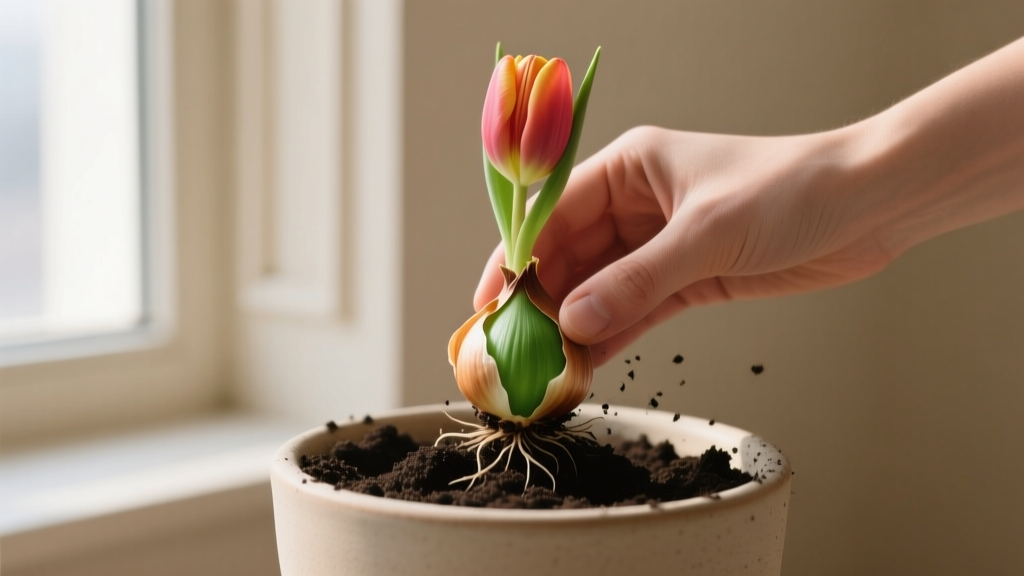
Preparing Bulbs for a Heat Wave
The forecast says 102°F for three days straight, and you can almost hear your garden sizzling by noon. Here’s the surprise: the bulbs you planted months ago might not die in the heat—many will survive—but a heat wave can quietly sabotage next season’s bloom by shrinking the bulb, starving it of stored energy, or triggering rot when we “help” with too much water. I’ve watched tulips vanish after one brutal hot spell, not because the plants fried, but because the bulbs never recovered underground.
This is the moment to think like a bulb. Bulbs are storage organs first and flowers second. Your job during a heat wave is to protect that storage—by keeping roots functioning, soil temperatures moderated, and moisture steady (not soggy). Below is the practical, field-tested approach I use for spring-flowering bulbs (tulips, daffodils, hyacinths, crocus, alliums) and summer-flowering bulbs/tubers (lilies, gladiolus, dahlias, callas) when the heat turns aggressive.
First: Figure Out What “Bulb Stage” You’re In
Heat-wave tactics change depending on whether your bulbs are actively growing, finishing foliage, or dormant underground.
- Actively growing/flowering (common for summer bulbs): prioritize consistent moisture and shade during peak sun, avoid high-nitrogen feeding.
- Foliage yellowing down (common after spring bloom): keep foliage alive as long as possible without creating swampy soil—this is when the bulb “pays back” the flower.
- Dormant (many spring bulbs in summer): prevent bake-and-dry soil swings and avoid frequent irrigation that invites rot.
If you don’t know: gently tug a leaf. If it resists and looks green, it’s still working. If it slips free and is yellow/brown, you’re moving into dormancy.
Watering Tactics That Save Bulbs (and Prevent Rot)
Heat makes us want to water every day. For bulbs, that’s often the fastest route to fungal problems—especially in clay soils or containers with poor drainage.
How Much to Water (with real targets)
Use these targets as a baseline, then adjust for your soil. Sandy soil needs more frequent watering; clay needs less frequent, deeper watering.
- In-ground beds: aim for 1.0–1.5 inches of total water per week (rain + irrigation) during active growth. In a heat wave above 95°F, many gardens need closer to 1.5–2.0 inches, delivered in fewer, deeper soakings.
- Containers: check daily; water when the top 1 inch is dry. In full sun at 90–100°F, pots may need water every day, but only if they drain fast.
- Dormant spring bulbs in summer: keep on the drier side. If you irrigate the bed for other plants, avoid “extra” water over bulb zones; rot risk rises fast when nights stay above 70°F.
A practical metric: after watering, soil should be damp to at least 6 inches deep for most bulbs and 8–10 inches for deeper-rooting perennials sharing the bed. A long screwdriver pushed into soil is my go-to “poor man’s moisture meter”—it slides in easily when moisture is adequate.
When to Water (timing matters)
- Water early morning (roughly 5–9 a.m.) so plants hydrate before peak heat and foliage dries quickly.
- Avoid night watering during heat waves unless plants are wilting severely by evening—warm, wet soil encourages disease.
- Skip overhead watering for lilies, gladiolus, and dahlias when humidity is high; wet foliage plus heat is a recipe for leaf spot and botrytis.
These recommendations align with common extension guidance emphasizing deep, infrequent watering and morning irrigation to reduce disease pressure (University of Minnesota Extension Guide, 2021).
Method A vs Method B: Soaker Hose vs Overhead Sprinkler
Both can work, but during a heat wave, one is consistently kinder to bulbs.
| Factor | Method A: Soaker/Drip at Soil | Method B: Overhead Sprinkler |
|---|---|---|
| Water efficiency | High (targets root zone; less evaporation) | Lower (more evaporation at 95–105°F) |
| Leaf disease risk | Low (foliage stays drier) | Higher (wet leaves + warm nights) |
| Best use case | Beds with bulbs mixed with perennials; tight watering control | Large lawns/areas where precision is less important |
| Heat-wave performance | Excellent for keeping soil evenly moist without sogginess | Often uneven; can shock foliage if done midday |
| Practical tip | Run 45–90 minutes to soak deep (test your flow) | Only run at dawn; avoid frequent short cycles |
Comparison analysis (real-world): in my own beds, soaker hoses run twice weekly for 60 minutes kept lilies steady through 100°F days, while sprinklers run daily for 10 minutes produced shallow roots and more leaf spotting. Deep soaking wins because it supports deeper rooting and reduces humidity around leaves.
Soil and Mulch: Your Underground Air Conditioner
Bulbs suffer when soil temperatures swing wildly. Bare soil can climb above 100°F at the surface, and that heat drives rapid drying and stress. The simplest fix is mulch—applied correctly.
Mulch depth and materials (specific numbers)
- Apply 2–3 inches of shredded bark, compost, pine fines, or chopped leaves over bulb beds.
- Keep mulch 1–2 inches away from the necks/crowns of lilies and other stem-forming bulbs to prevent rot.
- For containers, a 1-inch top layer of fine bark or compost helps slow evaporation without sealing the surface.
If you’re fighting extreme heat, mulch isn’t cosmetic—it’s damage control. Research consistently shows mulches moderate soil temperature and conserve soil moisture, improving plant stress tolerance (Colorado State University Extension Fact Sheet, 2023).
Drainage check: the heat-wave “rot trap”
Heat waves often come with sudden thunderstorms. If your bulb bed turns into a tub, the bulbs can rot fast in warm, oxygen-poor soil.
Quick drainage test:
- Dig a hole 12 inches deep and wide.
- Fill with water and let it drain once.
- Fill again; if water remains after 4 hours, you’ve got slow drainage.
Slow drainage solutions that actually work:
- Top-dress with 1–2 inches of compost to improve structure over time.
- Plant bulbs in slightly raised mounds or raised beds (4–8 inches higher than surrounding grade).
- Avoid adding sand to clay in small amounts—it can create a cement-like mix.
“The most common reason bulbs fail in home gardens is not cold—it’s poor drainage combined with warm, wet soil.” — Adapted from University Extension bulb culture guidance (University of Illinois Extension, 2019)
Light and Shade: Protect Flowers Without Babying Them to Death
Bulbs vary in how much heat they can take. Daffodils and alliums are tougher than tulips; dahlias love warmth but hate baking in a black plastic pot. During a heat wave, think in terms of reducing afternoon stress, not moving everything into darkness.
Temporary shade strategies (fast and realistic)
- Shade cloth: Use 30–40% shade cloth over hoops for dahlias, gladiolus, and lilies during the hottest 3–7 days.
- Patio umbrella “triage”: For a few special containers, an umbrella from 1–5 p.m. can prevent scorched buds.
- Move pots, not beds: Slide containers to east-facing light where they get sun until noon and shade after.
One warning: if you shade too heavily for too long, you’ll get lanky stems and fewer flowers. Use temporary shade like a bandage—helpful during crisis, removed when temperatures ease.
Feeding During Heat: When Fertilizer Helps and When It Backfires
Heat-stressed plants don’t use fertilizer efficiently. Pushing growth with high nitrogen during a heat wave can lead to soft, disease-prone tissue and more water demand.
Smart feeding rules for bulbs
- Spring-flowering bulbs: Feed in early spring as shoots emerge, or right after bloom while foliage is green. If you’re already in a heat wave and foliage is yellowing, skip feeding—your window is closing.
- Summer bulbs (dahlia, gladiolus, lily): Use a balanced or slightly lower-nitrogen fertilizer (for example, 5-10-10 or similar). Apply at half-rate during extreme heat.
Practical application rates (always follow your product label, but here are usable ballparks):
- Granular bulb fertilizer: 1–2 tablespoons per square foot, scratched into the top inch and watered in.
- Liquid feed for containers: every 10–14 days at half strength during heat waves.
If your soil is already rich and mulched with compost, feeding can be minimal. Overfeeding is a bigger risk than underfeeding during heat.
Common Heat-Wave Problems (and What to Do About Each)
When bulbs struggle, the symptoms can look similar—flop, scorch, yellowing—but the fix depends on the cause. Here’s the troubleshooting I run through.
Symptom: Buds shrivel or drop before opening
- Likely causes: drought stress; sudden heat spike over 95°F; container roots overheating.
- What works:
- Deep soak early morning to moisten soil to 6–8 inches.
- Add 2–3 inches mulch or refresh old mulch.
- Provide 30–40% shade for 3–5 days during peak heat.
- Move pots off hot concrete; set them on soil or wood to reduce root-zone heat.
Symptom: Leaves yellow quickly, starting from the bottom
- Likely causes: normal seasonal dieback (spring bulbs); overwatering in warm soil; nitrogen deficiency (less common during heat).
- What works:
- If it’s spring bulbs and foliage is naturally fading, let it be—don’t force green growth.
- If soil is wet and smells sour, stop watering and improve drainage; pull mulch back temporarily to help the surface dry.
- If plants are actively growing (lilies/dahlias) and soil is dry, water deeply and consider a light feed after temperatures drop below 90°F.
Symptom: Leaves scorch (brown edges, crispy patches)
- Likely causes: hot wind; midday overhead watering causing lensing/scald; salts from excessive fertilizer; reflected heat from walls.
- What works:
- Shift watering to early morning; avoid spraying leaves in full sun.
- Flush containers with water until it runs freely out the bottom for 30–60 seconds to reduce salt buildup.
- Use temporary shade near reflective surfaces (south/west walls).
Symptom: Stems flop over (especially dahlias, gladiolus, lilies)
- Likely causes: rapid growth followed by heat; shallow watering; insufficient staking.
- What works:
- Water deeper but less often to encourage deeper roots.
- Stake now, not later: install stakes 12–18 inches into the soil and tie loosely with soft ties.
- For gladiolus, mound soil 2–3 inches around the base to stabilize.
Symptom: Bulbs/roots rot (soft, foul smell, collapse)
- Likely causes: poor drainage + frequent watering; waterlogged containers; mulch piled against stems.
- What works:
- Stop watering immediately; let soil dry to the touch.
- Improve drainage (raise pots, ensure holes are clear, switch to a freer-draining mix).
- Remove affected plants; don’t compost rotten bulbs.
Three Real-World Heat-Wave Scenarios (and Exactly What to Do)
Scenario 1: Spring bulbs finished blooming, foliage still green, heat wave hits in early summer
This is the classic tulip/daffodil situation: you want foliage to photosynthesize, but you don’t want to rot bulbs that are heading toward dormancy.
- Water only if the top 2–3 inches are dry and there’s no rain forecast.
- Give one deep soak per week (enough to moisten 6 inches deep), not daily sprinkles.
- Mulch to 2 inches to reduce soil temperature spikes.
- Don’t braid or tie foliage tight; let it naturally yellow and fall over.
Scenario 2: Dahlias in containers on a blazing patio (black pots, full sun, 100°F)
Container bulbs and tubers can cook fast. The plant may look fine at 10 a.m. and be limp by 3 p.m.
- Move pots so they get morning sun and afternoon shade for the heat-wave window.
- Place pots inside a larger, light-colored cache pot (or wrap the pot) to reduce heat absorption.
- Water in the morning until you see steady runoff; check again mid-afternoon. If the plant wilts and the soil is dry 1 inch down, water again.
- Pause strong feeding; resume when highs drop below 90°F.
Scenario 3: Asiatic lilies in the ground with buds forming, heat wave + hot wind
Lilies can take heat, but hot wind strips moisture from buds and leaves.
- Install a soaker hose and run it 60 minutes twice a week (adjust to your flow rate).
- Add 2–3 inches mulch, but keep it back from the stems.
- If buds show stress (shriveling), provide 30% shade cloth from noon–5 p.m. for a few days.
- Stake before the wind flattens them—lilies snap at the worst time.
Heat-Wave Checklist: 30 Minutes That Can Save the Season
When the forecast looks ugly, do this once, then fine-tune daily.
- Check soil moisture to 6 inches in 3 spots (not just one).
- Mulch thin or bare soil to 2–3 inches.
- Set irrigation for early morning; avoid daily light watering.
- Move vulnerable containers off hot pavement and out of afternoon blast zones.
- Stake tall bloomers before the heat-wilt flop begins.
Troubleshooting: Quick Diagnoses by Pattern
If you’re standing in the garden thinking “Is this thirst, heat, or disease?” use these patterns.
Wilting at midday, perky again by evening
- Meaning: temporary heat stress; roots may still have moisture.
- Action: don’t panic-water. Check soil at 3–4 inches depth. Mulch and provide temporary shade if the heat persists.
Wilting that doesn’t recover overnight
- Meaning: real drought stress or root damage.
- Action: deep soak early morning; verify water is penetrating (not running off). For pots, confirm water isn’t channeling down the sides—water slowly twice, 10 minutes apart.
Yellowing + soft base + wet soil
- Meaning: likely rot.
- Action: stop watering, improve drainage, remove the worst plants to protect the rest.
Extra Notes for Specific Bulb Types
Not all bulbs read the same rulebook.
- Tulips: In warm climates, they often decline over years. Heat waves accelerate that decline. Keep summer irrigation minimal once foliage fades.
- Daffodils: Tougher and more perennial. Still, avoid waterlogged summer soil.
- Gladiolus: Shallow-rooted; needs steady moisture during spike formation. Mulch and deep watering help prevent bent spikes.
- Dahlias: Love consistent moisture but hate soggy feet. In pots, drainage and daily monitoring matter more than fertilizer.
Heat waves are when gardening gets honest. The fancy products matter less than the basics: deep, well-timed water; shaded afternoons for the most vulnerable plants; and soil covered enough to keep roots functioning. If you do those three things, your bulbs won’t just survive the heat—they’ll store the energy they need to bloom like they mean it when the weather calms down.