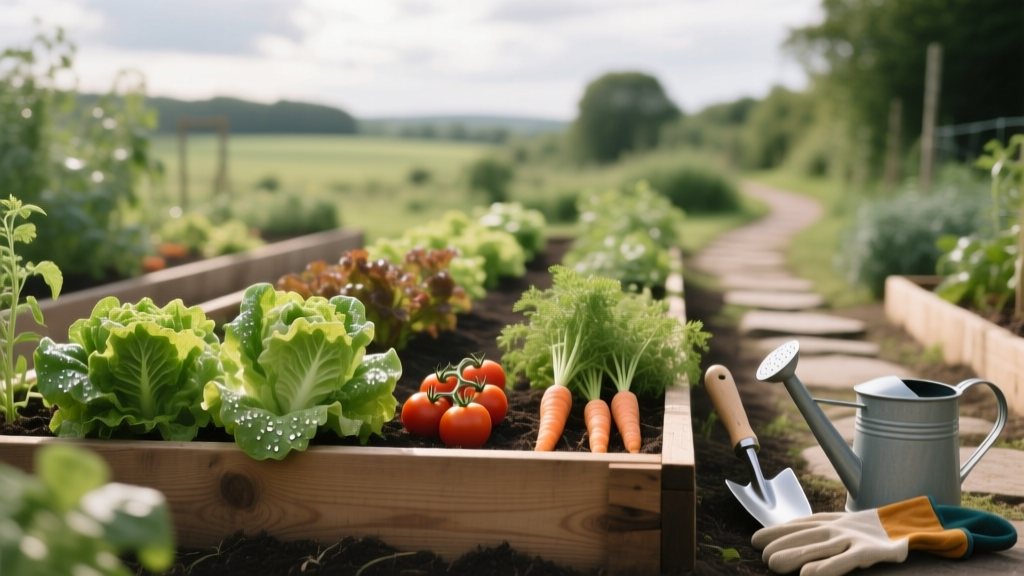
Creating the Ideal Growing Environment for Vegetable Gardens
The year I stopped blaming “bad luck” for my vegetable garden was the year I measured what was actually happening. My tomatoes looked fine in the morning, then wilted by 2 p.m. My carrots forked like antlers. Lettuce bolted before I harvested a single decent head. I was watering “a lot,” feeding “pretty regularly,” and still losing the battle. The fix wasn’t a magic fertilizer or a new variety—it was building a growing environment that matched what vegetables need: steady moisture, loose fertile soil, enough light, and the right timing.
If you want baskets of produce instead of frustration, think like a plant. Vegetables don’t care how much effort you put in; they respond to conditions. The good news: you can control most of those conditions at home with a few measurements and consistent habits.
Start With the Basics: What “Ideal” Really Means
An “ideal” environment isn’t perfect—it's stable. Vegetables are happiest when the swings are smaller: moisture doesn’t yo-yo, soil doesn’t crust, nutrients aren’t feast-or-famine, and light isn’t compromised by shade at the wrong time.
Here are the targets I aim for in most home vegetable beds:
- Sun: 6–8+ hours of direct sun for fruiting crops (tomatoes, peppers, squash). Leafy greens tolerate 4–6 hours.
- Soil pH: Most vegetables prefer pH 6.0–7.0; potatoes do better slightly lower (5.0–6.0).
- Soil temperature (planting cues): Lettuce can germinate around 40–45°F, beans prefer 60°F+, and tomatoes really take off once soil is 65°F+.
- Water: Many gardens need about 1 inch/week from rain + irrigation, increased during heat or for containers.
- Mulch depth: 2–3 inches organic mulch reduces evaporation and soil splash (which spreads disease).
Those numbers aren’t “nice to know.” They’re the difference between a stressed plant that invites pests and a steady plant that produces.
Watering: Consistency Beats Volume
Most vegetable garden problems that look like disease or pests start with uneven watering. Plants that get soaked, then left dry, develop shallow roots and crack, split, or stall.
How Much Water Vegetables Need (and How to Measure It)
A solid rule: target 1 inch of water per week for in-ground beds during mild weather. During hot stretches (above 85–90°F), heavy feeders like tomatoes, cucumbers, and squash often need 1.5–2 inches/week, especially in sandy soil. This aligns with common extension recommendations for vegetable gardens (e.g., University of Minnesota Extension guidance, 2023).
To make this practical:
- Set a straight-sided container (a tuna can works) in the garden.
- Run sprinklers or drip until the can collects 1/2 inch.
- Note how long that took. That’s your calibration time.
For drip irrigation, you’ll estimate based on emitter flow (often 0.5–1.0 gallons/hour per emitter). The main goal is to wet the root zone, not just the surface.
Watering Method Comparison (with Real Numbers)
| Method | Typical Output | Where the Water Goes | Best For | Tradeoffs |
|---|---|---|---|---|
| Soaker hose | Varies; often ~0.5–1 inch/hour depending on pressure and hose length | Broad wetting along the hose line | Rows, dense plantings | Uneven flow on long runs; can clog; hard to see performance |
| Drip line/emitter tubing | Common emitters: 0.5 or 1.0 GPH each | Targeted at plant bases | Tomatoes, peppers, cucumbers; mixed beds | Upfront setup; needs a filter and occasional flushing |
| Overhead sprinkler | Often 0.25–0.75 inch/hour (depends heavily on head type and pressure) | Leaves + soil surface | Seedling establishment, large areas | Promotes foliar disease if used late day; more evaporative loss in heat/wind |
If you’ve fought powdery mildew, early blight, or leaf spot, switching from overhead watering to drip can be the single biggest “environment upgrade” you make—because you’re reducing leaf wetness time.
Timing: Morning Watering and Deep Soaks
Water early. I aim for 6–10 a.m. when possible. Leaves dry quickly, and plants enter the day hydrated. Evening watering can work with drip (since leaves stay dry), but overhead watering late in the day is an open invitation to fungal issues.
Also: water deeply. Shallow daily sprinkles train roots to stay near the surface—exactly where the soil heats fastest and dries first. A better rhythm for many gardens is 2–3 deep waterings per week instead of seven light ones, adjusting for rain.
Troubleshooting Water Problems (Symptoms → Fix)
- Symptom: Tomato fruits crack after rain/irrigation.
Likely cause: Dry spell followed by sudden heavy watering.
Fix: Maintain steadier moisture with drip + 2–3 inches mulch; water before predicted storms if soil is bone-dry. - Symptom: Cucumbers taste bitter.
Likely cause: Water stress + heat.
Fix: Increase watering to keep soil evenly moist; shade cloth (30%) during extreme heat can help. - Symptom: Seedlings collapse at the soil line (“damping off”).
Likely cause: Overwatering + poor airflow + cool soil.
Fix: Let the surface dry between waterings; thin seedlings; water from below; avoid sowing into cold, soggy soil.
Soil: Build the Root Zone Like You Mean It
Vegetables are heavy lifters. They can’t perform in compacted soil that stays wet in spring and turns to brick by July. Your goal is a soil that drains well but holds moisture—crumbly, rich, and full of life.
What “Good Vegetable Soil” Looks Like
If you squeeze a handful of moist garden soil:
- It should form a loose clump, then break apart with a poke.
- It shouldn’t feel gritty-dry (too sandy) or smear like clay putty (too much clay and compaction).
Before you do anything else, run a simple drainage check: dig a hole 12 inches deep, fill with water, let it drain, then fill again. If the second fill drains at roughly 1–2 inches per hour, you’re in a workable range. Slower than that, you’ll fight root disease and stunting unless you improve structure or raise beds.
Compost: The Most Reliable Upgrade
Compost improves both sandy and clay soils. For established beds, I like to apply 1–2 inches of finished compost over the surface once or twice a year (spring and/or fall). Let earthworms and weather work it down, or lightly incorporate it into the top 3–6 inches if you’re reworking a bed.
Don’t overdo it with manure-based composts year after year; phosphorus can build up. A soil test every 2–3 years keeps you honest. Cooperative Extension programs consistently recommend soil testing as the basis for fertilizer decisions (e.g., Cornell Cooperative Extension soil testing guidance, 2022).
pH and Nutrients: Test, Don’t Guess
Most vegetables do best at pH 6.0–7.0. Outside that range, plants may “look hungry” even if nutrients are present, because the roots can’t access them.
- If pH is low (acidic): you may need lime. Many gardeners use dolomitic lime when magnesium is also low. Apply based on soil test recommendations, not vibes.
- If pH is high (alkaline): use compost, avoid over-liming, and consider acidifying fertilizers (like ammonium sulfate) only when appropriate for your crops and soil test.
“A soil test is the best way to determine lime and fertilizer needs. Applying nutrients without testing can waste money and increase the risk of nutrient runoff.” — Cooperative Extension nutrient management guidance (Cornell Cooperative Extension, 2022)
Real-World Case: The “Beautiful Raised Bed” That Still Failed
I’ve seen plenty of gardens built with gorgeous lumber and poor soil. A common mistake is filling raised beds with straight topsoil or cheap “garden soil” that compacts. The fix is adding organic matter and aeration:
- Blend in 25–35% compost by volume when building or refurbishing a bed.
- Add shredded leaves or fine pine bark to improve structure (especially in heavy mixes).
- Mulch immediately to prevent crusting and drying.
Light: The Non-Negotiable Ingredient
If your garden gets less than 6 hours of direct sun, you can still grow vegetables—but you must choose the right crops and manage expectations. Fruiting vegetables need more light to power flowering and fruit set. Low light often produces lush foliage and disappointing harvests.
Quick Light Check (No Fancy Tools Required)
On a clear day, check your garden at 9 a.m., noon, and 3 p.m. If the bed is shaded at two of those three times, treat it as part-shade.
Common fixes:
- Move tall crops (corn, trellised tomatoes) to the north side of beds so they don’t shade shorter ones.
- Use reflective surfaces (light-colored fence, painted board) to bounce extra light into a shadier spot.
- Switch crops: leafy greens, scallions, beets, radishes, and many herbs can tolerate less sun than peppers or melons.
Real-World Case: Balcony or Patio Gardening
Containers are great—until heat and wind turn them into tiny deserts. If you’re growing vegetables on a balcony:
- Use containers at least 5 gallons for tomatoes/peppers; 10–15 gallons is better for indeterminate tomatoes.
- Expect to water daily during hot spells; twice daily isn’t unusual above 90°F with wind.
- Use mulch even in pots (yes, it helps).
Feeding: Fertilize for Growth Stage, Not Habit
Vegetables aren’t all “heavy feeders” in the same way. Leafy crops need nitrogen early; fruiting crops need balanced nutrition and steady potassium once flowering starts. The biggest feeding mistakes I see are: too much nitrogen (lush leaves, few fruits) and feeding on a calendar instead of plant performance.
A Practical Feeding Plan (Works for Most Gardens)
Use this as a baseline, then adjust based on your soil test and crop response:
- Before planting: Mix in compost (1–2 inches) and apply a balanced organic fertilizer if your soil test suggests it (often something like 4-4-4). Follow the label rate—more is not better.
- At 3–4 weeks after planting: Side-dress heavy feeders (tomatoes, corn, squash) lightly. Keep fertilizer 3–6 inches away from stems and water it in.
- At first flowering: Shift away from high nitrogen. If plants are dark green and leafy but not setting fruit, stop nitrogen-heavy feeding and focus on consistent water and light.
If you prefer liquid feeding, a common approach is every 7–14 days at label strength for containers, because nutrients leach faster in pots. In-ground beds often need less frequent feeding if soil is built well.
Comparison: Compost-Forward vs. Synthetic-Forward Fertility
This is not a moral debate—it's about control and soil building. Here’s the practical difference gardeners actually feel in the yard:
| Approach | Speed of Response | Best Use | Risk if Overdone | What I Watch For |
|---|---|---|---|---|
| Compost-forward (1–2 inches compost + minimal fertilizer) | Slow to moderate (weeks) | Long-term soil improvement, steady growth | Nutrient buildup (especially phosphorus) if repeated heavily without testing | Gradual improvement in drought tolerance and plant resilience |
| Synthetic-forward (water-soluble or granular) | Fast (days) | Correcting deficiencies, containers, quick boosts | Salt buildup, burning roots, excessive leafy growth | Leaf color changes and growth spurts that can outpace root support |
Common Problems: What the Garden Is Telling You
Most “mystery issues” trace back to environment: temperature swings, wet leaves, compacted soil, or stress that invites pests.
Temperature Stress and Planting Timing
Warm-season crops planted into cold soil just sit there. They don’t die—they sulk, and that sets them back weeks.
- Plant peas, spinach, and lettuce early; they can handle cool soil.
- Wait to direct-sow beans until soil is reliably around 60°F.
- Transplant tomatoes when nights are consistently above 50°F and soil is closer to 65°F.
A simple soil thermometer saves a lot of disappointment.
Airflow and Disease: The Wet Leaf Problem
If you’ve dealt with blight or mildew, focus less on sprays and more on leaf-drying time:
- Space plants properly (tomatoes often need 18–24 inches minimum, more for large varieties).
- Prune lower tomato leaves so none touch the soil.
- Mulch 2–3 inches to prevent soil splash.
- Water at the base, preferably in the morning.
Real-World Case: “My Plants Are Big but Barely Producing”
This is one of the most common mid-summer complaints. The usual culprits:
- Too much nitrogen: Cut back on high-N fertilizers and manure teas.
- Heat stress: Tomatoes often struggle to set fruit when daytime temps are above 90°F and nights stay above 75°F. Keep watering steady; consider shade cloth during heat waves.
- Not enough sun: Fruiting crops in <6 hours sun often underperform.
Troubleshooting: Fast Diagnosis by Symptom
When something goes wrong, don’t reach for five different products. Start with observation. Here are common vegetable-garden symptoms and the fixes that work most often.
Yellow Leaves
- Symptom: Older leaves yellow first, plant looks pale overall.
Likely cause: Nitrogen deficiency or waterlogged roots.
Fix: Check soil moisture. If soggy, improve drainage and reduce watering. If dry and pale, side-dress lightly and water in. - Symptom: Yellowing between leaf veins, veins stay green (often on tomatoes/peppers).
Likely cause: Magnesium deficiency or pH-related lockout.
Fix: Get a soil test; correct pH first. If magnesium is low, dolomitic lime may help over time.
Blossom End Rot (Tomatoes, Peppers, Squash)
- Symptom: Dark, sunken spot on blossom end of fruit.
Likely cause: Inconsistent watering limiting calcium uptake (not usually lack of calcium in soil).
Fix: Stabilize moisture with drip + mulch. Avoid heavy nitrogen that drives fast growth. Remove affected fruit so plants redirect energy.
Stunted Growth
- Symptom: Plants stay small, leaves may look dull, progress stalls for weeks.
Likely cause: Cold soil, compacted soil, or root damage from overwatering.
Fix: Warm-season crops: wait for proper soil temps (beans 60°F+, tomatoes 65°F+). Loosen soil gently around plants, topdress compost, and adjust irrigation.
Wilting in the Afternoon (But Looks Fine in Morning)
- Symptom: Plants droop midday, recover at night.
Likely cause: Heat stress or roots not deep enough due to shallow watering.
Fix: Water deeply 2–3x/week (or as needed), mulch 2–3 inches, and consider temporary shade during extreme heat.
Three Garden Setups, Three Environment Strategies
Not every home garden starts with good soil and full sun. Here’s how I’d build the “ideal environment” in three common situations.
Scenario 1: Brand-New In-Ground Plot (Compacted Lawn Area)
- Start with a bed no wider than 4 feet so you never step on it.
- Remove sod or smother with cardboard and 4–6 inches of organic material (compost + leaves) for a season if you can.
- Topdress with 1–2 inches compost, mulch 2–3 inches, and commit to steady watering the first year.
Scenario 2: Clay Soil That Stays Wet in Spring
- Build raised beds 8–12 inches high to get roots above saturated soil.
- Avoid working clay when it’s wet (you’ll make bricks).
- Use compost and shredded leaves to improve aggregation; keep living roots in the ground as much as possible (cover crops help if you’re into that).
Scenario 3: Hot, Sunny Spot With Sandy Soil
- Increase organic matter: 2 inches compost in spring, and another 1 inch in fall if needed.
- Mulch heavily (3 inches), because sandy soil loses water fast.
- Use drip irrigation and water a bit more frequently than clay soils—still deep, but you may need more days per week.
A Few Habits That Make Everything Easier
Once your environment is close to right, maintenance becomes simple. These are the habits that keep my vegetable beds productive year after year:
- Walk the garden daily for 2 minutes. Problems are easiest to fix early.
- Mulch after the soil warms (cold soil stays cold under mulch in spring). For warm-season crops, I often mulch once soil is above 60°F.
- Keep notes: first harvest date, pest outbreaks, how often you watered during heat waves. Next year’s “luck” improves fast.
- Soil test every 2–3 years and fertilize based on results, not anxiety.
When your vegetables are growing in steady moisture, workable soil, adequate light, and sensible nutrition, the whole garden feels different—less like a fight, more like a rhythm. You’ll still get surprises (gardening always serves a few), but you won’t be guessing. You’ll be adjusting conditions on purpose, and that’s when a home vegetable garden starts paying you back in real food.
Sources: University of Minnesota Extension vegetable watering guidance (2023); Cornell Cooperative Extension soil testing and nutrient management guidance (2022).