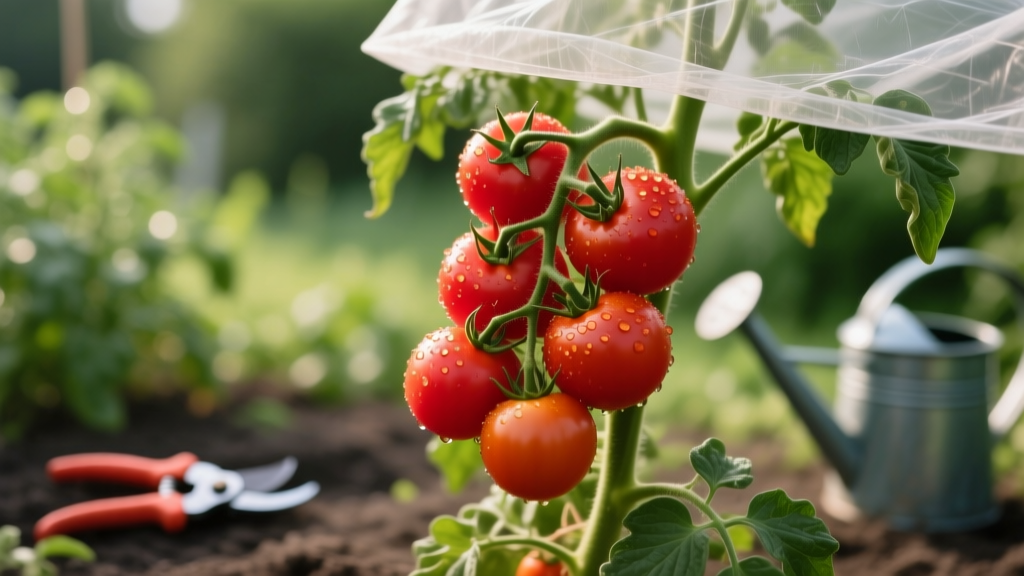
Protecting Tomatoes from Hail Damage
The storm was loud enough to wake you up, and by the time you got outside, the damage was already done: shredded tomato leaves, snapped stems, and fruit that looks like it’s been peppered with BBs. Hail is one of those garden disasters that can turn a thriving tomato patch into a sad mess in 10 minutes. The surprising part? Tomatoes can bounce back from hail better than most gardeners expect—if you respond in the right order and don’t “love them to death” with the wrong kind of cleanup.
I’ve seen three outcomes after hail: (1) plants recover and still produce a respectable crop, (2) plants limp along and get wiped out by disease a week later, or (3) gardeners panic-replant too late and lose the season. The difference is usually not luck; it’s quick triage, smart pruning, and preventing infection while the plant heals.
First 60 minutes after hail: triage that actually helps
Right after hail, your job is to reduce stress and keep wounds from turning into disease entry points. Leaves and stems will look worse after the sun comes back out, so don’t make big pruning decisions while the plant is still wet and limp.
What to do immediately (in order)
- Wait for foliage to dry if possible (usually 2–6 hours). Working wet plants spreads disease.
- Check stems at the base: if the main stem is split or kinked below the first flower cluster, plan on a replacement plant (or train a sucker if the base is intact).
- Gently rinse grit off fruit and leaves with a soft spray if plants are caked in mud. Keep water low-pressure—don’t add more bruising.
- Support what’s still attached: stake or tie broken branches that are cracked but not severed. A tomato can “scar over” a partial break in 7–10 days if it stays stable.
- Remove only what is clearly destroyed: stems hanging by a thread, leaves shredded into ribbons, and fruit that is split open.
What not to do in the first day
- Don’t strip the plant bare. Tomatoes need leaf area to recover, even if leaves look ugly.
- Don’t fertilize heavily right away. Forcing lush new growth before the plant heals invites disease.
- Don’t apply oils (like neem) on heat-stressed, damaged foliage—burn is common above 85°F.
“Wounds caused by hail, wind, or pruning are prime infection sites for bacterial and fungal pathogens—minimizing handling while plants are wet is one of the simplest ways to reduce spread.” (University of Minnesota Extension, 2023)
Real-world hail scenarios (and what to do next)
Hail damage isn’t one-size-fits-all. Here are three situations I see most often, with practical next steps.
Scenario 1: “Leaf confetti” but stems mostly intact
This is the best-case hail disaster. If the plant still has a solid main stem and at least some intact leaves, it can recover.
- Prune selectively: remove the worst shredded leaves, but keep any leaf with 50%+ green tissue. Those leaves still photosynthesize.
- Re-tie to stake/cage so wind doesn’t keep tearing wounds open.
- Watch for disease 3–10 days later: this is when spots and wilts show up.
Scenario 2: Broken top, but lower plant healthy
When the growing tip snaps, tomatoes often respond by pushing side shoots (suckers). You can salvage the plant by selecting a new leader.
- Find the strongest sucker below the break (ideally 6–12 inches long).
- Stake it upright and tie loosely with soft cloth or tomato clips.
- Prune competing suckers for 2 weeks so the plant puts energy into your chosen leader.
If it’s mid-season and you still have 50–70 days of warm weather left, this method usually beats replanting.
Scenario 3: Fruit looks bruised, pitted, or cracked
Hail-dimpled fruit may still ripen, but damaged skins are an open door for rot and fruit flies.
- Pick cracked or split fruit immediately. Use it that day (salsa, sauce) or compost it if it’s leaking.
- Leave lightly pitted fruit if the skin isn’t broken. It often ripens with cosmetic scarring.
- Mulch under plants to reduce soil splash onto wounds (a common disease trigger after storms).
Watering after hail: keep roots steady, not soggy
After hail, gardeners often overwater out of sympathy. The plant is stressed and wounded; sitting in soggy soil slows healing and encourages root diseases. Your goal is consistent moisture.
How much to water (practical targets)
- Aim for about 1–1.5 inches of water per week total (rain + irrigation) during active growth, adjusted for heat and soil type.
- Water in the morning so leaves dry quickly—especially important after hail wounds.
- Use drip irrigation or a soaker hose when possible; avoid overhead watering for 7–14 days post-storm.
Simple moisture test
Stick your finger 2 inches into the soil. If it feels dry at that depth, water. If it’s cool and damp, wait. For containers, lift the pot—weight tells the truth faster than guessing.
Soil and drainage: the recovery foundation
Tomatoes don’t heal well with stressed roots. After a hailstorm, soils are often compacted from heavy rain, and oxygen gets pushed out of the root zone.
Post-storm soil check
- If water stands longer than 4 hours after a storm, improve drainage: pull mulch back, open shallow channels, or mound soil around the plant base (without burying the stem deeper than it already was).
- Top-dress with 1–2 inches of compost after the soil surface dries to prevent crusting and help microbial recovery.
Mulch: the quiet hero after hail
Mulch reduces soil splash (a big driver of early blight spread) and evens out moisture swings. Keep mulch 2 inches away from the stem to reduce rot and rodent issues.
Light and heat: managing sunscald and stress
After hail, tomatoes often lose a lot of leaf cover. That sudden exposure can sunscald fruit and overheat stems. Sunscald looks like pale, papery patches on the side of fruit facing the sun.
Shade tactics that work
- Use 30–40% shade cloth for 3–7 days if temperatures are forecast above 90°F and your plants are heavily defoliated.
- In a pinch, clip a light sheet to the south/west side for afternoon protection—leave airflow.
- Avoid wrapping plants tightly; trapped humidity drives fungal disease.
Feeding after hail: gentle, timed nutrition
Hail is not the moment for heavy feeding. Think of it like recovery after injury: steady support beats forcing growth. If you fertilize too soon or too much, you get tender new shoots that are easy targets for disease and breakage.
When to fertilize
Wait until you see new growth pushing—typically 5–10 days after the storm—then feed lightly.
What to apply (practical options)
- Compost tea or diluted fish fertilizer at 1/2 strength to support recovery without excess salts.
- If you use granular fertilizer, apply no more than 1 tablespoon per plant for small plants or 2 tablespoons for large indeterminate plants, scratched into the soil surface and watered in.
- Avoid high-nitrogen “lawn-type” fertilizers. Tomatoes need balanced nutrition; too much nitrogen = lots of leaves, fewer flowers.
Colorado State University Extension notes that excessive nitrogen can promote lush growth at the expense of fruiting and can increase susceptibility to some problems (Colorado State University Extension Fact Sheet, 2022).
Common hail follow-up problems (and how to stop them)
Hail damage itself isn’t always what kills tomatoes. The real trouble often arrives a week later: disease outbreaks, pests moving into weakened tissue, and fruit rot.
Problem: Early blight and Septoria leaf spot flare-ups
Symptoms: dark spots with yellow halos on lower leaves; rapid yellowing and leaf drop starting near the soil line.
What to do:
- Remove the worst infected leaves (don’t take more than 25–30% of the foliage at once).
- Mulch to prevent splash-up.
- Improve airflow: keep foliage off the ground; prune lightly and stake well.
- If you use sprays, choose labeled options and apply after plants dry; reapply per label after rain. Copper-based products are commonly used preventatively—use carefully to avoid over-application.
Problem: Bacterial spot/speck after hail
Symptoms: small, dark, greasy-looking spots on leaves and fruit; fruit spots can become scabby.
What to do:
- Avoid overhead watering for at least 2 weeks.
- Remove heavily spotted leaves and discard (don’t compost if disease is spreading fast).
- Sanitize pruners between plants with 70% isopropyl alcohol or a disinfectant wipe.
Problem: Stem cankers or collapse at a wound site
Symptoms: a stem that looked “okay” after hail suddenly wilts; darkened lesion at the crack; plant collapses even when soil is moist.
What to do:
- If the main stem is failing, select a healthy sucker below the lesion and train it as the new leader.
- If the lesion is at the base and spreading, remove the plant to protect neighbors.
- Don’t replant a tomato in the same spot immediately; rotate if possible.
Problem: Fruit rot (especially on damaged fruit)
Symptoms: soft, watery spots; white or gray mold; fruit drops early.
What to do:
- Harvest mature-green fruit with minor damage and ripen indoors at 65–70°F.
- Remove rotting fruit promptly—leaving it attracts pests and spreads spores.
- Keep even moisture; large swings after damage increase cracking.
Physical protection options: what works before the next storm
If you garden where hail is a regular visitor, prevention is worth the effort. The best protection balances impact resistance, airflow, and ease of use. Here’s a practical comparison with real trade-offs.
| Protection method | Typical cost | Setup time | Hail protection level | Best use case |
|---|---|---|---|---|
| 30–50% shade cloth over hoops | $25–$80 | 30–90 minutes | Moderate (small to medium hail) | Hot climates; doubles as sun protection after defoliation |
| ½-inch hardware cloth “roof” on a frame | $40–$120 | 1–3 hours | High (deflects many hailstones) | Hail-prone regions; long-term bed solution |
| Frost cloth/row cover (lightweight) | $15–$40 | 10–30 minutes | Low to moderate (tears under large hail) | Quick deploy when storms are forecast; backup protection |
| Move containers under cover | $0 | 5–15 minutes | Very high (if moved in time) | Patio tomatoes; small collections |
Comparison analysis (method A vs method B with practical data)
If you’re choosing between shade cloth over hoops and a hardware-cloth roof, here’s the real-world difference:
- Impact resistance: hardware cloth holds up better when hail is 1 inch or larger; shade cloth can stretch and allow stones to strike leaves.
- Heat management: shade cloth can drop canopy temperature by a few degrees and reduces sunscald risk when plants are defoliated; hardware cloth provides almost no shade.
- Longevity: hardware cloth and a wood/metal frame can last 5–10 years; shade cloth typically lasts 3–7 years depending on UV quality and storage.
Step-by-step: building a quick hail shield (fast and doable)
When storms are forecast, speed matters. This is a simple setup I’ve used for in-ground tomatoes that still allows airflow.
Materials
- 4–6 garden stakes or T-posts
- PVC hoops or flexible conduit (optional)
- 30–50% shade cloth or row cover
- Clips or clothespins + twine
Steps
- Set stakes around the bed so the cover will sit 12–18 inches above the top of plants (avoid direct contact).
- Drape shade cloth across the stakes; keep it taut so hail bounces rather than pools.
- Clip the cloth securely and anchor edges with bricks or landscape staples.
- After the storm, remove or vent the cover once conditions calm—don’t trap humidity overnight.
Troubleshooting: quick diagnosis by symptom
These are the “what now?” moments that come up most after hail.
Symptom: Leaves are curled and crispy 2 days after hail
- Likely cause: sunscald + dehydration from sudden leaf loss.
- Fix: water deeply (not daily sprinkles), add 1–2 inches mulch, and use 30–40% shade cloth for a few afternoons if temps exceed 90°F.
Symptom: Plant wilts at midday but recovers at night
- Likely cause: root stress from saturated soil or damaged vascular tissue.
- Fix: check moisture at 2 inches depth; if wet, stop watering and improve drainage. If a stem is cracked, splint and tie it firmly.
Symptom: Black spots show up on fruit 7–14 days later
- Likely cause: bacterial spot/speck or secondary rot entering through hail wounds.
- Fix: remove badly affected fruit, avoid overhead watering, sanitize tools, and increase airflow by pruning lightly and re-staking.
Symptom: New growth is pale and weak after you fertilized
- Likely cause: overfeeding or salt stress, especially in containers.
- Fix: flush containers with water until it drains freely for 1–2 minutes, then pause fertilizing for 10–14 days. In-ground, water deeply and top-dress compost instead of adding more fertilizer.
Smart pruning after hail: less is usually more
Pruning is where gardeners either save the season or accidentally finish the plant off. The rule I use: stabilize first, prune second, train third.
Pruning guidelines that keep plants productive
- Limit pruning to no more than 1/3 of the foliage in a single session.
- Make clean cuts above a node; remove dangling, torn tissue that won’t heal.
- Prioritize removing leaves that are:
- touching the soil
- completely shredded
- blocking airflow in the plant’s interior
When you’re unsure, leave it for 48 hours and reassess. Tomatoes will show you what’s truly dead once the plant rehydrates.
Planning ahead: hail season habits that pay off
In hail-prone areas, I treat protection like I treat frost: you don’t need to build a fortress every day, but you do need a plan you can deploy fast.
- Keep materials staged: folded cloth, clips, and stakes in one bin so setup takes 10 minutes, not an hour of hunting.
- Stake early: a properly supported tomato is less likely to snap under hail + wind load.
- Choose structure-friendly varieties: thick-stemmed determinate or semi-determinate types often handle mechanical damage better than very tall, viney plants—especially if your cages are sturdy.
- Don’t crowd plants: spacing of 24–36 inches (depending on variety and pruning style) improves airflow and reduces post-hail disease spread.
Hail is a punch in the gut, no doubt. But if the main stem and roots are still alive, tomatoes are surprisingly determined plants. Get them stable, keep water consistent, protect them from harsh sun while they regrow leaf cover, and stay alert for disease in that first 2 weeks. Many seasons that looked “over” after a storm still end with jars of sauce and a few proud slicers on the counter.
Sources: University of Minnesota Extension (2023); Colorado State University Extension Fact Sheet (2022).