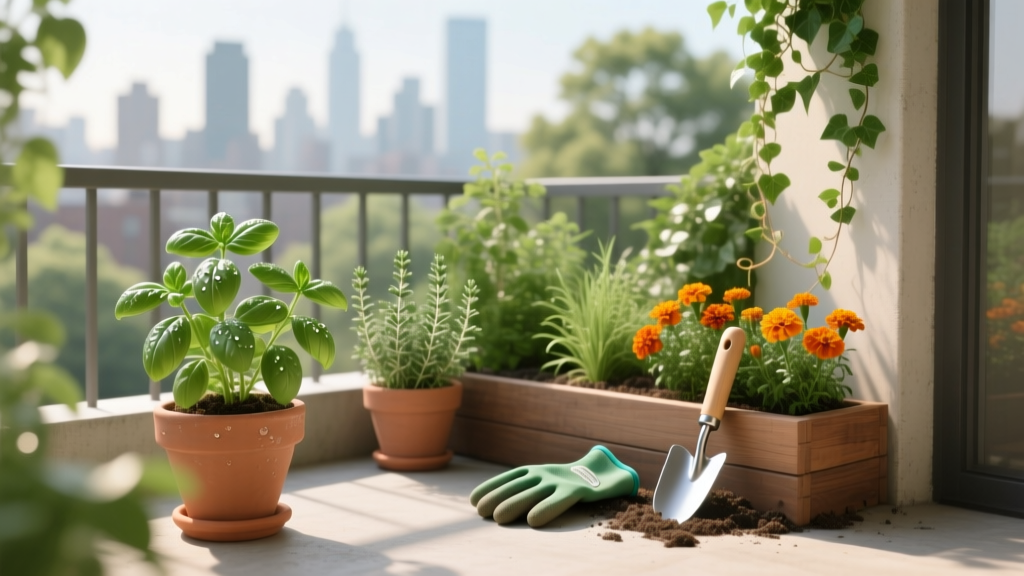
Early Summer Gardening Tips for Strong Growth
Early summer is when your garden decides what kind of season it’s going to have. Soil is finally warm, plants are shifting from “establishing” to “growing hard,” and pests start breeding fast. The next 2–4 weeks are your window to lock in deep roots, steady moisture, and clean foliage—so plants can handle July heat, storms, and disease pressure without stalling.
Use this guide as a right-now checklist. Prioritize the tasks that protect growth first (water, mulch, pest prevention), then move to planting and pruning, then prep for heat and harvest. Most tips apply broadly, but you’ll see zone and regional notes so you can adjust for your climate.
Priority 1: Protect growth first (water, mulch, heat, pests)
Lock in a watering rhythm before the first heat wave
Early summer watering isn’t about pampering—it’s about teaching roots to go down. Aim for deep, less frequent watering rather than daily sprinkles.
- Vegetable beds: Plan on 1–1.5 inches of water per week total (rain + irrigation). Increase during hot, windy stretches or for heavy fruiting crops.
- New transplants (first 10–14 days): Keep the root zone evenly moist; check daily when highs exceed 85°F.
- Containers: Expect watering daily when daytime highs reach 80–90°F; twice daily in small pots during dry wind.
Timing tip: Water early morning (roughly 5–9 a.m.) to reduce evaporation and keep foliage dry by evening—this matters for blight and mildew management.
“Most plant diseases are favored by wet leaves and high humidity; managing irrigation to avoid prolonged leaf wetness is a key prevention step.” — University of Minnesota Extension, plant disease management guidance (2019)
Mulch now to stabilize moisture and suppress weeds
Mulching in early summer does two things you can’t easily fix later: it keeps soil from swinging between saturated and baked, and it prevents weeds from stealing water and nutrients during peak growth.
- Vegetables: Apply 2–3 inches of clean straw, shredded leaves, or untreated grass clippings (thin layers so they don’t mat).
- Perennials & shrubs: Apply 2–4 inches of wood chips, keeping mulch 2–3 inches away from stems and trunks.
- After mulching: Water thoroughly to settle mulch and remove air pockets.
Temperature threshold: Wait to mulch warm-season vegetables until soil is consistently above 65°F so you don’t slow growth. In cooler coastal areas, use a thinner layer early and build it up later.
Start pest scouting on a schedule (not when damage appears)
Early summer is when aphids, mites, cucumber beetles, squash bugs, and caterpillars ramp up. If you inspect plants twice a week, you’ll catch issues while hand removal or targeted sprays still work.
- Twice weekly: Inspect the undersides of leaves and growing tips; look for eggs, stippling, distorted new growth, and frass (caterpillar droppings).
- After storms: Check again—wind and rain can spread spores and knock pests into sheltered spots.
- Action threshold: If you see aphids clustered on more than 10% of new shoots, act immediately (strong water spray, prune heavily infested tips, or insecticidal soap).
Extension-backed approach: Use integrated pest management (IPM): identify first, choose the least disruptive control, and avoid broad-spectrum insecticides that reduce beneficial predators. UC IPM emphasizes monitoring and correct identification as the backbone of control decisions (University of California Agriculture and Natural Resources, UC IPM, 2021).
Prevent early summer disease before it starts
Many common diseases take hold during warm days and cool, humid nights—exactly what early summer often brings.
- Tomatoes: Mulch to reduce soil splash, keep leaves off the ground, and stake/cage plants early. Remove the lowest leaves once plants are 12–18 inches tall, especially if you water overhead.
- Cucurbits (squash, cucumbers): Avoid watering foliage; watch for powdery mildew as nights warm. Improve airflow by training vines or spacing properly.
- Roses: Water at soil level; remove fallen leaves; prune out crowded interior stems to reduce black spot pressure.
Spray timing (when warranted): For organic preventatives like sulfur (powdery mildew) or copper (some bacterial/fungal issues), apply before symptoms or at first sign, and follow label directions carefully—especially if temperatures exceed 85–90°F, when some products can burn foliage.
Priority 2: What to plant right now (and what to stop planting)
Warm-season vegetables: plant when nights stay mild
If your last frost date has passed and nights are stable, early summer is still prime time for warm-season planting—especially in USDA Zones 3–7 where late springs can delay garden starts.
- Beans: Direct sow when soil is 60°F+. Successive sow every 10–14 days through early July for steady harvest.
- Cucumbers & squash: Direct sow or transplant when soil is 65°F+. Use row cover early to block beetles until flowering.
- Basil: Plant out when nights stay above 50°F. Pinch tips weekly for branching.
- Okra & sweet potatoes (Zones 7–10): Plant when soil is 70°F+ for fast start.
Stop/start timing: If daytime highs routinely hit 90°F, delay starting cool-season crops like lettuce outdoors (they’ll bolt). Instead, plan shade cloth and start them later for a fall run.
Succession sowing: keep beds productive
Early summer is the moment to schedule your second wave. As spring crops finish, replant immediately so you don’t waste the sunniest weeks of the year.
- After peas or early greens: Follow with beans, basil, dill, or a short-season cucumber.
- After early potatoes (some regions): Follow with bush beans or a heat-tolerant summer squash.
- Gaps in beds: Fill with scallions, chard, or nasturtiums (edible, pest-confusing, and shade-providing).
Flowers and pollinator support: plant for continuous bloom
Early summer is when pollinator populations climb. Give them uninterrupted bloom so they stay in your garden and increase fruit set in vegetables.
- Plant now: zinnias, cosmos, sunflowers, marigolds, salvia, and alyssum.
- For heat and drought: lantana (Zones 8–11), blanket flower, echinacea, yarrow.
- In cooler coastal zones: calendula and snapdragons often keep going longer than in hot inland gardens.
Priority 3: What to prune (and what not to touch yet)
Pinch and train for stronger structure
Early summer shaping prevents breakage later and improves light penetration.
- Tomatoes (indeterminate types): Choose 1–2 main leaders and remove suckers weekly while small (under 2–3 inches). This improves airflow and makes watering easier.
- Peppers: Stake early; in windy regions, use soft ties and adjust every 7–10 days.
- Basil: Pinch above a leaf pair every week once plants have 6–8 true leaves.
Deadhead and cut back spring bloomers at the right time
Pruning timing is about not sacrificing next year’s blooms.
- Deadhead now: roses, catmint, salvia, coreopsis—deadhead weekly to extend flowering.
- After flowering: lilac, forsythia, and many spring-blooming shrubs can be pruned within 2–3 weeks after bloom to avoid removing next year’s flower buds.
- Don’t prune now: avoid heavy pruning of shrubs that bloom later in summer (like many hydrangeas) unless you’re certain of the type and pruning rules.
Weed with strategy: remove seed-makers first
In early summer, weeds shift from leafy growth to flowering. Pulling before seed set prevents years of problems.
- Priority weeds: anything flowering or forming seed heads.
- Timing: weed 24–48 hours after rain when soil is moist and roots release cleanly.
- Tool tip: use a stirrup hoe on small weeds when soil is dry on the surface—fast and effective.
Priority 4: What to prepare (support, fertility, heat plans, and midseason backups)
Fertilize based on growth stage (not the calendar)
Early summer feeding mistakes usually fall into two categories: too much nitrogen (lush leaves, fewer fruits) or starving heavy feeders right as they set flowers.
- Leafy greens: light nitrogen can keep growth steady if you’re harvesting continuously, but stop pushing once heat arrives and bolting starts.
- Tomatoes & peppers: shift from nitrogen-heavy to balanced or slightly higher potassium once flowering is underway.
- Corn and brassicas: benefit from side-dressing during rapid growth; apply around week 3–4 after planting if growth is pale or slow.
Research-backed practice: Soil testing and targeted fertilizer use reduces over-application and runoff risk while improving plant performance (University of Massachusetts Amherst Soil & Plant Nutrient Testing Lab guidance, 2020).
Get supports in place before plants need them
Staking after plants sprawl breaks stems and damages roots. Install now.
- Tomatoes: cages or stakes installed by the time plants are 12 inches tall.
- Climbers (beans, cucumbers): trellis at planting or within 7 days of emergence.
- Top-heavy perennials: use discreet supports before flower stalks flop (peonies, delphiniums).
Plan for heat events: shade, wind, and emergency watering
One heat wave can stall growth for 10–14 days. Prepare now.
- Shade cloth: keep 30–40% shade cloth ready for greens, new transplants, and containers when highs exceed 90–95°F.
- Wind protection: in exposed sites, use temporary windbreak fabric or move containers to lee-side shelter.
- Emergency watering rule: if plants wilt by mid-morning and don’t recover by evening, water deeply that day; add mulch and temporary shade afterward.
Early summer schedule: what to do each week
| Time window | Top priorities | Quick checks |
|---|---|---|
| Week 1 (early June or 1–2 weeks after last frost) | Mulch beds; set up drip/soaker; stake tomatoes/peppers; transplant basil and warm-season starts when nights stay >50°F | Soil temp: 60–65°F for beans/cukes; scout for aphids on new growth |
| Week 2 | Succession sow beans; train cucumbers; thin carrots/beets; remove lower tomato leaves if splashing risk | Look for cucumber beetles; inspect squash stems for eggs |
| Week 3 | Side-dress heavy feeders if needed; deadhead perennials; weed seed-makers; adjust ties on stakes | Check irrigation output; watch for powdery mildew signs in humid nights |
| Week 4 (late June) | Prepare shade cloth; start planning fall crop seeds; prune spring-blooming shrubs within 2–3 weeks after bloom | Monitor for mites during hot/dry stretches; remove diseased leaves promptly |
Regional reality checks: adjust for your climate
Scenario 1: Cool coastal or marine climates (often Zones 8–10, but mild summers)
If your early summer stays cool (highs around 65–75°F) with fog or heavy dew, growth can be slow and fungal pressure can be high.
- Warmth boost: use black plastic or landscape fabric under heat-loving crops to raise soil temperature; choose early tomato varieties.
- Disease prevention: prioritize spacing and pruning for airflow; water early morning only.
- Planting timing: wait for soil to reach 65°F before direct sowing cucurbits; otherwise seeds rot or stall.
Scenario 2: Hot inland gardens with early heat spikes (Zones 7–10)
If you routinely hit 90°F by June, your goal is protecting blossoms and preventing moisture stress.
- Mulch deeper: go toward 3–4 inches (keep away from stems) to buffer soil temperature.
- Pollination issues: tomatoes may drop blossoms when nighttime temps stay above 70–75°F. Prioritize morning irrigation and shade cloth during heat waves.
- Container warning: dark pots can overheat roots; wrap pots or move them to afternoon shade.
Scenario 3: Short-season northern gardens (Zones 3–5)
If your last frost falls late (often around May 20–June 10 depending on location) and your first fall frost can arrive by September 15, early summer is your acceleration phase.
- Choose fast varieties: prioritize tomatoes 60–75 days to maturity; use row cover for warmth early, remove at flowering.
- Don’t delay staking: summer storms can snap tender stems; secure supports early.
- Succession now: sow beans and quick greens on a schedule so you’re harvesting before nights cool.
Pest and disease prevention you should do this week
Cucumber beetles, squash bugs, and vine borers (cucurbits)
These pests are easiest to control early—before populations build.
- Row covers: use immediately after planting; remove when flowers open so pollinators can access blooms.
- Trap and hand-pick: check plants in the evening; drop beetles into soapy water.
- Vine borer timing: in many regions, adult activity begins in early summer. Look for sawdust-like frass at the base of squash stems and sudden wilting on a single runner.
Aphids and ants (many crops)
Aphids multiply quickly in early summer, especially on tender new growth.
- First response: blast with water; repeat every 2–3 days until numbers crash.
- Control ants: ants “farm” aphids; use sticky barriers on fruit trees or manage nests near beds.
- Protect beneficials: avoid broad-spectrum sprays; lady beetles and lacewings often arrive right after aphids.
Powdery mildew prevention (squash, cucumbers, zinnias, phlox)
Powdery mildew often shows up as nights warm and humidity rises.
- Airflow: space plants properly; thin dense growth.
- Watering: keep irrigation at the base; avoid prolonged leaf wetness overnight.
- Sanitation: remove heavily infected leaves (don’t compost if disease is severe).
Right-now checklists
30-minute early summer triage (do today)
- Check soil moisture 2–4 inches down; water deeply if dry.
- Mulch any bare soil in vegetable beds and around shrubs.
- Inspect tomatoes, cucurbits, and roses for pests and leaf spots.
- Pull weeds that are flowering or about to seed.
- Set or tighten stakes/trellises before the next storm.
Weekly routine (repeat for the next 4 weeks)
- 2x/week: pest scouting (undersides of leaves, new growth, stem bases).
- 1x/week: deadhead flowers; prune minor crowding for airflow.
- 1x/week: check irrigation output and coverage; fix clogs/leaks.
- Every 10–14 days: succession sow beans or other quick crops if space allows.
Early summer planting timeline (quick reference)
- When soil hits 60°F: sow beans.
- When soil hits 65°F: sow cucumbers/squash; transplant basil.
- When highs exceed 85°F: watch transplants closely; increase watering checks.
- When highs exceed 90–95°F: deploy shade cloth for greens/containers; avoid midday fertilizing.
- Within 2–3 weeks after spring shrubs finish flowering: prune for shape and airflow.
Small moves that make a big difference by mid-summer
Label and map plantings now. Early summer beds fill in fast. A simple map helps you rotate crops, track which tomato is which, and identify recurring pest patterns next year.
Thin fruit early on trees and vines. Apples, pears, peaches, and grapes often set more than they can ripen well. Thinning improves fruit size and reduces branch breakage. If you’re unsure, remove only the obviously clustered fruit and anything damaged—then reassess in 7–10 days.
Keep a spare plan for gaps. Early summer storms, slugs, or heat can wipe out a row. Keep a few fast backup options ready: bush beans, basil, zinnias, nasturtiums, or Swiss chard. If you replant by late June in many regions, you still get a strong harvest window.
Do the protective work first—water strategy, mulch, airflow, and scouting—and everything you plant and prune afterward responds faster. Early summer rewards decisiveness: a few focused hours now can prevent weeks of catch-up later, and your plants will carry that momentum into the hottest part of the season.