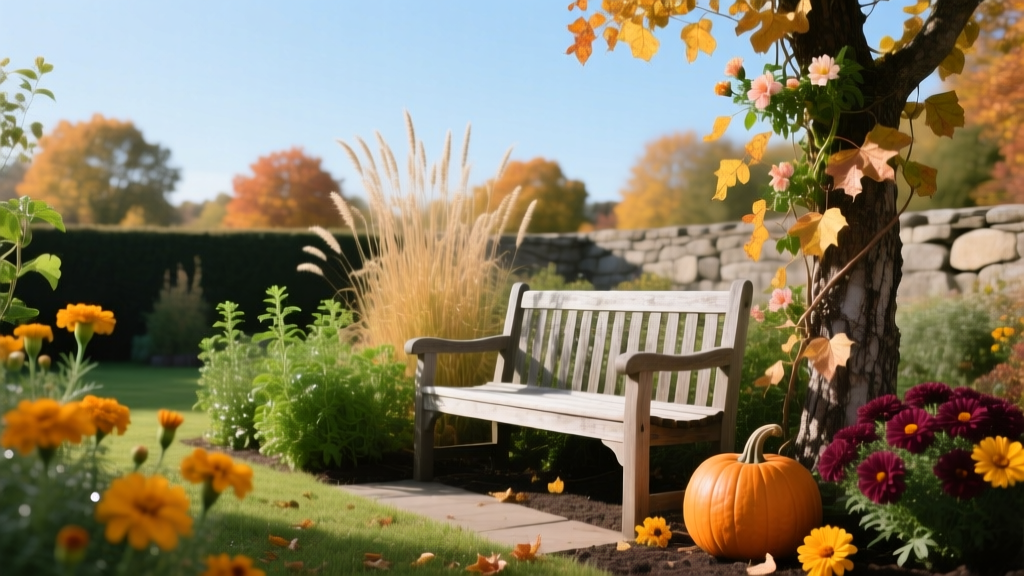
Transitioning Your Garden from Summer to Fall
Late summer doesn’t politely fade out—it flips the schedule. Days may still feel hot, but night temperatures drop, dew lingers longer, and the first leaf spots and caterpillar waves usually show up right when you’re thinking about pumpkins. The opportunity is real: a few well-timed moves over the next 2–6 weeks can extend harvests, prevent fall disease outbreaks, and set up stronger perennials and spring bulbs. The cost of waiting is also real: once your average nighttime lows sit around 50–55°F, growth slows for warm-season crops, and after the first frost, many tasks become damage control instead of preparation.
Use this guide like a field plan. Start with what has the biggest payoff right now: plant the fall crops and cover crops on time, then prune only what’s appropriate, protect what’s still producing, and prepare soil and beds for winter and spring.
Step 1 (Highest Priority): What to Plant Right Now
Fall planting is mostly a math problem: count backward from your average first frost date, then adjust for cooler temperatures and shorter days. A practical rule is to add 10–14 days to the “days to maturity” listed on seed packets because growth slows in fall light.
Find your timing window (5 concrete numbers to anchor your plan)
Use these benchmarks to decide what goes in the ground this week:
- 8–10 weeks before first frost: sow carrots, beets, and fall brassicas from seed in cooler regions; transplant broccoli/cabbage where summer heat is easing.
- 6–8 weeks before first frost: direct sow spinach, lettuce, arugula, turnips; start radishes.
- 4–6 weeks before first frost: plant quick crops (radish, baby greens); start covering warm-season crops at night.
- After nights regularly hit 50–55°F: expect tomatoes/peppers to slow; shift effort to ripening and protection rather than new growth.
- When frost is forecast at 32°F (0°C): harvest or protect tender crops; many leafy greens tolerate light frost, but basil does not.
Fall crops that earn their space
If you want the highest return with the least fuss, focus on fast and cold-tolerant crops. Most of these perform well across USDA Zones 3–9 with timing adjusted to your frost date.
- Fast greens: arugula, mustard greens, baby kale, leaf lettuce (harvestable in 25–45 days depending on variety).
- Roots: radishes (20–35 days), turnips (35–60 days), beets (50–70 days), carrots (65–80 days—start earlier).
- All-stars for cold: spinach (often best sown when soil cools; can handle light frosts), scallions, cilantro (bolts less in fall).
- Transplants worth buying: broccoli, cabbage, and cauliflower transplants can save time if you’re within 6–8 weeks of frost in cooler zones.
Planting checklist (this week)
- Pull spent summer crops (or cut at the base if you want roots to decompose in place).
- Top-dress with 1–2 inches of compost and water it in.
- Direct sow in the evening or on a cooler day; keep seedbeds evenly moist until germination.
- Cover with light row cover immediately if you’re still in hot weather (it reduces heat stress and insect pressure).
- Label rows with planting date and expected harvest window.
Cover crops: the simplest soil upgrade you can do in fall
If a bed won’t be planted for food within the next month, seed a cover crop. It’s the easiest way to protect soil from erosion and suppress winter weeds.
- Cold climates (Zones 3–6): winter rye is reliable for late planting; it germinates in cool soil and survives winter.
- Milder climates (Zones 7–9): crimson clover, Austrian winter peas, or mixes build nitrogen and biomass.
“Cover crops reduce erosion, improve soil structure, and can suppress weeds; legumes can also contribute nitrogen to subsequent crops.” (Penn State Extension, 2020)
Citation: Penn State Extension (2020), cover crops and soil benefits.
Step 2: What to Prune (and What Not to Touch Yet)
Fall pruning mistakes show up next spring. The goal now is sanitation and safety—not forcing tender new growth that will be damaged by cold.
Prune now: only what improves health immediately
- Tomatoes: remove lower leaves touching soil and any diseased foliage. If frost is 2–3 weeks away, pinch off new flowers and tiny fruit so the plant focuses on ripening what’s already set.
- Raspberries/blackberries: remove spent canes for summer-bearing types after harvest; keep primocanes for next year. (If you grow fall-bearing raspberries, follow your variety-specific system.)
- Herbs: cut back basil hard and harvest before nights dip toward 50°F; it collapses quickly in cold snaps.
- Perennials with disease: cut back and remove infected foliage (do not compost if heavily diseased).
Hold off: shrubs and trees that shouldn’t be pruned in fall
Avoid stimulating late growth on woody plants. In many regions, major pruning is best after dormancy in late winter. Also, don’t prune spring-flowering shrubs that set buds now (like lilac, forsythia, and some hydrangeas), or you’ll reduce blooms.
Timing rule: once your area regularly experiences nights below 45–50°F, keep pruning light and focus on removing dead/diseased wood only.
Step 3: What to Protect (Frost, Heat Swings, Wildlife, and Wind)
Fall is not a straight slide into cold—it’s a sequence of extremes: hot afternoons, cool nights, heavy dews, and sudden wind events. Protection now is about stabilizing conditions and preventing rot, cracking, and pest pressure.
Frost strategy: protect the crops still paying rent
Know your frost dates and plan protection before the forecast turns urgent. If your average first frost is October 10, start preparing covers by mid-September. If it’s November 15, you can often keep summer crops going deep into fall with simple tactics.
- Row cover (lightweight fabric): boosts warmth a few degrees and protects from insects. Keep it handy once forecasts threaten 36–38°F (frost can form even above 32°F in low spots).
- Frost cloth or blankets: use when lows are near 32°F. Support with hoops so it doesn’t crush plants.
- Watering before frost: water soil in the afternoon before a cold night; moist soil holds more heat than dry soil.
- Harvest triage: pick tomatoes at “breaker stage” (first blush of color) before frost; they’ll finish ripening indoors.
Mulch: protect soil first, then plants
Mulch does three jobs in fall: moderates temperature swings, reduces splashing (a major disease spreader), and keeps soil workable longer. Apply mulch after the soil has cooled a bit—usually after a week of cooler nights—so you’re not insulating excess heat for cool-season crops.
- Vegetable beds: 1–2 inches of shredded leaves or straw around plants (keep stems dry).
- Perennials: wait until after a few light frosts in colder zones, then mulch 2–4 inches to reduce heaving.
Wildlife and late-season pests: prevent the “last bite” losses
Fall pests are often worse because natural food sources change. The fix is mostly barriers and sanitation.
- Cabbage worms and loopers: keep brassicas under row cover; handpick weekly. Look for eggs on leaf undersides.
- Squash bugs and vine borers (late-season remnants): remove dying vines promptly; destroy egg clusters to reduce next year’s population.
- Rodents and voles: keep mulch pulled back from tree trunks; remove dense weed cover near young trees.
- Deer/rabbits: as nights cool, browsing often increases. Use fencing or temporary netting before damage begins.
Citation: University of Minnesota Extension (2019) emphasizes sanitation and removing diseased plant debris to reduce overwintering inoculum and pest habitat.
Step 4: What to Prepare (Soil, Beds, Compost, Tools, and Next Spring)
Preparation is where fall gardens outperform spring gardens. Cool weather makes heavy work easier, and soil biology stays active longer than most gardeners think—especially when you keep soil covered.
Soil: test, amend, and stop leaving it bare
If you haven’t soil-tested in the last 2–3 years, fall is an ideal time. Many amendments need time to react in soil.
- Soil test: sample now so you can apply lime or other amendments months ahead of spring planting.
- Compost: spread 1–2 inches and lightly incorporate, or leave on top under mulch for a no-dig approach.
- Leaves: shred and use as mulch or add to compost; shredded leaves break down faster and don’t mat as heavily.
“Removing and destroying diseased plant material at the end of the season can reduce the amount of disease next year.” (University of Minnesota Extension, 2019)
Bed reset: a fast workflow that prevents spring chaos
- Remove diseased plants and any fruit left on the ground (don’t compost heavily infected material).
- Pull weeds before they seed—especially crabgrass, chickweed, and any mature seed heads.
- Add compost and a light mulch layer.
- Either plant a cover crop or cover the bed with shredded leaves/straw to prevent erosion.
Bulbs and perennials: plant for spring while the soil is still workable
Many spring-blooming bulbs do best planted in fall when soil temperatures are consistently cool but not frozen. A common benchmark is planting when soil is around 55°F and trending downward (often 4–6 weeks before the ground freezes in colder regions).
- Zones 3–6: bulbs often go in from late September through October, depending on first hard frost and soil temps.
- Zones 7–9: planting may extend into November; some bulbs require pre-chilling (check variety requirements).
Compost and cleanup: prevent disease carryover
Fall disease prevention is mostly about breaking the lifecycle. Many fungal and bacterial issues overwinter on debris.
- Remove tomato/potato vines with blight symptoms; dispose rather than compost if severe.
- Rake up and remove fallen fruit under trees (it harbors pests and disease).
- Clean stakes, cages, and tools with soap and water; disinfect pruners between diseased plants.
Monthly schedule you can follow (adjust by frost date)
Use this as a working calendar. Shift it earlier in Zones 3–5 and later in Zones 7–9. The “Week” guidance assumes you’re roughly 8 weeks from first frost at the start of September—adjust by counting backward from your own date.
| Time window | Primary goal | What to do | Watch for |
|---|---|---|---|
| Late Aug – Early Sep (8–10 weeks before frost) | Start fall production | Sow carrots/beets; transplant broccoli/cabbage; seed cover crops in empty beds | Heat stress on seedlings; keep seedbeds moist |
| Mid Sep (6–8 weeks before frost) | Fill gaps fast | Sow lettuce/spinach/arugula; succession sow radishes every 7–10 days | Cabbage worms; use row cover early |
| Late Sep – Early Oct (4–6 weeks before frost) | Protect and ripen | Pinch tomato flowers; harvest herbs; set up frost cloth; mulch lightly | Powdery mildew; remove infected leaves and improve airflow |
| First frost watch (when lows forecast 36–32°F) | Prevent losses | Cover tender crops; water soil; harvest breaker-stage tomatoes; pull basil | Frost pockets in low areas; cover earlier there |
| Post-frost (after first 32°F event) | Reset beds | Remove spent crops; clean supports; add compost; sow winter rye or mulch deeply | Rodents in thick mulch; keep away from trunks |
Regional scenarios: what changes based on where you garden
Fall work is the same categories everywhere, but the timing and crop choices change. Use these scenarios to adapt without overthinking it.
Scenario 1: Short-season northern gardens (USDA Zones 3–5; early frost risk)
If your first frost is commonly in September or early October, treat late August like your “spring.” Prioritize fast greens and roots and assume you’ll use row cover.
- Choose greens that size up quickly (baby leaf mixes, spinach, arugula).
- Start brassica transplants rather than direct seeding if you’re within 6–8 weeks of frost.
- Plan for a 28°F “hard frost” event that ends tomatoes/peppers; pick and ripen indoors rather than fighting the weather.
- Mulch perennials after a few frosts to reduce freeze-thaw heaving.
Scenario 2: Temperate gardens with a long fall (USDA Zones 6–7)
This is the sweet spot for fall gardening: warm soil for germination, cool air for flavor, and enough time for real harvests. Your best move is succession planting.
- Sow salad greens every 10–14 days through mid-fall for continuous harvest.
- Keep tomatoes producing by removing diseased leaves and using row cover on cold nights; many areas can push harvest to late October with protection.
- Start garlic planning (variety selection, bed prep) even if planting is in mid-to-late fall; aim for planting roughly 2–4 weeks before ground freeze in colder parts of this band.
Scenario 3: Warm climates (USDA Zones 8–10; fall is prime time)
In hot-summer regions, fall is often the best growing season. Your transition is less about frost and more about resetting beds and preventing lingering summer pests from carrying into a strong cool-season run.
- Wait until highs consistently fall below about 90°F before sowing sensitive greens, or use shade cloth for the first couple weeks.
- Focus on brassicas, carrots, and leafy greens—your “fall” may run through winter.
- Stay aggressive with sanitation: remove old cucurbits and solanaceous debris so pests don’t bridge seasons.
Seasonal pest and disease prevention you can act on today
Late-season disease pressure often spikes because of cool nights, heavy dew, and leaves aging on the plant. Prevention now is faster than treatment later.
Powdery mildew and leaf spot management
- Improve airflow: remove overcrowded foliage, especially on squash and tomatoes.
- Water timing: water at the base early in the day so foliage dries; avoid evening overhead watering in humid regions.
- Mulch: reduce soil splash that spreads spores to lower leaves.
- Remove infected leaves: don’t leave heavily infected foliage on the ground.
Fall insect reality check
Expect “one last round” of caterpillars and sap-suckers. Walk your garden twice per week for 10 minutes and you’ll catch problems early.
- Check brassicas for worms (undersides of leaves).
- Watch for aphids on fall greens; blast with water or remove infested leaves early.
- Remove overripe fruit to reduce yellowjackets and fruit flies near the garden.
Quick timelines: choose the one that matches your frost outlook
If your first frost is 6–8 weeks away
- This weekend: sow greens + radishes; transplant brassicas; start a cover crop in any empty bed.
- Within 2 weeks: mulch lightly; set up hoops/row cover hardware.
- Within 4 weeks: stop feeding nitrogen-heavy fertilizer to tomatoes/peppers; focus on ripening and sanitation.
If your first frost is 2–4 weeks away
- Today: plant only quick crops (radish/baby greens) and cover them for warmth.
- This week: harvest herbs; pick tomatoes at first blush; remove diseased leaves.
- Next frost night: cover tender crops; water soil earlier in the day.
If you’re in a mild-winter area where frost is late or rare
- This week: reset beds (compost + mulch), then start your main cool-season planting.
- Over the next month: succession sow lettuce and spinach; keep row cover handy for insect control more than cold.
Fall gardening rewards decisive action. Plant the beds that will produce in the next 30–60 days, protect the crops you’re still harvesting, and clean up disease and debris before it becomes next year’s problem. If you do just three things this week—seed greens, set up frost protection, and cover bare soil—your garden will look better in October and start faster next spring.
Sources: Penn State Extension (2020); University of Minnesota Extension (2019).