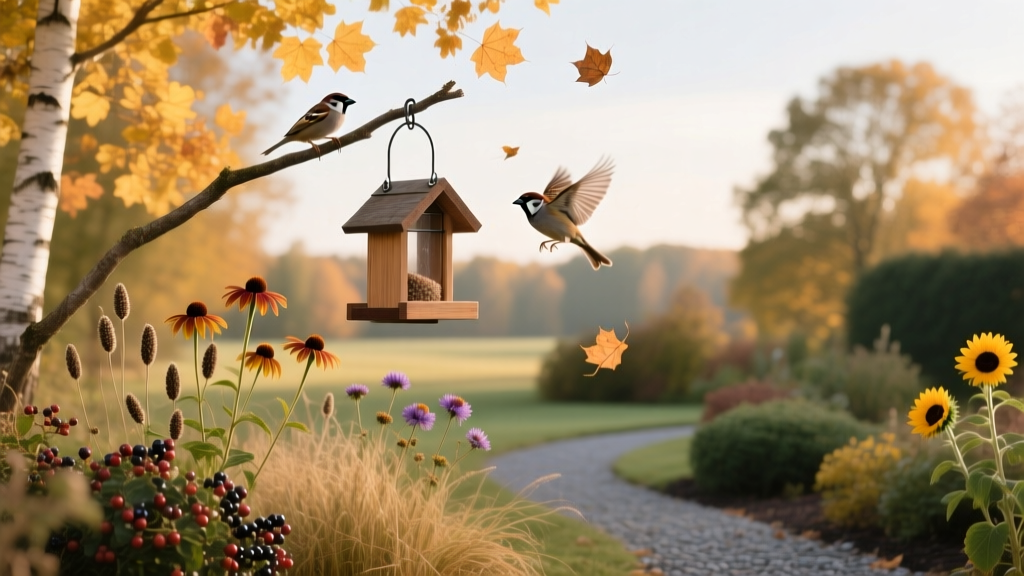
Supporting Migrating Birds in Your Fall Garden
Fall migration isn’t a background nature show—it’s happening over your fence line, and your garden can either be a pit stop or a dead zone. The next 4–10 weeks are when many songbirds and hummingbirds are stocking up on calories, finding safe cover, and timing their moves with cold fronts. If you act now—before your first hard freeze and before you “clean up” everything—you can turn ordinary autumn chores into bird support that doesn’t compromise your garden’s health.
Use this guide like a seasonal checklist: start with the highest-impact tasks (food, water, cover), then move to pruning, protection, and prep. Adjust timing based on your USDA hardiness zone and first frost date, and keep an eye on nighttime lows—32°F changes what’s still active, what’s still feeding, and what needs shelter.
Priority 1: What to Plant (and what to leave standing) to fuel migration
Planting in fall is less about instant flowers and more about late-season nectar, seed heads, and fruit—plus getting a jump on spring. The big mistake in fall is cutting everything down just as birds need it most.
Right now (next 1–2 weeks): Add quick-return bird plants
If you have 3–6 weeks before your average first frost, you can still plant cool-season annuals and small perennials that stabilize soil, host insects, and provide cover. Aim for planting when daytime highs stay under 80°F and nights are reliably under 60°F—transplant shock drops and roots establish faster.
- Native asters (Symphyotrichum spp.): critical late nectar for migrating pollinators and insects that birds feed on; plant in full sun and water weekly until established.
- Goldenrod (Solidago spp.): late-season insect magnet; don’t blame it for allergies (ragweed is the usual culprit).
- Sunflowers (Helianthus annuus) left standing: if already grown, don’t deadhead—seed heads are gold for finches.
- Native grasses (little bluestem, switchgrass): structure, cover, and overwintering habitat; plant plugs early fall where possible.
- Short-season greens (arugula, mustard, kale): not “bird plants,” but they draw insect life and keep your beds living—use row cover to reduce pest pressure.
Timing cue: If your first frost is around October 10–20 (common in many Zone 4–5 locations), plant perennials by mid-September. If you’re in Zone 7–8 with first frost often mid-November to early December, you can plant into October and still get root establishment.
Within 2–4 weeks: Plant shrubs and small trees that pay off fast
Woody plants are the backbone of bird habitat. Fall planting works well because roots grow while tops rest—especially once soil temps drop below about 70°F but remain above 40–45°F.
- Serviceberry (Amelanchier): berries for fall migrants and spring residents; good in Zones 3–9.
- Dogwood (Cornus spp.): berries plus twiggy cover; many natives suit Zones 4–9.
- Viburnum (native species): fruit clusters feed thrushes and other migrants; match species to your region.
- Elderberry (Sambucus): fast-growing, heavy fruiting; give it space and sun.
Do this immediately after planting: water deeply, mulch 2–3 inches (keep mulch 2 inches away from the trunk), and cage young shrubs if deer browse is common during rut (often October–November).
What not to “clean up”: keep habitat standing through at least late fall
Seed heads and stems are not mess—they’re food and shelter. Leave standing until after several hard frosts, or ideally until late winter.
- Leave coneflower, black-eyed Susan, bee balm, and native grasses intact.
- Keep a leaf layer under shrubs; it shelters overwintering insects that many birds depend on.
- Delay cutting perennial stems to 12–18 inches (instead of ground level) to provide perches and winter cover.
“Leave the leaves… many butterfly and moth species spend the winter in leaf litter, and those insects support birds.” — Xerces Society guidance on overwintering habitat (commonly cited in extension outreach)
Priority 2: What to Prune (and what to stop pruning) so you don’t remove food
Fall pruning can help plant health, but it can also erase berries, buds, and shelter. Use pruning strategically: remove disease and hazards now; save shaping for late winter.
Prune now: disease, deadwood, and safety issues
- Remove dead, damaged, or crossing branches on shrubs and small trees any time you can clearly identify them.
- Cut out cankered or blighted wood at least 6–12 inches below visible symptoms; disinfect pruners between cuts if disease is present.
- Thin vegetables that are collapsing to improve airflow and reduce late-season fungal issues.
Research-based sanitation reminder: Many extension services recommend removing diseased plant material and keeping it out of compost when pathogens are active. Cornell University’s Home Gardening resources emphasize sanitation as a core disease-management practice (Cornell Cooperative Extension, 2020).
Hold off until late winter: major pruning that removes buds or berries
- Don’t hard-prune spring-flowering shrubs (lilac, forsythia, many hydrangeas) in fall—buds are already set.
- Don’t shear hedges into tight shapes now; birds use the interior structure for shelter during cold snaps.
- Leave berrying shrubs (viburnum, dogwood, holly) alone once fruit is present—those berries are migration fuel.
Pruning exception: invasive plants that starve habitat
Fall is a good time to remove invasives that displace native food webs. Cut and treat resprouts when plants are still moving resources to roots.
- Burning bush, Japanese barberry, privet, multiflora rose: remove and replace with natives suited to your region.
Priority 3: What to Protect (water, shelter, and pest control without harming birds)
Migrating birds need three things from your yard: clean water, safe cover, and reliable calories. Your job is to provide those while keeping fall pests and diseases from overwintering into next year.
Water: keep it available when nights drop to 35–32°F
Water is often the limiting factor in fall. A shallow, clean source can concentrate activity quickly.
- Refresh every 1–2 days during warm spells to prevent mosquito breeding and algae.
- As overnight lows approach 35°F, move birdbaths into morning sun or add a small heater if you’re staying below 32°F at night.
- Keep depth shallow (1–2 inches) or add stones for safe footing.
Extension guidance consistently emphasizes cleaning feeders and water sources to reduce disease spread. The University of Minnesota Extension outlines routine cleaning and safe placement to reduce risk (University of Minnesota Extension, 2019).
Feeders: high-energy food, clean hardware, smart placement
Feeders can help during migration and cold snaps, but only if they’re clean and placed safely.
- Clean seed feeders weekly with hot soapy water; disinfect periodically (especially if you see sick birds).
- Rake hulls and spilled seed to reduce rodents and mold.
- Place feeders within 3 feet of cover (so birds can duck in) or more than 30 feet away (to reduce ambush risk). Avoid the “middle distance” that benefits cats.
- If hummingbirds are still present, keep a nectar feeder up until you’ve had two weeks with no sightings—migration timing varies widely.
Protect birds from windows and night lighting during peak movement
Fall migration plus illuminated homes is a collision recipe. Reduce hazards during the weeks you notice heavy activity (often late August through October depending on region).
- Apply temporary window markers or films to large reflective panes.
- Turn off exterior lights during late-night hours, especially during overcast nights and cold fronts.
Pest and disease prevention you should do now (bird-safe approach)
Fall cleanup isn’t about stripping beds bare; it’s about removing disease reservoirs and managing pests while leaving habitat intact.
- Remove fallen fruit under trees weekly to reduce yellowjackets, fruit flies, and rot (which can also attract rodents).
- Pull and trash diseased tomato/pepper foliage (blight, spot, mildew). Don’t compost if disease is active.
- Stop broad-spectrum insecticides in fall: they reduce the insects migrants need and can affect non-target species.
- Use physical controls instead: row cover on brassicas, hand-picking late hornworms, and strong water sprays for aphids.
Temperature cue: Many fungal issues surge with cool nights and leaf wetness. If evening temps fall into the 45–55°F range with heavy dew, prioritize airflow, morning watering, and sanitation.
Priority 4: What to Prepare (soil, shelter, and a migration-ready layout)
Preparation is where gardeners gain the most: you set up next spring while actively supporting birds right now. Think in layers—soil, groundcover, shrubs, and canopy.
Within the next 7–10 days: Do a “habitat audit” and fix gaps
Walk your garden at dusk and again at sunrise.
- No cover near food? Add brush piles (see below) or place planters/containers strategically.
- Too tidy under shrubs? Stop removing leaves; rake only paths and lawn edges.
- No water source? Add a shallow basin and commit to cleaning.
- Exposed vegetable beds? Add a cover crop where appropriate and keep edges planted for insect life.
Build a brush pile (fastest shelter you can add)
A brush pile is immediate refuge during storms and cold fronts. Use fallen branches, prunings, and sticks.
- Start with thicker branches at the base to create cavities.
- Layer smaller twigs on top; keep it 3–6 feet wide if possible.
- Place near shrubs but not directly against structures (reduce rodent conflicts).
Soil prep that supports birds indirectly (more insects, more resilience)
- Top-dress beds with 1–2 inches of compost after removing diseased plants; cover lightly with leaves or straw.
- Seed cover crops where you have open soil: winter rye, oats/peas (timing depends on region). This reduces erosion and supports beneficial insects.
- Mulch after soil cools (often after consistent lows near 40°F) to avoid creating a warm refuge for late pests.
Set up winter-ready garden structures now
- Install or repair row cover hoops before winds pick up.
- Stake young trees and add trunk guards where sunscald or rodent girdling is common (often Zones 3–6).
- Label shrubs and perennials while they’re still identifiable; this prevents accidental winter pruning of berrying plants.
Fall timeline: what to do each month (adjust for your frost date)
Use the schedule below as a working template. Shift it earlier for Zones 3–5 and later for Zones 8–10.
| Month | Highest-impact bird support | Garden tasks that also help migration | Key timing/thresholds |
|---|---|---|---|
| Late Aug–Sept | Keep water fresh; leave seed heads; reduce night lighting | Plant asters/goldenrod; start brush pile; sanitize diseased vegetables | Plant when nights < 60°F; aim for 4–6 weeks before first frost |
| October | Maintain feeders cleanly; protect shrubs as cover | Plant shrubs/trees; mulch after soil cools; remove fallen fruit weekly | Prepare for frosts at 32°F; protect water at 35°F nights |
| November | Keep a thawed water source during freezes; preserve leaf litter under shrubs | Install trunk guards; finish compost top-dress; stop cutting perennials down | After 2–3 hard frosts, shift to winter protection mode |
Regional scenarios: adjust your fall bird-support plan to real conditions
Migration timing and garden tasks change dramatically by region. Use these scenarios to make quick, accurate calls.
Scenario 1: Upper Midwest / New England (USDA Zones 3–5, early frosts)
If your first frost often lands between September 20 and October 15, your window is short. Prioritize “leave standing” habitat and fast shelter.
- By mid-September: plant perennials only if you can water weekly; otherwise focus on mulching and brush piles.
- At 32°F nights: protect bird water from freezing; drain hoses and store sprayers.
- After hard frosts: stop pruning berrying shrubs; switch to sanitation and wind protection for young plants.
Pest/disease note: Clean up apple scab leaves and diseased rose foliage to reduce overwintering spores, but keep healthy leaf litter under shrubs where it won’t spread disease.
Scenario 2: Mid-Atlantic / Ohio Valley (USDA Zones 6–7, long fall)
With first frost often October 20–November 10, you can plant more and build long-term habitat quickly.
- Plant serviceberry, viburnum, dogwood through October if soil is workable.
- Keep nectar plants (asters, goldenrod) going; delay cutting back until winter.
- Watch for cool, wet spells: remove diseased vegetable foliage promptly to prevent fall blights from lingering.
Bird focus: This is prime time for sparrows, thrushes, and warblers moving through—dense shrub edges and leaf litter matter as much as feeders.
Scenario 3: Pacific Northwest (USDA Zones 7–9, wet fall, mild temps)
Fall rains can be a gift (easy establishment) and a problem (fungal pressure). Your top task is managing moisture while keeping cover.
- Plant shrubs and natives aggressively once rains begin; water less but ensure drainage.
- Keep seed and suet feeders dry and clean—wet seed molds quickly.
- Prune only for airflow and disease removal; avoid heavy cuts that trigger tender regrowth.
Pest/disease note: Slugs and snails often surge as temperatures settle into the 45–60°F range with steady moisture. Use iron phosphate baits cautiously and target hotspots; protect ground-feeding birds by following label directions and avoiding broadcast applications.
Scenario 4: Southern Plains / Southeast (USDA Zones 8–10, late frost or no frost)
Your migration season can extend deep into fall and early winter, and your garden may still be actively growing.
- Keep water available during heat spikes (even in October) and clean it frequently.
- Plant native shrubs and fall-blooming perennials well into November where soil remains warm.
- Watch for mosquitoes: refresh water more often and use moving water if possible.
Bird focus: You may see late hummingbirds and a broader mix of migrants. Keep nectar feeders consistent (clean every few days in warm weather) until activity truly stops.
Fast checklist: the next 72 hours
- Leave seed heads standing; stop deadheading coneflowers and sunflowers.
- Add or refresh a birdbath; commit to cleaning every 1–2 days.
- Rake leaves off paths, but keep leaf litter under shrubs.
- Remove diseased vegetable plants and trash them (don’t compost).
- Start a brush pile with prunings and storm fall.
- Check feeders: dump wet seed, scrub, and refill with fresh.
Two-week action plan (timed to frost and soil temps)
Follow this sequence to get the most benefit with the least wasted effort.
Days 1–3
- Set up water and clean feeders.
- Identify berrying shrubs and mark them “do not prune.”
- Remove fallen fruit and any disease-heavy plant debris.
Days 4–7
- Plant fall perennials (asters/goldenrod) if you have 4+ weeks before first frost.
- Mulch lightly around new plantings; keep mulch off crowns and trunks.
- Install window markers if you have large reflective glass near feeders.
Days 8–14
- Plant shrubs/trees if soil temps are roughly 40–70°F and the ground is workable.
- Build or expand brush piles and add evergreen structure (pots, temporary screens) where cover is thin.
- Shift watering to mornings; reduce leaf wetness to limit mildew and leaf spot.
Expert notes you can use immediately
On sanitation and disease carryover: Extension-backed home garden recommendations consistently stress removing diseased material to reduce next year’s pressure (Cornell Cooperative Extension, 2020; University of Minnesota Extension, 2019). The key is selective cleanup—remove disease reservoirs, not all habitat.
On habitat value of “messy” areas: Research and outreach on backyard ecology repeatedly shows that leaving stems and leaf litter supports overwintering insects, which in turn support birds—especially during migration when protein matters as much as seed. Treat your garden edges and understory as living infrastructure, not waste.
As the first cold fronts stack up and nights flirt with 32°F, keep your focus tight: clean water, safe cover, and natural food left standing. Your fall garden doesn’t need to look bare to be ready for winter—and for migrating birds, it shouldn’t.