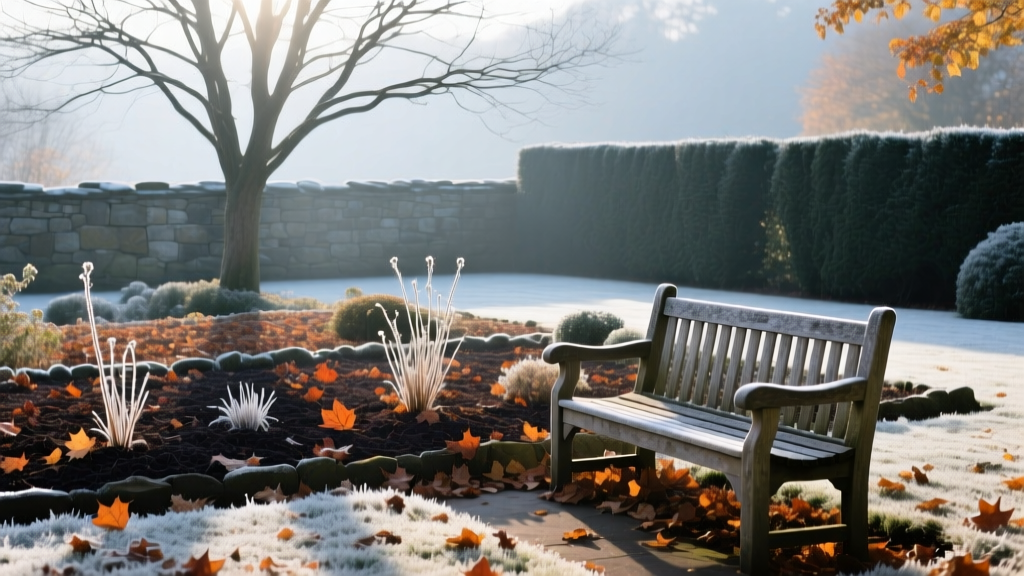
Transitioning Your Garden from Fall to Winter
The clock is ticking between your first hard frost and the moment the ground locks up. In many gardens, that window is only 3–6 weeks long—and what you do now determines whether plants coast through winter or limp into spring. This is the season to act with purpose: harvest and clear disease, protect roots before temperature whiplash, plant what needs cold to grow, and set up next year’s success while the soil is still workable.
Use your local first frost date as the anchor. If you don’t know it, look it up by ZIP code, then count backward: most “must-do” tasks belong in the 2–4 weeks before your average first frost, and a second round happens after the first freeze but before the soil freezes solid (often when soil temps dip under 40°F). Below is a priority-based plan with timing cues you can use right now.
Priority 1: What to plant before winter closes the door
Garlic and overwintering onions (best 2–4 weeks before hard freeze)
If you want a high payoff with minimal fuss, plant garlic now. The goal is root growth before the ground freezes, not leafy growth. Plant in most regions when soil temperatures are around 50°F and trending down; that’s often 2–4 weeks before your soil typically freezes.
- Planting depth: 2–3 inches deep (measured from clove top), deeper in sandy soil.
- Spacing: 4–6 inches apart, 8–12 inches between rows.
- Mulch: Apply 3–6 inches after the soil cools (see mulch timing below).
Overwintering onions (multiplier onions, some short-day types in mild climates) can also be planted now in USDA Zones 7–10. In colder zones, treat onions as spring-planted unless you have a protected bed or low tunnel.
Spring-blooming bulbs (plant when nights regularly hit 40s)
Tulips, daffodils, crocus, and hyacinths need a cold period to flower well. Plant after the soil cools so they don’t break dormancy too early—often when nighttime lows are consistently 40–45°F. In many places that’s late September through November.
- Depth rule: 2–3× the bulb’s height.
- Rodent pressure? Choose daffodils (less palatable) or use hardware cloth baskets.
- Water once after planting if the soil is dry; then let winter handle the rest.
Cover crops (seed 4–8 weeks before first hard frost)
A cover crop is your off-season workforce: it reduces erosion, suppresses winter weeds, and improves soil structure. Timing depends on what you sow:
- Winter rye: Very cold-hardy; sow about 2–4 weeks before first hard frost for best establishment, but it can handle later sowing in many regions.
- Oats: Often winter-killed around 10–20°F, leaving a mulch-like mat.
- Crimson clover/hairy vetch: Needs earlier fall planting (commonly 6–8 weeks before hard frost) to size up.
Extension recommendations consistently emphasize matching cover crop species to your frost window and spring termination plan (Penn State Extension, 2020).
Perennials, shrubs, and trees (plant early fall, not late fall)
If you’re still planting woody plants, do it early enough for roots to establish before soil temperatures drop below about 40°F. In USDA Zones 3–5, late fall planting is riskier unless you can water consistently and mulch correctly. In Zones 7–10, fall remains prime planting season.
Priority 2: What to prune (and what to leave alone)
Prune for safety and structure—avoid stimulating tender regrowth
Late-season pruning mistakes show up as winter dieback. Stick to pruning that prevents breakage and disease spread, and postpone “shaping” until dormant season (or late winter) for many plants.
- Do prune now: Dead, damaged, diseased wood any time you see it; crossing branches that will rub in winter winds; hazard limbs over walkways.
- Don’t prune now: Spring-blooming shrubs like lilac, forsythia, and many hydrangeas that set buds on old wood—pruning now removes next spring’s flowers.
- Roses: In colder zones, avoid hard pruning in fall; instead, shorten very tall canes to prevent wind rock, and save major pruning for late winter/early spring.
“Fall pruning can encourage new growth that won’t harden before freezing weather, increasing winter injury.” (University of Minnesota Extension, 2023)
Perennials: cut back selectively, not automatically
Cutting everything down is tidy, but it can remove overwintering habitat for beneficial insects and can expose crowns to temperature swings. Use a targeted approach:
- Cut back plants with known disease issues (powdery mildew-covered phlox, rusted daylily foliage, peony leaves with blotch). Bag or dispose—don’t compost visibly diseased material.
- Leave standing sturdy stems (coneflower, sedum, ornamental grasses) until late winter if you can; they trap snow and protect crowns.
- Hosta and soft foliage: After a hard freeze turns leaves to mush, remove them to reduce slug and disease carryover.
Priority 3: What to protect from cold, wind, and winter moisture
Mulch timing: after the ground cools, not during warm spells
Mulch is not a blanket to keep plants warm; it’s a thermostat to prevent freeze-thaw cycles that heave roots. Apply mulch after you’ve had a few light frosts and soil temperatures are consistently below about 40–45°F. In many climates that’s late October to mid-November.
- Perennial beds: 2–4 inches of shredded leaves or clean straw.
- Garlic: 3–6 inches of straw/leaves after soil cools.
- Avoid volcano mulching: Keep mulch a few inches away from tree trunks and shrub stems to reduce rot and rodent damage.
Protect young trees: the underrated winter task
In Zones 3–6, sunscald and rodent girdling can kill young trees faster than cold. Add protection before consistent freezing weather, typically by mid-November in cold regions.
- Tree wrap: Wrap thin-barked trees (maple, fruit trees) from just above soil line to the first branches; remove in spring.
- Rodent guards: Use 1/4-inch hardware cloth cylinders around trunks, sunk 1–2 inches into soil.
- Watering: Water deeply until the ground freezes—winter desiccation is a common killer, especially for evergreens.
Evergreens and broadleaf evergreens: prevent winter burn
Winter wind + frozen soil = needles/leaves lose moisture they can’t replace. This is most severe during cold, sunny stretches. Practical steps:
- Deep water evergreens weekly during dry fall weather until freeze-up.
- Anti-desiccant sprays can help in exposed sites, but they work best when applied in late fall during a dry period when temperatures are above 40°F.
- Burlap screens on the windward side help in Zones 4–6 for arborvitae, boxwood, and rhododendron.
Container plants: decide what comes inside, what gets insulated, what gets sacrificed
Pots freeze faster than ground soil. A plant hardy to Zone 6 in the ground may fail in a pot in Zone 6 unless protected. Use this rule of thumb: treat container plants as if they are 1–2 zones colder than your actual zone.
- Move tender plants inside before nighttime lows hit 45–50°F (many tropicals sulk below this).
- Group and insulate hardy containers: cluster pots against a house wall, wrap with burlap, and mulch the top.
- Unheated garage option: For dormant perennials/small shrubs, keep pots between 25–40°F with occasional watering to prevent bone-dry soil.
Priority 4: What to prepare (clean-up, soil, tools, and next spring’s advantage)
Targeted garden clean-up to reduce pests and disease
Fall clean-up is most effective when it’s selective. Remove what carries disease or pests; leave what supports beneficials.
- Apple/scab and fruit diseases: Rake and remove fallen leaves and mummified fruit to reduce reinfection next year.
- Tomatoes, peppers, squash: Pull and discard vines showing blight, mosaic, powdery mildew, or borer damage. Don’t compost diseased plant material unless you hot-compost reliably.
- Rose black spot: Remove infected leaves on the ground—this reduces spore load next season.
Research-based guidance consistently notes that sanitation—removing infected debris—reduces overwintering inoculum for many common garden diseases (Cornell Cooperative Extension, 2019).
Weed control now saves hours in spring
Perennial weeds store energy in fall. If you remove them now, you’re cutting off next year’s growth surge.
- Hand pull young winter annuals before they set seed.
- Dig dandelion, dock, and burdock when soil is moist—aim to remove the crown/root as fully as possible.
- Sheet mulch new beds: lay cardboard, wet it, then add 3–6 inches of leaves/compost. Do this 2–6 weeks before the ground freezes so it settles.
Soil and beds: compost, leaves, and smart timing
Fall is ideal for adding organic matter because winter moisture helps integrate it. Focus on structure-building, not heavy feeding.
- Add compost: 1–2 inches on top of beds; let earthworms do the mixing.
- Shred leaves: Run a mower over dry leaves; shredded leaves break down faster and resist matting.
- Avoid late nitrogen fertilizer: For lawns and some perennials it may be appropriate in certain windows, but for many garden plants, late nitrogen can push tender growth.
Drain, store, and sharpen: your spring self will thank you
Freeze damage to hoses and irrigation parts is preventable. Do these before your first hard freeze (often 28°F or lower):
- Disconnect hoses and drain them; store out of sun.
- Shut off and drain irrigation/backflow systems where applicable.
- Clean tools, sharpen pruners, oil metal surfaces.
- Empty and store clay/ceramic pots that can crack.
Timing you can follow: month-by-month schedule
| Time window | Outdoor tasks (priority) | Key temperature/date triggers |
|---|---|---|
| Late Sept–Early Oct | Plant cover crops; plant early bulbs; start bringing tender plants in at night | Night lows consistently 45–50°F; first frost often within 2–6 weeks in Zones 3–6 |
| Mid Oct | Plant garlic; clean up diseased veg; protect young trees; water evergreens | Soil temps near 50°F and cooling; watch for first frost around 32°F |
| Late Oct–Mid Nov | Mulch after soil cools; install burlap screens; drain hoses; finish bulb planting | After a few frosts; soil trending <45°F; prep before hard freezes near 28°F |
| After first hard freeze | Cut back mushy foliage; final sanitation; move dormant pots to protected storage | Leaf kill after several nights below 28–30°F |
| Before ground freezes solid | Final deep watering in dry falls; finish mulching; secure structures | Soil temps approaching 40°F; forecast for prolonged freeze |
Regional scenarios: adjust the same priorities to your reality
Scenario 1: Cold winter, early freeze (USDA Zones 3–5; Upper Midwest, Northern New England, Interior West)
If your first hard freeze can arrive by early to mid-October, front-load planting and protection. Your main risk is not just cold—it’s rapid swings and wind.
- Plant garlic earlier (often late Sept–early Oct) so roots establish before soil freezes.
- Delay mulching until soil cools; mulching too early can keep voles active and encourage rot.
- Prioritize wind protection for evergreens: burlap screens beat wrapping plants tightly (which can trap moisture and cause disease).
- Snow management: Tie up arborvitae to prevent splaying under heavy snow/ice.
Scenario 2: Temperate with reliable fall (USDA Zones 6–7; Mid-Atlantic, parts of the Pacific Northwest, lower Midwest)
You often get a long shoulder season. Use it to build soil and plant aggressively, but watch late warm spells that delay dormancy.
- Bulbs can go in through November if soil is workable.
- Cover crops are high-value here—your soil stays active longer.
- Pruning restraint: Warm late falls can trigger regrowth after pruning; keep pruning limited to dead/damaged wood.
- Slug/snail cleanup: Remove boards, pots, and dense debris where slugs overwinter; this reduces spring pressure.
Scenario 3: Mild winter, wet season (USDA Zones 8–10; Southeast, Gulf Coast, Coastal California)
Your “winter” issues are often excessive moisture, fungal disease, and pests that never fully die back. Fall is prime planting season for many ornamentals and cool-season vegetables, but sanitation matters.
- Planting window: Trees/shrubs/perennials establish beautifully in fall and winter when heat stress is gone.
- Drainage first: If beds pond water, prioritize raised beds or channels now; winter root rot is common in heavy soils.
- Disease prevention: Improve airflow, remove diseased foliage promptly, and avoid overhead watering in cool, damp conditions.
- Pest watch: Aphids, whiteflies, and mites may persist; inspect undersides of leaves and treat early with insecticidal soap or horticultural oil when temperatures are below 85°F (follow label directions).
Seasonal pest and disease prevention: what matters most right now
Stop overwintering cycles with sanitation and timing
Many problems “start” next spring because they were left in place this fall.
- Powdery mildew: Remove heavily infected leaves from susceptible plants; avoid composting if the pile won’t heat.
- Squash vine borer: Pull and discard vines; don’t leave stems in place where larvae/pupae can overwinter.
- Cabbage family pests: Remove crop residues; tilling lightly (where appropriate) or removing residue reduces habitat for eggs and pupae.
- Fruit tree pests: Pick up dropped fruit (“drops”) weekly in fall to reduce codling moth and other pests’ overwintering opportunities.
Mulch and rodents: protect plants without inviting damage
Deep mulch piled against stems creates rodent cover. Keep mulch pulled back a few inches from crowns and trunks, and consider vole guards in snowy climates. If you see runways in grass, reduce nearby dense groundcover and keep areas around young trees clear.
Right-now checklists: 30 minutes, half-day, and weekend
30-minute “before dark” checklist
- Check the 10-day forecast for first frost (32°F) and hard freeze (28°F).
- Pick up fallen fruit and remove diseased vegetable debris.
- Water evergreens if soil is dry and temps are above freezing.
- Move one tender container plant to shelter as a test run.
Half-day checklist (high impact)
- Plant garlic or finish bulb planting.
- Seed a cover crop in empty beds; water it in.
- Rake leaves from lawns (or mulch-mow them) and stockpile shredded leaves for mulch.
- Install trunk guards on young trees.
Weekend checklist (set the garden up for success)
- Sheet-mulch a new bed (cardboard + compost/leaves) while the ground is still soft.
- Drain hoses and irrigation lines before the first hard freeze.
- Build or repair a low tunnel/cold frame; secure with sandbags or landscape staples.
- Do a targeted perennial cutback: remove diseased foliage, leave sturdy stems.
A simple timeline anchored to your frost date
Use this as a plug-and-play plan. Replace “F” with your average first frost date.
- F minus 6–8 weeks: Seed legumes cover crops (crimson clover/vetch) where you want spring nitrogen.
- F minus 4–6 weeks: Start bringing tender plants in at night if lows approach 45–50°F; begin sanitation in vegetable beds.
- F minus 2–4 weeks: Plant garlic; plant most bulbs; deep water shrubs/evergreens during dry spells.
- F to F plus 2 weeks: Expect first frosts around 32°F; protect containers; remove mushy foliage after freezes.
- After several frosts / soil cooling: Mulch when soil is consistently <45°F; install burlap wind screens.
- Before prolonged freeze: Final hose drain, tool cleanup, and one last deep watering if rainfall has been scarce.
If you do nothing else, do these three: plant what must be planted (garlic/bulbs/cover crops), clean up disease sources, and mulch at the right time. Those actions pay dividends even in unpredictable winters—especially in years when temperatures swing between thaw and deep freeze. Step outside today, check the forecast, and knock out the tasks that can’t wait; the rest can follow as the season tightens its grip.