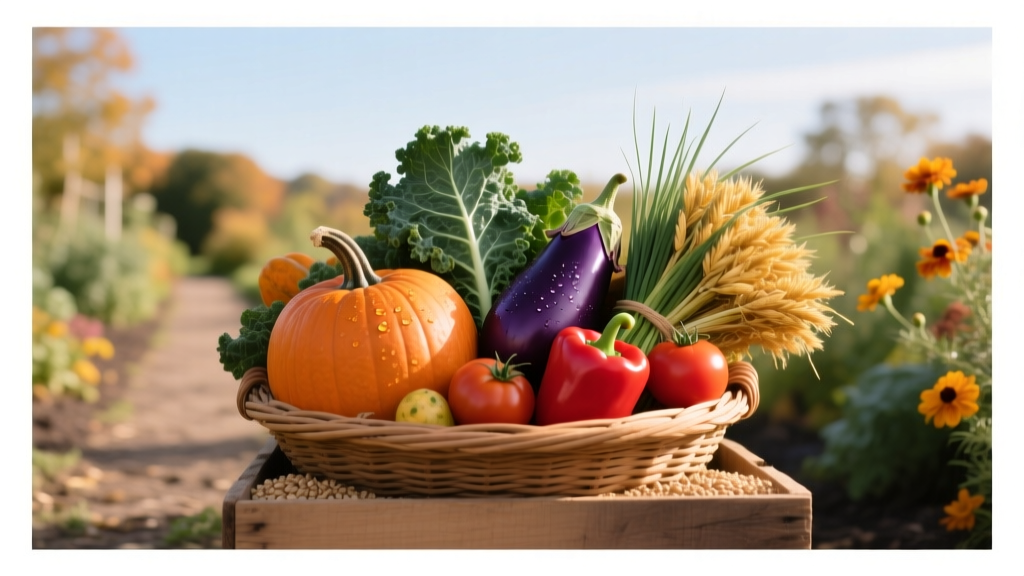
What to Harvest in Fall Before the First Frost
The clock starts ticking the moment nights drop into the low 40s°F and your local forecast begins whispering “patchy frost.” In many gardens, that’s not the end of the season—it’s the high-stakes week where a few targeted harvests and quick protective moves preserve months of work. One cold night at 32°F can turn tender crops to mush, while the right timing can actually sweeten others. Use this guide like an almanac: do the highest-risk harvests first, then work down the list, with temperature thresholds, timelines, and regional realities built in.
Know your date: Find your average first fall frost date (historical average) and then watch the 10-day forecast like a hawk. If you’re within 2 weeks of that date, start harvesting tender crops now. If the forecast shows 33–36°F overnight, plan for frost protection; if it shows 32°F or lower, harvest or cover anything sensitive the same day.
Priority 1 (Do This First): What to Harvest Right Now Before Frost
Start with crops that are damaged by light frost (36–32°F) and then move to those that tolerate frost or improve with it. When in doubt, harvest: quality almost always drops faster after cold stress than it does on the counter indoors.
Harvest immediately if temps may hit 32–36°F (tender crops)
Tomatoes: Pick any tomato with a hint of blush when nights dip below 50°F; flavor and ripening slow dramatically in cool weather. Before a frost warning, harvest all mature green fruit. Ripen indoors at 60–70°F in a single layer. If a hard freeze (28°F or lower) is forecast, don’t wait—fruit can turn watery and translucent.
Peppers (sweet and hot): Peppers are frost-tender. Harvest everything before a predicted 32°F. Even a light frost can cause soft spots that invite rot in storage. If you’re within 7 days of frost, prioritize thick-walled bells first (they collapse sooner than thin-walled hot peppers).
Basil and other tender herbs: Basil blackens around 40°F and is typically killed by frost. Cut plants back and bring stems inside for fresh use, or harvest leaves to freeze as pesto cubes. Many gardeners wait for the “first frost harvest,” but basil is better treated as a pre-frost crop—pick it when nights consistently run under 45°F.
Beans, cucumbers, summer squash: All are easily damaged by light frost. If the forecast shows 36°F or lower, harvest what you can the same day. Slightly underripe fruit is usually better than frost-softened fruit.
Harvest before hard frost (28°F) or when tops die back
Winter squash and pumpkins: These tolerate cool nights but not a hard frost. Harvest before a freeze of 28°F or anytime vines are dying. Leave 2–4 inches of stem attached to reduce rot. Cure at 80–85°F for 7–10 days if possible, then store around 50–55°F with good ventilation.
Sweet potatoes: Dig before soil temperatures drop too low—sweet potatoes are chilling-sensitive. Many extension programs recommend harvesting before frost and before soils cool into the 50°F range. Handle gently; curing matters: hold at 80–85°F and high humidity for 7–14 days to heal skins, then store around 55–60°F.
Irish potatoes: Harvest once vines yellow and die back, ideally before a prolonged wet period or a hard freeze. Cool, soggy soils increase disease pressure and storage rot. If late blight was present, harvest promptly and don’t store questionable tubers.
Harvest after light frosts (these often improve)
Carrots, beets, turnips, rutabaga: Light frosts (32–30°F) can increase sweetness. In Zones 5–7, you can often keep carrots in the ground into late fall with a heavy mulch (6–12 inches of straw or shredded leaves). Harvest before the ground freezes solid, especially if nighttime lows are forecast below 25°F for multiple nights.
Kale, collards, Brussels sprouts: These are classic “frost sweetened” crops. Harvest leaves and sprouts after a couple of light frosts, but protect plants if a sudden plunge below 20°F is forecast and you want them to keep producing.
Parsnips: Flavor improves after frost. Many gardeners harvest after 2–3 frosts and before soil freezes hard. In colder zones, mulch heavily to buy more time.
“Frost injury occurs when ice forms in plant tissues; tender plants are injured at relatively high temperatures, while hardy crops tolerate lower temperatures.” — University of Minnesota Extension (2021)
Priority 2: What to Plant in Fall (Only if You Still Have a Window)
Planting in fall is about realism: you’re either planting for late fall harvest (fast crops) or for overwintering/early spring. Use your first frost date and count backward.
Plant now (4–8 weeks before first frost): fast, cool-season crops
If you have 6–8 weeks until first frost, you can still sow quick crops in Zones 6–9 and sometimes Zone 5 with protection. Targets: radishes (20–35 days), arugula (30–45 days), spinach (35–50 days), and leaf lettuce (30–55 days). Aim to have seedlings up and growing before night temps regularly drop below 40°F.
Timing rule: If your first frost is October 15, count back to about August 20–September 1 for many fall greens; if you’re already past that, switch to overwintering strategies (low tunnels) or focus on harvest/protection.
Plant for overwintering (2–6 weeks before first frost)
Garlic: Plant when soil temperatures cool to about 50°F and are trending downward—often 2–4 weeks before the ground freezes. In Zones 3–7, that’s frequently late September through October; in Zones 8–9, October through November. Mulch after planting once the soil cools, not while it’s still warm.
Cover crops: Winter rye, oats (winter-killed in cold zones), and crimson clover can protect soil and reduce erosion. Seed 4–6 weeks before a hard freeze so roots establish. This is one of the highest payback fall tasks for next year’s garden.
Priority 3: What to Prune (And What to Leave Alone)
Fall pruning is a common mistake because it can stimulate tender new growth that’s easily damaged. Focus on safety and sanitation, not shaping.
Prune now: safety, disease, and fruiting canes that are finished
Remove dead, diseased, broken wood anytime you see it. Also cut out vegetable plants that are clearly finished and diseased (tomatoes with blight, cucurbits with severe mildew) and dispose of them in the trash—don’t compost high-risk disease material.
Raspberries: For summer-bearing types, cut out canes that fruited (floricanes) after harvest; for everbearing types, follow your preferred system (mow all for one fall crop next year, or manage for two crops). Make cuts before prolonged wet weather sets in to reduce cane disease.
Do NOT prune now (wait until late winter/early spring)
Avoid heavy pruning of fruit trees and many ornamental shrubs in fall; it can increase winter injury. If you must prune, keep it minimal and remove only what’s necessary. Save structural pruning for dormant season when the coldest weather has passed in late winter.
Priority 4: What to Protect Before the First Frost
Protection is not all-or-nothing. The goal is to buy 1–4 weeks of harvest, depending on your climate. A light frost is often manageable; a hard freeze requires either serious protection or harvesting.
Cover strategies by temperature threshold
When the forecast is 36–33°F (light frost risk): Use frost cloth (row cover) directly over crops with edges sealed to the ground. Old sheets work in a pinch, but purpose-made frost fabric is more breathable and less likely to crush plants.
When the forecast is 32°F (frost likely): Double layer protection: row cover plus a low tunnel or hoops. Harvest tender fruit first; cover the rest.
When the forecast is 28°F or lower (hard freeze): Assume tender crops are done. Harvest tomatoes, peppers, basil, cucumbers, squash—then protect only what has cold tolerance (kale, carrots, beets) if you want to extend the season.
Moisture management: water before frost
Moist soil holds more heat than dry soil. Water earlier in the day before a frost night if the soil is dry. Don’t soak foliage late in the day; you’re warming the soil, not creating damp leaves.
Protect perennials and biennials that matter next spring
Strawberries: In Zones 3–7, protect after plants have hardened off and temps consistently drop near 20–25°F. Mulch too early and you risk rodents and crown rot; too late and crowns can be damaged. Use clean straw to cover plants once the ground begins to firm up.
Rosemary and tender perennials: In Zones 7 and colder, plan to bring potted rosemary indoors before nights hit 40°F. For in-ground plants in marginal zones, cover and mulch heavily, but expect losses in harsh winters.
Priority 5: What to Prepare for Next Year (So Fall Work Pays Off)
Once harvest and frost protection are handled, shift to cleanup and soil work that reduces pests and diseases next season. This is the unglamorous part that separates “same problems every year” from steady improvement.
Garden cleanup that prevents pests and disease
Remove diseased leaves and fruit: Powdery mildew on squash, blight on tomatoes, and bacterial spots can overwinter on debris. Bag and discard heavily infected plant material.
Sanitize stakes and cages: Wash tomato cages and stakes with a disinfecting solution (for example, a diluted bleach solution) and dry before storing. This reduces disease carryover—especially important if you’ve struggled with early blight or Septoria leaf spot.
Control fallen fruit: Pick up dropped apples/pears and dispose of them to reduce overwintering pests and disease cycles in home orchards.
Extension-backed principle: Many plant pathogens survive on infected debris and can reinfect next year’s crops if sanitation is skipped. Penn State Extension emphasizes sanitation—removing infected plant material—as a key step in managing vegetable diseases (Penn State Extension, 2020).
Soil protection: mulch and cover crops
After beds empty, either mulch them or seed cover crops. Bare soil in fall is vulnerable to erosion and nutrient loss. A cover crop also competes with winter annual weeds that otherwise explode in spring.
Compost note: Spread finished compost now, but avoid burying fresh, high-carbon material deeply; keep soil disturbance minimal to protect structure.
A Practical Harvest Timeline (Use This as Your Weekly Checklist)
Use this schedule as a decision tool. Adjust by your USDA zone and your first frost date.
| Time Until First Frost | Top Harvest Priorities | Protection/Prep Priorities |
|---|---|---|
| 4–6 weeks out | Keep picking tomatoes/peppers; start curing winter squash if mature | Order row cover; seed fast greens if you still have growing degree days |
| 2–3 weeks out | Harvest mature green tomatoes; pick basil heavily; pull beans/cukes as they slow | Set up hoops/low tunnel; clean up diseased foliage; seed cover crops |
| 7–10 days out | Harvest all peppers; pick remaining summer squash; start digging potatoes if tops die back | Watch forecasts for 36–32°F nights; water soil before frost night if dry |
| 48 hours out | Harvest any tender crops you’d hate to lose; cut flowers for indoor bouquets | Cover cold-tolerant crops; move pots indoors/garage; secure covers to ground |
| After first light frost | Harvest kale/brassicas as sweetness improves; dig beets/carrots as needed | Mulch carrots; begin deeper cleanup; store tools and sanitize supports |
Regional Reality Checks (3 Common Scenarios)
Fall is not the same everywhere. Use these scenarios to calibrate your actions and avoid advice that doesn’t fit your weather pattern.
Scenario 1: Upper Midwest / Interior Northeast (USDA Zones 3–5, early frosts, fast swings)
If you garden where first frost commonly arrives in late September or early October, assume you’ll get at least one sudden cold snap. In these regions, a forecast drop from 45°F to 28°F in a single night is not rare. Prioritize harvesting tender crops earlier (tomatoes and peppers often need a “last call” harvest 10–14 days before average frost) and put more effort into mulching root crops for extended harvest.
Pest note: In cooler regions, rodents move into mulch as nights cool. Keep mulch pulled slightly back from crowns of plants like strawberries until true cold arrives, and monitor for vole activity.
Scenario 2: Mid-Atlantic / Ohio Valley (Zones 6–7, longer fall, disease pressure persists)
In milder falls, you can harvest longer—but fungal disease can linger because humidity stays high. Tomatoes may look okay until they suddenly collapse from foliar disease when dew is heavy. Keep airflow high, remove infected leaves promptly, and harvest fruit earlier rather than later. This is also a strong region for fall greens: if you have 6+ weeks before frost, keep sowing lettuce, arugula, and spinach in small batches.
Extension-backed reminder: Frost tolerance varies widely by crop. Kansas State University Research and Extension notes that some crops survive light frosts while others are injured, and that maturity stage matters (K-State Research and Extension, 2022).
Scenario 3: Pacific Northwest / Coastal climates (Zones 7–9, fewer hard freezes, winter wet)
Your limiting factor may be light levels and prolonged wet, not cold. Harvest strategies shift: protect squash and pumpkins from rot (keep fruit off wet ground, cure under cover), and harvest potatoes before soils become saturated. Cool-season greens can run deep into fall, but slugs and snails surge as rains return—use iron phosphate bait as needed and remove hiding places like boards and dense debris.
In coastal zones where true hard freezes are rare, focus on disease sanitation and soil protection; leaving crops too long in wet conditions can increase storage rots and reduce quality even without frost.
Crop-by-Crop “Before Frost” Harvest Checklist
Use this list the week you see frost in the forecast.
- Pick now: tomatoes (all blush + mature green), peppers (all), basil (all), cucumbers, beans, summer squash
- Harvest before 28°F: winter squash, pumpkins, sweet potatoes
- Harvest as tops die back: potatoes, dry beans (if pods are mostly dry)
- Can stay through light frosts: carrots, beets, turnips, rutabaga, kale, collards, Brussels sprouts, parsnips
- Cover if you want to extend: lettuce, spinach, Asian greens (row cover buys extra harvest weeks)
Quick Timing Numbers to Pin on Your Fridge
These concrete thresholds help you act fast when forecasts change:
- 50°F nights: start harvesting tomatoes more aggressively; ripening slows and quality drops
- 45°F nights: basil declines; plan final harvest and preservation
- 36–33°F forecast: cover tender-ish crops; pick beans/cukes/squash
- 32°F forecast: harvest all tender crops (tomatoes/peppers/basil) the same day
- 28°F forecast: harvest winter squash/pumpkins; assume tender crops are finished
- 20–25°F pattern: time to mulch strawberries in Zones 3–7 after hardening off
Fall Pest and Disease Prevention (Do It While You Harvest)
Fall is when problems set up camp for next year. Spend an extra hour now to avoid weeks of frustration later.
Tomato and pepper disease cleanup: If you had early blight, Septoria, bacterial spot, or viral issues, remove plants promptly after final harvest. Don’t compost infected foliage unless you run a consistently hot composting system. Rotate nightshades (tomato, pepper, potato, eggplant) to a new bed next year if possible.
Squash vine borer / cucumber beetle residue: Remove cucurbit vines and fruit scraps. Overwintering pests benefit from protected debris. Clean beds reduce spring pressure.
Sanitation in orchards: Rake and remove diseased leaves (apple scab, etc.) and pick up dropped fruit. This simple habit breaks pest cycles and reduces spore load.
Slug control (wet regions): Clear boards, pots, and dense weeds where slugs hide. As fall rains start, bait early—waiting until damage is obvious is usually too late for tender seedlings.
48-Hour Frost Drill (A Simple Action Plan)
If a frost advisory hits and you have two days, follow this order:
- Day 1 (morning): harvest peppers, basil, cucumbers, beans, summer squash; pick all tomatoes with color
- Day 1 (afternoon): harvest mature green tomatoes; bring in potted herbs; set up hoops/row cover supports
- Day 1 (evening): water dry soil early enough to soak in; cover crops before dusk so trapped heat helps overnight
- Day 2 (morning after): uncover once temps rise above 40°F to prevent overheating and condensation buildup
Fall rewards decisive gardeners. Clear the tender crops first, then use covers and mulch to stretch the hardy ones. If you stay ahead of the first 32°F night—and treat 28°F as the true finish line for tender plants—you’ll salvage more, store better, and set up next year’s garden with fewer pests and diseases waiting in the wings.
Sources: University of Minnesota Extension (2021), frost and cold injury principles; Penn State Extension (2020), vegetable disease sanitation practices; Kansas State University Research and Extension (2022), crop frost tolerance guidance.