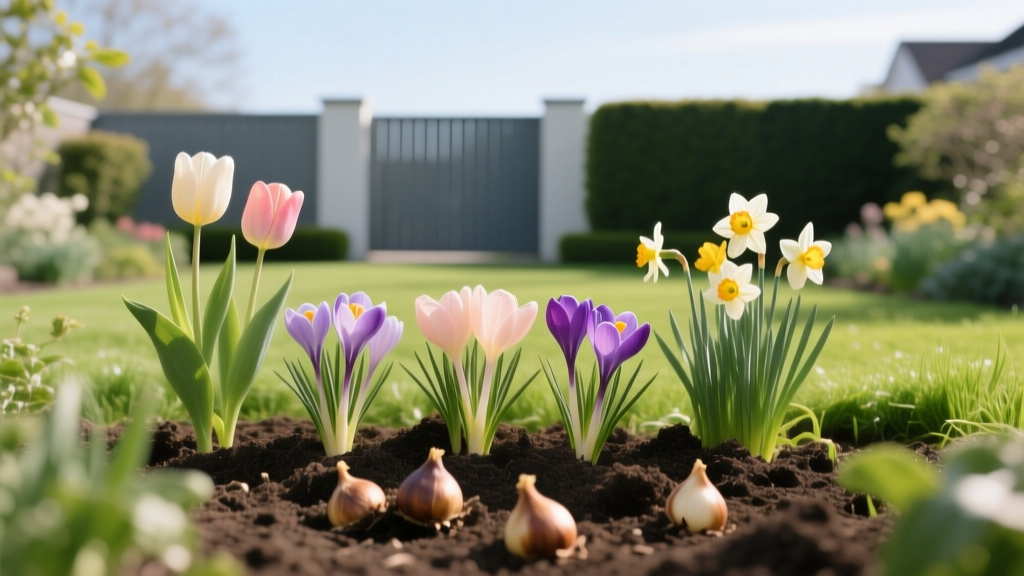
Adding Spring Color to Your Garden with Bulbs
If your garden feels like it’s stuck in neutral right now, bulbs are your fastest, most reliable way to flip the switch on spring color. The window for certain moves is tight: some bulbs must be planted by a hard frost, some can still go in as soon as soil is workable, and others need action right now (dividing, protecting emerging shoots, and stopping rot before it starts). Use this guide like a seasonal almanac: start with the highest-impact tasks first, then work down the list.
Keep three numbers in mind as you plan: bulbs root best when soil temperatures are roughly 40–50°F, many spring bulbs need 12–16 weeks of cold to bloom well, and tender “summer bulbs” shouldn’t go out until after your last frost date and when nights are consistently above 50°F. If you don’t know your last frost date, use your local weather service or extension office average—then adjust based on what your yard actually does.
Priority 1: What to plant right now (to lock in spring color)
Plant “spring-flowering” bulbs in fall—late planters can still succeed
Classic spring color—tulips, daffodils, hyacinths, crocus, grape hyacinth (Muscari), scilla, alliums—comes from bulbs typically planted in fall. But if you’ve got bulbs in the garage and the ground isn’t frozen solid, plant them anyway. A late planting usually beats storing them too warm and dry (which can desiccate them and reduce bloom).
Timing targets (use what applies):
- 6–8 weeks before the ground freezes: ideal planting window in cold-winter regions.
- When soil is 40–50°F: best rooting range for many spring bulbs.
- 12–16 weeks of cold: typical chilling requirement for tulips and many other spring-flowering bulbs to bloom reliably.
- Plant depth: generally 2–3× the bulb’s height (measure from the bulb’s base).
- Water in: give newly planted bulbs about 1 inch of water to settle soil (more only if your fall is very dry).
Regional reality check: in USDA Zones 3–6, the main risk is ground freezing too fast. In Zones 7–8, the risk is warm soil delaying rooting—plant later and choose cultivars known to perform. In Zones 9–10, many tulips won’t perennialize without pre-chilling (more on that below).
Plant early “bridge-to-spring” bulbs as soon as soil is workable
If you’re already in late winter/early spring and the soil can be dug, focus on what can still make a difference this season and next. Some bulbs and corms are forgiving and will naturalize well even when planted later than ideal.
- Snowdrops (Galanthus): best planted “in the green” (soon after flowering) if you can source them.
- Crocus and species tulips: can be planted late if soil isn’t frozen; expect best bloom next year.
- Alliums: late fall/early winter planting can still produce decent results in many climates.
Actionable tip: If you’re planting late, plant slightly shallower (by about 1 inch) in heavy clay to avoid waterlogging, and topdress with compost rather than burying bulbs deep into poorly drained soil.
Plant tender “summer bulbs” for color that starts in late spring and peaks in summer
To keep spring color rolling into early summer, schedule your tender bulbs and tubers (often planted in spring): gladiolus, dahlias, cannas, caladiums. These won’t give you March color, but they extend the show right when spring bulbs fade.
- Plant outdoors when soil is consistently 55–60°F and after your last frost date.
- Start dahlias indoors 4–6 weeks before last frost for earlier blooms (pot up tubers, bright light, minimal water until growth begins).
- Succession plant gladiolus every 2 weeks for 6–8 weeks to stagger bloom.
Scenario: Warm-winter gardeners (USDA Zones 9–10) who want tulips anyway
You can still do tulips, but treat them as an annual display. Pre-chill bulbs in a refrigerator at 35–45°F for 12–16 weeks. Keep bulbs away from apples and other ripening fruit (ethylene can damage flower formation). Plant once chilling is complete and your nights are reliably cool.
Priority 2: What to prune (and what NOT to cut) to protect bloom
Don’t cut spring bulb foliage early—feed the bulb for next year
After flowering, bulbs recharge through their leaves. If you want the same or better display next year, leave foliage in place until it yellows and pulls away easily.
- Minimum: leave foliage for 4–6 weeks after bloom.
- Best practice: let it yellow naturally; braid or tie only if you must (and do it loosely to avoid kinking leaves).
Research-backed rule of thumb: post-bloom leaf retention is essential to rebuild bulb reserves; removing foliage too early reduces next year’s bloom. The University of Minnesota Extension emphasizes letting bulb foliage die back naturally before removing it (University of Minnesota Extension, 2020).
Prune around bulbs strategically: remove hazards, not energy sources
Do prune the things that cause disease or shading without helping the bulb:
- Remove dead iris leaves and any mushy bulb foliage (dispose—don’t compost if disease suspected).
- Thin or raise low branches that keep bulb beds wet and dark all day (a recipe for rot).
- Cut back last year’s perennial stems that are flopping onto emerging bulb shoots.
Scenario: Deer pressure is high—pruning choices can reduce browsing
If deer browse is routine in your neighborhood, avoid pruning shrubs so hard that you remove natural barriers. Keep some structure (twiggy cover) around bulb drifts and prioritize deer-resistant bulbs like daffodils, alliums, and fritillaria for the most visible spots.
Priority 3: What to protect (weather swings, pests, and disease)
Protect emerging shoots from late freezes and temperature whiplash
Spring color often fails because the plant survives but the flower buds get zapped. If you’re seeing green tips and your forecast shows a dip below 28°F, cover the planting before dusk and remove covers mid-morning once temperatures rise.
- Cover materials: frost cloth, old sheets, or spun row cover (avoid plastic touching foliage).
- Mulch buffering: a 2–3 inch layer of shredded leaves or fine bark moderates soil temperature swings.
- Wind protection: staking a temporary windbreak on the windward side can prevent bud desiccation in exposed sites.
Rodents, squirrels, and bulb theft: prevent it before planting
In many yards, the biggest “pest” is a squirrel that unplants your bulbs. Prevention is far easier than chasing.
- Use bulb cages (hardware cloth) for tulips and crocus in high-pressure areas.
- Topdress with sharp grit or coarse gravel after planting to make digging less appealing.
- Choose less tasty bulbs: daffodils and alliums are generally avoided.
Slugs and snails: protect tender foliage early
Slugs wake up right when tender new growth appears. Focus on early intervention:
- Remove boards, thick mulch mats, and debris where slugs hide.
- Water in the morning so the soil surface isn’t wet overnight.
- Use iron phosphate bait if needed, and reapply after heavy rain.
Prevent bulb rot and fungal disease (the quiet spring color killer)
Bacterial and fungal rots thrive in cold, wet soils—especially in heavy clay or poorly drained beds. The simplest prevention is drainage plus restraint with water.
- Don’t plant into soggy soil: wait until it’s workable; bulbs sitting in water are at high risk.
- Improve drainage: incorporate compost, or plant on a slight mound or raised bed.
- Sanitation: remove and discard mushy bulbs and any plants with streaking or collapse.
“Good drainage is essential for most bulbs; standing water encourages bulb rot and can eliminate a planting quickly.” — Washington State University Extension (WSU Extension, 2019)
Extension guidance commonly emphasizes site drainage and proper planting depth for bulb health. For example, North Carolina State Extension notes that many bulbs perform best in well-drained soil and can suffer in wet sites (NC State Extension, 2021).
Scenario: Heavy clay soil (common in the Midwest and parts of the South)
If your soil stays wet and sticky in spring, treat bulb planting like a drainage project.
- Plant in raised rows or berms 4–6 inches high.
- Mix in compost, but avoid turning the bed into a “bathtub” (improving only the planting hole can trap water). Amend a wider area or build up.
- Favor bulbs that naturalize reliably in heavier soils: daffodils, Siberian squill (Scilla), alliums (with decent drainage).
Priority 4: What to prepare (beds, schedules, and color planning)
Do a fast bulb bed audit before you buy anything
Ten minutes now prevents disappointing bloom later.
- Sun check: spring bulbs can bloom under deciduous trees because light is strong before leaf-out, but deep shade reduces flowering.
- Drainage test: if water sits for more than 24 hours after rain, improve drainage or pick a different spot.
- Competition: turfgrass and aggressive groundcovers steal moisture and nutrients—clear a dedicated bed edge.
Use a monthly schedule to stay ahead of the bloom window
Use this schedule as a template. Adjust by 2–4 weeks based on your USDA zone and local frost dates.
| Month | What to do | Timing cues (numbers you can use) | Best bulbs for the moment |
|---|---|---|---|
| September | Prep beds, correct drainage, order bulbs early | Target planting when soil trends toward 50°F | Daffodils, alliums, crocus, species tulips |
| October | Main bulb planting window in many regions | Plant 6–8 weeks before ground freeze | Tulips, hyacinths, daffodils, muscari |
| November | Finish planting; mulch after ground cools | Mulch when nights are consistently <40°F | Last chance tulips/daffodils (if soil workable) |
| February–March | Monitor emerging shoots; protect from freezes; clean beds | Cover if forecast drops below 28°F | Early crocus, snowdrops (often already blooming) |
| April | Deadhead spent blooms; leave foliage; manage slugs | Leave leaves 4–6 weeks after bloom | Daffodils, tulips, hyacinths |
| May | Interplant to hide fading foliage; plant tender bulbs after frost | Plant after last frost date and nights > 50°F | Gladiolus, dahlias, caladiums (climate-dependent) |
Color strategy that looks intentional (not like random dots)
For the strongest spring impact, plant bulbs in groups and repeat them. A practical baseline is 7–15 bulbs per drift for small bulbs (crocus, muscari) and 5–9 for larger bulbs (tulips, daffodils). Repeat the same drift shape two or three times through a bed for cohesion.
Pairing that works in real gardens:
- Crocus + early daffodils: crocus starts the show; daffodils carry it.
- Muscari + tulips: muscari hides tulip stems and fills gaps.
- Alliums + late tulips: alliums bridge into early summer and look good even as seedheads.
Interplant now to hide bulb foliage later (without weakening bulbs)
One reason people cut bulb foliage too soon is that it looks messy. Plan ahead with companions that emerge later and cover fading leaves.
- Great companions: hardy geranium, lady’s mantle (Alchemilla), catmint (Nepeta), hosta (for part shade), daylilies.
- Avoid: aggressive groundcovers that smother (some vinca, ivy) right over bulb crowns.
Fast checklists (use these on your next garden walk)
This week: spring bulb readiness checklist
- Walk beds after rain: note puddles that last >24 hours (fix drainage or relocate bulbs).
- Check emerging shoots: if a cold snap below 28°F is forecast, stage covers.
- Scout for slug damage and set controls early.
- Do a rodent/squirrel check: disturbed soil, missing bulbs, fresh digging (use cages or grit).
- Remove only dead/diseased material—leave healthy bulb foliage alone.
Two-week timeline: what to do next
- Days 1–3: Clean debris, mark bulb clumps that bloomed weakly last year (possible division later).
- Days 4–7: Add a thin compost topdress (about 1/2 inch) around bulbs; avoid burying crowns.
- Week 2: If weather is dry, water deeply once (aim for about 1 inch), then let the surface dry between waterings.
Regional variations that change your bulb plan
Cold-winter regions (USDA Zones 3–5): protect from heaving and late frost
Freeze-thaw cycles can push bulbs upward (“heaving”), exposing them to drying and cold damage. A consistent mulch layer helps stabilize soil temperature.
- Mulch 2–3 inches after the ground cools in late fall; pull it back slightly in early spring if shoots struggle.
- Favor ultra-reliable performers: daffodils, crocus, scilla, alliums.
- If tulips fade after year 1–2, treat them as seasonal color and rely on daffodils for perennial return.
Variable-spring regions (USDA Zones 5–7): plan for warm spells followed by freezes
These areas often get a “false spring,” prompting early growth that later freezes. Your best tool is temporary protection and avoiding early fertilizing that pushes soft growth.
- Keep frost cloth accessible through the last frost window.
- Don’t overwater during cool spells; wet soil plus cold drives rot.
- Choose a mix of early, mid, and late bulbs so one freeze doesn’t wipe out the whole show.
Warm-winter regions (USDA Zones 8–10): focus on naturalizers and use tulips selectively
In mild winters, bulbs that need strong chilling may bloom weakly or not at all unless pre-chilled. The better long-term strategy is to lean on bulbs that are naturally adapted.
- Naturalize with daffodils (many do well), paperwhites (in appropriate climates), and some alliums.
- Use pre-chilled tulips as annual color accents, planted in the coolest microclimates you have (north/east exposures).
- Prioritize drainage—warm + wet is prime rot weather.
Seasonal pest and disease notes (what tends to hit now)
Botrytis (gray mold) on tulips and hyacinths
Cool, wet springs encourage fungal issues. If you see spotting, fuzzy gray mold, or collapsing buds:
- Remove affected leaves/flowers promptly and discard.
- Increase airflow—avoid crowding with dense annuals right up against bulb clumps.
- Water at soil level, not over the foliage.
Aphids and virus-like streaking in tulips
Tulip viruses can cause streaking and distortion. Because viruses don’t have cures, prevention matters.
- Control aphids early (a strong water spray can work on light infestations).
- Don’t save bulbs from plants with suspicious streaking or deformed blooms—remove and discard to prevent spread.
- Sanitize tools if you’re cutting flowers.
Smart ways to extend spring bulb color (without more work later)
Layer bulbs by bloom time in the same spot (“lasagna planting”)
For maximum color per square foot, layer bulbs at different depths in a single hole or broad planting area: later-blooming, larger bulbs deeper; early, smaller bulbs shallower. This concentrates impact and makes maintenance simpler.
- Deep layer: late tulips or daffodils
- Middle layer: hyacinths or mid-season tulips
- Top layer: crocus or muscari
Deadhead for looks; leave stems/leaves for energy
After blooms fade, remove the spent flower heads (especially on tulips) so the plant doesn’t waste energy on seed. Keep stems and leaves until they naturally yellow.
When to divide crowded bulbs (plan it now, do it later)
If you noticed fewer blooms than last year, the clump may be crowded—or the site may have become shadier or wetter. Mark weak clumps with a stake while you can still see them. Plan to divide and replant:
- After foliage yellows (late spring to early summer for many bulbs)
- Or in early fall for bulbs that prefer fall planting
As you work through these steps, keep your goal simple: protect emerging growth, prevent rot, and make sure bulbs can recharge after bloom. Do that, and your garden’s spring color won’t be a one-week event—it’ll be a repeatable seasonal performance you can count on every year.
Sources: University of Minnesota Extension (2020), “Spring-flowering bulbs” care guidance; Washington State University Extension (2019), bulb culture and drainage recommendations; NC State Extension (2021), bulb planting and site condition notes.