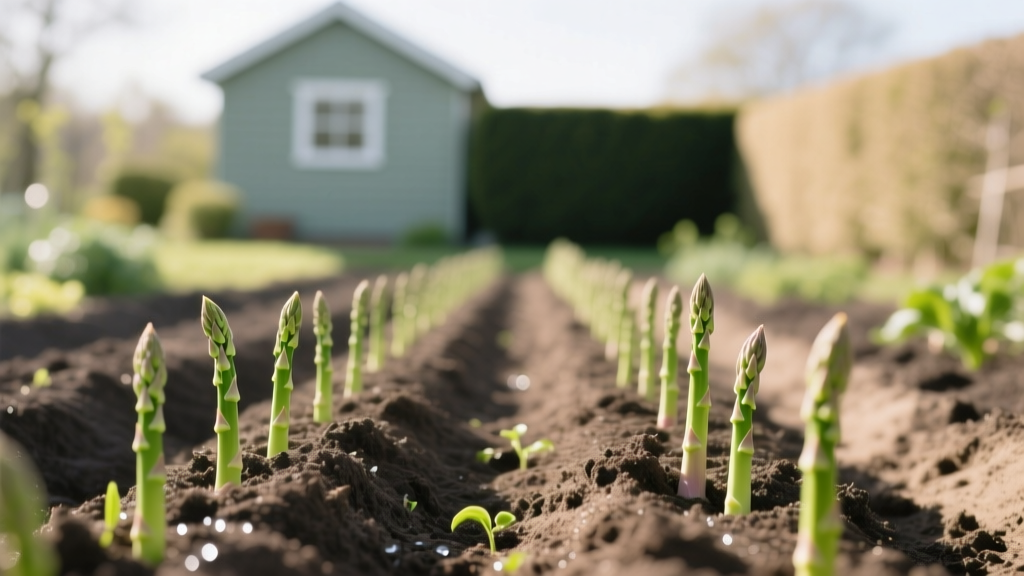
Spring Garden: Preparing Asparagus Beds for Long-Term
The window for asparagus work is short: once spears start popping, every day you delay bed prep is a day you’re stepping around harvest—and stressing crowns you want to keep productive for 15–20 years. Aim to finish cleanup, feeding, and weed control 2–4 weeks before your typical spear emergence, or as soon as the soil is workable. In many gardens that’s when daytime highs reliably reach 50–60°F and the top few inches of soil are no longer saturated.
This guide is organized by priority—what to prepare first, what to protect next, and what to plant (or replant) if you’re establishing or expanding a bed. Use it like a spring almanac: check your local last frost date, watch soil temps, and work the list.
Priority 1: What to Prepare Right Now (Before Spears Emerge)
Week-by-week spring timeline (use your last frost date)
Asparagus timing tracks soil warmth more than the calendar. As a practical rule, start when soil is workable and finish your heavy tasks at least 14 days before you expect spears. In colder regions, that may be late April to May; in mild-winter regions, it may be February to March.
| Timing | Bed Tasks | What You’re Watching For |
|---|---|---|
| 6–4 weeks before last frost | Remove old fern debris; mark rows; test soil; plan weed strategy. | Soil no longer waterlogged; daytime highs often 45–55°F. |
| 4–2 weeks before last frost | Topdress compost; apply spring fertilizer; shallow cultivate; set up drip/soaker. | Soil crumbles in hand (not sticky); weed seedlings germinating. |
| 2 weeks before to spear emergence | Finish mulching; install frost protection; scout for asparagus beetles. | Soil temps trending toward 50°F; buds swelling. |
| Harvest window (often 6–8 weeks) | Harvest daily; keep weeds down; avoid deep hoeing; irrigate consistently. | Spears reaching 6–8 inches; warm spells accelerate growth. |
Cleanup: remove last year’s fern—carefully
Start by cutting down old asparagus ferns 1–2 inches above the soil line before new spears emerge. If spears have already started, switch to hand-snipping and avoid trampling crowns. Remove and dispose of fern debris if you had heavy beetle pressure last year, because eggs and adults can overwinter in residue.
- Best moment: after a stretch of dry weather, when debris is crisp and easy to gather.
- Do not: compost fern material if you suspect disease or had severe beetles—bag or hot-compost thoroughly.
Soil test and pH correction (spring is your last easy chance)
Asparagus tolerates a range, but performs best in slightly acidic to neutral soil. If you don’t have a recent soil test, take one now so you can correct pH and nutrients before spears demand energy.
Target pH: around 6.5–7.0 is commonly recommended for asparagus. If pH is low, apply lime according to your soil test and water it in. Avoid guessing: over-liming is difficult to undo.
“A soil test is the only way to know how much lime and fertilizer to apply; over-application can reduce nutrient availability and waste money.” — Extension soil fertility guidance (general recommendation echoed across U.S. land-grant programs)
Extension references for asparagus fertility and bed management commonly emphasize soil testing and balanced fertility; for example, University of Minnesota Extension discusses asparagus bed care including fertility and weed control (University of Minnesota Extension, 2020), and Michigan State University Extension provides seasonal management notes for asparagus including pest scouting (Michigan State University Extension, 2019).
Fertility: feed crowns for the long haul
Established asparagus benefits from spring nutrition, but the goal is steady crown health—not forcing lush growth that invites problems. Apply fertilizer just before spear emergence or at the very start of harvest, then water it in.
- Compost: topdress 1–2 inches of finished compost over the bed (keep it from burying crowns too deeply).
- Granular fertilizer: follow soil test rates; if you don’t have one yet, use a moderate, balanced product and avoid heavy nitrogen.
- Water: provide consistent moisture—aim for roughly 1 inch/week from rain or irrigation during active growth, adjusting for sandy soils and heat.
Important: Keep cultivation shallow. Asparagus crowns sit below the surface and feeder roots spread wide; aggressive hoeing can reduce vigor for years.
Weed control: win spring and you win the season
Weeds compete hardest in spring when asparagus is fueling spear production. Clean beds now so you aren’t fighting crabgrass and thistles while trying to harvest.
- Shallow cultivation: disturb only the top 1–2 inches to avoid root damage.
- Mulch after soil warms: apply 2–4 inches of clean straw, shredded leaves, or weed-free mulch once the soil is no longer cold and soggy. Mulching too early can slow soil warming and delay spear emergence in cold regions.
- Edge control: trench or edge the bed to stop creeping grasses.
Priority 2: What to Protect (Frost, Pests, and Spring Diseases)
Frost protection for emerging spears
Asparagus is hardy, but tender spear tips can be damaged by a hard freeze. If you’re in USDA Zones 3–6, spring cold snaps are routine. Protect spears if forecasts call for temperatures below 28°F after spears have emerged.
- Quick cover: floating row cover or old sheets overnight; remove in the morning once temperatures rise above freezing.
- Soil insulation: a light mulch layer can buffer swings, but don’t smother emerging spears.
- Harvest before freeze: if spears are near harvest size and a freeze is coming, cut them the evening before.
Asparagus beetles: start scouting before you see damage
The common asparagus beetle and spotted asparagus beetle can defoliate ferns later, reducing next year’s production. In spring, adults and eggs show up early—often right as spears emerge.
- Scout frequency: every 2–3 days during early spear emergence and harvest.
- What to look for: adults on spears; rows of dark eggs on spear tips; feeding scars.
- Immediate action: hand-pick adults into soapy water; rub off eggs; keep the bed debris-free.
Michigan State University Extension notes the importance of early-season scouting and sanitation for asparagus beetle management (Michigan State University Extension, 2019).
Cutworms and spear clipping
If spears look neatly severed at soil level, suspect cutworms—especially in beds with weedy edges or heavy residue. Spring control is mostly cultural.
- Remove winter weeds and plant debris that shelter larvae.
- Use collars around emerging spears in small plantings, or lightly cultivate the surface to expose larvae (stay shallow).
- Check at dusk with a flashlight; hand-remove if numbers are low.
Rust and fungal issues: prevention starts with airflow
Asparagus rust is typically a summer problem, but spring practices set the stage. Dense weeds, poor airflow, and persistent wet foliage increase risk later.
- Keep rows open—don’t let mulch pile against emerging spears.
- Use drip or soaker hoses to avoid wetting foliage once ferns develop.
- Remove and dispose of heavily infected fern material at the end of the season; in spring, ensure the bed is clean and not matted.
Priority 3: What to Prune (and What Not to Prune)
Cut back ferns only once—then leave crowns alone
Spring is for removing last year’s dead growth, not “pruning” living spears. Once you’ve cut and cleared the old ferns, avoid further cutting except harvesting spears.
- If you forgot fall cleanup: do it now, before spears push up through the debris.
- If spears are already emerging: cut old stalks in small sections and lift them away to avoid snapping spears.
Stop deep digging in established beds
Asparagus crowns can be damaged by spading, broadforking, or deep rototilling. If you need to incorporate compost, do it as a topdress. If drainage is poor, solve it with surface shaping, raised edges, or new bed creation—not by ripping through crowns.
Priority 4: What to Plant (New Beds, Repairs, and Companion Choices)
Planting new asparagus crowns: best timing and temperature cues
If you’re establishing a new bed, plant crowns in early spring when soil is workable and temperatures are consistently above freezing. Many gardeners aim for soil temperatures around 50°F for reliable establishment.
Spacing (typical home garden):
- Between crowns: 12–18 inches
- Between rows: 4–5 feet (wider if you want easy access for weeding and harvesting)
Traditional trench planting is still effective: set crowns on a shallow ridge, spread roots, cover with a few inches of soil, then gradually fill in as shoots grow. This avoids burying crowns too deep all at once.
Repairing thin spots in an old bed (and when not to bother)
Gaps happen from crown rot, rodent damage, or weed competition. You can replant, but recognize a key limitation: asparagus roots and crowns in established beds compete heavily with new crowns.
- When to replant within a bed: if the bed is relatively young (<5–7 years) and gaps are small.
- When to start fresh elsewhere: if yield is declining across the whole bed, weeds are entrenched, or disease pressure is high.
- Rule of thumb: don’t expect full production from replanted crowns for 2–3 years.
Companion planting and bed neighbors (practical, not trendy)
During asparagus harvest, you need access and airflow. Choose neighbors that don’t sprawl or demand frequent digging.
- Good neighbors: spring lettuce, spinach, radishes in nearby space (not directly over crowns), marigolds as edge plants.
- Avoid: aggressive mint, perennial grasses, or anything that requires deep cultivation close to the crowns.
Regional Scenarios: Adjusting Your Spring Asparagus Plan
Scenario 1: Cold-winter climates (USDA Zones 3–5; Upper Midwest, Northern New England)
Here, your biggest risks are late freezes and wet soils. Plan cleanup as soon as beds are accessible, often 4–6 weeks before your last frost date (commonly mid-May in many Zone 4 locations, though local dates vary).
- Delay heavy mulching until soil warms; otherwise spear emergence can be sluggish.
- Keep row cover ready for nights forecast below 28°F after spears emerge.
- Expect rapid growth during warm-ups: a bed can go from “nothing” to daily harvest in under 7–10 days once soil warms.
Scenario 2: Variable spring with warm days/cold nights (USDA Zones 6–7; Mid-Atlantic, inland valleys)
You’ll often see early spears followed by a cold snap. This is where timing your fertilizer and weed suppression pays off.
- Finish cleanup and fertility by 2–3 weeks before your average last frost (often late March to mid-April).
- Use shallow cultivation plus a thin mulch layer early, then add more mulch after a stable warm pattern arrives.
- Scout asparagus beetles early—warm spells can bring them out before you’re thinking about pests.
Scenario 3: Mild-winter/early spring regions (USDA Zones 8–9; parts of the South and coastal West)
Asparagus can emerge very early, and weed pressure is relentless. You may be doing “spring” tasks in late winter, and harvest can begin sooner than northern gardeners expect.
- Prioritize weed control and irrigation setup; dry spring winds can stress crowns quickly.
- Mulch earlier than cold climates, but keep mulch pulled back slightly from spear tips to reduce slug habitat.
- Monitor fern health later—hot, humid conditions can amplify disease pressure.
Seasonal Checklist: Do These in Order
48-hour checklist (fast wins)
- Cut and remove dead ferns before spears emerge (or carefully around emerging spears).
- Walk the bed edges and pull overwintered weeds.
- Set up a harvest path so you’re not stepping on crowns.
- Check the forecast for nights below 28–32°F; stage row cover if needed.
7-day checklist (set up the whole season)
- Topdress 1–2 inches compost; rake smooth.
- Apply fertilizer based on a soil test; water in.
- Install drip/soaker hose and test for even coverage.
- Mulch 2–4 inches once soils are warming and not saturated.
- Start beetle scouting every 2–3 days.
Harvest-season checklist (daily/weekly rhythm)
- Harvest spears at 6–8 inches tall (or when tips are tight), ideally daily during warm spells.
- Keep harvest cuts clean; avoid gouging crowns.
- Pull weeds by hand; avoid deep tools.
- Maintain about 1 inch/week moisture depending on rainfall and soil type.
Spring Pest and Disease Prevention: Simple Moves That Pay Off
Sanitation is the first pesticide
Most home asparagus problems get worse when old fern debris and weeds remain. Removing residue reduces overwintering sites for beetles and improves airflow, lowering disease risk later.
Resist “too much nitrogen”
Over-fertilizing—especially with high nitrogen—can push soft growth and encourage pest pressure. Use soil test guidance and focus on steady vigor. University of Minnesota Extension notes asparagus benefits from good fertility and weed control as part of long-term bed care (University of Minnesota Extension, 2020).
Water management: avoid stress spikes
Irregular moisture contributes to thin spears and weaker plants. If spring rains are erratic, supplement to keep soil evenly moist—not saturated. In sandy soil, you may need smaller, more frequent irrigation (for example, two 0.5-inch irrigations per week instead of one heavy watering).
Long-Term Thinking: Protecting Crown Strength for Next Year
Every spring decision should serve one goal: strong ferns after harvest. Spears are this year’s reward, but ferns are next year’s harvest. Keep harvest duration appropriate for the age of your bed: younger beds need a shorter harvest window; mature beds can handle longer.
If you inherited an old bed and don’t know its age, err on the conservative side your first year: harvest lightly, then let ferns develop early so you can assess vigor, pest pressure, and spacing.
As you wrap up spring prep, keep your row cover and hand-picking bucket accessible. The best asparagus gardeners aren’t the ones with complicated systems—they’re the ones who do the simple tasks on time, especially in the two weeks before emergence and the first 10 days of spear growth when pests and frost can do the most damage.
Citations: University of Minnesota Extension asparagus care guidance (University of Minnesota Extension, 2020). Michigan State University Extension asparagus seasonal pest management notes (Michigan State University Extension, 2019).