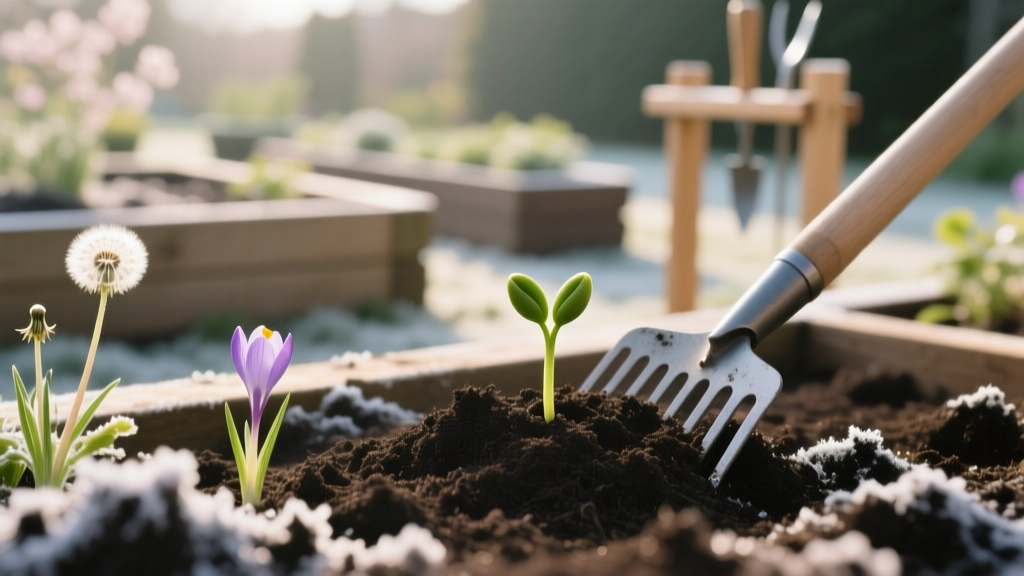
When and How to Fertilize in Spring
Spring fertilizing is one of those tasks where timing makes the difference between a garden that surges ahead and one that limps into summer. Too early, and nutrients wash away in cold, wet soil (or push tender growth into frost). Too late, and plants spend their prime growth window short on fuel. The opportunity is right now: as soil warms, roots wake up before tops fully leaf out, and your fertilizer dollars can actually land where plants can use them.
This guide is laid out like a seasonal almanac: what to do first, what to watch for, and how to adjust for your region, your soil, and your plants. You’ll see specific thresholds—soil temperature, frost dates, and week-by-week timing—so you can act with confidence instead of guessing.
Priority #1: Prepare Before You Fertilize (So You Don’t Waste It)
Start with soil temperature, not the calendar
Fertilizer doesn’t “work” until roots are active. For many cool-season lawns and garden plants, meaningful root activity begins when soil temperatures stabilize around 50–55°F. Warm-season vegetables and summer annuals generally accelerate once soil is consistently 60–65°F. Use a simple soil thermometer pushed 2–4 inches deep, checked at the same time each morning for a few days.
Concrete timing anchors you can use:
- 2–4 weeks before your average last spring frost date: begin soil prep, compost, and slow-release planning.
- At 50°F soil temperature (measured 2–4 inches deep): start fertilizing cool-season lawns and early perennials if growth is visible.
- At 60°F soil temperature: side-dress peas, spinach, brassicas; transplant hardier starts.
- After last frost + 7–14 days: feed most summer perennials/roses once leaf-out is established.
- After night lows stay above 50°F: fertilize warm-season lawns (Bermuda, zoysia) and plant/fertilize tomatoes and peppers outdoors in many areas.
Get a soil test or at least know your baseline
If you fertilize blindly, you’re guessing—and spring is when guessing can burn roots, trigger weak growth, or push lush foliage that attracts pests. A lab soil test every 2–3 years is the most cost-effective “fertilizer” you can buy. Many state extension services offer low-cost testing and recommendations by crop and lawn type.
One key point echoed by extension programs is that phosphorus should not be applied unless a soil test indicates need. Excess phosphorus is a water quality issue and doesn’t improve plant performance when already sufficient. For example, University of Minnesota Extension emphasizes that phosphorus is often overapplied and should be guided by soil testing (University of Minnesota Extension, 2020).
Choose the right fertilizer form for spring conditions
Spring soils are often wet. Quick-release products can leach or run off with heavy rain. Consider this practical rule:
- Slow-release (polymer-coated urea, organic meals, compost): best for early spring base feeding and lawns; steadier growth and less loss.
- Water-soluble (liquid feeds): best for containers, seedlings, and correcting visible deficiencies when plants are actively growing.
- Compost: excellent as a soil conditioner and gentle nutrient source; think of it as spring “soil insurance.”
“Applying fertilizer when plants are not actively growing increases the risk of nutrient loss to the environment and does little to improve plant performance.” — Extension guidance summarized from best management recommendations for fertilizer timing (see UC IPM nutrient management principles, 2017).
Spring checklist: prep work (do this before spreading a single granule)
- Pull back winter mulch from crowns of perennials so soil can warm; keep mulch nearby for frost protection.
- Rake lawns lightly to remove debris and reduce snow mold habitat.
- Run irrigation systems briefly to check coverage (fix leaks before fertilizing so you don’t wash fertilizer into driveways).
- Calibrate your spreader (a “half-rate twice” approach reduces stripes and burn).
- Plan around rain: avoid fertilizing if >0.5 inch of rain is forecast in the next 24–48 hours.
Priority #2: Fertilize What’s Growing Now (Lawns, Perennials, Trees, Shrubs)
Lawns: spring fertilizing by grass type (cool-season vs warm-season)
Spring lawn fertility is the most commonly mistimed job in the yard. The right approach depends on whether you have cool-season turf (Kentucky bluegrass, fescues, ryegrass) or warm-season turf (Bermuda, zoysia, centipede, St. Augustine).
Cool-season lawns (most common in USDA Zones 3–7): Feed lightly in spring and more heavily in fall. A heavy spring nitrogen dose can create fast top growth with shallow roots—right when summer stress is coming.
Warm-season lawns (common in USDA Zones 7–10): Wait until the lawn is fully greened up. Fertilizing too early pushes growth when roots are still sluggish and nights are cold.
| What you’re fertilizing | Best spring timing cue | Typical spring rate (general) | Notes that prevent mistakes |
|---|---|---|---|
| Cool-season lawn | Soil ~50–55°F and consistent growth | 0.5–0.75 lb N per 1,000 sq ft | Prefer slow-release; avoid “heavy green-up” pushes. |
| Warm-season lawn | After full green-up; nights >50°F | 0.5–1.0 lb N per 1,000 sq ft | Apply in split doses 4–6 weeks apart. |
| Established trees/shrubs | Bud swell to early leaf-out | Often not needed if healthy | Fertilize only if growth is weak or soil test indicates deficiency. |
| Container plants | Once new growth starts (not just warmer days) | Label rate (typically every 1–2 weeks for liquids) | Leaches quickly; use controlled-release pellets for stability. |
Many extension recommendations stress that spring lawn fertilization should be moderate and timed to active growth, while fall is often the more important fertilizing season for cool-season turf (Purdue Extension turf recommendations, 2019; Michigan State University Extension lawn fertility guidance, 2021).
Perennials: feed after you see growth, not when you feel spring
For most perennial beds, spring fertilizing is about restraint. If you top-dressed with compost last fall, you may only need a light spring boost. Fertilize when you see 1–3 inches of new growth or clear bud break, typically 1–3 weeks after soil hits 50°F depending on exposure.
- Early spring (cool soil, emerging shoots): compost top-dress (0.5–1 inch) or a low-rate slow-release granular.
- Mid-spring (active growth): spot-feed heavy feeders (delphinium, peonies, large hostas) with a balanced slow-release.
- Avoid high nitrogen on floppy perennials; it can cause weak stems and more disease.
Roses: fertilize when leaflets unfurl
Roses respond well to spring feeding, but don’t rush it. In many climates, the first meaningful feeding happens when you have 4–6 inches of new growth and leaflets are expanding—often around 1–2 weeks after your last frost date in Zones 5–7, earlier in warmer zones.
Practical plan:
- After spring pruning, apply compost and a slow-release rose fertilizer.
- Water deeply to move nutrients into the root zone.
- Hold off on strong liquid feeds until the plant is clearly growing fast.
Trees and shrubs: don’t fertilize by default
Healthy established trees and shrubs often do not need spring fertilizer, especially if they are in a lawn that is already fertilized. Overfertilizing can increase tender growth that attracts aphids and can contribute to fire blight susceptibility in some ornamentals. If a soil test shows low nitrogen or micronutrients, or if annual growth is consistently weak (for example, less than 2–4 inches on many shrubs), fertilize lightly at bud break with a slow-release product.
Priority #3: What to Plant (And How Fertilizer Fits Into Planting Week)
Cool-season vegetables: feed lightly, early, and close to the root zone
When you plant peas, spinach, lettuce, onions, and brassicas, the goal is steady growth in cool weather—not a nitrogen blast. Work in compost, then use a light band of balanced fertilizer near (not on) the seed row.
Timing anchors: Many cool-season crops can be planted 4–6 weeks before your last frost date. In Zones 5–6, that often lands in late March to mid-April; in Zones 3–4, mid-April to May; in Zones 8–9, February to early March in many years.
- At planting: compost + small starter dose (especially if soil is cold and phosphorus is low per soil test).
- 2–3 weeks after emergence: side-dress leafy crops with nitrogen if growth is pale or slow.
Warm-season vegetables: don’t fertilize cold soil waiting for tomatoes
Tomatoes, peppers, cucumbers, beans, squash, and basil hate cold soil. If you fertilize beds weeks ahead and heavy rains hit, you may simply lose nitrogen before planting day.
Better approach:
- Prep beds 2–3 weeks before planting with compost and any soil-test-directed amendments (lime, sulfur, phosphorus if needed).
- Wait to apply nitrogen-heavy fertilizers until planting week or shortly after, when soil is consistently 60–65°F.
- For tomatoes: avoid high nitrogen early; it can cause lush leaves with fewer flowers.
Bulbs and spring-flowering plants: feed after bloom (often the smarter spring move)
For daffodils, tulips, and other spring bulbs, the most useful fertilizing window is frequently right after bloom, while leaves are still green and storing energy. A light application then supports next year’s flowers. If you fertilize too early, you may feed leaves at the expense of long-term bulb storage, and you risk losses during spring rains.
Priority #4: What to Prune (Because Pruning Changes Fertilizer Timing)
Prune first, then fertilize—especially on roses and fruiting plants
Pruning stimulates regrowth. If you fertilize heavily and then prune hard, you can waste nutrients on wood you remove. Use this order for most plants:
- Prune damaged, dead, and crossing branches.
- Clean up debris (reduce disease inoculum).
- Fertilize lightly once buds swell or growth starts.
Spring pruning watch-outs that affect feeding
- Don’t prune spring-flowering shrubs (lilac, forsythia) before bloom unless you accept fewer flowers; fertilize after bloom if needed.
- Delay heavy pruning on plants prone to bleeding (maples, birches) until late spring; fertilize only if there’s a demonstrated need.
- Fruit trees: avoid excessive nitrogen; it can increase shoot growth and reduce fruiting balance.
Priority #5: What to Protect (Frost, Pests, and Disease—Spring’s Hidden Costs)
Frost protection and fertilizer: avoid pushing tender growth before cold snaps
If a late cold snap is likely, keep nitrogen conservative. Tender new growth is more frost-prone. In many areas, a “false spring” warm spell can be followed by a freeze. If your forecast shows nights dipping below 32°F after you’ve fertilized, be ready to protect:
- Cover vegetables and tender perennials with row cover the evening before a freeze.
- Water soil earlier in the day (moist soil holds heat better than dry).
- Hold liquid feeds until after the cold event passes.
Spring pest pressure: prevent problems fertilization can worsen
Overfertilized plants are aphid magnets. Fast, soft growth also invites mites and increases susceptibility to some fungal issues by creating dense canopies with poor airflow.
What to do now:
- Aphids on roses, milkweed, and tender tips: avoid high nitrogen; wash off with water; encourage beneficials.
- Slugs in cool, wet beds: reduce thick mulch touching crowns; water in the morning; use iron phosphate baits if needed.
- Apple scab / rose black spot: remove old leaf litter; prune for airflow; avoid overhead watering; don’t push excessive nitrogen.
- Seedling damping-off: don’t overwater; use clean trays; avoid high-nitrogen liquid feeds until true leaves appear.
Spring disease prevention that pairs with feeding
Fertilizer can’t compensate for poor sanitation. As you feed, also remove overwintered diseased leaves, old fruit, and mummified berries. In vegetable beds, rotate families when possible, especially tomatoes, peppers, eggplants, and potatoes (solanaceous crops) to reduce soil-borne disease pressure.
Priority #6: A Spring Fertilizing Timeline You Can Follow
Use this as a practical schedule and adjust by your USDA zone and actual weather. The weeks are relative to your local average last frost date (ALFD).
| Timing window | What to do | Fertilizer move | Do not do this |
|---|---|---|---|
| ALFD - 6 to -4 weeks | Clean beds, pull mulch back, test soil | Top-dress compost; plan amendments | Don’t apply quick-release N before plants grow |
| ALFD - 4 to -2 weeks | Plant cool-season crops; prune dead wood | Starter fertilizer only if needed; slow-release for early perennials | Don’t fertilize warm-season lawns yet |
| ALFD - 2 weeks to ALFD | Watch forecasts; protect from freezes | Light feed cool-season lawns at 50–55°F soil | Don’t push roses hard if freezes are still likely |
| ALFD to +2 weeks | Transplant hardy starts; prune roses in colder zones | First main rose/perennial feeding once growth is active | Don’t fertilize right before a >0.5 inch rain |
| ALFD +2 to +6 weeks | Plant warm-season crops when soil is 60–65°F | Side-dress vegetables; fertilize warm-season lawns after green-up | Don’t overapply N to tomatoes (leafy, low bloom) |
How to Fertilize Correctly (So You See Results, Not Runoff)
Granular fertilizer: apply evenly, then water it in
Granular products are reliable for lawns, beds, and shrubs when applied evenly. Apply on a calm day. Sweep any granules off pavement immediately—fertilizer left on driveways is a common source of nutrient runoff.
- Apply at the label rate (more is not better).
- Use a spreader for lawns; hand-spreading is where stripes happen.
- Water in with about 0.25 inch of irrigation if rain isn’t expected—enough to move granules off leaves and into soil, not enough to cause runoff.
Liquid fertilizer: use for containers and fast correction
Liquid feeds are most useful when root zones are limited (containers) or when a plant shows a clear deficiency and is actively growing. Avoid applying to dry, stressed roots; water first, then feed.
Compost and organic fertilizers: slower, steadier, safer in early spring
Organic nitrogen sources generally release as soils warm. That makes them well-suited to the “iffy” weather of early spring. A 0.5–1 inch compost top-dress around perennials and shrubs provides a gentle nutrient stream plus improved moisture retention.
Regional Reality Checks: 3 Common Spring Scenarios (And What to Do Right Now)
Scenario 1: Cold-winter regions (USDA Zones 3–5) with late frosts
If your average last frost is in mid-to-late May (common in Zones 3–4), your spring fertilizing should start later than garden centers suggest. Focus on soil warming milestones.
- Begin compost top-dressing as soon as beds are workable (not muddy).
- Wait for soil to reach 50°F before feeding perennials heavily.
- Prune roses and hydrangeas carefully; fertilize only after you see live buds breaking.
- Plan a main vegetable nitrogen application for late May to June when warm-season crops actually go in.
Scenario 2: Mild-winter regions (USDA Zones 7–9) with early growth spurts
In warmer zones, plants can start growing in late winter, and spring arrives fast. The trap here is overfeeding too early, then getting a late cold night or a heavy rain period.
- Split fertilizer doses: apply half, then the other half 4–6 weeks later.
- Warm-season lawns: fertilize after full green-up and when nights hold above 50°F.
- Watch for aphids and powdery mildew—ease up on nitrogen if you see outbreaks.
Scenario 3: Coastal or rainy-spring climates (Pacific Northwest, parts of the Northeast)
Where spring is wet, nitrogen loss is a real issue. Timing around rain and using slow-release forms matters more than ever.
- Avoid quick-release nitrogen ahead of multi-day rain events.
- Favor slow-release lawn products and compost-based bed feeding.
- Improve drainage and avoid working saturated soil; compaction reduces root uptake even if you fertilize perfectly.
Spring “Do This This Weekend” Checklists
If you have 30 minutes
- Measure soil temperature in two spots (sun and shade). If it’s 50–55°F, you’re in the cool-season feeding window.
- Sweep leftover de-icer grit and debris off hard surfaces where fertilizer might land.
- Pull mulch back from crowns to prevent rot and let soil warm.
If you have 2 hours
- Top-dress perennial beds with 0.5–1 inch compost.
- Prune dead wood and remove diseased leaf litter.
- Apply a light, slow-release feeding to cool-season lawn (if actively growing) and water in lightly.
If you have a full day
- Soil test (or at least collect samples and submit them).
- Amend pH based on soil test (lime or sulfur), ideally 3–4 weeks before heavy feeding.
- Prepare vegetable beds and plan side-dressing schedule by crop family.
- Inspect roses and fruit trees for overwintering pests; prune for airflow before fertilizing.
Citations and sources you can trust
University and extension recommendations consistently emphasize soil-test-based fertilization, correct timing to active growth, and limiting unnecessary phosphorus. The guidance in this article aligns with extension-based best practices, including:
- University of Minnesota Extension. Phosphorus and lawn/garden fertilizer guidance emphasizing soil testing and avoiding unnecessary phosphorus applications (2020).
- Purdue Extension. Turfgrass fertilization timing guidance for cool-season lawns (stronger emphasis on fall feeding; avoid excessive spring N) (2019).
- UC IPM (University of California). Nutrient management principles highlighting timing fertilizer to plant uptake to reduce losses (2017).
- Michigan State University Extension. Lawn fertilizer timing and best practices for spring vs fall applications (2021).
Spring moves quickly. If you take only one action from this guide, make it this: tie fertilizing to soil temperature and active growth, not the first sunny weekend. You’ll get sturdier plants, fewer pest problems, and you’ll spend less on fertilizer that never had a chance to help.