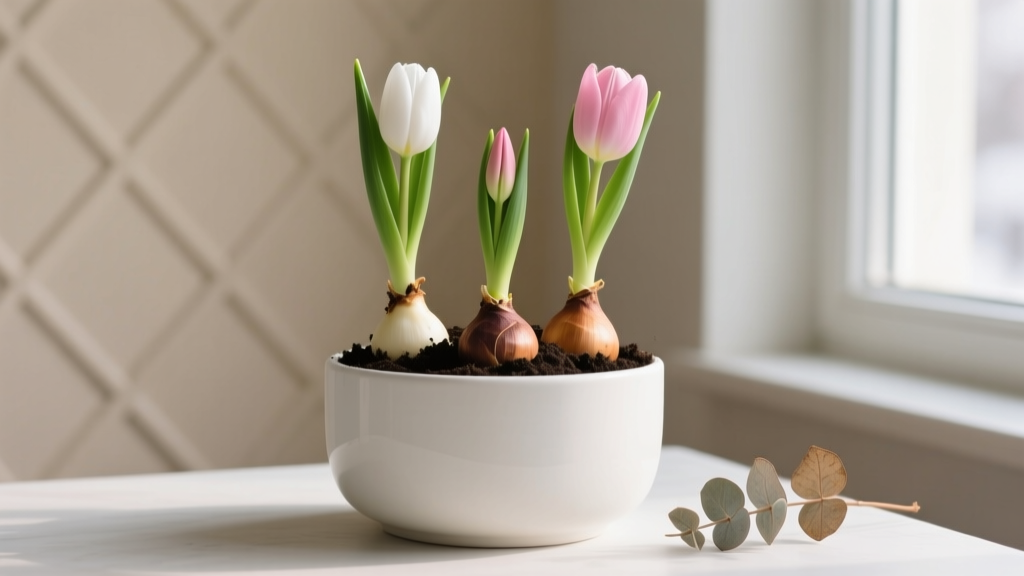
Winter Bulb Forcing for Indoor Blooms
If your windowsill is bleak and you’re counting the weeks until outdoor color returns, this is the moment to act. Winter bulb forcing turns a quiet stretch of the calendar into a reliable pipeline of blooms—if you hit the timing. Start too late and you’ll miss peak winter enjoyment; skip chilling and you’ll get leaves without flowers. The good news: you can set up an indoor bloom schedule in a single afternoon and have flowers in as little as 3–5 weeks (paperwhites) or 12–16 weeks (tulips/hyacinths) depending on the bulb and your home temperatures.
This guide is organized by priority: what to plant (start now), what to prune (minimal, but important), what to protect (bulbs, pets, and indoor air), and what to prepare (staging, timing, and successive batches). Use it like a seasonal almanac: pick today’s task, complete it, then set reminders for the next date on the timeline.
Priority 1: What to plant right now (and exactly when)
The forcing clock is controlled by chilling time, then indoor “wake-up” temperatures. Most spring-flowering bulbs need a cold period of roughly 35–48°F to initiate proper flowering. Many extension services recommend chilling for 12–16 weeks for tulips and similar bulbs. For instance, the University of Minnesota Extension notes most hardy bulbs require a cold treatment to bloom properly indoors (University of Minnesota Extension, 2020). Iowa State University Extension and Outreach similarly outlines chilling requirements and indoor forcing steps for spring bulbs (Iowa State University Extension and Outreach, 2018).
“Most spring-flowering bulbs require a cold period (vernalization) to flower; without adequate chilling, bulbs may produce foliage but fail to bloom.” — University of Minnesota Extension (2020)
Fastest payoff: Paperwhites and amaryllis (no chilling required)
If you want flowers on the table quickly, start here.
- Paperwhites (Narcissus tazetta): Bloom in 3–5 weeks after planting at typical indoor temps (60–70°F). Great for December through February color.
- Amaryllis (Hippeastrum): Bloom in 6–10 weeks after potting, depending on bulb size and warmth (65–75°F speeds growth).
Action today: Pot paperwhites in shallow containers with stones/water or in soilless mix; pot amaryllis with the top third of the bulb above the soil line. Place in bright, indirect light, then move to brighter light once shoots appear.
Classic winter fragrance: Hyacinths (needs chilling)
For blooms in late winter, start hyacinths early. Plan on 10–12 weeks chilling, then 2–3 weeks indoors to bloom. Aim to begin chilling by early November for January flowers, or by mid-December for February flowers. If you’re reading this later, start anyway—hyacinths still make a great “late winter” push.
Temperature targets: Chill at 35–48°F. Once moved indoors, start cool (50–55°F) for a few days to reduce flop, then brighten and warm to 60–65°F.
Longest lead time: Tulips, daffodils, crocus, grape hyacinths (needs chilling)
These are the showstoppers, but you must respect the calendar. Most tulips and daffodils need 12–16 weeks of chilling, then 2–4 weeks indoors.
Timing examples (use your local frost date as a cue):
- If your average first fall frost is around Oct 10 (many Zone 4–5 areas), start chilling by Oct 15–Nov 1 for late January to February bloom.
- If your first frost is closer to Nov 15 (many Zone 7 locations), start chilling by Nov 15–Dec 1 for March bloom.
- If you’re in a warm-winter zone (USDA Zone 9–10) and you want forced tulips, chilling in a dedicated refrigerator is usually required—don’t rely on a garage that may stay above 50°F.
Chilling safety number: Keep bulbs away from ripening fruit. Apples and other fruit release ethylene gas that can damage flower development. Use a separate crisper drawer or a garage fridge when possible.
Potting method: The reliable “roots first” setup
Choose pots with drainage. Use a high-quality potting mix (not garden soil). Plant bulbs close together for a full look, but don’t let them touch (reduces rot spread). Set bulbs so their noses sit just below the soil surface (except amaryllis).
Checklist: Potting day
- Clean pots and saucers (10% bleach solution rinse, then air dry)
- Label each pot with bulb type + date placed into chilling
- Moisten potting mix evenly—damp, not soggy
- Plant at correct depth; firm gently
- Water once to settle soil, then drain thoroughly
- Place in chilling location at 35–48°F
Priority 2: What to prune (and what not to touch)
Bulb forcing doesn’t involve heavy pruning, but it does require disciplined cleanup to keep plants upright and healthy.
During growth: Pinch nothing—stake instead
Don’t pinch or prune bulb foliage; it reduces the bulb’s energy. If paperwhites stretch, move them to brighter light and cooler temps (55–60°F), and consider using discreet supports.
After bloom: Deadhead promptly; keep leaves if you plan to save bulbs
Snip spent flowers to prevent seed formation. Leave foliage intact until it yellows naturally. That said, some forced bulbs (notably many tulips) often don’t rebound well for repeat indoor forcing; treat them as seasonal, or transplant outdoors where appropriate when weather permits.
Outdoor transplant timing: If your ground is workable and daytime highs are consistently above 40°F, you can transplant forced hardy bulbs outdoors (zones and local soil conditions apply). In many Zone 5–6 areas, that’s often late March to April; in Zone 7–8, it may be February to March.
Priority 3: What to protect (bulbs, blooms, pets, and your indoor environment)
Indoor forcing has its own winter hazards: rot, mold, fungus gnats, flop, and temperature spikes from vents. Prevent problems now; it’s much easier than fixing them mid-bloom.
Protect bulbs from rot: Watering rules that prevent 90% of failures
- During chilling, keep soil barely moist—check every 10–14 days.
- Never let pots sit in standing water. Empty saucers within 30 minutes.
- If you see white fuzzy mold on soil, reduce moisture and increase airflow; scrape off the top 1/2 inch and replace with fresh mix.
Protect stems from flop: Control heat and light
Warmth speeds growth but weakens stems. Place emerging pots in bright light and away from heating vents and fireplaces. A short “cool start” after chilling—50–55°F for 3–5 days—helps strengthen stems before moving to typical room temps.
Protect against pests: Fungus gnats, aphids, and bulb mites
Winter pests often hitchhike in potting media or arrive on houseplants nearby.
- Fungus gnats: Let the top inch of soil dry between waterings; use yellow sticky traps; consider a Bacillus thuringiensis israelensis (Bti) drench if persistent.
- Aphids: Inspect emerging buds weekly. If found, rinse with a firm stream of water and follow with insecticidal soap per label directions.
- Bulb mites: Avoid soft or moldy bulbs at purchase; store bulbs cool and dry before potting. Discard any bulbs with basal rot or an off smell.
Protect pets and kids: Bulb toxicity awareness
Daffodils, tulips, hyacinths, and amaryllis are toxic if ingested. In homes with curious pets, place pots on high shelves or use a closed room. If pets are prone to digging, cover soil with decorative stones that are too large to swallow.
Priority 4: What to prepare (timelines, batches, and your forcing “assembly line”)
The secret to a long winter bloom season is not one perfect pot—it’s a steady rhythm of batches. Set up a simple staging system: Chill zone (fridge/garage), cool wake-up zone (50–55°F), and display zone (60–68°F, bright light).
Monthly schedule table: Start dates for continuous indoor bloom
| Month you start | What to pot/chill | Chilling target | Expected bloom window indoors |
|---|---|---|---|
| October | Tulips, daffodils, crocus, hyacinths | 12–16 weeks at 35–48°F (10–12 for hyacinths) | January–February (depending on warmth and variety) |
| November | Hyacinths; early tulips; more daffodils | 10–14 weeks | February–March |
| December | Late hyacinths; grape hyacinths; start paperwhites | 10–12 weeks (paperwhites: none) | Paperwhites in 3–5 weeks; others March |
| January | Paperwhites; amaryllis; check chilled pots weekly | Paperwhites/amaryllis: none | February–March |
| February | Last call paperwhites; amaryllis succession planting | None | March–April |
Two timelines you can follow (choose your goal)
Timeline A: Flowers in the next 30 days (no-chill plan)
- Day 0: Pot paperwhites (or start amaryllis).
- Day 7: Rotate pots 1/4 turn twice a week for straight stems.
- Day 14: Begin light feeding at 1/4 strength if in potting mix (skip feeding for stone-and-water paperwhites).
- Day 21–35: Peak bloom; move to cooler spot at night (55–60°F) to extend flower life.
Timeline B: Premium spring bulbs in mid-to-late winter (chill plan)
- Week 0: Pot bulbs; water once; label.
- Weeks 1–12(16): Chill at 35–48°F; check moisture every 10–14 days.
- Week 10+: When roots fill the drainage holes and shoots are 1–2 inches, move to 50–55°F for 3–5 days.
- Next 2–4 weeks: Move to bright light at 60–65°F; water when top inch is dry.
Regional scenarios: Adjustments that matter in real homes
Forcing succeeds when you control chilling and avoid temperature swings. Here are common scenarios and the tweaks that make them work.
Scenario 1: Cold-winter home in USDA Zone 3–5 (garage chilling is easy, indoor air is dry)
If you’re in Zone 3–5, an unheated garage or shed often stays in the 35–45°F range for long stretches—ideal for chilling. The risk is freezing. If your garage dips below 28–30°F for more than a night, move pots into a fridge or insulated cooler to prevent the soil mass from freezing solid.
Dry air fix: Indoor heat can drop humidity below 30%, shortening bloom life. Group forced bulbs on a tray with pebbles and water (pots above the water line). Keep blooms away from woodstoves and forced-air vents.
Scenario 2: Mild-winter home in USDA Zone 7–8 (garage may be too warm; outdoor planting still happening)
In Zone 7–8, garages often hover around 50–60°F—too warm for reliable tulip forcing. Use a refrigerator chilling method instead. If you’re still planting bulbs outdoors into December, treat indoor forcing separately: the pot needs consistent cold, not fluctuating nights.
Timing tip: If your average last frost is around March 15–April 1, plan forced tulips to bloom indoors in February and March, then transition to outdoor tasks once the garden wakes up.
Scenario 3: Warm-winter home in USDA Zone 9–10 (refrigerator chilling required; choose varieties wisely)
In Zone 9–10, indoor forcing is absolutely doable, but pick bulbs that force well and accept that some tulip cultivars are finicky. Favor paperwhites, amaryllis, and certain narcissus over tulips if you want consistency. If you do force tulips, commit to the full 12–16 weeks at 35–48°F in the fridge.
Heat management: If daytime indoor temps rise above 72–75°F, stems can stretch and blooms fade faster. A bright room that stays 60–68°F is your sweet spot.
What to prepare for repeat batches: A practical forcing “kit”
If you want blooms all winter, set up a small kit so you can pot on short notice.
- Potting mix + a clean bucket
- 6-inch pots (at least 6–10 if doing succession)
- Plant labels + waterproof marker
- Yellow sticky cards (gnat monitoring)
- Small stakes or a ring support for tall blooms
- Dedicated fridge bin (keeps bulbs away from fruit)
Succession planting checklist (every 2 weeks):
- Start a new pot of paperwhites or a new amaryllis bulb
- Pull the oldest chilled pot forward if it has roots showing
- Inspect for mold/rot; adjust watering
- Wipe window glass and rotate pots for even light
Disease prevention in winter forcing: Cleanliness and airflow
Indoor bulb forcing concentrates plants in a small area—great for display, risky for disease. Your main enemies are basal rot and gray mold (Botrytis), both encouraged by soggy media and stagnant air.
- Start clean: Disinfect reused pots. Use fresh potting mix.
- Water early in the day: Leaves dry faster, reducing fungal issues.
- Don’t crowd the display: Leave a few inches between pots so air can move.
- Remove spent blooms: Deadhead promptly and discard (don’t compost indoors).
If you see collapsing stems at the soil line or a foul smell, discard the bulb and adjacent soil immediately. Rot spreads quickly in shared trays.
Quick reference: Temperature and date targets to pin on the fridge
Use these hard numbers to keep your forcing on track:
- Chilling range: 35–48°F for most spring-flowering bulbs
- Freeze danger: protect pots if temps drop below 28–30°F
- Paperwhite bloom time: 3–5 weeks after potting
- Amaryllis bloom time: 6–10 weeks after potting
- Tulip/daffodil chilling: 12–16 weeks (then 2–4 weeks to bloom indoors)
- Cool start after chilling: 50–55°F for 3–5 days
What to do this week: A tight action plan
If you only have one hour, do these in order.
- Choose your bloom goal: 30-day color (paperwhites/amaryllis) or late-winter classics (tulips/hyacinths).
- Pot 2–3 containers: One for immediate display, one as a backup, one as a later batch.
- Label everything: Include the date and the target “move indoors” week (e.g., “Move out of chill: Week 12”).
- Set a reminder: Every 10–14 days to check moisture in chilled pots.
- Scout houseplants nearby: If you already have fungus gnats or aphids on other plants, address them now before forced bulbs join the room.
Once you’ve got your first pots chilling and your quick-bloom bulbs started, winter changes character: you’re no longer waiting for spring—you’re scheduling it. Keep batches moving, keep temperatures steady, and you’ll have a dependable run of fragrance and color right through the last stretch of cold weather.
Sources: University of Minnesota Extension (2020) guidance on forcing hardy bulbs indoors; Iowa State University Extension and Outreach (2018) recommendations on chilling and forcing spring-flowering bulbs.