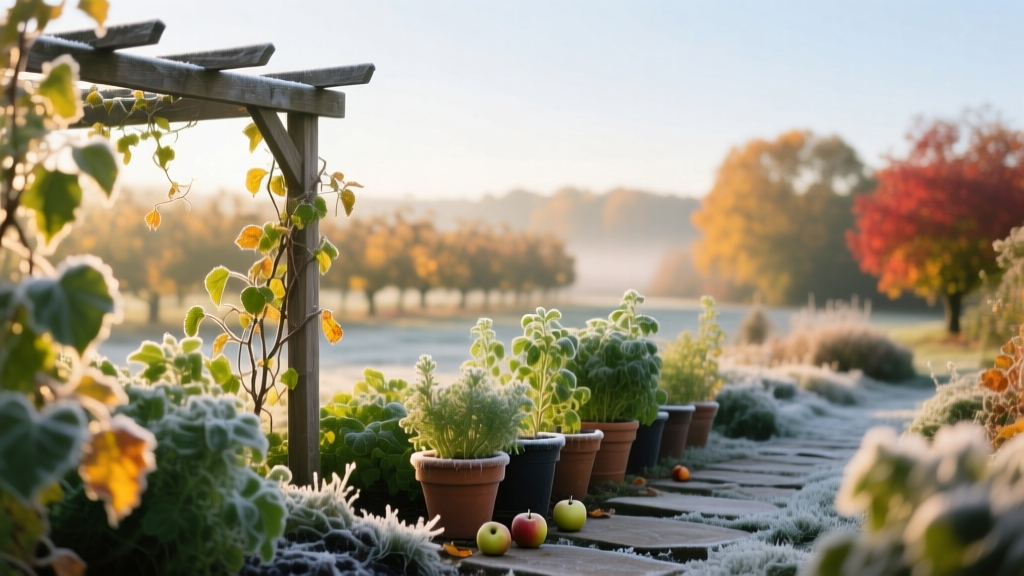
How to Protect Your Garden from Early Fall Freezes
The first surprise freeze of fall is rarely gentle: one clear, calm night can turn a thriving late-season garden into limp leaves and blackened vines by breakfast. The opportunity is that most early freezes are short-lived—often a few hours around dawn—so a fast, targeted response can save tomatoes, peppers, squash, dahlias, basil, and late flowers, and it can buy you 2–4 more weeks of harvest. This guide focuses on what to do right now, what matters most, and what can wait.
Use these temperature thresholds as your decision triggers: protect tender crops at 36–32°F (frost likely), take “full freeze” actions at 31–28°F (tender plants can be killed), and assume major damage at 27°F and below. Many gardeners are caught off guard because a forecast of “35°F” at the airport can still mean 28–32°F in low spots of your yard.
Before you begin, confirm your local averages: in many Zone 5 locations, the average first fall frost lands around Oct 1–15; in Zone 6 often Oct 15–31; in Zone 4 often Sep 15–30. But “average” doesn’t protect plants—your microclimates and the specific forecast do. If your forecast shows a clear night with light wind (<5 mph), treat it as high frost risk even if the listed low is above 32°F.
Priority 1: Act in the next 24–48 hours (the freeze is coming)
Check your frost date and the next two nights
Look up your average first frost date and then watch the forecast for two nights in a row. One frosty night is manageable; two consecutive nights can overwhelm light protection, especially if the second night is colder. If you’re within 2 weeks of your normal first frost date, assume you’ll see at least one frost in the next forecast cycle.
Remember: frost forms when surfaces cool below freezing even if air temperature is slightly above 32°F. The National Weather Service notes that a freeze warning typically indicates widespread temperatures at or below 32°F during the growing season, while a frost advisory suggests conditions favorable for frost formation (often 33–36°F on calm, clear nights).
Harvest strategically (save quality and ripen indoors)
Before you cover anything, pick what’s most vulnerable and what ripens off the plant:
- Tomatoes: harvest any showing blush color. They can finish ripening indoors at 65–70°F. If a freeze is likely (≤32°F), pick all mature green tomatoes too.
- Peppers and eggplants: harvest all market-size fruit before a freeze night; cold damage often shows as softening within 48 hours.
- Basil: harvest heavily at <40°F forecasts; basil blackens quickly from chilling even above freezing.
- Winter squash and pumpkins: harvest before a hard freeze; light frost can scar rinds and reduce storage life.
- Cut flowers: cut dahlias, zinnias, cosmos, and basil bouquets the afternoon before frost.
Timing tip: harvest in late afternoon before protection goes on; plants are drier then, and you’ll avoid breaking stems in the dark.
Water the day before a freeze (when soil is dry)
Moist soil holds more heat than dry soil and can reduce frost intensity right around the plant canopy. Water midday to late afternoon the day before the freeze, aiming to moisten the top 6–8 inches of soil. Don’t waterlogged beds; saturated roots plus cold can invite rot.
“Moist soil absorbs more heat during the day and radiates it at night, which can lessen frost injury.” — University of Minnesota Extension (2021)
Cover and trap ground heat (use the right material)
When frost threatens, the goal is to trap heat rising from the soil, not to “warm” plants from above. Set covers before sunset while the ground is still holding daytime warmth.
- Best quick covers: frost cloth/row cover (spunbonded fabric), old sheets, light blankets, burlap.
- Avoid: plastic directly on leaves (it conducts cold and can freeze tissue). If you must use plastic, prop it up with hoops so it doesn’t touch plants, and seal edges to the ground.
- Seal the edges: use boards, bricks, soil, or landscape staples so warm air doesn’t leak out.
- Add a heat sink: set gallon jugs of water (painted black if you have time) under covers; water releases heat slowly overnight.
Match protection to expected low temperatures:
- 36–33°F (light frost risk): a single layer of row cover or sheet usually suffices.
- 32–29°F (freeze likely): double layer (row cover + sheet) or row cover + low tunnel; seal edges tightly.
- 28°F and below (hard freeze): harvest tender crops; covers may not prevent damage unless you add a heat source (string lights rated for outdoor use, water barrels, or moving container plants indoors).
The University of California Agriculture & Natural Resources notes that floating row covers can provide a few degrees of protection, but effectiveness depends on sealing and radiative conditions (UC ANR, 2013). Assume 2–6°F of benefit with good setup, less if windy.
Move containers and prioritize the “irreplaceables”
Early fall often catches container gardens first because pots cool rapidly. If temperatures are forecast to hit 32°F or lower:
- Move citrus, rosemary, tropical hibiscus, coleus, and tender succulents into a garage, porch, or indoors overnight.
- Cluster heavy pots against a south- or west-facing wall (a heat-radiating microclimate) and cover the cluster as one unit.
- Raise pots off cold concrete with wood scraps; cold concrete pulls heat out of containers.
Priority 2: Protect what you want to keep producing (next 1–2 weeks)
What to protect first (triage list)
Not every plant deserves a blanket. Start with the crops that are still actively producing and that are most frost-sensitive:
- Highest priority: tomatoes, peppers, basil, cucumbers, beans, summer squash, dahlias.
- Medium priority: potatoes (top growth can be hit; tubers usually fine if mulched), carrots (benefit from light frost), beets, chard.
- Often no protection needed: kale, collards, Brussels sprouts, leeks, parsnips (flavor often improves after light frost).
Use low tunnels for repeat frosts
If your forecast is entering a frosty pattern (common in late September through October), build low tunnels once and reuse them for weeks:
- Insert hoops (PVC, metal conduit, or wire) every 3–4 feet.
- Drape row cover and clip it; add a second layer for nights below 30°F.
- Vent on sunny days above 65°F to prevent overheating and condensation-driven disease.
For small beds, even a simple “caterpillar tunnel” (wire hoops + fabric + weights) will handle multiple frost events without nightly rework.
Prevent fall diseases under covers (condensation is the enemy)
Protection can backfire if you trap moisture. Early fall often brings cool nights and heavy dew—prime conditions for botrytis (gray mold), powdery mildew, and late blight spread in tomatoes (where present). Manage it:
- Morning routine: remove covers by 9–10 a.m. after frost risk passes so leaves dry quickly.
- Space and prune lightly: remove dense interior tomato leaves below fruit clusters to improve airflow (don’t scalp the plant).
- Water at the base: avoid overhead watering; wet foliage + cool nights accelerates disease.
- Sanitation: remove diseased leaves and fallen fruit immediately; don’t compost late blight material.
Powdery mildew is often worst in late summer into fall. If it’s already established on squash or cucumbers, prioritize harvesting and removing heavily infected vines after the first freeze rather than trying to “save” them under covers.
Priority 3: What to plant now for fall and overwintering
Plant for quick fall harvest (count backward from first frost)
Even with frost protection, you need enough growing degree days for new plantings. Use your first frost date as a planning anchor and count backward:
- 4–6 weeks before first frost: sow arugula, spinach (for small leaves), mustard greens, radishes, turnips.
- 6–8 weeks before first frost: plant lettuce (transplants are faster), cilantro, dill, bok choy (watch bolting if still hot).
- 8–10 weeks before first frost: start kale transplants or plant baby kale; direct seeding works where soil temps are dropping.
Concrete timing example: if your average first frost is Oct 10, radishes and arugula are realistic through early September; lettuce transplants by early September; spinach often needs extra time—aim for late August/early September for meaningful fall harvest in Zone 5.
Plant garlic by soil temperature (not the calendar)
Garlic timing is a classic early-fall task that pairs well with freeze planning because it likes cool soil but needs rooting time. Plant when soil temperatures are around 50°F and trending downward—often 2–4 weeks before the ground freezes hard. In many regions this is:
- Zone 3–4: late September to early October
- Zone 5–6: mid-October to early November
- Zone 7: late October through November
Mulch garlic after planting once you’re getting consistent ночи near 32°F or the top inch of soil cools sharply. A 3–6 inch straw mulch buffers temperature swings and reduces heaving.
Priority 4: What to prune (and what not to prune) before freezes
Don’t stimulate tender regrowth
Early fall is not the time for heavy pruning of shrubs and perennials that respond with new shoots. Tender regrowth is more easily damaged by freezing and can weaken plants heading into winter. Skip or postpone:
- Major pruning of hydrangea (varies by type), rose hard pruning, and most summer-flowering shrubs
- Hard cuts on fruit trees (save structural pruning for dormant season)
Do prune for immediate crop protection and disease control
Targeted pruning now is about airflow and reducing disease reservoirs:
- Tomatoes: remove leaves touching soil; optionally top plants (pinch growing tips) 2–3 weeks before expected first frost so energy goes to ripening existing fruit.
- Raspberries: remove spent canes on summer-bearing types after harvest; leave primocanes for next year.
- Herbs: cut back basil and harvest; pot up parsley or chives to bring indoors before nights drop below 28–32°F.
Regional scenarios: adjust protection to your reality
Scenario 1: High-elevation or mountain valleys (early freezes, big swings)
In mountain valleys and high deserts, you can see 25–30°F at night and 70°F in the afternoon in September. Frost pools in low areas. Actions:
- Focus protection on low-lying beds; consider harvesting tender crops early from those zones.
- Use double-layer row cover and seal edges; wind can strip heat fast at elevation.
- Vent aggressively in daytime—covered plants can overheat quickly when sun is strong.
Scenario 2: Great Lakes and humid Northeast (dew, leaf wetness, disease pressure)
In humid regions, early fall often means heavy dew and lingering late blight/powdery mildew risks. Actions:
- Prioritize drying time: remove covers early, prune for airflow, and avoid evening watering.
- Keep leaves off the soil with stakes and clips; wet soil splash spreads disease.
- After the first killing freeze, remove and dispose of diseased tomato/potato foliage promptly.
Scenario 3: Pacific Northwest and coastal zones (milder temps, long cool season)
In Zones 8–9 coastal areas, true freezes may be rare until November or later, but chilling slows warm-season crops. Actions:
- Use row covers more for heat retention and rain protection than for hard freezes.
- Shift planting toward cool-season greens now; tomatoes may linger but won’t necessarily ripen fast.
- Watch for slugs under covers and mulch (see pest section below).
Seasonal pests and disease prevention tied to early frosts
Slugs, earwigs, and sowbugs under covers
Row covers and thick mulches create humid shelters. If you’ve had slug pressure, check under covers every 2–3 days and thin mulch away from stems. Use iron phosphate bait where permitted, and set simple traps (boards or rolled damp newspaper you remove in the morning).
Rodents moving in
As nights cool below 45°F, rodents start seeking shelter. Keep harvested produce picked up, reduce tall weeds near beds, and avoid leaving piles of squash or fallen apples near the garden edge.
Clean up to reduce overwintering disease
Right after your first killing freeze (often <28°F for tender annuals), do a fast sanitation pass:
- Remove and discard disease-heavy annuals (tomato vines with blight, mildewed cucurbits).
- Pull stakes and cages; scrub with soapy water and a disinfecting rinse if disease was present.
- Compost only healthy plant material; keep diseased material out of home compost piles that don’t heat thoroughly.
Sanitation is one of the highest-leverage fall tasks for reducing next year’s problems. University of Wisconsin-Madison Extension emphasizes removing infected plant debris to reduce disease carryover (UW Extension, 2019).
Monthly schedule: what to do when (adjust to your frost date)
| Timing window | Temperature cue | Top actions | Best targets |
|---|---|---|---|
| 4–6 weeks before average first frost (e.g., Sep 1–15 in Zone 5) | Nights routinely <55°F | Sow fast greens; scout mildew; begin harvest triage | Arugula, radish, lettuce transplants; squash/tomato disease checks |
| 2–3 weeks before first frost (e.g., Sep 20–Oct 1) | Forecast lows 40–45°F | Stage covers/hoops; top tomatoes; start moving tender containers at night | Tomatoes, peppers, basil, dahlias; container herbs |
| 0–7 days before frost night | Forecast 36–32°F | Water (if dry); harvest tender produce; cover before sunset; seal edges | Tomatoes, peppers, cucumbers, beans, basil |
| Freeze event (overnight) | 31–28°F (or lower) | Double-cover or harvest; add water jugs; keep covers on until mid-morning | Anything you’re trying to keep alive and producing |
| 1–7 days after first killing freeze | <28°F hit tender plants | Sanitation cleanup; pull spent crops; start garlic planting when soil ~50°F | Tomato/cucumber cleanup; garlic beds; compost management |
Fast checklists you can use tonight
Night-before-freeze checklist (60–90 minutes)
- Check forecast lows and wind: act aggressively if calm and clear, especially ≤36°F.
- Harvest: tomatoes with blush, all peppers, basil, cucumbers, beans, tender flowers.
- Water if soil is dry (finish by late afternoon).
- Set covers before sunset; keep fabric off foliage if possible; seal edges to ground.
- Add water jugs under covers for heat buffering.
- Move containers into shelter or cluster and cover.
Morning-after checklist (15–30 minutes)
- Wait until air temps rise above 32°F to remove covers (often 9–10 a.m.).
- Vent tunnels if sun is out and temps will exceed 65°F.
- Inspect for collapsed leaves; don’t prune immediately—wait 24 hours to see true damage.
- Pick any damaged fruit quickly; it won’t store well on the plant.
Practical timing examples (use these numbers to make decisions)
If your average first frost is Oct 15 (common in many Zone 6 areas): start staging row covers by Oct 1, top tomatoes around Oct 1–5, and be ready to cover any night forecast at 36°F or lower. If a hard freeze of 28°F is forecast, plan a full harvest of tender crops the day before.
If your average first frost is Sep 25 (typical for many Zone 4–5 gardens): treat mid-September as “on call” time. Keep covers and hoops within reach by Sep 10. Planting new warm-season crops is done; switch to greens and radishes and use protection to extend harvest rather than start over.
If you’re in Zone 8 with an average first frost around Nov 15: you may not need heavy freeze protection yet, but cool, wet weather can wreck tomatoes with disease long before a freeze. Your “protection” priority is often rain management, airflow, and harvesting before quality drops.
Sources and research-backed notes
Extension guidance consistently emphasizes trapping ground heat, using covers correctly, and managing moisture and sanitation:
- University of Minnesota Extension. “Protecting plants from frost” (2021).
- University of California Agriculture & Natural Resources (UC ANR). Frost protection and use of covers/cloth principles (2013).
- University of Wisconsin-Madison Extension. Garden sanitation and disease carryover principles (2019).
Early freezes are stressful, but they’re also predictable enough to beat with preparation. Keep your covers staged, harvest ahead of the cold, and focus on protecting the plants that are still earning their space. After the first killing freeze, pivot quickly to cleanup and cool-season planting so the garden stays productive even as nights sharpen.