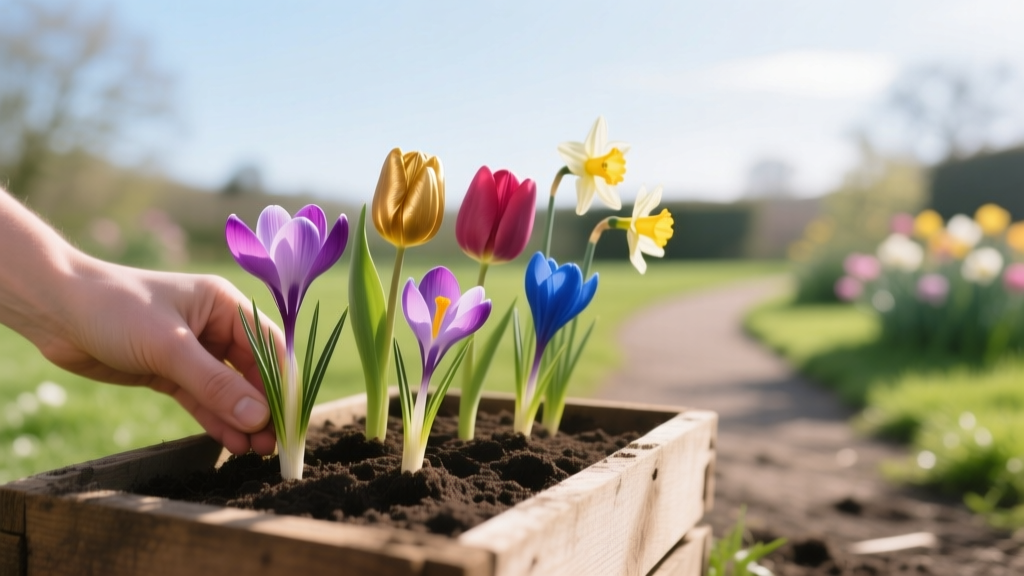
Planting Spring Bulbs for Summer Color
The window for summer-blooming bulbs is short: once soil warms and your last frost date is within a few weeks, the difference between “lush July color” and “late, stunted blooms” often comes down to what you plant right now. If daytime highs are regularly above 60°F and your soil is workable (not waterlogged), you’re on the clock. Aim to get most tender bulbs in the ground after your average last frost date, and hardy summer bloomers in earlier once soil reaches key temperature thresholds.
Use this guide like a seasonal checklist—prioritizing what to plant first, then what to prune, protect, and prepare—so your garden hits peak flower in midsummer through early fall.
Priority 1: What to plant now (and exactly when)
Summer color from “spring bulbs” generally means spring-planted, summer-flowering bulbs and tubers: dahlias, gladiolus, lilies, callas, cannas, begonias, and more. Timing is tied to soil temperature and frost risk more than the calendar. As a practical baseline, many warm-season bulbs go in when soil is consistently 55–60°F, while heat-lovers prefer 60–65°F.
Check your timing in 60 seconds
- Know your average last frost date (example benchmarks: April 15, May 1, May 15 are common across many U.S. regions, but use your local data).
- Measure soil temperature at 4 inches deep at 9–11 a.m. for three days. Plant tender bulbs when readings hold at 60°F+.
- Count weeks to bloom: gladiolus often flowers about 70–90 days after planting; dahlias typically need 8–10 weeks for first blooms (variety dependent).
Planting schedule table (by month and soil conditions)
| Month | Soil / Weather Trigger | Plant These for Summer Color | Notes for Best Results |
|---|---|---|---|
| March–April | Soil workable; night temps mostly above 40°F | Hardy lilies (Asiatic/Oriental), some hardy perennials from bulbs (where sold), early gladiolus in mild zones | In Zones 8–10, start gladiolus now for early summer bloom. |
| April–May | Soil hits 55–60°F; last frost within 2–3 weeks | Dahlias (after frost risk), gladiolus, calla (warmer microclimates), caladium (later in cool areas) | Stagger gladiolus every 2 weeks for continuous spikes. |
| May–June | After last frost; soil 60–65°F | Cannas, elephant ear (Colocasia/Alocasia), tuberous begonias, caladium, ginger lilies | Heat-lovers sulk in cold soil—wait for warmth, especially in Zones 3–6. |
| June–July | Consistent warmth; irrigation available | Late gladiolus, additional dahlias from potted starts | Planting too late can push bloom into frost season in Zones 3–5. |
Top performers to plant first (highest payoff for summer color)
Gladiolus delivers tall, cuttable color quickly. For a long show, plant corms in batches: every 14 days from two weeks after your last frost date until mid-summer (earlier cutoff in short-season areas). Plant 4–6 inches deep, deeper in sandy soil and windy sites. Stake at planting time to avoid root disturbance later.
Dahlias are the headline act for late summer. In Zones 7–10, you can often plant tubers once frost danger passes and soil warms to 60°F. In Zones 3–6, consider starting tubers in pots indoors 4–6 weeks before last frost, then transplant after nights stay above 45–50°F. Pinch once plants reach 12–16 inches for bushier growth (except on some large-flowered types where you may prefer fewer stems).
Summer lilies (Asiatic and Oriental) are among the easiest “plant-and-forget” options. Many are hardy to Zone 4 or 5 and can be planted in spring as soon as soil is workable. They appreciate drainage and consistent moisture—mulch helps stabilize soil temperature and reduces splash that spreads foliar disease.
Cannas and elephant ears are unbeatable for bold tropical texture, but they demand warmth. Wait until soil is reliably 65°F or you’ll lose time to rot and sluggish growth. If you garden in Zones 3–6, this often means planting around 2–4 weeks after last frost, not immediately after it.
Research-based planting guidance consistently emphasizes that soil temperature—not the calendar—is a primary driver of successful emergence and early growth for warm-season tender bulbs and tubers.
Planting depth, spacing, and soil prep (fast rules that prevent failure)
Depth: Use the “2–3x as deep as the bulb is tall” rule unless the label specifies otherwise. Dahlias are an exception: many growers lay tubers 4–6 inches deep with the eye just below soil level, then mound lightly as shoots grow.
Spacing: Crowding invites mildew and weak stems. As a working guide: gladiolus 6–8 inches apart; dahlias 18–30 inches depending on variety; cannas 18–24 inches; caladium 8–12 inches.
Drainage: If water stands for more than 4 hours after a rain, improve drainage before planting tender bulbs. Raised rows, compost worked into the top 8–10 inches, and avoiding low pockets makes a bigger difference than fertilizer.
Fertilizer: Mix in a balanced, slow-release fertilizer or compost at planting, but don’t overdo nitrogen—especially for dahlias, which can grow lush leaves at the expense of flowers. Follow label rates and local soil-test recommendations.
Timing numbers you can act on (keep these on your fridge)
- Plant warm-season bulbs when soil holds at 60°F+ (tropicals prefer 65°F).
- Start dahlia tubers in pots 4–6 weeks before last frost in short seasons.
- Stagger gladiolus every 14 days for longer bloom.
- Stop planting new gladiolus about 90 days before your first fall frost for reliable bloom.
- Protect newly emerging shoots if a late cold snap threatens 32°F or lower.
Priority 2: What to prune (and what not to touch yet)
Pruning in bulb season is less about shaping and more about removing disease habitat and preventing leggy growth that flops in July. Make cuts on a dry day; disinfect pruners between suspect plants.
Cut back last year’s stems and clean up winter debris
- Remove dead stems and old foliage around dahlia beds, gladiolus areas, and lily clumps to reduce overwintering pests.
- Clear thick leaf mats where slugs hide—especially in shady, moist beds.
- Leave emerging perennial shoots alone; don’t shear indiscriminately.
Pinch and stake early to prevent summer flop
If you grow dahlias, put stakes or cages in at planting time. Waiting until plants are tall often breaks brittle stems. Pinch dahlias once at 12–16 inches (unless you’re growing for giant blooms on fewer stems). For gladiolus, plan supports now—wind damage is harder to fix than to prevent.
Don’t remove spring bulb foliage too soon
If you also have spring-flowering bulbs (daffodils, tulips), let their leaves yellow naturally. Cutting early reduces stored energy and weakens next year’s display. Tuck fading foliage behind emerging perennials or use companion plants to mask it.
Priority 3: What to protect (cold snaps, pests, and disease starting points)
Spring weather whiplash is real: a week of 75°F can be followed by a surprise frost. Newly planted bulbs and fresh shoots are vulnerable to both cold and pests attracted to tender growth.
Frost and cold protection for emerging shoots
If a late frost threatens (32°F), cover emerging dahlias, cannas, and elephant ears overnight with frost cloth or even a cardboard box (keep material from crushing shoots). Remove covers in the morning once temperatures rise above 40°F to prevent overheating and condensation.
Slug and earwig defense (critical in wet springs)
Slugs can skeletonize new lily and dahlia shoots overnight. Start control before damage shows.
- Hand-pick at dusk for 5–7 nights after warm rains.
- Use iron phosphate bait where permitted; refresh after heavy rain.
- Reduce hiding places: boards, dense mulch piled against crowns, and weedy edges.
Thrips and aphids on gladiolus and dahlias
Thrips scar gladiolus leaves and deform flowers; aphids cluster on soft tips. Begin scouting weekly once shoots are 4–6 inches tall.
- Blast aphids with a firm water spray early in the day.
- Remove heavily infested tips to prevent rapid spread.
- Avoid excess nitrogen, which attracts sap-suckers.
Fungal disease prevention: stop problems before they start
Powdery mildew on dahlias and botrytis on lilies thrive with poor airflow and overhead watering.
- Space plants for airflow (don’t “fill in later” if mildew is common in your area).
- Water at the base; avoid wet leaves after 6 p.m. when nights cool.
- Mulch 2–3 inches to reduce soil splash and stabilize moisture.
University extension guidance consistently recommends integrated pest management—monitoring, accurate identification, and threshold-based action—to reduce unnecessary pesticide use while preventing outbreaks (University of Minnesota Extension, 2021).
Priority 4: What to prepare (beds, containers, and succession timing)
Preparation work now is what makes summer bulb color low-drama later. Focus on drainage, irrigation, labeling, and staging plantings so bloom doesn’t peak all at once.
Bed preparation checklist (do this before bulbs go in)
- Loosen soil 8–12 inches deep; remove rocks that deflect bulbs and cause crooked stems.
- Blend in compost (1–2 inches over the bed), especially in sandy soils.
- Confirm irrigation coverage—drip lines save time and reduce foliar disease.
- Label varieties at planting; summer bulbs look similar when emerging.
Container strategy for patios and small gardens
If you’re gardening in containers, you can plant earlier because pots warm faster—but they also dry out faster and can chill quickly at night. Use this approach:
- Use a high-quality potting mix (not garden soil) for drainage.
- Plant one “thriller” (canna/dahlia), add “fillers” (annuals), and “spillers” (trailing plants).
- On nights predicted below 40°F, move pots against the house or into a garage to prevent shock.
Succession planting timeline (keep color coming)
To avoid a single burst and then a lull, stagger planting in planned waves.
- Week 0 (around last frost date): plant lilies (if not already), start first gladiolus batch, plant dahlias if soil is warm.
- Week 2: second gladiolus batch; add more dahlias or potted starts.
- Week 4: plant cannas/elephant ears once soil is 65°F; third gladiolus batch if season allows.
- Week 6: final gladiolus batch in shorter-season zones; focus shifts to staking, feeding, and pest scouting.
Regional scenarios: adjust your plan to your spring reality
USDA hardiness zone tells you winter minimums, but your spring timeline is driven by last frost date, soil warming, and rainfall patterns. Use these real-world scenarios to calibrate your next moves.
Scenario 1: Cool spring in USDA Zones 3–5 (Upper Midwest, Northern New England, higher elevations)
If your last frost commonly falls around May 15 (or later) and soil stays cold, rushing tender bulbs leads to rot and slow starts. Prioritize:
- Start dahlias in pots indoors 4–6 weeks ahead, then harden off for 7–10 days.
- Wait to plant cannas, caladiums, and elephant ears until soil is consistently 65°F—often early June.
- Use black plastic or landscape fabric for 10–14 days to pre-warm beds before planting.
Scenario 2: Wet spring with heavy clay (Pacific Northwest, parts of the Midwest and Southeast)
When rain is frequent and nights are cool, bulbs sit in cold, saturated soil—prime conditions for rot. Your best move is improving planting conditions, not adding products.
- Plant on slight mounds or raised beds to keep crowns above saturated zones.
- Mix compost to improve structure, but avoid working soil when it’s sticky (compaction lasts all season).
- Choose more rot-tolerant options first (lilies) and delay tender tubers until you can squeeze soil and it crumbles rather than smears.
Scenario 3: Early heat in USDA Zones 8–10 (South, coastal California, desert-adjacent regions)
If spring jumps quickly to summer and your last frost is around March 15 or earlier, your limiting factor is heat and water management.
- Plant gladiolus early, then provide consistent irrigation during spike formation for straight stems.
- Give dahlias afternoon shade where summer highs exceed 95°F regularly; heat stress can reduce flowering.
- Mulch early (2–3 inches) to slow evaporation and suppress weeds before they seed.
Scenario 4: High-wind or exposed gardens (plains, coastal sites, open suburban lots)
Wind turns tall summer bulbs into broken stems. Build support into the plan:
- Stake gladiolus and dahlias at planting time; use soft ties.
- Plant in blocks rather than single rows for mutual support.
- Use windbreak plantings (shrubs, fencing, tall grasses) if available.
Feeding and watering: keep growth steady, not lush
Most summer bulbs hate drought during establishment but also suffer in soggy soil. Your goal is even moisture.
- Watering rule: after planting, water deeply once, then wait until the top 1–2 inches of soil is dry before watering again (more frequent in containers).
- Mulch: apply 2–3 inches after shoots emerge to reduce evaporation and disease splash.
- Midseason feeding: once plants are actively growing (6–12 inches tall), side-dress with compost or a balanced fertilizer; avoid high nitrogen for dahlias.
Soil testing remains the most reliable way to avoid over-fertilizing; extension services commonly recommend testing every 3 years (Penn State Extension, 2023).
Seasonal pest and disease watchlist (start scouting this week)
Plan a quick weekly walk-through—10 minutes is enough to catch early problems.
Watch for these early indicators
- Ragged holes on new shoots: slugs/earwigs—act immediately before plants are stunted.
- Sticky tips and curled leaves: aphids—hose off and reduce excess nitrogen.
- Silvery streaking on leaves, distorted buds: thrips—remove heavily damaged foliage and consider targeted control if populations build.
- White coating on leaves: powdery mildew—thin for airflow, water at the base, avoid late-day overhead watering.
Preventive habits that pay off all summer
- Rotate planting areas for gladiolus and dahlias when possible to reduce disease carryover.
- Remove and trash (don’t compost) heavily diseased foliage.
- Keep weeds down—many pests breed on weedy hosts before moving to ornamentals.
Right-now checklist (printable and practical)
This weekend
- Find your local last frost date and count 2–3 weeks forward for tender bulb planting if soil is still cold.
- Measure soil temp at 4 inches: plant warm-season bulbs at 60°F+, tropics at 65°F.
- Prep beds: loosen soil, add compost, confirm drainage.
- Buy/prepare stakes and labels before planting.
Next 2 weeks
- Plant first gladiolus batch; set a calendar reminder for the next batch in 14 days.
- Plant dahlias after frost risk; start tying in young stems.
- Begin slug and aphid scouting weekly.
Next 4–6 weeks
- Plant cannas/elephant ears once soil is 65°F.
- Mulch 2–3 inches after shoots are up.
- Side-dress with compost or balanced fertilizer once growth is strong.
If you plant in waves, stake early, and keep soil moisture even, spring-planted bulbs will carry your garden through the hottest stretch of the year. The payoff shows up when July arrives and you’re cutting gladiolus spikes, deadheading dahlias, and watching lilies open—while everyone else is wondering why their “summer bulbs” are still just leaves.
Sources: University of Minnesota Extension (2021) integrated pest management guidance; Penn State Extension (2023) soil testing and fertilizer best practices.