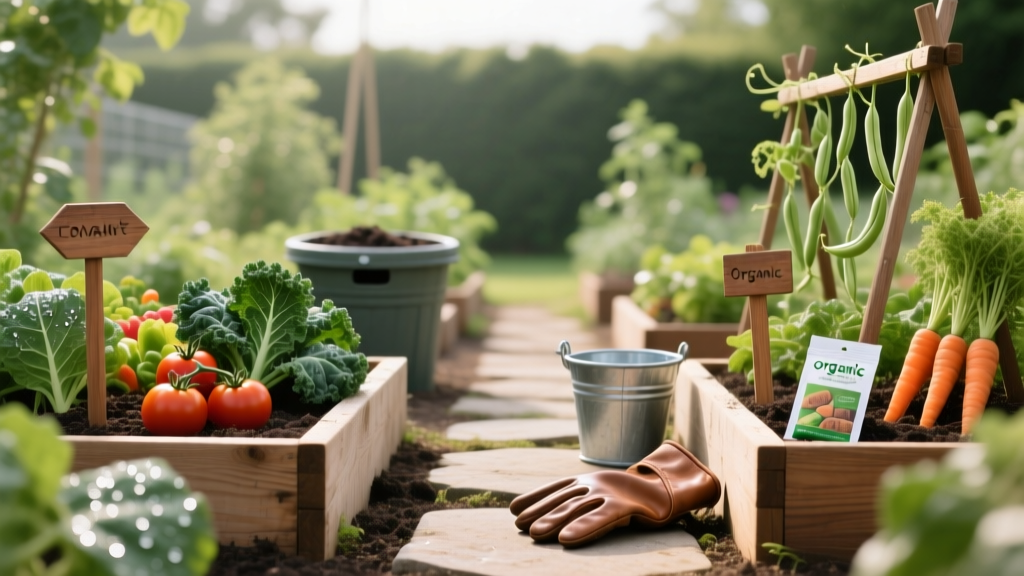
15 Garden Hacks for Organic Growing
If your “organic garden” keeps getting hammered by pests or looks pale no matter how much compost you add, there’s a common mistake hiding in plain sight: most gardeners feed plants, not soil life. Organic growing gets dramatically easier when you set up simple systems that do the work for you—mulch that waters, biology that fertilizes, and barriers that prevent problems before you ever reach for a spray bottle.
Below are the hacks I lean on when I want better harvests with fewer inputs. They’re practical, cheap, and field-tested—because nobody has time to babysit a zucchini plant for three months.
Soil & Fertility Hacks (the “set it once” wins)
1) The 1–2–3 Soil Test Hack: Sample, Don’t Guess
Most nutrient problems are really pH or imbalance problems, and guessing is the most expensive way to garden. Take 10–15 small plugs of soil from the top 6 inches across a bed, mix them in a clean bucket, and submit about 2 cups for a lab test. A basic test often costs around $15–$30 and can save you from dumping unnecessary amendments for years.
Example: A gardener in Raleigh added “more compost” every season but still had yellow tomatoes; the soil test came back pH 5.3. A targeted lime recommendation fixed the issue in one season—without adding any new fertilizer.
2) Compost “Topdress, Don’t Till”: 1 Inch Beats Digging
Skip turning your soil like pancake batter. Topdress beds with about 1 inch of finished compost each spring (roughly 0.6 cubic feet per 10 sq ft) and let worms incorporate it. This protects soil structure, keeps fungal networks intact, and avoids waking up weed seeds.
Real-world scenario: On a small urban lot with compacted soil, a topdress-only approach plus mulch turned hard ground into crumbly soil by the second year—without renting a tiller.
3) Seed-Starting Mix Hack: Add Worm Castings at 10%
For organic starts, blend worm castings into your seed-starting mix at about 10% by volume (1 cup castings to 9 cups mix). It adds gentle nutrients and a microbial boost without the “burn” risk of stronger amendments. Use it especially for heavy feeders like tomatoes and peppers once they have true leaves.
DIY alternative: If castings are pricey, make a “casting concentrate” by sifting a small amount (even 1–2 cups) and distributing it across multiple trays by mixing it into your potting mix in a big tub.
4) Calcium Without the Chaos: Crushed Eggshell Vinegar Extract
Eggshells in the soil break down slowly, so they rarely fix calcium issues in time. A quicker hack is to rinse and dry shells, crush them, then cover them with vinegar in a jar (bubbles = reaction). After 24–48 hours, dilute 1 tablespoon of the extract in 1 gallon of water and water at the base—use sparingly, especially in already-acidic soils.
Example: For container tomatoes that repeatedly showed blossom-end rot, a combination of consistent watering plus this calcium trick reduced losses within two weeks (blossom-end rot is often watering-related, but calcium availability matters too).
5) Fertilizer Timing Hack: Feed Leafy Crops at Day 14
Leafy greens respond to a light nutrient bump right after establishment. At about 10–14 days after germination or transplanting, side-dress lettuce, kale, and chard with a narrow band of compost (about a handful per plant) or a light sprinkle of alfalfa meal (1–2 tablespoons per plant). It’s a “small early push” that prevents slow, bitter growth later.
Source note: Oregon State University Extension (2019) emphasizes matching nitrogen supply to crop stage to avoid deficiency and quality issues in leafy greens.
Water, Mulch & Microclimate Hacks (make the weather less bossy)
6) The Cardboard + Mulch “Weed Reset” (No Dig, Fast)
If you’re starting a new bed over grass or weeds, lay plain cardboard (remove tape), overlap seams by 6 inches, then add 3–4 inches of mulch on top. Water it thoroughly so it hugs the ground. In 6–10 weeks during warm weather, you’ve smothered most weeds and created a plantable surface with minimal labor.
Cost hack: This is often free if you use shipping boxes plus a cheap mulch delivery; compare that to landscape fabric, which can cost $0.20–$0.60 per sq ft and still lets weeds root on top.
7) “Watering by Math”: 1 Inch per Week Is a Target, Not a Vibe
Instead of watering whenever plants look thirsty, aim for roughly 1 inch of water per week total (rain + irrigation) for many vegetables, adjusting for heat and containers. Put a straight-sided tuna can or rain gauge in the bed: when it fills to 1 inch, you’re done for the week. Deep, infrequent watering encourages deeper roots and fewer fungal issues from wet leaves.
Source: University of Minnesota Extension (2020) notes that most gardens do best with about 1 inch of water weekly, more during hot/windy conditions.
8) DIY Ollas Hack: Bury Clay Pots for Slow Drip Irrigation
Ollas (unglazed clay pots) seep water slowly right at root level. Bury a 6–8 inch unglazed pot up to its neck, fill it, and cover the opening with a saucer to reduce evaporation and mosquitoes. Refill every 2–4 days in summer; once plants root toward it, you’ll water less and see fewer cracked tomatoes from irregular moisture.
Budget option: A basic unglazed pot may run $3–$8, far cheaper than installing drip for a tiny bed or a few containers.
9) Mulch Thickness Rule: 2 Inches for Veg, 4 Inches for Paths
Mulch works when it’s thick enough to block light. Use about 2 inches around vegetables (straw, shredded leaves, untreated grass clippings in thin layers) and 4 inches on paths where you don’t want anything growing. Keep mulch 1–2 inches away from stems to reduce rot and slug hideouts.
Example: In a damp coastal garden, pulling mulch back from pepper stems by just an inch reduced stem rot and improved airflow—same mulch, smarter placement.
Pest & Disease Hacks (prevent first, spray last)
10) The “Early Net” Trick: Cover Before the First Bite
Row cover is wildly more effective when it goes on before pests arrive. For brassicas, cover seedlings immediately with insect netting or lightweight row cover and seal edges with boards, rocks, or soil. It blocks cabbage moths and flea beetles without any sprays—just remember to uncover when plants need pollination (or hand-pollinate).
Case example: A community garden plot that always lost arugula to flea beetles harvested clean leaves by installing netting the day of transplanting instead of waiting for holes to appear.
11) Beer Trap Upgrade: Use a Wide Container + Daily Reset
Beer traps for slugs work best when they’re wide and refreshed. Sink a shallow container so the rim is level with soil, fill with 1/2 inch of cheap beer (or yeast-sugar water), and empty it daily for the first week of a slug outbreak. Place traps every 3–6 feet in problem areas—right next to hosta or lettuce patches.
Money saver: Generic beer is fine; the goal is fermentation odor, not craft brewing.
12) Soap Spray Reality Check: Use the Right Ratio (and Timing)
For aphids and soft-bodied pests, insecticidal soap works when it’s mixed correctly and applied at the right time. Use a true insecticidal soap if possible, or for a DIY emergency option, mix 1 teaspoon of mild liquid soap per 1 quart of water and spray in the evening to avoid leaf burn. Always test on a few leaves first, and rinse plants the next morning if you used DIY soap.
Expert caution: Some “dish soaps” contain degreasers that can damage plants—if leaves look dull or scorched, stop and switch to a labeled insecticidal soap.
13) The Baking Soda Myth Fix: Use It Only With Oil, and Only for Powdery Mildew
Baking soda alone often disappoints because it doesn’t stick well. For powdery mildew, a more reliable organic-style mix is 1 tablespoon baking soda + 1 tablespoon horticultural oil in 1 gallon of water, applied weekly when conditions favor mildew (warm days, cool nights). Don’t spray in full sun, and don’t use it as a blanket “prevent everything” potion—target it to mildew-prone crops like squash and cucumbers.
Source note: Cornell University plant pathology resources (multiple updates; commonly cited guidance in the 2010s–2020s) emphasize targeted management and correct application conditions for foliar disease sprays.
14) The “Sanitation Sprint”: 5 Minutes Twice a Week
Organic gardens can spiral when diseased leaves linger. Twice a week, spend 5 minutes removing yellowing leaves, mildewed foliage, and any fruit with rot—then get it out of the bed (trash it if disease is present; don’t compost active blight). This tiny habit cuts down reinfection cycles and improves airflow without a single product.
Real-world scenario: In a rainy summer, a gardener who removed lower tomato leaves up to 12 inches from soil reduced early blight spread compared with neighboring plants left “lush” to the ground.
“The most effective disease control is often early removal of infected plant material combined with practices that keep leaves dry and improve airflow.”
—Extension plant pathology guidance (general principle echoed across multiple university extension programs)
Planting, Spacing & Productivity Hacks (more food, same footprint)
15) The Succession Planting Shortcut: Replant Every 2 Weeks (Small Batches)
Instead of sowing a whole packet at once, plant short rows or small blocks every 14 days for crops like lettuce, radishes, and cilantro. You’ll get a steady harvest and fewer “all at once” pests and bolting issues. Mark replant dates on a cheap calendar or the back of your seed box—this one habit makes your garden feel twice as productive.
Example: A 4x8 bed can support 3–4 micro-sowings of salad greens in spring; while one section is harvesting, the next is germinating, and the next is being amended.
Quick Comparison Table: Common Organic Weed Barriers
| Method | Upfront cost | How long it lasts | Best use | Gotcha |
|---|---|---|---|---|
| Cardboard + 3–4 in mulch | Low (often free cardboard; mulch varies) | 1 season (cardboard breaks down) | New beds over lawn/weeds | Needs overlap (6 in) or weeds sneak through seams |
| Landscape fabric + mulch | Medium ($0.20–$0.60/sq ft + pins) | 2–5 years (depends on UV and quality) | Permanent paths | Weeds root on top; can hinder soil life if used in beds |
| Leaf mulch (shredded) | Free to low | Months to 1 year | Veg beds, around perennials | Whole leaves mat; shred for best results |
| Straw mulch (2 in) | Low to medium (bales vary by region) | 1 season | Tomatoes, cucumbers, paths | May contain seed; keep it thick and pull sprouts early |
Three “Use This When…” Mini Playbooks
Scenario 1: You have terrible soil and only a weekend to start.
Lay cardboard, add 3–4 inches of mulch, cut holes, and transplant sturdy starts (tomatoes, peppers, squash). Topdress compost around planting holes (not the whole bed) to keep cost down, and set one olla per 2–3 plants to stabilize watering.
Scenario 2: You’re tired of spraying for pests.
Use netting early (tip #10), then patrol twice a week for 5 minutes (tip #14). If you still get aphids, blast them off with a firm water spray first; only then move to correctly mixed soap spray (tip #12) as a targeted follow-up.
Scenario 3: You want steady harvests from a small space.
Stop planting “all at once” and switch to the 14-day succession rhythm (tip #15). Keep one section always in production and one section always in recovery: harvest, topdress with compost (tip #2), replant, repeat.
Organic growing gets a lot simpler when you treat your garden like a few repeatable systems: feed the soil lightly but consistently, control moisture with mulch and slow irrigation, block pests early, and keep planting in small waves. Try just three of these hacks this season—and pay attention to what got easier. That’s how you end up with a garden that practically runs itself.
Sources: University of Minnesota Extension (2020), watering guidelines for home gardens; Oregon State University Extension (2019), nutrient management principles for vegetable crops; Cornell University plant pathology resources (2010s–2020s updates), powdery mildew management principles.