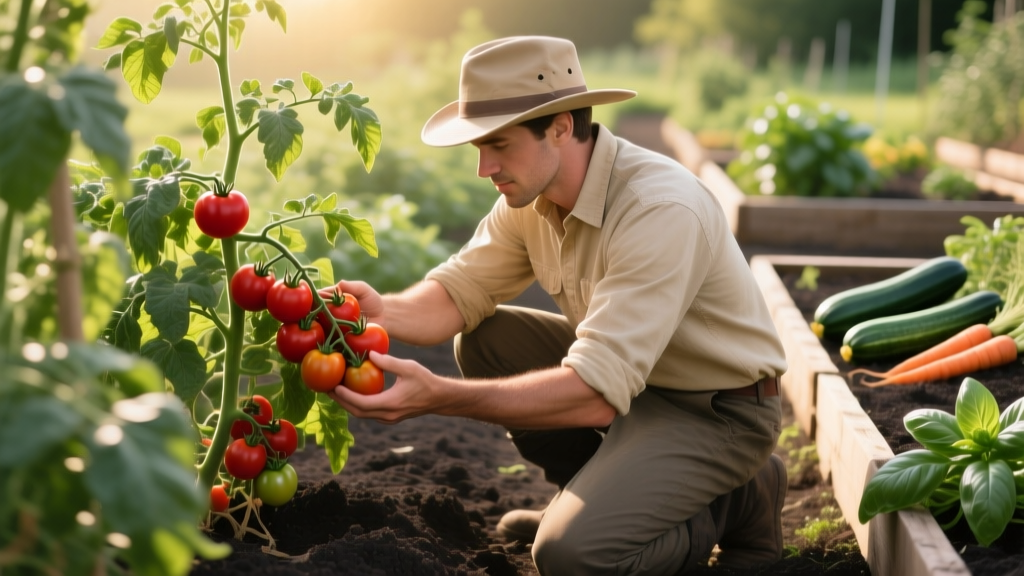
What Professional Gardeners Do for Bigger Harvests
Most “low-yield gardens” aren’t short on sunlight or luck—they’re short on timing. The common mistake I see (even with experienced gardeners) is planting on a calendar date instead of planting into the right soil conditions, then trying to fix weak growth later with extra water or fertilizer. Pros flip that: they spend more effort up front—soil, spacing, and early protection—so plants never stall in the first place.
Below are the same practical moves market growers and professional gardeners lean on to pull bigger harvests from the same square footage—without turning your yard into a full-time job.
Group 1: Soil moves that make plants “hungry” in a good way
Tip: Test soil once, then fertilize with a purpose (not vibes)
Pros don’t guess. A basic lab soil test (often $15–$30) tells you pH, phosphorus (P), potassium (K), calcium, and more so you’re not overfeeding what you already have. If your pH is off, nutrients can be present but unavailable—so plants look “starved” even in rich soil.
Example: If your test flags pH 5.3 and you’re growing brassicas, a pro will correct pH first (often with lime) before adding more compost. Many state extension offices walk you through exact lime rates for your soil type and target pH.
Tip: Hit the “compost sweet spot” instead of piling it on
Professional beds often get 1–2 inches of finished compost worked into the top 6 inches each season; more isn’t always better, especially in small gardens where phosphorus can build up. Finished compost improves structure, moisture-holding, and biology—your yield multipliers—without the salt burn risk of strong fertilizers.
DIY alternative: If you’re short on compost, use 1 inch compost plus shredded leaves as mulch (free) and let worms finish the job over time.
Tip: Use a “starter strip” for heavy feeders, not a whole-bed fertilizer bomb
Pros concentrate fertility where roots will actually find it. For crops like tomatoes, peppers, squash, and corn, create a narrow band of nutrients 3–4 inches to the side of the planting line and 2–3 inches deep. That reduces waste and keeps early roots close to food without burning stems.
Example: In a 4x8 bed of peppers, instead of mixing fertilizer into all 32 square feet, run a single band down each row. You’ll use less product and see stronger early growth.
Tip: Stop compacting beds—professionals treat soil like a living sponge
The fastest way to shrink harvests is to compress the root zone. Pros use permanent paths and never step in growing beds, because compaction reduces air pockets and can throttle root expansion. If you already have hard soil, loosen once with a broadfork (or digging fork) and then protect structure with mulch and no-till habits.
Real-world scenario: A community garden plot that’s been walked on for years often doubles down on watering and still underperforms. Switching to “no stepping in beds” plus a one-time broadfork pass can turn stunted carrots into full-length roots by midseason.
Group 2: Planting and spacing tricks that feel like a cheat code
Tip: Plant by soil temperature, not the date on your phone
Professional gardeners use a cheap soil thermometer (often $10–$15) and plant when the soil actually supports growth. For example, beans and squash typically sulk in cold soil; aim for 60°F (16°C) or warmer. Warm soil speeds germination and reduces “stall time,” which is where you lose a surprising amount of yield.
Example: If nights are still cold, cover the bed with clear plastic for 7–10 days before sowing to pre-warm it—then remove plastic after planting and switch to row cover.
Tip: Tighten spacing, but only if you control water and nutrients
Pros squeeze more produce per square foot by using “intensive spacing” with a plan. Leafy greens can be planted closer (think 6 inches for head lettuce; 8–12 inches for many brassicas), but only if you keep moisture steady and fertility adequate. Tight spacing without consistent watering creates bitter lettuce, split radishes, and stunted cabbage.
Case example: A home gardener spacing lettuce at 12 inches might harvest 8 heads from a small bed; a pro at 6–8 inches can harvest 16–20 heads—if drip irrigation and light feeding are in place.
Tip: Use succession planting with a written schedule (two minutes a week)
Professional harvests look “bigger” because they’re continuous. Write your next sowing date on a sticky note or garden calendar the day you plant: for salad greens, sow every 10–14 days; for carrots, every 3 weeks during the main season. This keeps you from having one giant harvest followed by a dry spell.
Example: Seed a 2-foot strip of spinach today, then seed the next 2-foot strip in two weeks. You’ll get a rolling harvest instead of one glut you can’t eat.
Tip: Grow vertically like you mean it—trellis early, not after the flop
Pros trellis at planting time so vines never spend energy reorienting after they’ve sprawled. Cucumbers, pole beans, and indeterminate tomatoes yield better and stay cleaner off the soil when supported. A simple cattle panel trellis can last 10+ years and costs less per season than replacing flimsy cages.
DIY alternative: Use 7-foot T-posts and nylon netting, or lash bamboo into an A-frame. The goal is sturdy support before plants hit 12–18 inches tall.
Group 3: Watering systems pros trust (and why hand-watering underperforms)
Tip: Put irrigation on a timer and aim for deep, predictable soakings
Pros don’t “water when it looks dry”—they reduce stress swings. Drip irrigation on a timer delivers consistent moisture right at the root zone, which is especially important for tomatoes (blossom-end rot risk) and cucumbers (bitterness). A basic timer plus drip kit often runs $40–$80, and it usually pays back in a season by preventing lost crops.
Example: Set drip to run early morning for 30–60 minutes depending on emitter flow and soil type; adjust after checking moisture 4–6 inches down.
Tip: Use mulch as a “second irrigation system”
Pros mulch immediately after planting (once soil is warm) to lock in moisture and reduce weeding. Straw, shredded leaves, or grass clippings (thin layers) help keep the soil from cycling between soggy and bone-dry. Keep mulch 1–2 inches away from stems to reduce rot and pest hiding spots.
Real-world scenario: In a hot summer bed of peppers, adding 2–3 inches of straw mulch can be the difference between flowers dropping (stress) and setting fruit consistently.
Tip: Water the root zone, not the leaves—especially for disease-prone crops
Many fungal diseases need leaf wetness to spread. Drip lines or soaker hoses keep foliage drier than sprinklers, and that alone can extend the productive window for cucumbers and squash. The University of Minnesota Extension specifically recommends drip irrigation and other practices to reduce foliar disease pressure (University of Minnesota Extension, 2020).
Example: If you must use a hose, water at the base in the morning so any splash dries quickly.
Group 4: Feeding strategies that build yield without burning plants
Tip: Fertilize in small “doses” aligned with growth stages
Pros feed when plants can actually use it: a modest nitrogen push early for leafy growth, then more potassium and steady nutrients during flowering and fruiting. For tomatoes, that often means a balanced base at planting, then a side-dress when first fruits are marble-sized. Overdoing nitrogen late gives you huge vines and disappointing fruit.
Example: Side-dress along the drip line (not the stem) and lightly scratch it into the top inch of soil, then water in.
Tip: Use foliar sprays only for specific problems (and do it at the right time)
Pros don’t spray “because it might help.” Foliar feeding is most useful for known micronutrient issues (like iron chlorosis in high-pH soils) or quick corrections, not as a substitute for soil fertility. Spray early morning or evening to reduce leaf burn, and always test a few leaves before blanket-spraying.
DIY alternative: Compost tea can be used as a gentle foliar, but treat it as a minor support—not your main fertilizer plan.
Tip: In containers, switch to a predictable feeding routine (containers are not beds)
Container harvests often disappoint because nutrients wash out fast. Pros use controlled-release fertilizer or weekly feeding at a measured rate rather than occasional heavy doses. If you’re growing tomatoes in a 10–15 gallon pot, consistent feeding and watering beats “random heroics” every time.
Case example: A patio gardener with two tomato pots can outperform a small in-ground patch by using drip emitters plus a light weekly feed—no guessing, no stress cycles.
Group 5: Pest and disease control that’s mostly prevention
Tip: Row cover early is the pro move (before pests show up)
Floating row cover acts like a physical fence against flea beetles, cabbage moths, and cucumber beetles—while also giving a few degrees of warmth. Put it on the day you plant, seal edges with soil or boards, and only remove when flowers need pollination (or open it mid-day for hand pollination). This one habit can save entire brassica plantings that otherwise get shredded in 48 hours.
Expert note:
“The most effective insect control in home vegetable gardens is often prevention—excluding pests with row covers and timing plantings to avoid peak pressure.” — Adapted from integrated pest management guidance in university extension publications (e.g., University of California ANR, 2018).
Tip: Prune tomatoes with a yield goal, not a haircut goal
Pros prune indeterminate tomatoes to improve airflow and reduce disease, but they don’t strip plants bare. Remove suckers below the first flower cluster (especially in humid regions), and keep lower leaves from touching soil. Aim for a plant that dries quickly after dew—less blight pressure, longer harvest window.
Example: In a tight bed, training to 1–2 main stems on a trellis can keep fruit cleaner and easier to pick than a sprawling cage.
Tip: Rotate crop families, even in small gardens (use containers as “rotation space”)
Pros rotate plant families to reduce buildup of soilborne diseases and pests—tomatoes/peppers/eggplant together, brassicas together, cucurbits together, etc. If your garden is small, rotate by using grow bags or containers as “bonus beds” so you’re not planting tomatoes in the same spot every year. The goal is to avoid repeating the same family in the same soil for 3 years when possible.
Example: Move tomatoes to containers for a year while the in-ground spot grows beans and lettuce; you break pest cycles without needing more land.
Quick comparison: what pros choose when yield matters
| Topic | Method A | Method B (what pros usually pick) | Why it wins for harvests |
|---|---|---|---|
| Watering | Hand-watering with a hose | Drip + timer (often $40–$80 upfront) | Fewer stress swings; less foliar disease; consistent growth |
| Weed control | Frequent hoeing | Mulch 2–3 inches + occasional hand pull | Less competition for water/nutrients; less labor over season |
| Pest strategy | Spray after damage appears | Row cover from day 1 | Prevents early set-backs that permanently reduce yield |
| Fertility | Random compost/fertilizer “when plants look sad” | Soil test ($15–$30) + targeted amendments | Corrects limiting factors; avoids excess P/salt issues |
Group 6: Harvest handling—where pros quietly gain 20% more food
Tip: Harvest on a schedule, not when you remember
Many crops produce more when you pick more. Zucchini, pole beans, cucumbers, okra, and snap peas will slow down if fruits get oversized and start maturing seed. Pros do fast “harvest laps” every 2–3 days during peak season to keep plants in production mode.
Example: If cucumbers get big and yellow, the vine often pauses. Pick at the size you actually like eating and you’ll usually get more total cucumbers over time.
Tip: Cut-and-come-again greens beat one-and-done harvesting
For lettuce mixes, spinach (when it’s happy), kale, and chard, pros harvest outer leaves or shear above the growing point to trigger regrowth. This turns one planting into weeks of salads. Use clean scissors and leave the center intact so you don’t stunt the plant.
Example: In a 4-foot row of kale, harvesting 3–5 leaves per plant weekly can outproduce waiting for “full size,” especially in warm weather when leaves toughen fast.
Tip: Cool produce fast to keep it crisp (and reduce waste)
Big harvests don’t help if food wilts on the counter. Pros harvest early morning, then cool greens in cold water for 5–10 minutes, spin or towel-dry, and refrigerate. Less waste equals “more harvest” you actually eat.
DIY alternative: No salad spinner? Roll greens in a clean towel and swing it gently outside to shed water—surprisingly effective.
Three real-world “pro fixes” you can copy this weekend
Scenario: You have great-looking plants but low fruit set
Pros check pollination and heat stress before adding fertilizer. For tomatoes and peppers, tap flower clusters midday a few times a week to shake pollen loose, and keep soil moisture steady with mulch plus drip. If temps are above 90°F for stretches, expect blossoms to drop—shade cloth in the 30–40% range can rescue production in brutal heat.
Scenario: Your squash and cucumbers start strong, then crash with disease
Pros start with row cover (remove at flowering), trellis for airflow, and water at soil level to keep leaves dry. If powdery mildew shows up, they don’t panic-fertilize; they remove the worst leaves and focus on keeping new growth healthy. University extension guidance consistently emphasizes sanitation and airflow as core disease reducers (University of Minnesota Extension, 2020).
Scenario: Your carrots and beets are tiny even though you water and weed
Pros suspect compaction and inconsistent thinning. Loosen the bed once (broadfork), then sow thinly and thin ruthlessly: carrots often need roughly 2 inches between plants for decent roots. A too-dense row can look lush up top while producing matchstick roots underground.
If you copy only a few professional habits, make them these: test soil (so you’re fixing the real limitation), automate water (so growth never stalls), and protect seedlings early (so pests don’t steal the first month). The funny thing about bigger harvests is that they’re usually built from boring consistency—done at the right time—rather than any fancy product you saw on a shelf.
Sources: University of Minnesota Extension (2020) vegetable disease prevention guidance; University of California Agriculture and Natural Resources (UC ANR) integrated pest management resources (2018); USDA NRCS soil health principles and compaction impacts (USDA NRCS, 2021).