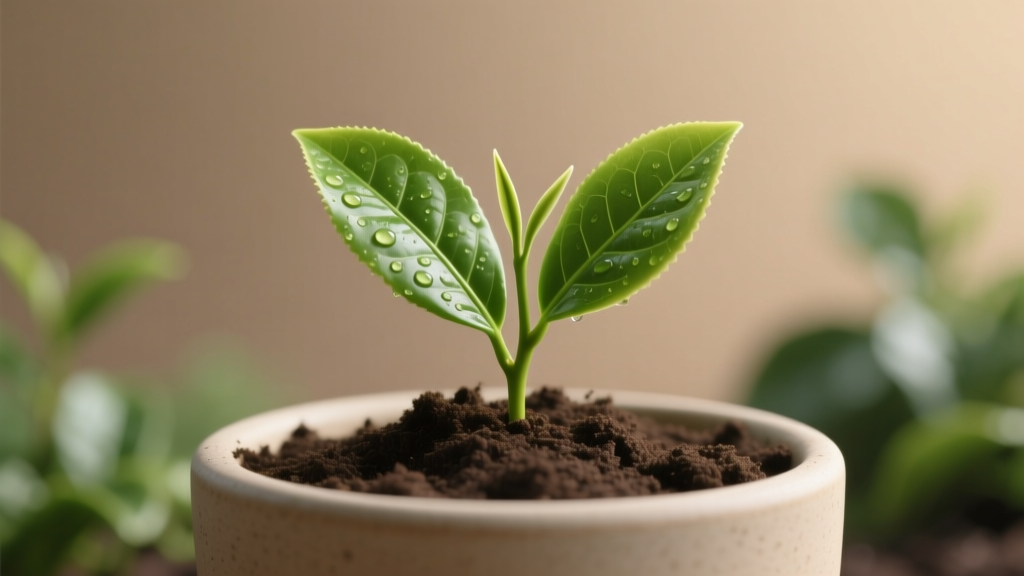
Green Tea as a Gentle Plant Fertilizer
If you’ve ever “treated” a sad houseplant with a strong cup of leftover green tea and watched it look worse a week later, you’re not alone. The common mistake isn’t using tea—it’s using it like it’s a liquid fertilizer and pouring it on full-strength, too often, and sometimes with sugar or milk still in it. Green tea can be a surprisingly useful gentle soil helper, but only when you treat it more like a mild compost ingredient than a miracle tonic.
Used the right way, green tea contributes small amounts of nitrogen and potassium, adds organic matter, and can nudge soil biology in a good direction—especially for containers and “tired” potting mixes. Used the wrong way, it can invite fungus gnats, add unwanted salts, and leave the potting mix sour and soggy. Let’s do the smart version.
First: What green tea can (and can’t) do for plants
Tip: Think “soil conditioner,” not “fertilizer replacement”
Green tea isn’t a complete plant food, and it’s not going to replace a balanced fertilizer when plants are actively growing. Most brewed tea is over 99% water, and the nutrients are dilute. Use it as a supplement to compost, worm castings, or a standard fertilizer schedule, especially for leafy houseplants that appreciate steady, gentle feeding.
Example: If you fertilize pothos monthly with a 10-10-10 at half-strength, you can swap one plain watering every 2–3 weeks with diluted tea to keep biology humming without pushing fast, floppy growth.
Tip: Respect the acidity… but don’t overhype it
Brewed green tea is mildly acidic, often around pH 6-ish depending on brand and steeping time. That’s not extreme, but repeated use in small pots can gradually shift potting mix, especially if you already water with acidic rainwater. If you grow plants that prefer neutral to slightly alkaline soil (many herbs, some succulents), tea should be an occasional treat, not a routine.
Example: Blueberries and gardenias won’t hate an occasional diluted green tea rinse; lavender and rosemary might.
“Organic amendments can improve soil structure and microbial activity, but they should be used based on plant needs and existing soil conditions—not as a one-size-fits-all solution.” — University of Minnesota Extension, 2020
Brew it right: the clean, plant-safe way
Tip: Use plain tea only—no sugar, honey, milk, or lemon
Sugar turns a “gentle amendment” into a fungus gnat buffet, and dairy can sour and smell in warm soil. Lemon juice pushes acidity harder than most plants like. If the mug had sweetener in it, send it down the drain and start fresh for your plants.
Example: That half-finished sweet matcha latte? Compost the solids (if any), rinse the cup, and brew a clean batch for watering instead.
Tip: Stick to a simple dilution that doesn’t backfire
A safe, repeatable ratio: 1 part brewed green tea to 3 parts water for houseplants and containers. For seedlings, go gentler: 1:5. Stronger mixes can increase mineral buildup and keep potting mix too damp, especially in low-light months.
Timing detail: Use diluted tea no more than every 2–4 weeks during active growth (spring/summer indoors, warm season outdoors). In winter, reduce to once every 6–8 weeks or skip entirely.
Tip: Steep shorter for plants (yes, really)
Over-steeping increases tannins and can make tea harsher on tender roots in small containers. A plant-friendly brew: steep 1 teabag in 2 cups (475 mL) of hot water for 2–3 minutes, then cool and dilute. You’re aiming for mild, not medicinal.
Example: If you normally steep 5 minutes for yourself, cut it in half for the plant batch.
Tip: Always cool it completely before applying
Warm tea can shock roots and encourage microbial blooms right at the soil surface—exactly where gnats and molds get excited. Let it cool to room temp, then use it the same day. If you store it, refrigerate and use within 24 hours for best freshness.
Real-world shortcut: Brew in the morning, let it sit on the counter, water plants in the evening.
Application tricks that actually make a difference
Tip: Water the soil, not the leaves
Green tea isn’t a foliar spray. Spritzing leaves adds moisture that can invite mildew, and tea residue can dry sticky. Pour slowly onto the soil surface, stopping when you see a little drainage from the pot’s holes.
Example: For a 6-inch pot, start with ½ cup (120 mL) of diluted tea, then top up with plain water if needed.
Tip: Use it only when the pot is already trending dry
Tea doesn’t “fix” underwatering if you’re also overcorrecting and keeping the pot wet. Check the top 1 inch of potting mix first—if it’s still moist, wait. Tea applied to already-wet soil is how you end up with sour smell and gnat activity.
Example: Snake plant in winter: skip tea entirely unless the pot is drying in under 10 days.
Tip: Rotate tea with plain water to prevent salt buildup
Even mild inputs add up in containers. A simple rhythm: one tea watering, then two plain waterings. If you see a white crust on the soil or rim of the pot, flush with plain water until at least 20% runoff drains out.
Cost saver: Flushing prevents the “mysterious decline” that makes people replace potting mix early—saving a $8–$15 bag of mix per season if you’ve got lots of pots.
Tea bags and tea leaves: where the real value often is
Tip: Bury used leaves shallowly—don’t build a soggy layer
Used green tea leaves add organic matter as they break down, but thick layers can mat and hold moisture. Mix 1–2 teaspoons of used leaves into the top ½ inch of soil, then cover with a pinch of dry potting mix. This keeps the surface less attractive to gnats.
Example: For a 10-inch patio pot, a tablespoon of leaves mixed in lightly is plenty.
Tip: Tear open bags only if they’re compostable
Some tea bags contain plastic fibers that don’t break down well. If the packaging doesn’t clearly say compostable, don’t bury the bag—compost the leaves (or trash them) and discard the bag. If you want to be extra sure, use loose-leaf tea in a reusable infuser.
DIY alternative: A $6 stainless-steel infuser pays for itself fast if you drink tea daily and want leaf compost without microplastic worries.
Tip: Add tea leaves to compost as a “green” ingredient
Used tea leaves count as nitrogen-rich “greens,” similar to coffee grounds but typically milder. Add a thin sprinkle, then cover with “browns” like dry leaves or shredded cardboard to prevent clumping. Cornell University’s composting guidance (2023) reinforces balancing greens and browns for airflow and odor control.
Example: Toss in a day’s worth of tea leaves, then add a handful of shredded paper right after—no smell, no slime.
3 scenarios where green tea shines (and how to do it)
Scenario 1: Reviving “tired” potting mix in houseplants
If your plant has been in the same potting mix for 12+ months, it often gets hydrophobic and biologically sluggish. Use diluted green tea once, then top-dress with ¼ inch of compost or worm castings. The tea helps re-wet the mix and introduces gentle organic compounds that microbes can use.
Example: A peace lily that droops fast after watering: one tea watering at 1:3, followed by a castings top-dress, often improves moisture behavior within 2 weeks.
Scenario 2: Container tomatoes that need “steady, not spiky” feeding
Tomatoes are heavy feeders, so tea alone won’t cut it—but it can smooth out the gaps between fertilizer applications. If you feed with a tomato fertilizer every 10–14 days, use diluted tea in between as a light biological boost. Keep it off the foliage and don’t overdo it in humid weather.
Example: On weeks you don’t fertilize, water with 1 quart (950 mL) of diluted tea per 5-gallon container, then finish with plain water as needed.
Scenario 3: Seedlings that stall after transplant
Fresh transplants can stall because roots are adjusting, not because they’re starving. A very mild tea drench (1:5) once, 3–5 days after transplant, can be gentler than fertilizer salts. The key is using a small volume and making sure the tray drains well.
Example: Basil seedlings in 3-inch pots: give 2–3 tablespoons of 1:5 tea around the edge of the pot, then wait a full week before any stronger feeding.
Green tea vs. other common “kitchen fertilizers” (quick reality check)
| Method | Best use | Risk level | Typical cost | My practical take |
|---|---|---|---|---|
| Green tea (diluted 1:3) | Gentle soil support for containers/houseplants | Low if unsweetened + infrequent | $0.10–$0.30 per teabag | Great as a “between feedings” helper |
| Coffee grounds (top-dress) | Compost ingredient; outdoor beds in small amounts | Medium (mats, mold, gnats in pots) | Often free | Compost first if you can; go light in containers |
| Banana peel water | Mostly folklore; tiny nutrient contribution | Medium (smell, fruit flies) | Free | Compost the peel instead; skip the “tea” |
| Fish emulsion (store-bought) | Real nitrogen boost for growth periods | Medium (overuse burns; odor) | $10–$20 per bottle | Worth it when plants truly need feeding |
Safety checks: avoid the two biggest tea-related plant problems
Tip: If you have fungus gnats, stop tea and fix the moisture
Gnats love consistently damp topsoil and decomposing organic bits. Pause tea use for 4 weeks, let pots dry more between waterings, and add a ½-inch layer of coarse sand or fine pumice on top to discourage egg-laying. If needed, use BTI dunks as directed for larvae control.
Example: In a shelf of 12 houseplants, one “tea habit” can keep gnats going indefinitely; stopping tea plus drying cycles usually knocks them back within a month.
Tip: Don’t use tea on succulents/cacti except as a rare flush
These plants want fast-draining soil and long dry spells, and tea nudges you toward extra moisture and organic matter—two things that can rot roots. If you insist on using it, do a very dilute mix (1:8) and apply no more than 2–3 times per year, ideally during active growth with strong light.
Example: Jade plant: better to top-dress with a teaspoon of worm castings once in spring than to “sip” tea monthly.
Tip: Skip green tea on plants sensitive to fluoride
Some teas can contain fluoride, and a few houseplants are fluoride-sensitive (notably some dracaenas and spider plants), showing brown tips. If you’ve struggled with tip burn and you already use tap water, tea may add one more variable. Use rainwater or distilled for those plants, and fertilize with a known low-fluoride product instead.
Source note: Fluoride sensitivity in certain ornamentals is a known issue discussed by multiple extension services; if your plant has chronic tip burn, removing variables is the fastest path to clarity.
DIY blends that work better than plain tea (without getting complicated)
Tip: Tea + worm castings “quick steep” for a mild drench
If you want a little more nutritional punch without risking burn, combine biology + gentle nutrients. Mix 1 teaspoon worm castings into 1 quart (950 mL) of cooled, diluted tea (1:3), stir, let sit 30 minutes, then water immediately. Don’t store it—use same day.
Example: This is excellent for leafy greens in balcony containers when you want steady growth without harsh feeding.
Tip: Use spent tea leaves as mulch only when you can keep them thin and dry
Mulching with tea leaves works best outdoors where air movement is good. Sprinkle a paper-thin layer (think less than 1/8 inch), then cover with dry shredded leaves so it doesn’t crust over. This is a small move, but it’s a tidy way to recycle daily tea waste.
Example: Around lettuce starts, a light tea-leaf sprinkle under leaf mulch can reduce evaporation without making the soil surface slimy.
How to know it’s helping (and when to stop)
Tip: Look for two “yes” signs and three “stop” signs
Yes signs: potting mix wets more evenly, and new growth looks steady (not suddenly huge and pale). Give it 2–3 weeks to judge, not 48 hours. Stop signs: sour smell, fuzzy surface mold that keeps returning, or more fungus gnat activity—those mean your soil is staying too wet or too rich on the surface.
Example: If your pothos perks up but you notice gnats after the second tea watering, keep the perk-up strategy (gentle amendments) but switch to top-dressing castings and plain water only.
Tip: Keep a tiny log so you don’t accidentally overdo it
Tea is “mild,” which makes it easy to use too often. Put a note in your phone: date + dilution + plant. A simple rule: any single plant should get tea no more than 6–10 times per year, and that’s for active growers in bright light.
Example: If you have 20 houseplants, a quick log prevents the classic pattern of tea-watering the same three favorites every week.
What the research and expert guidance suggests (without the hype)
Extension services consistently emphasize that organic inputs are most effective when they support overall soil conditions and are matched to plant needs—not used as a cure-all. The University of Minnesota Extension (2020) highlights the importance of choosing amendments based on soil and plant requirements rather than assuming any organic add-in is automatically beneficial. Cornell University composting guidance (2023) reinforces the idea that nitrogen-rich “greens” (like tea leaves) work best when balanced with carbon-rich “browns,” which is why composting tea waste is often the cleanest, lowest-risk path.
The practical takeaway: green tea is best treated as a gentle organic input—safer than many DIY “fertilizers,” but still something you use with intention, dilution, and good hygiene.
If you want the simplest routine that rarely causes trouble, do this: brew plain green tea, steep 2–3 minutes, cool, dilute 1:3, and use it on a plant that’s nearly ready for watering anyway—no more than once a month. Save the used leaves for compost (or a light topsoil mix-in), keep sweetened tea out of pots entirely, and you’ll get the benefits without turning your containers into a gnat nursery.