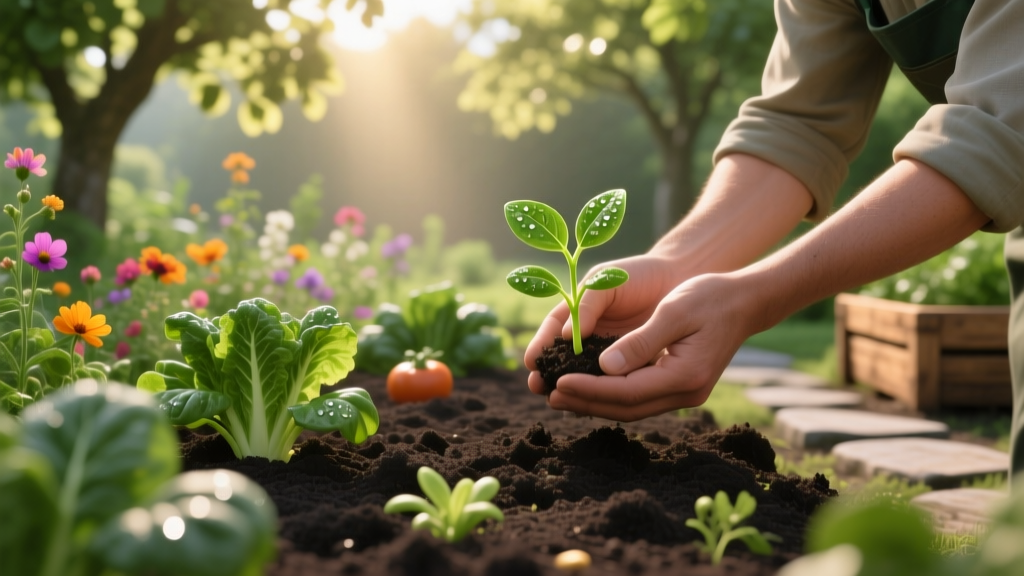
Natural Ways to Boost Your Garden's Health
Most “garden problems” aren’t pests or bad luck—they’re self-inflicted. The sneakiest mistake I see is feeding plants while starving the soil: quick fertilizer in, weak roots out, then you spend the rest of the season chasing pests, mildew, and weird yellow leaves. The fix isn’t complicated (or expensive), but it does require thinking like a soil microbe for a minute.
Below are the natural shortcuts that give the biggest payoff—stronger plants, fewer sprays, better harvests—using simple materials, good timing, and a few insider ratios that actually work in real beds and containers.
Start With Soil: The “Health” Part of Garden Health
Tip: Run a simple soil test before you add anything
If you’re guessing at nutrients, you’re basically gambling with your season. A basic lab soil test usually costs about $15–$30 and tells you pH, phosphorus, potassium, and often organic matter—so you don’t waste money adding what you already have. Many extension services recommend testing every 2–3 years, or yearly if you’re aggressively amending a new garden bed.
Real-world example: A gardener in North Carolina added composted poultry manure every spring “for nitrogen,” then wondered why tomatoes kept getting blossom-end rot. The soil test showed sky-high phosphorus (which can interfere with calcium uptake), and the fix was switching to leaf compost + gypsum only if needed, plus consistent moisture.
Tip: Aim for 2–3 inches of compost on top, not dug in
Top-dressing with compost mimics how forests build soil: layers accumulate, worms mix it, and microbes stay in their preferred oxygen zone. Spread a 2-inch layer over beds in spring (or fall) and let rainfall and soil life do the integrating. Digging compost in can break soil structure and disturb fungal networks you actually want.
DIY alternative: No finished compost? Use “chop-and-drop” (more on that below) plus a thin 1/2-inch sifted leaf mold layer as a starter blanket.
Tip: Use mulch like a thermostat—keep it 2–4 inches deep
Mulch isn’t decoration; it’s a moisture manager and heat buffer. Keep most beds at 2–4 inches of straw, shredded leaves, or wood chips, but pull mulch 2 inches away from stems to prevent rot and slug hiding spots. In hot spells, mulched beds can stay significantly cooler and reduce watering frequency because you’re cutting evaporation.
Real-world example: In a west-facing raised bed that baked every afternoon, switching from bare soil to 3 inches of shredded leaves stopped lettuce from bolting a full 10–14 days earlier than usual, simply because the root zone stayed cooler.
Tip: Match organic matter to your soil type (sand vs clay)
Clay soil needs “crumb structure,” not sand dumped in (which can turn into concrete). Compost + shredded leaves + time is the safe route for clay. Sandy soil needs consistent organic matter additions because it burns through carbon quickly—top-dress compost twice a year and keep it mulched year-round.
Specific shortcut: If you have heavy clay, add 1 inch compost plus 2 inches shredded leaves in fall; by spring the leaves partially break down and create pore space without you lifting a shovel.
Feed the Soil Food Web (So Plants Don’t Need Babysitting)
Tip: Brew “lazy compost tea” the safe way (no bubbler needed)
You don’t need a fancy aerator to get benefits—just don’t make a stinky anaerobic soup. Put 2 cups finished compost in a bucket with 2 gallons of water, stir hard, let it sit 12–24 hours, then strain and drench soil (not leaves) the same day. This gives a gentle microbial and nutrient boost without the risk of brewing pathogens for days.
Cost note: A 5-gallon bucket setup is typically under $10 if you don’t already have one, and it stretches a small amount of compost across a lot of plants.
Tip: Top-dress with worm castings only where it counts
Worm castings are great—but they’re pricey, so use them like a targeted supplement. Sprinkle 1/4 cup per transplant hole for tomatoes, peppers, and cucumbers, or scratch in a 1/2-inch ring around heavy feeders mid-season. You’ll see better root establishment without needing to buy bags for the whole bed.
Real-world example: One patio gardener stopped buying liquid fertilizer for containers by mixing 1/4 cup castings into each 12-inch pot at planting and again at first flowering—basil stayed lush and tomatoes held fruit better through heat waves.
Tip: Use eggshells correctly (hint: not as a quick calcium fix)
Crushed eggshells break down slowly; they’re more of a long-game calcium source and a soil conditioner than an emergency remedy. Rinse, dry, then grind them into a powder (a cheap coffee grinder helps) and add 1 tablespoon per planting hole or 1/4 cup per square foot in fall so they have time to integrate.
Shortcut: If you need faster calcium support for tomatoes, focus first on even soil moisture (mulch + consistent watering), because uneven watering is the most common driver of blossom-end rot—not a lack of calcium in the soil.
Tip: Grow your own fertilizer with a 4-week cover crop window
If you can spare a bed for 4–6 weeks, a quick cover crop can build fertility and improve soil texture. Buckwheat is a fast summer option; it shades weeds and adds organic matter when chopped before it sets seed. In cooler seasons, crimson clover adds nitrogen, but it needs more time.
Expert-backed note: Cover crops are a well-established method to protect and build soil; USDA-SARE resources detail how different cover crops contribute nitrogen, biomass, and weed suppression (SARE, 2020).
Water Smarter Without Saying “Water Regularly”
Tip: Do a 6-inch moisture check before you turn on the hose
Most overwatering happens because the surface looks dry. Stick your finger (or a trowel) down 6 inches: if it feels cool and slightly damp, wait. This one habit prevents root rot in containers and stops fungus-friendly wet conditions in garden beds.
Scenario: A gardener with droopy cucumbers watered daily and got powdery mildew early. The 6-inch check revealed the soil was already damp; switching to deeper, less frequent watering plus mulching cut mildew pressure and perked plants up within a week.
Tip: Use drip or soaker lines under mulch to cut disease
Wet leaves invite trouble, especially for tomatoes, squash, and cucumbers. Run a soaker hose or drip line under your mulch and water early in the day so the top growth stays dry. Many extension recommendations emphasize reducing leaf wetness duration to manage fungal diseases (University of Minnesota Extension, 2019).
Cost comparison: A basic 50-foot soaker hose often costs $15–$25, and it can replace years of “spray-and-pray” watering that wastes water and fuels disease.
Tip: Try a DIY olla substitute for thirsty containers
Ollas (buried clay pots) slowly release water right where roots need it. You can DIY a version by poking a few tiny holes in the sides of a clean plastic bottle, burying it next to a plant, and filling it every 2–3 days during heat. It’s not as elegant as terracotta, but it’s shockingly effective for peppers and eggplants in containers.
Specific setup: Use a 1-liter bottle for a 5–7 gallon pot; place it 3–4 inches from the stem and bury it so only the top is exposed.
Natural Pest and Disease Pressure Relief (Without the Panic Sprays)
Tip: Install “insectary strips” with 3 reliable flowers
Beneficial insects don’t show up just because you want them. Plant small clusters of sweet alyssum, dill, and calendula near veggies; these provide nectar and habitat for hoverflies, lacewings, and parasitic wasps that help with aphids and caterpillars. Put them at bed corners or every 4–6 feet along long rows.
Scenario: In a kale bed that got hammered by aphids every spring, adding alyssum along the edge reduced outbreaks enough that hand-spraying with water once a week was all that was needed—no soap, no neem.
Tip: Use soap spray only at the right dilution (and only when needed)
Insecticidal soap works on soft-bodied pests, but too strong can burn leaves, especially in heat. Mix 1–2 teaspoons of pure liquid castile soap per quart of water, spray at dusk, and test on a few leaves first. Avoid spraying open flowers to protect pollinators.
Money-saving note: A $6–$10 bottle of castile soap makes many quarts of spray—usually far cheaper than buying ready-to-use garden insect sprays.
Tip: Stop fungal issues by changing the “splash zone”
Soil splash is how a lot of leaf diseases start, especially on lower tomato leaves. Add mulch, prune the lowest leaves to keep them 8–12 inches off the soil, and water at the base. This combo breaks the cycle without needing routine fungicides.
Case example: A community garden plot with recurring early blight improved dramatically after pruning lower leaves, adding 3 inches of straw mulch, and switching from overhead watering to a soaker hose—plants stayed productive several weeks longer.
Tip: Use row cover like a “force field” early, then remove on bloom
Lightweight row cover prevents pests like flea beetles and cabbage moths from ever landing on your plants. Put it on right after planting and seal edges with boards or soil; remove when crops need pollination (like squash) or when flowering begins. This is one of the cleanest, zero-spray tools you can use.
Specific number: A 10 ft x 30 ft piece of lightweight row cover often runs $15–$25 and can last multiple seasons if stored dry.
“Healthy soil is a living ecosystem—when you support that ecosystem, plants are better able to tolerate stress and resist pests and diseases.” — USDA Sustainable Agriculture Research and Education (SARE, 2020)
Compost, Leaves, and “Garden Waste”: Turn Mess Into an Advantage
Tip: Make leaf mold in bags for a near-free soil upgrade
Leaf mold is basically decomposed leaves, and it’s gold for moisture retention and soil structure. Stuff damp leaves into black trash bags, poke a few holes, and let them sit 6–12 months in a shady spot. You’ll end up with a crumbly amendment that’s fantastic for clay or sandy soils—and it costs almost nothing.
Scenario: A gardener with compacted clay used bagged leaf mold as a 1-inch top-dress for two seasons; digging became noticeably easier, and spring puddling stopped in the worst spots.
Tip: Chop-and-drop for instant mulch (especially after pruning)
Instead of hauling plant trimmings away, chop healthy, non-diseased leaves and stems into 2–4 inch pieces and drop them under plants as mulch. It feeds soil life and saves time. Avoid using diseased tomato leaves or anything with mature seeds.
Real-world example: After pruning basil and leggy greens, chopping the trimmings under peppers reduced bare soil and kept moisture steadier—less wilting on hot afternoons.
Tip: Keep compost piles balanced with a simple 2:1 rule
Compost succeeds when “browns” (dry leaves, shredded cardboard) balance “greens” (fresh weeds, kitchen scraps). Aim for about 2 parts browns to 1 part greens by volume to reduce smell and speed breakdown. If your pile stinks, you likely need more browns and a quick turn for oxygen.
DIY shortcut: Shred cardboard with a basic paper shredder (often $40–$70) or rip it by hand and soak it—cardboard is an easy brown that many households have for free.
Natural Upgrades for Beds and Containers (Big Results, Small Effort)
Tip: Refresh container soil without dumping the whole pot
Reusing potting mix is fine if you recondition it. Each season, scrape off the top 3–4 inches, add fresh compost plus a handful of perlite (or pine bark fines), and mix gently. This saves money and prevents that exhausted, compacted container soil problem.
Cost comparison: Replacing all the soil in five 10-gallon containers can easily cost $50–$100 in bagged mix; refreshing with compost and aeration amendments often costs under $20.
Tip: Use biochar only if you “charge” it first
Biochar can help with nutrient holding, but raw biochar can temporarily tie up nutrients. Soak it in compost tea, fish emulsion, or mix it into compost for 2–4 weeks before adding to beds. Use modest rates—about 1–2 cups per square foot worked into the top few inches or mixed into compost top-dress.
Practical note: If you’re on a budget, skip biochar until you’ve nailed compost + mulch; those two usually deliver bigger gains for less cost.
Tip: Correct pH gently—small steps beat big swings
If your soil test shows low pH (too acidic), garden lime can help, but don’t guess. Follow the report’s recommended rate, then re-test in 6–12 months rather than dumping large amounts at once. For slightly alkaline soils, adding organic matter and using sulfur only when recommended is safer than fighting the soil with extreme changes.
Citation: Many land-grant extension soil management guides stress testing and careful amendment rates to avoid over-liming and nutrient lockout (e.g., Penn State Extension soil fertility resources, 2023).
Quick Comparison: Natural Methods That Look Similar (But Behave Very Differently)
| Goal | Method A | Method B | Best Use | Watch-outs |
|---|---|---|---|---|
| Boost soil fertility | Top-dress 2" compost | High-nitrogen fertilizer | Long-term bed health vs fast green growth | Fertilizer can push weak, pest-prone growth if overused |
| Reduce watering | 2–4" mulch + drip | Frequent shallow watering | Mulch/drip for steady moisture | Shallow watering builds shallow roots and increases stress |
| Fight aphids | Insectary flowers + rinse | Broad-spectrum sprays | Biological balance vs quick knockdown | Sprays can kill beneficial insects and cause rebound outbreaks |
| Upgrade texture | Leaf mold + compost | Add sand to clay | Safe structure-building | Sand + clay can worsen compaction if ratios are off |
Three “Fix-It Fast” Scenarios Gardeners Actually Deal With
Scenario: Tomato leaves yellowing early and fruit cracking
Yellowing plus cracking is often a moisture swing problem, not a mystery disease. Add 3 inches of mulch, water with a soaker hose for a longer run (think 30–60 minutes, depending on flow), and stop splashing the foliage. Prune lower leaves to reduce soil splash and stabilize the root zone so plants don’t yo-yo between drought and flood.
Scenario: Raised bed is “dead” and hard as a brick by midsummer
This usually happens when the bed is left bare and baked. Top-dress with 1–2 inches compost, then immediately cover with 3 inches shredded leaves or straw; if the surface is hydrophobic, water slowly to re-wet it before it runs off. Next season, add a quick buckwheat cover crop in any empty window longer than 4 weeks.
Scenario: Balcony containers dry out twice a day in heat
Go after evaporation, not your schedule. Add a 1-inch mulch layer (fine bark, shredded leaves, or even chopped straw), install a DIY bottle-olla, and refresh the top 3–4 inches of mix with compost to improve water holding. If possible, shift pots so they get morning sun and a little afternoon shade—this one move can cut water demand noticeably.
Natural Habits That Pay Off All Season (and Keep Paying Next Year)
Tip: Plant “living mulch” paths instead of bare dirt
Weed pressure often starts in pathways and edges, then moves into beds. Sow white clover or a low-growing mix in paths to reduce mud, feed pollinators, and add nitrogen over time. Keep it trimmed so it doesn’t compete with your veggies at the bed edge.
Tip: Rotate plant families with a simple 3-bin system
You don’t need a complicated chart—just avoid planting the same family in the same spot year after year. Use three groupings: (1) tomatoes/peppers/eggplant/potatoes, (2) brassicas like cabbage/kale, (3) legumes and everything else. This reduces disease carryover and balances nutrient demand with minimal planning.
Tip: Keep a “one-minute log” so you stop repeating the same problems
The fastest gardeners I know aren’t doing more work—they’re making fewer repeated mistakes. Once a week, write down three things: what you planted, what looked stressed, and what you changed (mulch added, hose time adjusted, pests spotted). Next season, that little list saves hours because you’ll know exactly what worked in your microclimate.
If you steal only one idea from this: feed the soil, then protect it with mulch. Compost on top, water at the roots, keep leaves dry, and recruit beneficial insects with a few strategic flowers. That’s the low-effort combo that makes gardens look like you’re doing twice as much work as you really are.
Sources: USDA Sustainable Agriculture Research and Education (SARE), 2020; University of Minnesota Extension, 2019; Penn State Extension soil fertility resources, 2023.