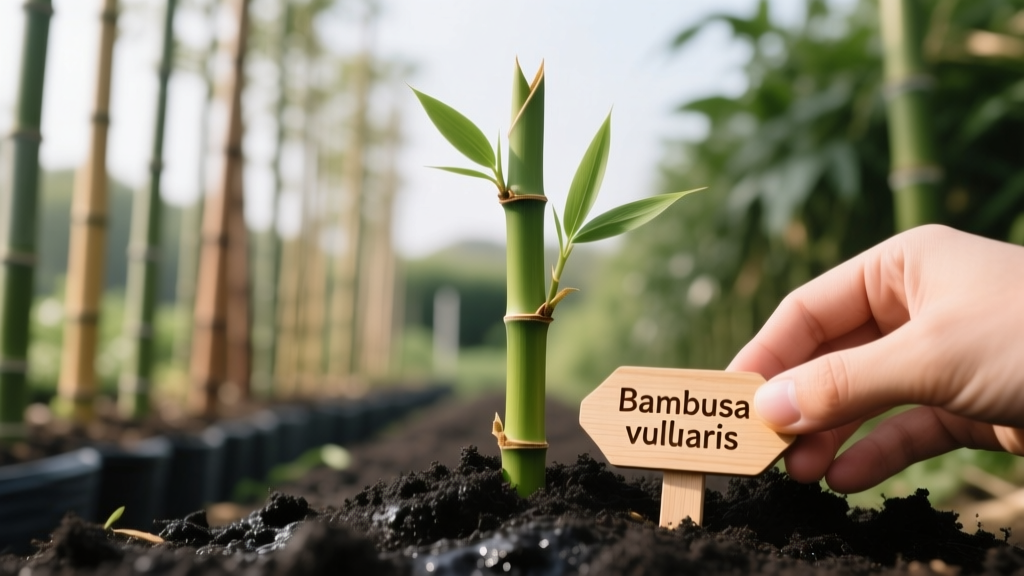
How to Label Bamboo Varieties in the Garden
You plant a “clumping bamboo” from a nursery pot, admire it for two summers, and then—somewhere around year three—new shoots pop up 12 feet away on the other side of the fence. Now your neighbor is asking what you planted, you’re trying to figure out if it’s really a clumper, and the plant tag is long gone. That moment is when most gardeners learn the hard way: bamboo without good labeling becomes a mystery fast, and mysteries are expensive to fix.
Labeling bamboo varieties isn’t just about organization. It affects how you water, how you feed, how you contain spread, and how you troubleshoot problems. A bamboo labeled “Fargesia” (clumping) gets handled very differently than “Phyllostachys” (running). The good news: once you set up a solid labeling system, bamboo becomes one of the easiest plants to manage long-term.
This guide shows you a practical, durable way to label bamboo varieties in the garden—plus the care basics (water, soil, light, feeding) and the common problems that labeling helps you solve. I’ll also share real-world scenarios I’ve seen in home gardens where one missing label turned into years of guesswork.
Start with the label system (before you think about plant tags)
A bamboo label that fades in 6 months isn’t a label—it’s litter. You need a system that survives sun, irrigation, freezing, and weed-whacker accidents. I use a layered approach: one visible label for quick ID, and one “backup” record you can’t lose.
The minimum information your bamboo label should include
- Genus + species (example: Phyllostachys aurea)
- Cultivar name if known (example: ‘Alphonse Karr’)
- Type: Running or clumping
- Source + year planted (example: “Bamboo Garden nursery, 2024”)
- Notes: height expectations, sun tolerance, or barrier installed
If you only do one thing, label “running vs clumping” in plain English. That single detail changes everything—especially irrigation layout and containment.
Durable labeling materials that actually last
Here are options I’ve tested or seen hold up in real gardens (full sun, sprinklers, winter freezes):
- Aluminum tags stamped or engraved (best longevity; 10+ years is normal)
- UV-stable plastic tags written with a paint pen (often 2–5 years, depending on sun)
- Stainless steel tags with etched lettering (excellent, but pricier)
- Label stake + buried backup tag (a second tag buried 2–3 inches near the crown as insurance)
Avoid regular “permanent marker” on plastic tags. In my experience, it starts fading within 6–18 months in full sun.
Where to place bamboo labels so they don’t disappear
Bamboo culms move in the wind, leaves drop, and canes get thinned. Labels tied to a cane get lost when you prune. Instead:
- Place the main label on a short stake 6–10 inches from the clump or planting center.
- Angle the stake slightly outward so it’s readable without stepping into the root zone.
- If it’s a running bamboo, place the label inside the barrier ring so it stays with the plant if you ever trench or edge.
- Add a backup record: a garden map, phone note, spreadsheet, or a QR code tag that links to your plant list.
Why labeling changes bamboo care (watering, feeding, containment)
Bamboo care is not one-size-fits-all. Labeling keeps you from accidentally treating a drought-tolerant clumper like a thirsty runner—or vice versa. It also keeps you from feeding at the wrong time and pushing weak, floppy growth.
“Accurate identification is the first step in responsible bamboo management—especially distinguishing running species from clumping species.” — American Bamboo Society, Species Guidance (2023)
That’s not just theory. In practice, correct ID prevents the two biggest homeowner headaches: surprise spreading and chronic leaf stress from mismatched watering.
Watering: label-driven rules that prevent stress (and runaway spread)
Bamboo is grass, and grasses respond fast to moisture changes. Your label should tell you whether you’re managing a clump that expands slowly, or a runner that will sprint toward a wet lawn.
How much water bamboo needs (and when)
For most established bamboos in the ground, a solid baseline is 1 inch of water per week during active growth, adjusted for heat and soil type. Newly planted bamboo needs more consistency.
- New plantings (first 8–12 weeks): water 2–3 times per week, soaking the root zone.
- Established clumping bamboo: deep water every 7–10 days in warm weather if there’s no rain.
- Established running bamboo: water every 5–7 days in warm weather; runners often show stress sooner in sandy soils.
During heat waves above 90°F, you may need to increase frequency—especially for container bamboos, which can dry out in 24–48 hours.
These numbers align with general irrigation principles promoted by university extension recommendations for woody ornamentals and landscape plantings (University of California Agriculture and Natural Resources, Irrigation Management publication, 2020).
Scenario 1: The “mystery bamboo” planted near the lawn
A very common case: someone plants an unlabeled bamboo 6 feet from turf. The lawn sprinklers run 3–4 times a week. If the bamboo is a runner, it will follow that moisture line and send rhizomes straight into the irrigated zone. Suddenly shoots appear in the lawn, under a deck, or by the neighbor’s fence.
What labeling would have changed: If the label said “running,” you would either install a barrier at planting or place it in a contained bed with controlled irrigation. You’d also avoid overwatering the surrounding area.
Soil: what to write on the label (and what to do in the bed)
Bamboo is adaptable, but it grows best in soil that holds moisture while still draining well. Your label is a good place to note the one soil fact you tend to forget later: did you amend the planting area, and with what?
Soil texture and drainage targets
- Best general soil: loam or amended clay with good structure
- Drainage rule of thumb: water should soak in; avoid puddles lasting more than 24 hours
- Mulch depth: 2–4 inches of wood chips or shredded bark over the root zone (keep 2 inches away from culms)
Bamboo roots and rhizomes live in the top layer of soil. Mulch is not optional if you want vigorous, good-looking plants—especially in hot, dry summers.
Scenario 2: The clumper that “never grows”
I’ve seen many Fargesia clumps stall for years because they’re planted in compacted soil (often next to new construction). The plant isn’t dead—it’s just stuck.
Symptoms: short shoots, thin culms, leaves that look sparse even with watering.
Fix:
- Top-dress with 1–2 inches of compost in spring.
- Maintain 3 inches of mulch year-round.
- Avoid deep digging around the clump; instead, improve soil from the top down.
Label note to add: “Compacted site; compost top-dress yearly.” It’s a small reminder that keeps you consistent.
Light: labeling sun tolerance so you don’t cook the wrong bamboo
Sun exposure is one of the most important details to record. Some bamboos handle full sun beautifully; others scorch and look ragged all summer.
Practical light guidelines by bamboo group
- Many running bamboos (Phyllostachys): best in full sun to part sun (at least 6 hours is ideal for strong culms).
- Many clumping bamboos for screening (Fargesia): prefer part shade, especially where summers get hot; afternoon shade can prevent leaf curl.
Label tip: write the actual exposure you planted into (“AM sun/PM shade,” “full sun 8+ hrs”) because “part shade” means different things in different yards.
Scenario 3: The bamboo that looked fine… until the heat dome
A homeowner plants a shade-tolerant clumping bamboo on the west side of the house. It’s okay for two mild summers. Then a string of 95–100°F days arrives and the plant looks like it’s dying—leaf roll, crispy tips, and a dull gray-green cast.
What labeling would have changed: If the label included “prefers PM shade,” you’d have placed it differently or planned shade cloth for extreme heat weeks.
Feeding: simple fertilizer timing that matches bamboo growth
Bamboo responds quickly to nitrogen, but too much at the wrong time can cause weak culms or winter damage. The label is a handy place to note your feeding schedule so you don’t double-apply.
When to fertilize
- Early spring: feed as shoots start to emerge (often when soil warms and days lengthen).
- Early summer: a second, lighter feeding if growth looks pale or thin.
- Avoid late-season nitrogen: stop by about mid- to late summer so growth can harden before cold weather.
For many home gardens, a balanced slow-release fertilizer works well. If you prefer a specific number, a common approach is a lawn-type analysis (higher nitrogen), used carefully and watered in.
Cold hardiness and growth timing matter. Many clumping bamboos used for privacy in cooler climates are sensitive to heat stress and benefit more from mulch and steady moisture than heavy fertilizer. Guidance on bamboo cultivation and spread management is also emphasized by extension-style resources focused on invasive potential and species selection (University of Maryland Extension, invasive bamboo management guidance, 2022).
How much fertilizer (practical home-garden ranges)
Because products vary, follow your label, but here are safe, workable ranges:
- Compost: 1–2 inches top-dressed once per year (spring)
- Slow-release granular: apply at the low end of the bag rate for shrubs, once in spring; optionally repeat at half-rate in early summer
Label note to add: “Fed spring only” (or “spring + early summer half-rate”). It keeps you honest when you’re fertilizing the rest of the garden.
Comparison: label methods that hold up (and which ones fail)
Here’s a quick comparison of common labeling approaches I see in home gardens. I’m including real-world durability and cost ranges so you can choose once and be done.
| Label method | Typical lifespan in full sun | Approx. cost per plant (USD) | Best use | Main failure mode |
|---|---|---|---|---|
| Plastic nursery tag + permanent marker | 0.5–1.5 years | $0.10–$0.50 | Temporary ID during planting | Ink fades; tag becomes brittle |
| UV plastic tag + oil-based paint pen | 2–5 years | $0.50–$1.50 | Most home gardens | Wear from sun; writing rubs off if scraped |
| Stamped aluminum tag on stake | 10+ years | $1.50–$4.00 | Long-term collections; bamboo screening lines | Tag can bend if hit; stake can loosen |
| QR code tag linked to plant list | 2–7 years (depends on material) | $1.00–$5.00 | Gardeners who like records/photos | Code fades; link not maintained |
Method A vs Method B: a practical data-based pick
If you’re deciding between paint-pen plastic (Method A) and stamped aluminum (Method B), here’s the grounded take:
- Method A cost: about $1 per plant; expect replacement about every 3 years in harsh sun.
- Method B cost: about $3 per plant; typically lasts 10+ years.
Over a 10-year period, Method A can cost about $3–$4 per plant (replacing 3 times), plus your time. Method B is usually a one-and-done purchase. For bamboo—where correct ID saves real labor—Method B is my pick for any planting you expect to keep.
Common problems that labeling helps you solve (fast)
Bamboo problems often look similar: yellowing, leaf curl, thin culms, poor shooting. Without a label, you’re guessing at sun tolerance, spread habit, and cold hardiness. With a label, you troubleshoot in minutes.
Troubleshooting: leaf curl and crispy tips
Likely causes: drought stress, hot afternoon sun on shade-tolerant types, windy exposure, or container dryness.
What to do:
- Check soil moisture 4–6 inches down. If dry, deep water.
- Add or refresh 3–4 inches of mulch.
- If it’s a Fargesia (label tells you), give afternoon shade or use shade cloth during 90°F+ stretches.
- For containers, water until it runs out the drainage holes; recheck the next day in hot weather.
Troubleshooting: yellow leaves (especially older leaves)
Likely causes: normal leaf turnover, nitrogen deficiency, soggy soil, or chlorosis from high pH water/soil.
What to do:
- If new growth is green and only older leaves yellow, it may be normal seasonal shedding.
- If the whole plant looks pale, feed lightly in spring and top-dress compost.
- If soil stays wet longer than 24 hours, improve drainage and stop frequent irrigation.
Troubleshooting: shoots coming up outside the bed
Likely cause: running bamboo without containment, or a barrier that’s too shallow or has gaps.
What to do right now:
- Cut unwanted shoots at ground level immediately.
- Use a sharp spade to sever rhizomes along the bed edge.
- Trace the rhizome back and remove sections you can reach.
Prevent it next season:
- Install a proper root barrier if you keep the plant, and note it on the label (“Barrier installed 2026”).
- Do a rhizome inspection/trenching pass 2 times per year (late spring and late summer is a workable schedule in many climates).
Troubleshooting: weak, floppy culms
Likely causes: too much shade for sun-loving varieties, overfeeding nitrogen, or inconsistent watering during shoot formation.
Fix:
- Confirm the variety and preferred light on your label; if it’s a sun bamboo in shade, consider thinning overhead canopy or relocating.
- Cut back on nitrogen; focus on compost and mulch instead.
- Water consistently during the shooting period—don’t let it swing from dry to soaked.
Labeling bamboo in containers vs in-ground plantings
Containers are easier to label (the pot is your billboard), but harder to keep evenly watered. In-ground bamboos are the opposite: stable moisture, but labels get buried or knocked loose.
Container bamboo labeling tips
- Use a tag tied to the pot handle or a dedicated stake tucked inside the pot rim.
- Add a second label under the pot lip or taped inside (hidden backup).
- Note pot size on the label (example: “Planted into 20-gallon container, 2025”). That helps later when you’re diagnosing water stress.
In-ground bamboo labeling tips
- Use a stake label plus a garden map entry.
- For running bamboo, place the label near the barrier seam so you can inspect that point yearly.
- If you share divisions with friends, copy your label details to them—half the “mystery bamboo” problem comes from swapped plants.
A simple recordkeeping routine that keeps bamboo from becoming a guessing game
You don’t need fancy software. You need consistency. Here’s a routine that takes about 10 minutes per bamboo planting and saves hours later:
- Create the physical label with genus/species, running/clumping, year, and source.
- Snap 3 photos: full plant, close-up of culm, and close-up of label.
- Record location: “North fence, 8 ft east of gate” or a quick map sketch.
- Add care notes: “PM shade,” “barrier installed,” “mulch refreshed each spring.”
If you inherit bamboo with no label, start a “best ID” label now (“Unknown Phyllostachys?”) and add notes as you observe: shoot timing, culm color, and whether new shoots appear far from the base. Even an “unknown” label is better than none—it signals you to manage cautiously.
Bamboo is a long-term plant. Treat it like you treat fruit trees: label it like you plan to still care what it’s called in 10 years. Once the tags are durable and your notes are simple, the rest is straightforward—water steadily, mulch generously, feed lightly at the right time, and let the label remind you what kind of bamboo you’re actually standing in front of.