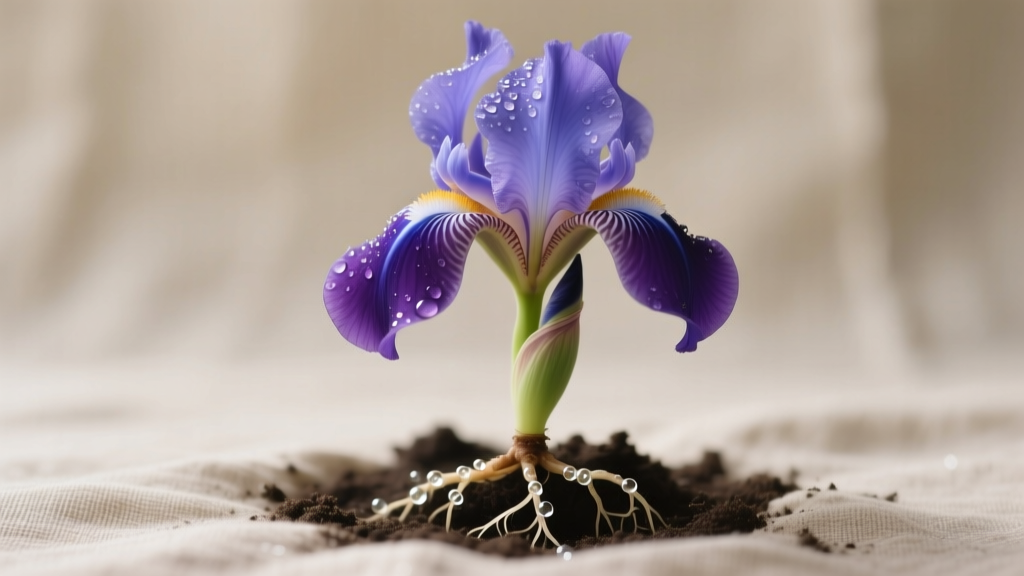
Hydrogen Peroxide Root Treatment for Irises
You dig up an iris clump that used to bloom like clockwork, and instead of crisp, firm rhizomes you find brown mush, a sour smell, and roots that pull off like wet threads. If you’ve ever had that “what did I do wrong?” moment, you’re in good company. Irises are tough—until they sit too wet, get buried too deep, or pick up a soft-rot infection. That’s where hydrogen peroxide can earn its keep: not as a miracle potion, but as a practical, targeted tool for cleaning up rot, oxygenating the root zone, and resetting a planting that’s headed downhill.
I’ll walk you through when peroxide helps (and when it doesn’t), how to mix it safely, and how to adjust watering, soil, light, and feeding so you’re not fighting the same battle again next month.
When hydrogen peroxide makes sense (and when it’s a waste of time)
Hydrogen peroxide (H2O2) breaks down into water and oxygen. That extra oxygen can temporarily discourage anaerobic, rot-friendly conditions and can help clean up compromised tissue during triage. It’s most useful as a one-time or short-run treatment when you’re correcting the underlying issue (usually drainage, planting depth, or damage).
Use it when you see:
- Soft, smelly rhizome tissue (often bacterial soft rot) starting at a cut, borer hole, or overly wet spot
- Roots that are brown/black and sloughing off after a stretch of rainy weather or overwatering
- New divisions that you want to disinfect after trimming away rot
Skip it when:
- Your irises are healthy but just not blooming (that’s usually light, overcrowding, nitrogen, or planting depth)
- You’ve got iris borer damage without addressing the insect—peroxide won’t stop larvae
- The rhizome is mostly mush (there’s nothing to “save”; you need clean divisions or replacement)
One important safety note: home gardeners should stick to 3% pharmacy hydrogen peroxide. Stronger concentrations (like 12% or 35% food-grade) can burn tissue and are hazardous to handle.
Quick reality check: most “root rot” is a growing-condition problem
Irises, especially bearded types, want their rhizomes on the dry side with plenty of air movement. Plant them like perennials that hate soggy feet. When a planting stays wet, oxygen drops in the root zone, and opportunistic pathogens move in fast.
University Extension guidance consistently emphasizes drainage and sun as the backbone of iris health. For example, Clemson University’s Home & Garden Information Center notes that bearded iris perform best in full sun with well-drained soil and warns against overwatering (Clemson Cooperative Extension, 2020). Similarly, the University of Minnesota Extension stresses that many common garden problems worsen in poorly drained soils and that improving drainage is often the real fix, not repeated treatments (University of Minnesota Extension, 2022).
Hydrogen peroxide mixing rates: what I actually use in the garden
For irises, you’ll see a lot of internet recipes. Here are rates that are both conservative and practical for home use with 3% hydrogen peroxide.
Option A: Root/rhizome dip (best for dug divisions)
- Mix: 1 part 3% hydrogen peroxide to 2 parts clean water
- Soak time: 10 minutes
- Then: rinse with water, let cut surfaces dry/callus for 24 hours in bright shade with airflow before replanting
This dip is my go-to after I’ve trimmed away soft rot with a clean knife. It’s not meant to “heal” tissue; it’s meant to reduce surface pathogen load and buy you time while the rhizome dries and seals.
Option B: Soil drench (best for plants still in the ground)
- Mix: 1 cup (240 ml) of 3% hydrogen peroxide in 1 gallon (3.8 L) of water
- Apply: 2–4 cups (0.5–1 L) of solution per plant, poured slowly around the root zone
- Frequency: once, then reassess in 7 days; do not make this a weekly habit all season
A drench helps when the crown/root zone has been waterlogged and smells “off,” but it only works if you fix the conditions. If the bed stays wet, you’ll be right back where you started.
Option C: Spot flush for a cut or small rot pocket
- Use: undiluted 3% hydrogen peroxide
- How: drip or pour a small amount directly into a cleaned-out rot cavity
- Then: allow to fizz, blot dry, and dust lightly with sulfur or leave open to air
This is “surgery day” care. Don’t soak the whole plant in undiluted peroxide—target the problem area only.
“Soft rot organisms thrive where oxygen is limited. The long-term correction is improving drainage and keeping rhizomes from staying wet.” — University Extension plant pathology guidance summarized from common recommendations (University of Minnesota Extension, 2022)
Step-by-step: treating a rotting iris rhizome with peroxide
This is the exact workflow I use when I’m trying to save a named cultivar or a sentimental clump.
- Choose a dry day. If possible, work when daytime temps are around 60–80°F (16–27°C) so tissue dries readily.
- Lift the plant. Use a fork, not a shovel, so you don’t spear the rhizomes.
- Wash and inspect. Rinse soil off so you can see damage clearly.
- Cut out rot. With a sanitized knife, remove all soft, brown, smelly tissue until you reach firm, clean white/cream rhizome.
- Trim roots. Remove black, mushy roots; keep firm, pale roots. If most roots are gone, that’s okay—irises can re-root when conditions improve.
- Peroxide dip. Soak in the 1:2 peroxide-to-water mix for 10 minutes.
- Dry and callus. Set the division in bright shade with good airflow for 24 hours.
- Replant shallow. Set the rhizome so the top is at or slightly above soil level; roots spread down. Don’t bury it like a tulip bulb.
- Water once to settle. Give a gentle watering, then let the bed dry down.
If you’re in a humid climate or your soil is heavy, don’t be shy about replanting on a slight mound or raised bed. Half the “peroxide success stories” are really “finally planted it high and dry.”
Watering: the routine that prevents rot from coming back
Irises don’t want constant moisture. They want a thorough drink, then time to dry. Overhead watering isn’t automatically bad, but wet rhizomes + warm weather is a classic setup for soft rot.
Practical watering targets
- New divisions (first 2–3 weeks): water lightly every 3–4 days if there’s no rain, just enough to keep the root zone from turning to dust
- Established clumps: water deeply about every 7–10 days during dry spells
- Stop “routine watering” in rainy periods. If the top 2 inches (5 cm) are still moist, wait.
One trick I trust: if you can press your finger into the soil near the rhizome and it feels cool and damp at 2 inches (5 cm), don’t water. If it’s dry and crumbly, water.
Soil and drainage: the real root treatment
If your iris bed holds water, peroxide is a temporary bandage. Drainage is the cure.
Soil texture and amendments that actually help
- Ideal: loose, well-drained loam with organic matter, but not a peat bog
- Heavy clay fix: build up a raised area 4–6 inches (10–15 cm) using a mix of native soil plus compost (not straight compost)
- Avoid: burying rhizomes under thick mulch; keep mulch pulled back so the rhizome “shoulders” stay dry
If you’re reworking a bed, aim for a site that sheds water. Even a gentle slope helps. Bearded irises especially hate sitting in a low spot where downspout water ends up.
Light: if it’s not sunny enough, you’ll keep fighting disease and weak growth
Irises bloom best and dry fastest in strong sun.
- Bearded iris: target 6–8 hours of direct sun daily
- Siberian/Japanese iris: tolerate more moisture and a bit more shade, but still bloom better with plenty of light
When gardeners tell me, “My irises rot every year,” I ask about two things first: how wet is the site, and how much sun hits the rhizomes? A shadier bed stays wet longer, and that’s when problems snowball.
Feeding: how to fertilize without encouraging rot
Too much nitrogen pushes soft, lush growth that’s easier to rot and flop. Irises prefer modest feeding.
A simple feeding schedule
- Early spring: a light application of a balanced fertilizer like 5-10-10 or similar, scratched into the soil around (not on) the rhizome
- After bloom: another light feeding if your soil is poor or plants are weak
- Avoid: high-nitrogen lawn fertilizer drifting into iris beds
If you mulch with compost, go easy—compost is great, but piling it over rhizomes keeps them moist. Think “soil improvement,” not “blanket coverage.”
Comparison: peroxide vs bleach vs no treatment (what changes in practice)
Gardeners often ask if bleach is better. Bleach disinfects, but it’s harsher, and it’s easy to overdo. Peroxide is gentler and adds oxygen as it breaks down, but it doesn’t replace clean cuts and dry conditions.
| Method | Typical Home Mix | Contact Time | Best Use Case | Risk to Plant Tissue |
|---|---|---|---|---|
| Hydrogen peroxide (3%) dip | 1 part peroxide : 2 parts water | 10 minutes | After trimming rot on divisions | Low to moderate (if over-soaked) |
| Hydrogen peroxide soil drench | 1 cup per 1 gallon water | N/A (soaks through soil) | Waterlogged bed triage while fixing drainage | Low (when used occasionally) |
| Bleach dip | ~10% household bleach solution (varies by label) | 1–2 minutes | Tool/bench disinfection; occasional plant surface disinfection | Moderate to high (easy to burn tissue) |
| No disinfectant (dry/callus only) | None | 24 hours drying | Clean, healthy divisions with no rot | Lowest |
My practical take: peroxide is a good middle path for home gardeners—effective enough for cleanup, forgiving enough that a small measuring mistake doesn’t ruin the plant.
Three real-world scenarios (and what I’d do)
Scenario 1: After two weeks of rain, the bed smells sour and leaves yellow
Symptoms: yellowing fans, softening at the rhizome shoulder, soil staying wet for days.
What works:
- Stop watering immediately; pull mulch back from rhizomes.
- Improve airflow: remove dead leaves and weeds crowding the clump.
- Apply a one-time soil drench (1 cup 3% peroxide per 1 gallon water), then focus on drainage—raise the planting area 4–6 inches if needed.
What doesn’t: repeating drenches every few days while the bed remains soggy.
Scenario 2: You divided irises and noticed a small rot pocket on one rhizome
Symptoms: one soft spot, otherwise firm rhizome; maybe a minor injury from digging.
What works:
- Cut out the pocket until clean tissue shows.
- Spot flush with undiluted 3% peroxide right in the cavity.
- Let it dry and callus for 24 hours before planting.
Tip: label and plant that division in your “easy monitoring” spot so you can keep an eye on it.
Scenario 3: A long-established clump stopped blooming and the center is crowded
Symptoms: lots of leaves, few flowers; rhizomes piled on each other; dampness trapped under the mass.
What works:
- Lift the whole clump and keep the vigorous outer rhizomes.
- Discard old, exhausted centers (they often harbor problems).
- Only use peroxide if you see rot; otherwise, focus on spacing divisions 12–18 inches (30–45 cm) apart and keeping rhizomes shallow.
Common problems: symptoms and fixes you can do today
Soft rot (bacterial) — the classic “mushy rhizome” problem
Symptoms: foul odor, watery brown tissue, leaves collapsing at the base.
Fix:
- Dig and isolate affected rhizomes.
- Cut away all soft tissue; sanitize your knife between cuts.
- Peroxide dip (1:2 mix) for 10 minutes.
- Dry 24 hours; replant shallow in improved drainage and sun.
Root rot from chronic wet soil
Symptoms: weak growth, yellowing, roots dark and sparse; rhizome may still be firm early on.
Fix:
- Correct the site: raise bed, reduce irrigation, redirect runoff.
- One soil drench can help reset the root zone, but only once or twice total.
- Recheck soil moisture at 2 inches (5 cm) before watering.
Iris borer damage (peroxide won’t solve the insect)
Symptoms: ragged leaf streaking, mushy tunnels in rhizomes, sudden collapse; you may find a pinkish larva.
Fix:
- Cut out and destroy tunneled sections.
- Clean up old foliage in fall; many borers overwinter in debris.
- Use peroxide only after you’ve removed damaged tissue, as a cleanup step.
Not blooming
Symptoms: healthy leaves, no flower stalks.
Fix:
- Increase sun to 6–8 hours.
- Divide overcrowded clumps; replant with rhizomes at soil surface.
- Avoid high nitrogen; use a modest 5-10-10 feeding.
Troubleshooting peroxide treatments (so you don’t trade one problem for another)
Symptom: leaf tips brown a few days after treatment
- Likely cause: solution too strong or repeated drenches stressing roots
- Fix: flush with plain water once (if soil is draining well), then stop treatments and let the bed dry slightly between waterings
Symptom: rhizome continues to soften even after cutting and dipping
- Likely cause: rot wasn’t fully removed, or conditions are still wet/crowded
- Fix: recut to clean tissue, dry longer, and replant in a higher, sunnier spot; if more than half the rhizome is compromised, discard it
Symptom: fizzing happens, but plant doesn’t improve
- Likely cause: peroxide is reacting with organic material, but drainage/light issues remain
- Fix: treat peroxide as a one-time assist; focus on drainage changes (raised bed, spacing, mulch pulled back)
Timing: the best windows for lifting, treating, and replanting
For many home gardens, the easiest success comes from working after bloom when plants are actively growing but not pushing flowers. A common division window is mid- to late-summer; you’ll often see recommendations around 6–8 weeks after blooming so plants can re-root before cold weather. If you’re dealing with active rot, don’t wait—triage when you discover it.
Also pay attention to temperature: treatments and drying are easier when days are warm and nights aren’t soaking everything in dew. If you’re stuck in a wet spell, even a covered, airy spot like a porch can help divisions dry for that 24-hour callus period.
Two citations worth keeping on your radar
When you want regionally appropriate advice (especially on disease pressure and timing), Extension sources are reliably practical:
- Clemson Cooperative Extension, Home & Garden Information Center. Iris culture recommendations emphasizing sun and well-drained soil (2020).
- University of Minnesota Extension. Plant disease and soil moisture guidance emphasizing drainage and oxygen in the root zone (2022).
Those points line up with what you’ll see in real gardens: peroxide can help you clean up a mess, but the long-term win comes from a sunnier, drier planting with rhizomes that can breathe.
If you take nothing else from this: keep iris rhizomes shallow, keep them in the sun, and don’t let them sit wet. Use hydrogen peroxide like you’d use a disinfectant in the potting shed—carefully, occasionally, and always paired with the real fix.