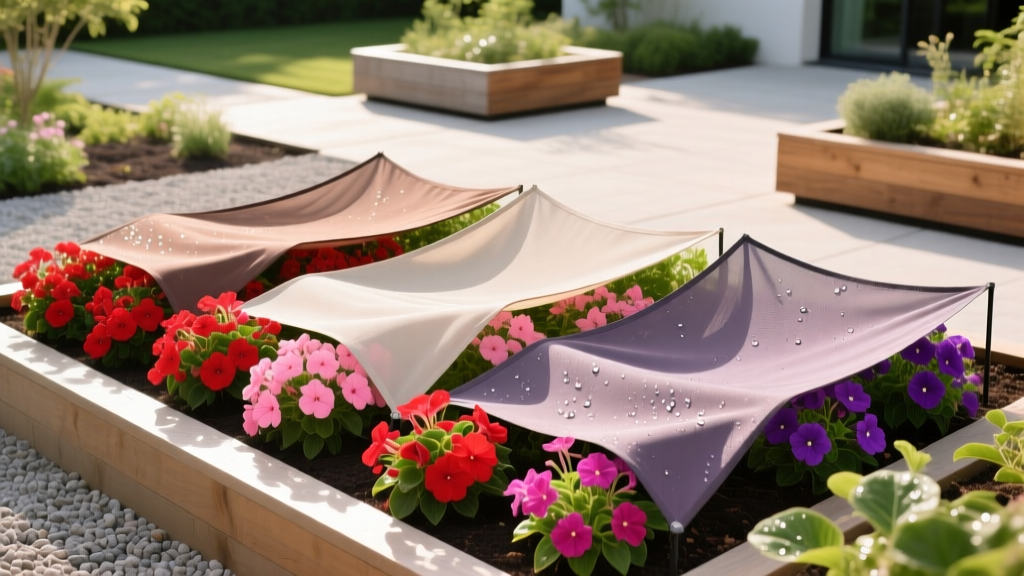
Shade Cloth Options for Impatiens in Summer
It happens fast: your impatiens look perfect in June, then a single hot week in July turns them into a crispy, sulking mess. You water more, they still melt by 2 p.m., and the flowers stop. The surprise for a lot of home gardeners is that the problem often isn’t “not enough water”—it’s too much sun and heat on the leaves and roots. In many yards, summer light is stronger than the “part shade” label suggests, especially near reflective siding, concrete, or a south-facing wall.
Shade cloth is one of the most reliable tools I know for keeping impatiens blooming through summer. Used correctly, it reduces heat stress, slows soil drying, and can prevent that daily wilt cycle that weakens plants. Used incorrectly, it can create a humid, stagnant pocket that invites disease. This guide will help you pick the right shade cloth, hang it the right way, and adjust watering, soil, and feeding so your impatiens stay lush and floriferous.
Getting the light right: what impatiens actually need in summer
Impatiens (especially common bedding impatiens, Impatiens walleriana) perform best with bright, filtered light and protection from harsh afternoon sun. New Guinea impatiens handle more sun, but they still appreciate relief during heat waves. The tricky part is that “shade” changes hour by hour—morning sun is gentle, late-day sun is brutal.
Target conditions (practical numbers)
- Ideal air temperature range for steady bloom: about 60–85°F. When daytime highs push 90°F+, stress symptoms ramp up quickly.
- Best sun exposure: 2–4 hours of morning sun, then bright shade or filtered light.
- Container root zone caution: pots in sun can heat above 100°F even when air temps are lower—one reason container impatiens crash so suddenly.
Impatiens are famously thirsty, but they’re also shallow-rooted and sensitive to hot, drying wind. Shade cloth helps because it reduces solar intensity and leaf temperature, and it lowers evaporative demand. If you’ve ever noticed impatiens perk up at dusk even when the soil wasn’t bone-dry, you’ve seen heat stress in action.
Research and extension guidance routinely recommend using shade to reduce heat load on shade-loving bedding plants. For example, North Carolina State University Extension notes impatiens grow best in partial shade and benefit from protection from hot afternoon sun (NCSU Extension, 2023). The University of Minnesota Extension also emphasizes matching light level to the plant to reduce stress and disease pressure in ornamentals (University of Minnesota Extension, 2022).
Shade cloth basics: percentages, colors, and what they mean
Shade cloth is sold by “percent shade” (how much light it blocks). Higher numbers = more shade. For impatiens in summer, you’re generally looking at 30% to 60%, depending on your climate and exposure.
Best shade cloth percentages for impatiens (rule of thumb)
- 30–40% shade: Good for New Guinea impatiens, bright sites with morning sun only, or cooler summer climates.
- 40–50% shade: My most-used range for mixed impatiens beds that get midday brightness and a little late-day sun.
- 50–60% shade: Useful for brutal exposures (south/west walls, reflective patios) and for containers that overheat.
- 70%+ shade: Usually too dark for strong blooming—plants may stretch, flower less, and stay wet longer.
Color and material: knit vs. woven, black vs. aluminized
Knit shade cloth (often polyethylene) is the standard for gardens because it doesn’t unravel when cut and handles wind better. Woven cloth is stronger but frays and can be a nuisance for DIY setups.
- Black knit: Durable, affordable, easy to find. It absorbs heat, but still reduces leaf scorch because it blocks radiation.
- Aluminized/reflective: Reflects more heat and can drop leaf temperature noticeably in high sun. It costs more, but in very hot climates it can be worth it.
- White: Reflects light and can keep the space brighter under the cloth; sometimes increases legginess less than black at the same shade %.
Comparison table: common shade cloth options for summer impatiens
| Shade cloth option | Shade rating | Best use case | What you’ll notice | Watch-outs |
|---|---|---|---|---|
| Black knit polyethylene | 40% | Most beds with morning sun + bright afternoon shade | Less midday wilt; steady bloom with normal feeding | May still be too bright for west-facing heat pockets |
| Black knit polyethylene | 50% | Patios, foundation plantings, containers on hot surfaces | Noticeably cooler roots; fewer scorched leaves | Can hold moisture longer—adjust watering schedule |
| Reflective/aluminized knit | 40–50% | Hot inland climates; sites with reflective glare | Better heat relief at the same shade level | Higher cost; glare can be bright near seating areas |
| Temporary “floating” row cover (not true shade cloth) | Varies (often 10–30%) | Short heat wave protection for a few days | Quick relief, easy to throw over stakes | Traps humidity; can worsen foliar disease if left on |
Real-world scenarios: picking the right setup for your yard
Shade cloth isn’t one-size-fits-all. Here are three situations I see constantly, with what actually works.
Scenario 1: West-facing porch pots that wilt daily
These are the “2 p.m. collapse” containers—usually dark pots sitting on concrete. The potting mix is fine at 9 a.m., and bone-dry by late afternoon. Here’s what works:
- Use 50–60% shade cloth from about 1 p.m. to 6 p.m. (or all day during heat waves).
- Lift pots off concrete with pot feet or a scrap of lumber to reduce heat transfer.
- Water early morning, and check again at 4–5 p.m. during 90°F+ weeks.
Scenario 2: A bed under a tree that’s “shade” until the sun angle changes
Under a canopy, impatiens can be happy—until midsummer when the sun slants in and suddenly the bed gets a blast of late-day light. You don’t need deep shade cloth here; you need a little buffering.
- Try 30–40% shade cloth stretched on a simple hoop or frame to block that low-angle sun.
- Keep cloth at least 12–18 inches above foliage so air can move.
Scenario 3: Foundation planting with reflected heat from siding
South-facing walls and light-colored siding can cook impatiens, even if they only get partial sun. This is where reflective cloth can outperform basic black.
- Use 40–50% reflective shade cloth if you can find it.
- Angle the cloth like an awning so it blocks high sun and reduces wall glare.
- Mulch 1–2 inches to keep roots cooler and soil moisture more even.
“Heat stress is often a light-and-temperature problem first, and a watering problem second. Reducing radiant load with shade can stabilize the whole planting.” — paraphrased from standard greenhouse heat management guidance (University of Florida IFAS Extension publication on shade and heat management, 2020)
How to install shade cloth so it helps (and doesn’t create new problems)
The goal is filtered light and cooler plants, not a stagnant tent. Airflow matters.
Quick setup options (from simplest to sturdier)
- Stake-and-clip: Drive 4 stakes around a bed, then clip cloth with UV-resistant clips. Keep the cloth taut.
- PVC hoop tunnel: 1/2-inch PVC hoops over a bed, cloth clipped on top (best for short heat waves).
- Wood frame “awning”: Great near foundations or patios; easiest to keep cloth 18–24 inches above plants.
Spacing and airflow rules I follow
- Leave a gap: Keep shade cloth at least 12 inches above the foliage; 18 inches is better in humid climates.
- Don’t wrap the sides unless you must: Side curtains reduce airflow and can increase mildew and rot.
- Secure for wind: Flapping cloth can shred leaves. Use proper shade cloth clips or sandwich the edge with a thin board strip.
Timing: when to put it up and when to take it down
If you wait until impatiens are fried, you’re playing catch-up. Put shade cloth up:
- When your forecast shows 3+ days above 88–90°F
- Or when you see daily midday wilt that doesn’t improve after watering
Remove or reduce shade when temperatures settle and plants are stretching or flowering slows due to low light (often late summer in cooler regions).
Watering under shade cloth: less guesswork, more consistency
Shade cloth reduces evaporation, so your usual schedule may be too much. That’s a good thing—unless you keep watering like nothing changed. Overwatered impatiens get pale, weak, and disease-prone.
Bed impatiens: a reliable summer routine
- Deep watering 2–3 times per week is often better than daily sprinkles.
- Aim to wet the root zone to about 4–6 inches deep.
- Water early (before 10 a.m.) so foliage dries quickly.
Container impatiens: check, don’t guess
In pots, the top inch can look dry while the middle is still wet. Use the finger test:
- Stick your finger 2 inches into the mix.
- If it’s dry at that depth, water thoroughly until it drains.
- If it’s damp, wait—even if the surface looks dusty.
Actual data: how shade affects water demand (a practical comparison)
In my experience, moving from full afternoon sun to a 50% shade cloth setup can cut container watering frequency from daily to about every 2 days during an 85–90°F stretch—sometimes longer if humidity is high. That’s not a lab number, but it’s consistent enough that you should expect to adjust.
Soil and potting mix: keeping roots cool, fed, and disease-resistant
Shade cloth helps the top of the plant, but the root zone is where summer success is decided. Impatiens want moisture-retentive, well-drained soil—moist, not swampy.
In-ground soil targets
- Work in 2–3 inches of compost if your soil is sandy or dries fast.
- Mulch 1–2 inches (fine bark or leaf mold is ideal). Keep mulch 1 inch away from stems.
- If you irrigate with sprinklers, switch to drip or soaker hoses to keep leaves drier.
Container mix upgrades that actually matter
- Choose a quality potting mix (not “topsoil in a bag”).
- For large planters, blend in 10–20% compost for water-holding—unless you already have a heavy mix.
- Use light-colored or double-walled pots if you can; dark pots heat up faster in sun.
Extension resources consistently emphasize well-drained media and avoiding prolonged leaf wetness to reduce disease in bedding plants (University of Minnesota Extension, 2022).
Feeding impatiens under shade cloth: steady nutrition without pushing weak growth
Shade reduces stress, and that often means plants can use fertilizer more efficiently. But too much nitrogen in warm, humid conditions can give you big soft leaves and fewer flowers.
Feeding schedule I recommend
- In-ground: Mix a slow-release fertilizer at planting, then supplement lightly midseason if bloom slows.
- Containers: Use a balanced liquid feed at 1/2 strength every 7–14 days, or use a controlled-release fertilizer according to label rates.
Numbers to anchor your routine
- If using liquid fertilizer weekly, reduce to every 14 days during very hot weather (90°F+) to avoid forcing soft growth.
- Flush containers with plain water about once every 4 weeks to reduce salt buildup (water until it runs freely for 30–60 seconds per pot).
Common summer problems (and how shade cloth changes the diagnosis)
Shade cloth solves some issues and exposes others. Here’s how to troubleshoot with real symptoms.
Troubleshooting: plants wilt at midday but recover at night
- Likely cause: Heat/light stress, not necessarily dry soil.
- Fix: Add 40–50% shade cloth, especially from noon to 6 p.m. Check soil at 2 inches deep before watering.
- Extra tip: If in pots on concrete, elevate the pots and use 50–60% shade.
Troubleshooting: yellow leaves and slow growth under shade cloth
- Likely causes: Overwatering; too much shade (plants not photosynthesizing enough); nutrient deficiency.
- Fix:
- Let the top 1–2 inches of soil dry slightly between waterings.
- If you used 60%+ cloth, swap to 40–50% or raise the cloth higher.
- Feed lightly with a balanced fertilizer at 1/2 strength.
Troubleshooting: lots of leaves, few flowers
- Likely causes: Too much nitrogen; too much shade; too warm at night (in some climates).
- Fix: Pause fertilizer for 10–14 days, increase morning light if possible (reduce shade % or shorten the shaded hours), and pinch back lightly to encourage branching.
Troubleshooting: gray fuzzy mold or collapsing stems
- Likely causes: Botrytis or stem rot favored by high humidity + poor airflow.
- Fix:
- Raise cloth to improve airflow (aim for 18–24 inches above foliage).
- Remove side curtains if you enclosed the bed.
- Water only at the soil line and only early in the day.
- Remove infected flowers/leaves promptly and thin crowded plants.
Troubleshooting: scorched leaf edges even with shade cloth
- Likely causes: Cloth % too low for the site; reflected heat; drought stress; salt buildup in containers.
- Fix: Step up from 40% to 50–60%, add mulch, flush containers monthly, and confirm consistent moisture at 2 inches deep.
Common pests and diseases in summer (and what to do)
Healthy, unstressed impatiens resist pests better. But shade cloth can slightly increase humidity, which can favor certain problems if airflow is poor.
Impatiens downy mildew (the big one)
If you’ve lost impatiens suddenly in past years, you may have run into downy mildew. Symptoms include yellowing leaves, leaf drop, stunted growth, and white fuzzy growth on leaf undersides. Shade cloth doesn’t cause this disease, but a dense, damp setup can help it spread.
- What to do: Remove infected plants (don’t compost), improve spacing and airflow, avoid overhead watering, and consider switching to New Guinea impatiens or other shade annuals if it’s recurring.
Many extension services have tracked downy mildew impacts and recommend sanitation, resistant alternatives, and reducing leaf wetness as core strategies (e.g., Cornell University Plant Disease Diagnostic Clinic resources, 2021; NCSU Extension, 2023).
Spider mites (especially in hot, dry sites)
- Symptoms: Stippled, pale leaves; fine webbing; plants look “dusty.”
- Fix: Hose off leaf undersides in the morning, increase humidity slightly with mulch and consistent watering, and treat with insecticidal soap if needed. Shade cloth often helps by reducing the hot/dry stress that mites love.
Aphids and whiteflies
- Symptoms: Sticky leaves, curling new growth, tiny insects on stems/undersides.
- Fix: Pinch off heavily infested tips, rinse with water, and use soap sprays in early morning or evening. Avoid over-fertilizing with nitrogen.
Shade cloth vs. other summer fixes: what works better (with practical comparisons)
Gardeners often try three things before shade cloth: more water, moving plants, or spraying “anti-transpirants.” Here’s the grounded comparison.
- More water (Method A): Helps if soil is actually dry, but if roots are overheating, you’ll still see daily collapse. Frequent watering can also drive root rot.
- Shade cloth (Method B): Reduces the cause of stress (excess radiation/heat). In many yards, it turns “water twice a day” into “water every 2–3 days” for beds and “every 1–2 days” for pots during hot spells.
- Moving containers (Method C): Works if you have a naturally shaded spot. But many patios don’t, and dragging heavy pots daily is a short-lived habit.
If your impatiens are in the ground and you can’t relocate them, shade cloth is usually the cleanest fix. If your impatiens are in containers and you can move them to morning sun only, that can be just as effective as shade cloth—sometimes better—because it keeps airflow wide open.
A few small habits that make shade cloth far more effective
These are the “boring” steps that keep impatiens looking like nursery plants instead of survivors.
- Deadhead lightly once a week: It keeps plants tidy and reduces moldy spent blooms.
- Space plants properly: Crowding under shade cloth is a recipe for disease. Aim for about 8–12 inches between standard impatiens, more for vigorous New Guinea types.
- Keep leaves dry when possible: Water at soil level, especially in humid regions.
- Check after storms: Shade cloth can sag and suddenly sit on foliage—fix it the same day.
When you get shade cloth dialed in, impatiens stop acting like drama queens and start acting like the workhorses they’re supposed to be. The goal isn’t to hide them in darkness—it’s to take the edge off summer so your watering, feeding, and soil care can actually do their job. Once you see a bed stay perky through a 90°F week with a simple 40–50% canopy overhead, you’ll start looking at shade not as a compromise, but as a smart, adjustable part of your summer toolkit.