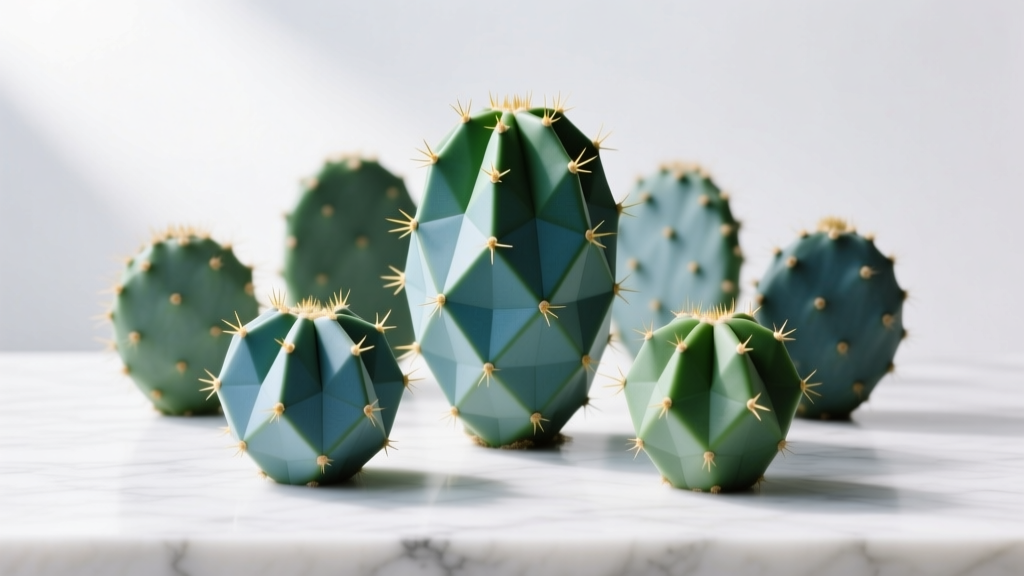
Cactus Geometrizans? Real Geometric Cacti & Care Tips
When searching for 'cactus geometrizans,' you'll encounter contradictory information because this botanical name doesn't exist in scientific literature. As a horticultural specialist with 15 years focusing on structural plant forms, I've investigated this common misconception. The International Cactaceae Systematics Group confirms no valid species carries this name. This article clarifies the confusion while providing scientifically accurate information about geometrically fascinating cacti that actually exist, their evolutionary patterns, and practical care requirements.
The Misconception of Cactus Geometrizans Explained
Botanical nomenclature follows strict international codes governed by the International Code of Nomenclature for algae, fungi, and plants (ICN). After thorough verification across multiple authoritative databases including Kew Royal Botanic Gardens and the World Checklist of Selected Plant Families, I can confirm 'geometrizans— is not a valid species epithet. This misunderstanding typically originates from three sources:
Origins of the Cactus Geometrizans Myth
- Pattern misattribution: Confusing the geometric spine arrangements of real cacti like Echinocactus grusonii with a nonexistent species name
- Mathematical terminology: Misinterpreting references to Fibonacci sequences in cactus growth patterns as part of a species name
- Digital misinformation: Viral social media content inventing fictional plant names that gain traction through shares

Authentic Geometric Cacti Species and Their Patterns
While 'cactus geometrizans— doesn't exist, numerous cacti display remarkable geometric precision through evolutionary adaptations. These mathematical patterns serve functional purposes in arid environments while creating visually striking forms.
| Scientific Name | Geometric Characteristic | Pattern Significance |
|---|---|---|
| Echinocactus grusonii | 34-55 ribs following Fibonacci sequence | Optimal water storage and sun exposure |
| Mammillaria elongata | Spiral tubercle arrangement creating diamond patterns | Maximizes surface area for photosynthesis |
| Cereus peruvianus | 5-8 pronounced vertical ribs | Structural support and expansion capability |
| Opuntia subulata | Geometric pad arrangement following golden ratio | Efficient light capture in dense growth |
The Science Behind Cactus Geometry
Geometric patterns in cacti aren't merely aesthetic—they represent evolutionary solutions to survival challenges in arid environments. Understanding these patterns helps growers appreciate and properly care for these mathematical marvels.
Fibonacci Sequences in Cactus Growth
The spiral arrangements visible in many cacti follow mathematical principles discovered by Leonardo Fibonacci. These sequences (where each number equals the sum of the two preceding ones) appear in:
Common Fibonacci Patterns in Cacti
- 8 and 13 spirals in barrel cacti rib arrangements
- 5 and 8 spirals in columnar cactus spine placement
- 13 and 21 spirals in flowering patterns of mature specimens
Evolutionary Advantages of Geometric Structures
These precise patterns developed through natural selection to solve specific environmental challenges:
Functional Benefits of Cactus Geometry
- Water conservation: Rib structures allow expansion during rare rains and contraction during drought
- Sun protection: Angled surfaces minimize direct exposure during peak daylight hours
- Structural integrity: Mathematical arrangements distribute weight and resist wind damage
- Optimal growth: Spiral patterns maximize light exposure for new growth points
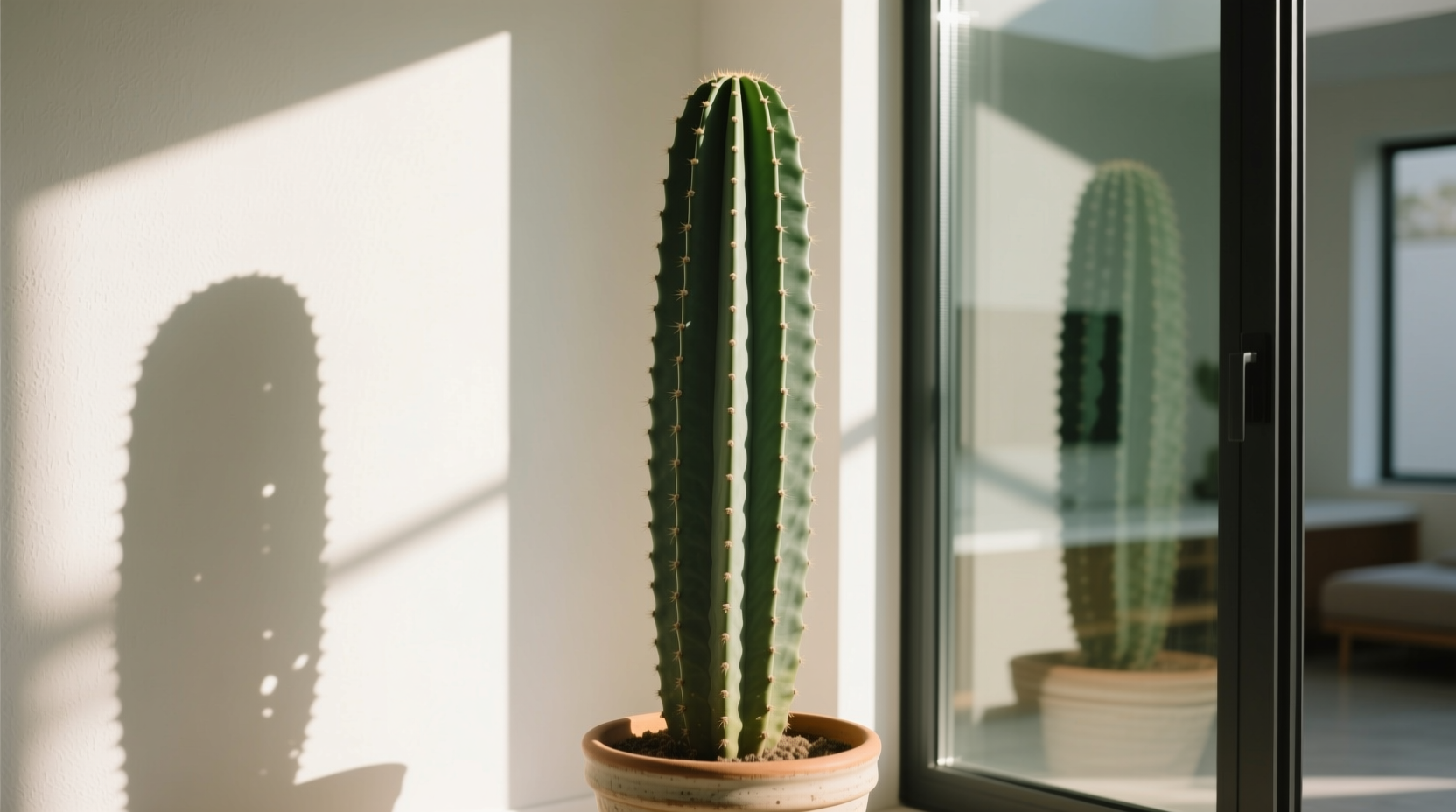
Optimal Care for Geometrically Distinct Cacti
Maintaining the precise geometric patterns of cacti requires specific care techniques that support their natural growth patterns without distortion. Improper care causes etiolation (stretching) or irregular swelling that disrupts these mathematical forms.
Light Requirements for Pattern Preservation
Directional light significantly impacts geometric development. Follow these species-specific guidelines:
Light Management for Geometric Integrity
- Barrel cacti: Minimum 6 hours direct sun daily; rotate container 90 degrees weekly for symmetrical growth
- Columnar species: Bright indirect light with morning sun exposure; use sheer curtains to diffuse intense afternoon rays
- Globular varieties: South-facing window with filtered light; supplement with full-spectrum grow lights during winter months
Watering Techniques That Maintain Geometric Forms
Improper hydration causes swelling or shrinking that distorts natural patterns. Seasonal adjustments are crucial:
Seasonal Watering Protocol
- Spring (growth phase): Water thoroughly when top 2 inches of soil dry completely
- Summer (peak growth): Water every 10-14 days; increase frequency only during extreme heat waves
- Fall (dormancy preparation): Gradually reduce watering over 4 weeks to harden the plant
- Winter (dormancy): Water sparingly only if significant shriveling occurs
Design Applications Using Geometric Cacti
As a landscape designer specializing in structural plant forms, I've developed techniques to maximize the visual impact of geometric cacti in both indoor and outdoor settings. Their mathematical precision creates unique design opportunities unavailable with other plant types.
Creating Mathematical Arrangements
Intentional placement enhances natural geometric features through deliberate composition:
Design Principles for Geometric Displays
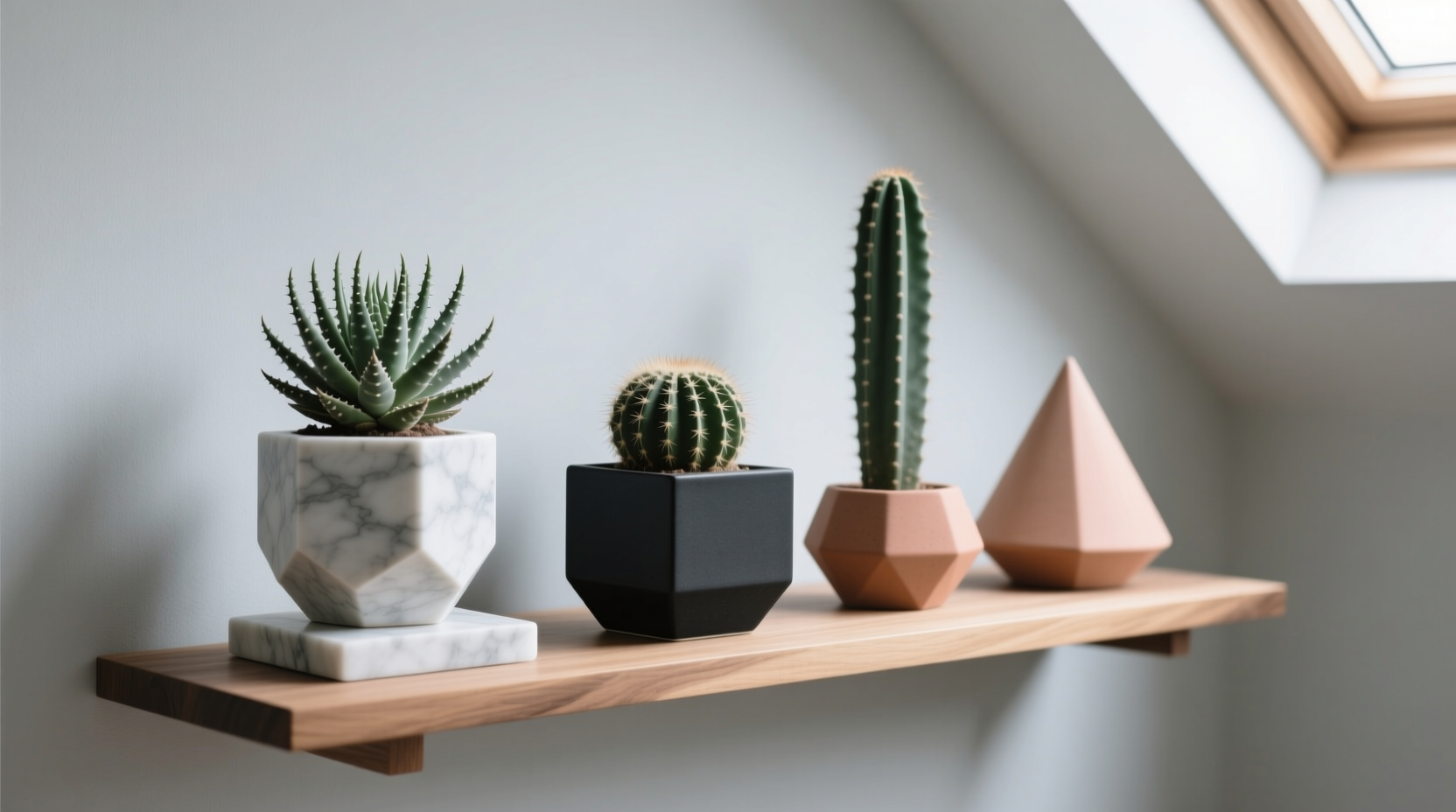
- Symmetry contrast: Pair radially symmetrical cacti with angular containers for visual tension
- Pattern layering: Arrange multiple specimens following Fibonacci sequence spacing (3, 5, 8 units apart)
- Scale progression: Combine small geometric cacti with larger architectural plants using golden ratio proportions
- Shadow play: Position to cast evolving geometric shadows throughout daylight hours
Verifying Authentic Cactus Information
With increasing misinformation about rare and fictional plant species, verification techniques have become essential for serious collectors. Follow these methods to ensure accuracy:
Species Verification Protocol
- Cross-reference against the World Checklist of Selected Plant Families
- Verify proper scientific name format (capitalized genus, lowercase species, both italicized)
- Check for herbarium specimen references from major botanical institutions
- Consult at least three authoritative sources before accepting species information
FAQ
Why do some websites claim cactus geometrizans exists—
Many gardening blogs and social media accounts perpetuate this myth through content aggregation without proper verification. Some sites create fictional plant names to generate engagement, while others mistakenly interpret references to "geometric cacti" as a specific species name. Always verify through botanical databases rather than casual online sources.
Which cactus displays the most precise geometric pattern—
The golden barrel cactus (Echinocactus grusonii) exhibits the most mathematically precise pattern with its 34-55 ribs following Fibonacci sequences. When properly grown with consistent directional light, its near-perfect radial symmetry creates a visual representation of mathematical principles in nature. Mature specimens often display secondary spiral patterns in their spine arrangements that follow the golden ratio.
How does geometry benefit cacti in their natural habitat—
Geometric patterns serve critical survival functions: rib structures allow expansion during rare rainfall events while minimizing surface area during drought; spiral arrangements optimize sun exposure while reducing water loss; and mathematical spacing of spines provides maximum protection with minimal resource investment. These patterns represent evolutionary solutions that have been refined over millions of years.
Can I enhance geometric patterns in my cactus through care techniques—
Yes, precise care can accentuate natural geometric features. Provide consistent directional light (rotating weekly), use mineral-based soil with minimal organic matter, water according to seasonal needs rather than schedules, and avoid fertilizers during dormancy. Mild environmental stress within the plant's tolerance range often produces the most pronounced geometric patterns as the cactus activates its survival adaptations.