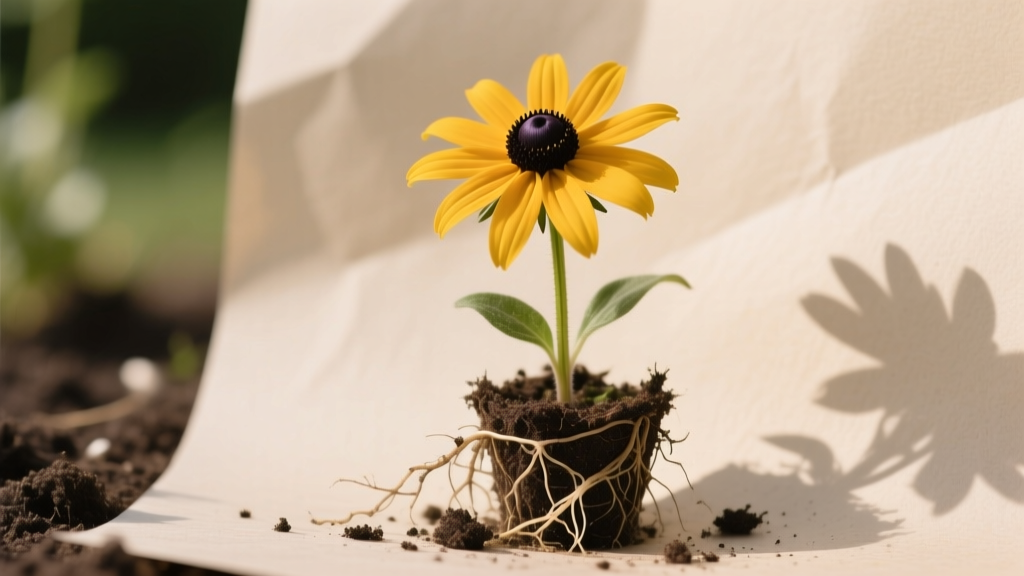
Signs Black-Eyed Susans Has Outgrown Its Container
You water on Saturday, and by Monday your black-eyed Susan looks like it’s auditioning for a drought documentary—wilting, dull, and somehow still trying to bloom. You water again, and now the pot feels heavy, the leaves look tired, and the plant still isn’t perking up. If that sounds familiar, it’s often not a watering “mistake” at all. It’s a container size problem.
Black-eyed Susans (Rudbeckia, most commonly Rudbeckia hirta) are tough, generous bloomers—but in a pot, they can go from thriving to struggling fast once the roots run out of room. When a plant becomes root-bound, the container stops acting like a buffer (holding moisture, oxygen, and nutrients) and starts acting like a constraint. The good news: the signs are learnable, and the fix is straightforward.
This guide will walk you through the most reliable signs your black-eyed Susan has outgrown its container, what those signs look like in real gardens, and exactly what to do next—repotting steps, watering resets, soil choices, feeding, and troubleshooting the common problems that show up once the plant is cramped.
The clearest signs your black-eyed Susan is pot-bound
A pot-bound black-eyed Susan doesn’t always look “small.” Often it’s leafy and blooming—right up until it suddenly isn’t. Look for a cluster of signs rather than a single symptom.
1) You’re watering far more often than you used to
When roots fill the container, there’s less soil to hold moisture. In peak summer, a root-bound plant may need water daily—sometimes twice a day in hot, windy conditions. If your schedule has crept from every 3–4 days to every 1 day with no improvement, the pot is likely too small.
- Tell-tale pattern: The plant perks up right after watering, then wilts again within 12–24 hours.
- Why it happens: Dense roots shed water quickly and reduce the “soil sponge” effect.
2) Water runs straight through (or beads up and won’t soak in)
Two different container failures can point to the same root problem:
- Runs through instantly: The root mass has displaced potting mix, creating channels.
- Beads up on top: The potting mix has become hydrophobic (common with peat-heavy mixes that dry too far), which happens faster when the plant is root-bound and dries out repeatedly.
3) Roots are visible at the drainage holes or circling the surface
If you see roots poking out the bottom, that’s not “healthy enthusiasm”—it’s a space shortage. Surface circling roots (a tan/white rope-like ring at the top) also indicate the plant is searching for room.
4) The plant gets top-heavy and tips over easily
Black-eyed Susans can reach 18–36 inches tall depending on cultivar and conditions. In a container that’s too small, the root system can’t anchor the top growth well. A breeze that never used to bother it suddenly knocks it sideways.
5) Growth stalls: smaller leaves, fewer blooms, shorter stems
Root-bound plants often “hold” at a certain size. You’ll notice:
- New leaves emerging smaller than earlier leaves
- Flower stalks that are shorter than normal
- Bud drop (buds form but don’t open)
6) You’re fertilizing, but results are weaker each month
This is a classic trap: more fertilizer won’t fix a cramped root zone. In fact, excess salts in a small pot can burn roots and cause browning leaf edges.
“When container plants become root-bound, water and nutrients can’t move through the potting media normally. Repotting is often more effective than additional fertilization.” — University of Minnesota Extension (2023)
Quick container reality-check: size, timing, and what “too small” looks like
Black-eyed Susans are often sold in 4-inch pots or 1-gallon nursery containers. That’s fine for a few weeks, not a full season. For a single mature plant, many home gardeners get best results with a pot that’s at least:
- 12–16 inches wide (top diameter)
- 12 inches deep minimum
- 3–5 gallons of container volume for full-season performance
Best repotting window: Early spring as growth starts, or early fall in mild climates. In hot summer, you can still repot, but you’ll need to baby it for 7–10 days (shade, steady moisture).
Three real-world scenarios: what “outgrown” looks like at home
Scenario 1: The patio pot that needs water twice a day
You’ve got a 10-inch decorative pot on a sunny patio. In June it was fine with watering every other day. By late July, it wilts by lunchtime even after a morning soak. When you lift the pot, it feels oddly light for its size. That’s typically a root-bound plant with too little potting mix left to hold moisture. Solution: move up to a 14–16 inch container and refresh the mix.
Scenario 2: The “mysterious” yellowing leaves even though the pot stays wet
You water thoroughly, the pot stays heavy, but lower leaves yellow and stems look tired. When you finally slide the plant out, roots are circling densely and there’s very little loose mix left. Water isn’t distributing evenly, and oxygen is limited—roots can suffocate. Solution: repot, gently loosen circling roots, and use a chunkier mix for better air.
Scenario 3: The windy balcony that keeps snapping stems
The plant is tall and flowering, but it keeps tipping or snapping in gusts. The container is narrow, and the root ball has formed a tight cylinder. A larger pot (wider base) and a fresh soil structure create stability—and often thicker stems within a few weeks.
Watering when a container is too small (and after you repot)
Watering is where root-bound plants fool good gardeners. You can be consistent and still see stress because the pot can’t hold or distribute water correctly.
How to check moisture the right way
- Finger test: Stick a finger 2 inches into the mix. If it’s dry at that depth, water.
- Lift test: Learn the “light pot” feel. A dry, root-bound pot becomes feather-light quickly.
- Drainage check: Water should begin draining within 30–60 seconds and continue steadily, not gush through immediately.
After repotting: a practical watering reset
- Water slowly until you get drainage out the bottom.
- Wait 10 minutes, then water again to fully hydrate dry pockets.
- Keep the plant in bright shade for 2–3 days if temperatures are above 85°F.
- For the next week, check moisture daily; roots are re-establishing and can’t access the whole pot yet.
Hard-earned tip: If the old root ball is very dry and water runs around it, soak the root ball in a bucket for 10–15 minutes before repotting. This single step often prevents weeks of “why won’t it drink?” frustration.
Soil and potting mix: what actually works for Rudbeckia in containers
Black-eyed Susans like well-drained soil in the ground, and they want the same in a pot—but “well-drained” still needs to hold moisture long enough for summer blooms.
A reliable mix recipe (easy to assemble)
A practical container blend for black-eyed Susans:
- 70% quality potting mix (not garden soil)
- 20% pine bark fines or orchid bark (adds air and structure)
- 10% perlite or pumice (drainage and oxygen)
Avoid packing the mix down hard. Roots need oxygen as much as water.
Pot choice matters more than most people think
Choose containers with multiple drainage holes. A pot that’s too tall and narrow dries unevenly and tips more easily. For mature plants, wider is usually better than deeper.
| Pot size | Typical watering frequency in summer (full sun) | Bloom and vigor (typical) | Best use case |
|---|---|---|---|
| 10-inch (≈2–3 gallons) | Daily; may be 2×/day above 90°F | Often declines mid-season | Short-term display, small cultivars |
| 14-inch (≈5–7 gallons) | Every 1–3 days depending on heat/wind | Steady growth and flowering | Most patio containers |
| 18-inch (≈10+ gallons) | Every 2–4 days (site dependent) | Best durability and stability | Large statement pots, windy sites |
Light: when “full sun” becomes a container problem
Black-eyed Susans generally bloom best with 6+ hours of direct sun. In containers, though, the root zone heats up faster than in-ground soil. When daytime highs hit 90°F and pots sit on hot concrete, roots can stress even if the plant is sun-loving.
Practical fixes that don’t change your whole garden
- Give afternoon relief: If possible, aim for morning sun and light shade after 2–3 p.m. during heat waves.
- Insulate the pot: Slip the nursery pot into a larger decorative cachepot (with a gap) or shade the pot sides.
- Raise the container: A pot stand improves airflow and reduces heat transfer from pavement.
According to North Carolina State Extension (2022), Rudbeckia performs best in full sun but tolerates partial shade—especially helpful in hot-summer container setups where root temperatures spike.
Feeding: how to fertilize without pushing weak, floppy growth
In containers, nutrients wash out faster. But a root-bound plant can’t use fertilizer efficiently, and excess feeding can make problems worse.
Simple feeding schedule that works
- At repotting: Mix in a slow-release fertilizer following label rates (commonly around 1–2 tablespoons per gallon of potting mix, but always follow your product).
- Mid-season boost: If growth slows, use a liquid feed at half strength every 2–4 weeks.
- Stop timing: In most climates, stop heavy feeding about 6–8 weeks before first expected frost so growth can harden off.
Comparison analysis (with real-world numbers): If your plant is in a 10-inch pot and you’re watering daily, you may be flushing nutrients out 7 times per week. Move that same plant to a 14–16 inch pot and watering may drop to 2–4 times per week—which reduces leaching and stabilizes nutrient availability without changing fertilizer type. That’s one reason “bigger pot” often looks like “better fertilizer,” even when you didn’t feed more.
How to repot a root-bound black-eyed Susan (step-by-step)
If you’ve identified outgrowing signs, repotting is the fix that restores the container’s ability to hold water and nutrients evenly.
- Pick the next size up: Move up 2–4 inches in diameter (for example, 10-inch to 14-inch). Jumping to an enormous pot can keep the mix wet too long.
- Hydrate first: Water the plant 1–2 hours before repotting so roots are less brittle.
- Slide and inspect: Tip the pot and ease the root ball out. Look for circling roots and a dense “root shell.”
- Loosen the roots: With fingers or a clean hand fork, tease the outer 1/2–1 inch of roots. If severely bound, make 3–4 vertical slices about 1/2 inch deep around the sides.
- Refresh soil: Add new mix to the bottom so the crown sits at the same height as before (don’t bury stems deeper).
- Backfill and settle: Fill around the sides, firm lightly, then water thoroughly.
- Recovery care: Shade for 2–3 days in hot weather, and keep evenly moist for a week.
Common problems that show up when the pot is too small (and how to fix them)
Container stress invites secondary issues—some of which look like pests or disease. Here’s how to tell what’s really going on.
Troubleshooting: wilting despite wet soil
- Symptom: Leaves limp, soil feels wet, pot is heavy.
- Likely cause: Oxygen-starved roots from compacted, root-filled mix; poor drainage.
- Fix: Repot into a container with better drainage; add bark/perlite for air; avoid saucers that hold water. Water only when the top 2 inches are dry.
Troubleshooting: crispy leaf edges and stunted blooms
- Symptom: Brown edges, smaller flowers, plant looks “tired.”
- Likely cause: Salt buildup from fertilizer in a small volume of soil, intensified by frequent drying.
- Fix: Flush the pot: run water through for 2–3 minutes (let it drain freely), then repeat once more. Repot if severely root-bound, and switch to half-strength feeding.
Troubleshooting: yellow lower leaves and sparse growth
- Symptom: Lower leaves yellow, stems thin, fewer blooms.
- Likely cause: Root restriction plus nutrient depletion (especially nitrogen) from frequent watering.
- Fix: Repot and add slow-release fertilizer. Deadhead spent blooms to redirect energy.
Troubleshooting: powdery mildew appearing late season
- Symptom: White powdery film on leaves, especially in humid spells.
- Likely cause: Crowded foliage + stressed plant + poor airflow (more common when plants stall and leaves overlap).
- Fix: Space containers for airflow, avoid wetting leaves at night, remove the worst leaves, and keep the plant evenly watered (stress makes mildew worse). If needed, use a labeled horticultural product per instructions.
Pest note: Aphids can show up on tender new growth, especially after heavy feeding. A strong water spray or insecticidal soap (used according to label directions) usually handles them. But if the plant is pot-bound, you’ll fight recurring issues until you fix the root situation.
When you should divide instead of just potting up
Some Rudbeckia types behave like short-lived perennials or reseeding annuals, depending on species and cultivar. If your plant has been in the same large pot for more than 2–3 years, you may be dealing with a thickened crown and congested roots that simply don’t rejuvenate with a small pot upgrade.
Consider division if:
- The center of the plant is sparse while outer stems are vigorous
- The root mass is woody and extremely dense
- You’ve already sized up once and the plant still struggles mid-season
Division timing: Early spring is easiest. Cut the plant into 2–4 sections with a clean knife or spade, keeping a solid root portion on each. Replant one division into fresh mix and share the others—or start new pots for a fuller display.
Preventing “outgrown pot” problems before they start
If you want black-eyed Susans to cruise through summer in containers, prevention is mostly about starting with enough soil volume and not letting the potting mix degrade.
- Start bigger than the nursery pot: If you buy a 1-gallon plant, move it to at least a 3–5 gallon container soon.
- Refresh mix annually: Each spring, remove the top 2–3 inches of old mix and replace with fresh potting mix/compost blend.
- Deadhead weekly: Removing spent blooms once every 7 days can extend flowering and keeps the plant from exhausting itself setting seed.
- Watch heat: On weeks above 90°F, check moisture daily even in large pots.
Virginia Cooperative Extension notes that container media breaks down over time, reducing air space and drainage; refreshing or replacing potting mix helps maintain healthy root conditions (Virginia Cooperative Extension publication, 2020).
A quick “repot or ride it out?” decision checklist
If you’re on the fence, use this practical checklist:
- If roots are circling heavily or exiting the drainage holes: repot now.
- If you water and it wilts again within 24 hours in moderate weather: repot.
- If it’s flowering fine but you’re watering daily during a heat wave: you can ride it out short-term, but plan to size up when temperatures ease.
- If the plant is in a 12–16 inch pot already and still struggles: look beyond pot size (light, drainage, disease, old potting mix breakdown, or crown congestion).
Once you’ve seen a black-eyed Susan bounce back after a smart repot—stronger stems, deeper green leaves, flowers that don’t quit—you’ll recognize the pattern earlier next time. The plant isn’t being finicky; it’s telling you the container stopped functioning as a healthy root environment. Give it fresh mix and elbow room, and it typically returns the favor with weeks of gold-and-black blooms right where you can enjoy them.