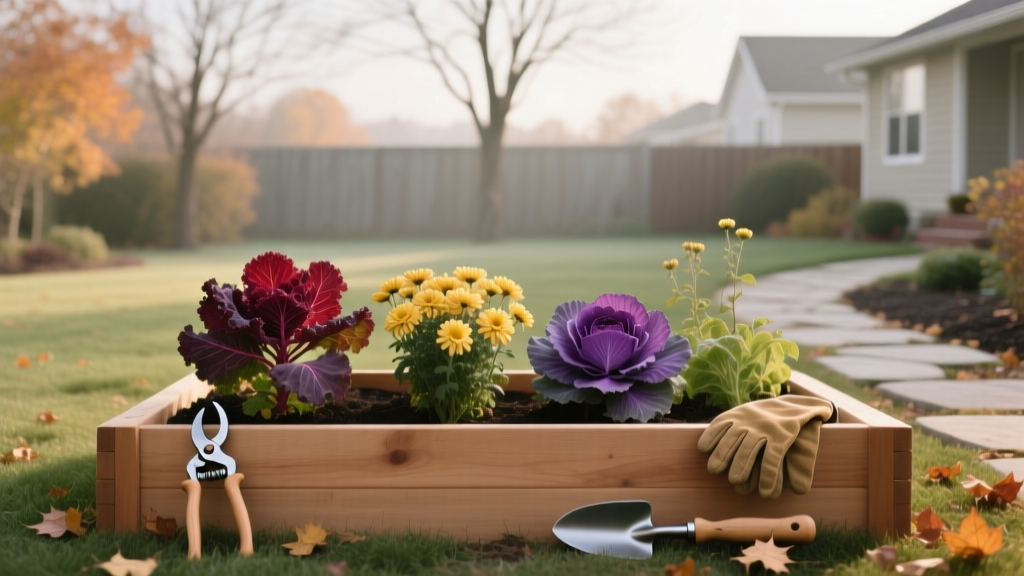
Fall Garden Checklist: Preparing for Cooler Weather
Fall is the narrow window when a few well-timed tasks pay you back for months. Miss the next 2–4 weeks and you’ll be chasing frost damage, overwintering pests, and soggy soil problems. Get it right and you’ll extend harvests, harden plants for winter, set up spring blooms, and reduce next year’s disease pressure—often with fewer chemicals and less work.
Use your average first fall frost date as your anchor. If you don’t know it, look it up by ZIP code (NOAA, state extension, or local weather service). Then work backward: many fall crops need 30–60 days to mature, lawns need seed down 4–6 weeks before hard frost, and perennials need time to root before the ground freezes. Keep an eye on nighttime lows: when forecasts consistently hit 45–50°F, growth slows; near 32°F, frost protection becomes urgent.
Start Here: Your 15-Minute Fall Planning Sprint (Today)
Before you prune or plant, take a quick lap with a notebook. This keeps you from doing “busy work” while missing time-sensitive jobs.
- Find your first frost date and count how many days you have left (aim: 28, 42, and 56-day markers).
- Check soil moisture: if it’s dusty-dry, irrigate now—fall roots still grow until soil temps drop near 40°F.
- Walk your garden edges: look for weeds going to seed, standing diseased foliage, and clogged downspouts.
- Inventory supplies: row cover, frost cloth, mulch, garlic bulbs, compost, and any grass seed.
- Flag vulnerable plants: citrus, rosemary, tender succulents, dahlias, cannas, basil, and late tomatoes.
Priority 1: What to Plant (and When) Before Temperatures Drop
Fall planting is about using cooling soil and fewer pests to your advantage. The key is timing to your frost date and USDA zone.
Plant cool-season vegetables (next 1–2 weeks)
If you have 30–45 days before your average first frost, direct-sow fast crops now. If you have 45–60 days, you can do another round of slightly slower crops, especially with row cover.
- Direct-sow now (often 25–45 days): arugula, radishes, turnips, mustard greens, spinach, baby lettuce mixes.
- Transplant now (often 45–70 days): broccoli, cabbage, cauliflower, kale, Swiss chard (choose smaller transplants for faster establishment).
- Temperature cues: spinach germinates best when soil is roughly 45–75°F; many brassicas thrive when daytime highs are 55–75°F.
Quick rule: If your days-to-maturity + 14 “buffer days” exceeds your days until frost, plan to use frost cloth or switch to baby-leaf harvests.
Plant garlic and spring bulbs (the “cool soil” window)
Garlic and many flowering bulbs want cool soil but time to root. In many regions, planting falls roughly 2–6 weeks before the ground freezes. For much of the U.S., that often lands between late September and early November.
- Garlic: plant cloves 2–3 inches deep (deeper in colder zones), 6 inches apart; mulch after the first hard frost (28°F is a common trigger).
- Tulips/daffodils/crocus: plant when soil cools to about 55°F (often after the first few chilly nights).
“Fall is the best time to plant many trees, shrubs, and perennials because root growth continues after top growth slows, helping plants establish before winter.” — Extension guidance on fall planting and establishment (Penn State Extension, 2020)
Seed or renovate lawns (prime window: 4–6 weeks before hard frost)
For cool-season grasses in zones 3–7, early fall is the highest-success window because soils are warm enough for germination, but air temps reduce stress. Aim to seed 4–6 weeks before hard frost (often defined around 28°F) so seedlings can root.
- Timing target: 45–70°F soil temps are excellent for germination; irrigate lightly and often until established.
- Don’t skip: core aeration before overseeding if soil is compacted.
Priority 2: What to Prune (and What to Leave Alone)
Fall pruning mistakes are common—and costly. Pruning can stimulate tender new growth that gets hit by frost. Focus on safety, sanitation, and structure, and save “beauty pruning” for late winter or early spring unless your plant type specifically benefits.
Prune now: remove hazards, disease, and dead wood
- Dead/damaged limbs: remove promptly (any season) to prevent breakage in wind or snow.
- Diseased branches: prune out during dry weather; disinfect tools between cuts when dealing with canker, fire blight, or fungal issues.
- Tomatoes/peppers: remove heavily diseased foliage and discard (do not compost if infected with blight).
Hold off: major pruning of spring bloomers and many shrubs
As a general rule, don’t shear spring-flowering shrubs in fall—you’ll remove next year’s buds. Save heavy pruning for late winter (when plants are dormant) unless the plant has a special requirement.
- Avoid fall pruning: lilac, forsythia, azalea, rhododendron, many hydrangeas (depends on type), roses in cold zones.
- Perennials: you can tidy, but consider leaving some seed heads and stems for overwintering beneficial insects and birds.
Cut back selectively to reduce disease
Some cleanup now prevents fungal spores and insects from overwintering. If you battled powdery mildew, rust, or leaf spot, remove infected leaves and dispose of them. Rutgers Cooperative Extension notes that sanitation (removing infected plant debris) is a key step in reducing disease carryover (Rutgers NJAES, 2019).
Priority 3: What to Protect (Frost, Wind, Wildlife, and Water)
Protection isn’t just about the first frost—it’s about the first surprise frost. Many gardens get caught when an early cold front drops nighttime temperatures into the low 30s ahead of schedule.
Know your frost thresholds (use these numbers)
- 50°F nights: warm-season crops (basil, peppers) slow down; plan covers.
- 36–32°F: light frost risk; protect tomatoes, peppers, squash, dahlias.
- 28°F: hard frost; many tender plants are done without serious protection.
- Soil ~40°F: root growth slows significantly; mulch and moisture management matter more.
- First frost date: set a calendar alert at 14 days before and 7 days before to stage supplies.
Cover strategy: row cover vs. frost cloth vs. plastic
Use breathable materials whenever possible. Frost cloth (or floating row cover) can add a few degrees of protection; plastic can work in a pinch but must not touch foliage and should be vented/removed by morning sun to prevent heat buildup and condensation damage.
- Install supports: hoops or stakes keep fabric off leaves.
- Anchor edges: prevent wind from stripping covers at 2 a.m.
- Water the day before a frost: moist soil holds heat better than dry soil.
Mulch for stable soil temperatures and fewer weeds
Mulch after soil cools. If you mulch too early in warm weather, you can keep soil warm and encourage late, tender growth. A common rhythm: light mulch now, then a thicker layer after a few nights in the 30s–40s°F.
- Vegetable beds: straw or shredded leaves around fall crops reduces mud splash (a disease spreader) and keeps soil workable.
- Perennials: 2–4 inches of shredded leaves or bark after hard frosts begin can reduce heaving in freeze-thaw cycles.
Protect shrubs and evergreens from winter burn (zones 3–6 especially)
Wind + frozen soil leads to desiccation. This shows up as browning needles on arborvitae, yews, and broadleaf evergreens.
- Deep water evergreens until the ground freezes; aim for consistent moisture, not saturation.
- Use burlap windbreaks on exposed sites (especially for new plantings and boxwood in windy corridors).
- Anti-desiccant sprays can help in some situations; apply according to label when temps are above 40°F.
Wildlife pressure rises now—plan defenses
As natural food sources change, deer and rodents browse more aggressively. Protect young trees and shrubs now rather than after damage appears.
- Tree guards: protect trunks from vole girdling (install before snow cover).
- Deer fencing or repellents: start early and reapply after rain.
- Clean up fallen fruit: reduces wasps and rodents.
Priority 4: What to Prepare (Soil, Cleanup, Tools, and Next Spring)
Preparation is where fall gardens are made or broken. These tasks don’t look exciting, but they prevent spring chaos.
Soil: test, amend, and cover
Fall is an excellent time to take a soil test so amendments can begin working over winter. Many extensions recommend routine soil testing every 3–5 years (more often for intensively managed vegetable beds). Lime, in particular, takes time to react.
- Soil test: sample now while beds are still accessible; apply lime or nutrients based on results.
- Add compost: 1–2 inches on empty beds; lightly incorporate or leave as topdressing if you’re minimizing tillage.
- Cover crops: sow winter rye, oats, or crimson clover early enough to establish—often 4–8 weeks before hard frost depending on species and region.
Research-based guidance from extension sources consistently emphasizes that building soil organic matter improves structure and water-holding—critical for winter/spring transitions (Cornell Cooperative Extension, 2021).
Cleanup with intention: remove disease, keep habitat where it helps
Fall cleanup isn’t “strip everything bare.” It’s targeted sanitation.
- Remove: blight-infected tomato vines, mildewed squash leaves, rose black spot leaves, fallen apple leaves with scab—bag and trash if disease was severe.
- Keep (selectively): some flower stems/seed heads (coneflower, rudbeckia) for birds and beneficial insects—unless disease was rampant.
- Compost smart: only compost healthy material unless you have a hot compost system that reliably heats.
Pest and disease prevention: stop next year’s problems now
Many fall pests and diseases overwinter in plant debris, soil, or bark crevices. Break the cycle.
- Sanitation: remove “mummy” fruit and fallen fruit to reduce brown rot and codling moth carryover.
- Weed control: pull weeds before they set seed; one mature weed can create thousands of seeds for spring.
- Rotate crops: don’t replant brassicas or tomatoes in the same bed next year if you had serious disease—plan rotation now while you can still see what grew where.
- Slug/snail reduction: remove boards/pots they hide under; thin dense groundcovers; refresh beer traps only if populations are high.
Tools and irrigation: winterize before the first hard freeze
When overnight temps start flirting with 32°F, it’s time to protect equipment.
- Drain hoses and store them; shut off and drain outdoor spigots if possible.
- Clean pruners and shovels: remove sap, sharpen, and lightly oil to prevent rust.
- Empty ceramic pots or move them under cover to prevent cracking in freeze-thaw cycles.
Month-by-Month Fall Schedule (Adjust to Your Frost Date)
Use this as a working timeline. Shift it earlier if you’re in zones 3–5, later if you’re in zones 8–10, and always prioritize what’s due before your first frost.
| Timing | Top Priorities | Key Temperature / Date Cues |
|---|---|---|
| Late Aug–Early Sep | Start fall seedlings, overseed lawns (cool-season regions), order garlic and bulbs, scout for disease | Best when nights begin trending 55–60°F |
| Mid–Late Sep | Direct-sow fast greens, transplant brassicas, remove diseased summer crops, set up frost supplies | Set alerts for 14 days before average first frost date |
| Early Oct | Begin regular frost protection, mulch lightly, plant bulbs as soils cool, keep watering evergreens | Act when forecasts show 36–32°F nights |
| Mid–Late Oct | Plant garlic (many regions), heavier mulching after hard frosts, clean up fallen fruit/leaves (as needed) | After first hard frost near 28°F, apply winter mulch |
| Nov (or pre-freeze period) | Drain hoses, protect pots, install trunk guards, finalize leaf management, store supports and covers dry | Finish before sustained freezes and soil approaches 40°F |
Regional Reality Checks: 4 Common Fall Scenarios
Fall advice only works when it matches your weather pattern. Use the scenario that fits your garden right now.
Scenario 1: Upper Midwest / Interior Northeast (Zones 3–5): early frosts and fast shifts
If your first frost can arrive in late September to early October, prioritize protection and quick crops. Choose baby greens over full-size heads if you’re inside a 30–40 day window. Mulch and wind protection matter more than late fertilizing.
- Plant garlic on the earlier side (often mid-October or when soil is cool but workable).
- Stop nitrogen-heavy fertilizing on shrubs by early fall to avoid tender growth.
- Use row cover proactively; don’t wait for the first frost warning.
Scenario 2: Pacific Northwest / Maritime climates (Zones 7–9): mild temps, heavy rain
Your challenge is often moisture, not cold. Focus on drainage, disease prevention, and slug control. Keep beds covered and avoid compacting wet soil.
- Keep leaves off crowns of perennials to reduce rot.
- Use straw mulch carefully—don’t smother; allow airflow.
- Plant fall/winter crops confidently, but protect from prolonged wet and fungal pressure.
Scenario 3: Southeast / Gulf Coast (Zones 8–10): warm fall, late frost, lingering pests
Fall can be your best growing season, but pests (caterpillars, aphids, fungal disease after humidity) can stay active well into October and beyond.
- Plan for succession plantings: sow every 2–3 weeks for steady harvests.
- Scout brassicas for worms weekly; use hand-picking or labeled controls early.
- Watch for powdery mildew on cucurbits; remove infected leaves to slow spread.
Scenario 4: High Plains / Mountain West (Zones 4–7): big temperature swings and intense sun
Your fall problem is often wind + sudden freezes. Plants can be cooking in sun at 70°F and freezing at night a few weeks later.
- Anchor frost cloth securely; wind will defeat loose covers.
- Water before cold snaps—dry soil loses heat faster at night.
- Use temporary windbreaks (burlap, snow fencing) for exposed evergreens.
Fall Checklists You Can Use This Week
This weekend (high-impact, 1–3 hours)
- Look up first frost date; mark 14 days and 7 days prior on your calendar.
- Pull weeds before they seed; bag seed-heavy weeds.
- Remove diseased vegetable foliage; discard (don’t compost if severe).
- Stage frost cloth/row cover and anchors where you can grab them fast.
- Water stressed shrubs and evergreens if rainfall is low.
Next 2 weeks (season-shaping tasks)
- Plant cool-season crops that match your days-to-frost window.
- Overseed cool-season lawns (zones 3–7) and keep seed evenly moist.
- Start leaf management: shred leaves for mulch or compost rather than sending them away.
- Plan crop rotation and take notes on problem beds (disease, pests, poor yield).
Before the first hard frost (~28°F)
- Harvest and store winter squash once rinds are hard; cure if appropriate for the variety.
- Dig tender bulbs/tubers (dahlias, gladiolus, cannas) after foliage is blackened by frost but before deep freezes.
- Apply thicker mulch after hard frosts begin (not at the first cool night).
- Drain hoses and protect irrigation equipment if freezes are imminent.
Expert Notes: Small Moves That Make a Big Difference
Don’t “feed” the garden blindly. Late-season nitrogen pushes soft growth that’s more vulnerable to cold. If you fertilize, do it based on plant needs and soil testing, and focus on soil-building inputs like compost rather than quick-release nitrogen for woody plants.
Keep harvesting. Beans, peppers, and tomatoes often keep producing until nights regularly hit the low 40s°F. Removing mature fruits prompts plants to finish strong, and it reduces pest attraction.
Leaves are a resource. Shred them with a mower and use them as mulch or compost feedstock. Leaf mulch moderates soil temperature swings and protects soil structure through winter rains.
Take photos now. A quick set of fall photos helps you remember where late-season shade falls, which beds drained poorly, and where pests were worst—details that vanish by spring.
Fall gardening rewards decisiveness. If you handle the top priorities in the next couple of weekends—plant what still has time, prune only what’s smart to prune, protect what can’t handle 32°F, and prepare soil and systems before freezes—you’ll walk into spring with healthier beds, fewer pests, and plants that are already a step ahead.
Citations: Penn State Extension (2020), fall planting establishment guidance for woody plants; Rutgers NJAES Cooperative Extension (2019), sanitation and plant debris management for disease reduction; Cornell Cooperative Extension (2021), soil organic matter and soil health management principles.