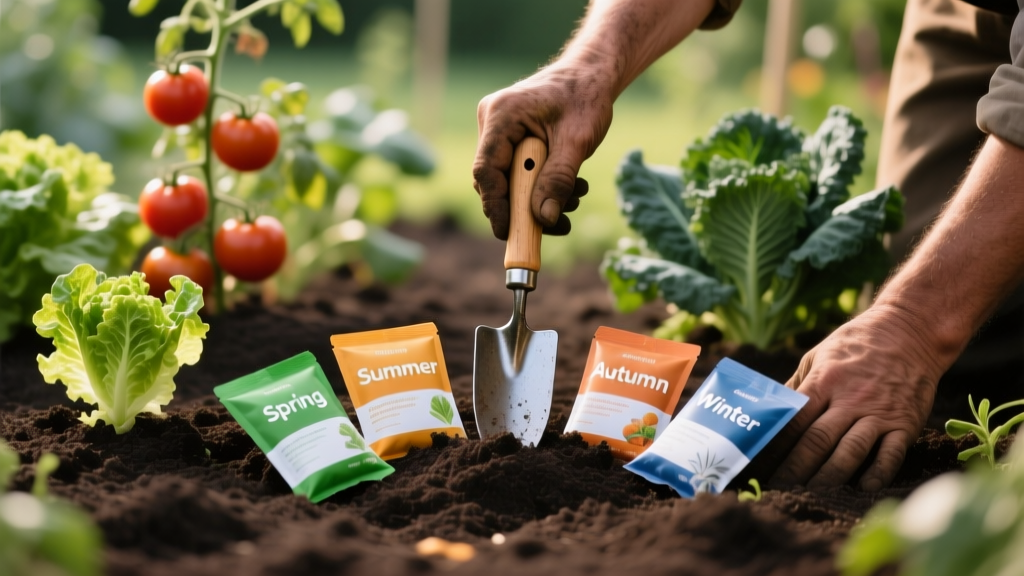
How to Adjust Fertilizing by Season
The fastest way to get better growth (and fewer pest problems) is to stop fertilizing on autopilot. This week’s weather—soil temperature, rain patterns, and day length—determines whether nutrients turn into sturdy roots and flowers or into soft, pest-prone growth that burns, leaches away, or invites disease. Use this seasonal playbook to match fertilizer timing to what plants can actually use right now, in your USDA hardiness zone and climate.
If you do only one thing today: check your soil moisture and your last frost/first frost window, then decide if you’re feeding for growth, for fruit, or for winter survival. The “right” fertilizer isn’t just product choice—it’s timing and restraint.
First, set your seasonal baseline (do this before you fertilize)
These quick checks prevent wasted fertilizer and plant stress. They also tell you which seasonal section below applies most strongly to you.
- Soil test: If you haven’t tested in the last 3 years, do it now. Nutrient imbalances (especially phosphorus) are common and seasonal fertilizing won’t fix them. Many university extension services recommend routine soil testing and avoiding unnecessary phosphorus applications. (See references below.)
- Soil temperature: Cool soil slows nutrient uptake. For many warm-season crops, wait until soil is consistently above 60°F before heavy feeding; for early cool-season planting, soil around 50°F can be workable.
- Frost dates: Know your average last spring frost and first fall frost. A practical rule: stop high-nitrogen feeding about 6–8 weeks before your average first fall frost so plants harden off.
- Rain forecast: If you’re expecting 1 inch or more of rain in the next 24–48 hours, delay granular fertilizer—nutrients can wash past roots.
- Plant stage: Seedlings and transplants need gentle feeding; fruiting plants need different ratios than leafy greens; woody plants need different timing than annuals.
“Applying fertilizer when plants are not actively growing increases the risk of nutrient loss to leaching and runoff.” — University extension nutrient management guidance (general principle summarized from multiple extension publications)
Season-by-season priorities (what to plant, prune, protect, prepare) with fertilizing adjustments
Use the seasonal section that matches your current conditions, not the calendar alone. In many gardens, “spring rules” start when soil warms and buds swell; “fall rules” start when night temperatures drop and growth slows.
Early Spring (bud swell to last frost): feed lightly, build roots, avoid nitrogen surges
This is the moment when over-fertilizing causes the most regret: tender growth appears just in time for a cold snap, and pests like aphids find it first. Your goal is steady establishment, not a growth spurt.
What to plant (and how fertilizing changes)
2–4 weeks before your last frost date, plant cool-season crops (peas, spinach, lettuce, radish, brassicas). Use compost or a light starter fertilizer, not heavy nitrogen.
- Bed prep: Apply 1–2 inches of finished compost and incorporate into the top 6 inches.
- Starter fertilizer: If your soil test supports it, use a low-to-moderate nitrogen product (e.g., 5-5-5) at label rates. For transplants, a diluted liquid feed (1/4–1/2 strength) can reduce stress.
What to prune (and how it affects feeding)
Pruning triggers new growth, which increases nutrient demand—but don’t “pay for pruning” with nitrogen. Prune first, then reassess after you see regrowth.
- Fruit trees: Prune while still dormant or at bud swell (timing depends on species). Wait to fertilize until soil is workable and growth begins.
- Roses: Prune when buds swell; feed after first flush begins, not at the first warm day.
What to protect (frost + disease)
When nights drop near 32°F, hold off nitrogen. Soft growth is more frost-sensitive.
- Row covers for greens and brassicas during cold nights.
- Peach leaf curl prevention: If you grow peaches/nectarines in wet spring regions, dormant sprays are timed to bud swell—fertilizing won’t fix curl and excessive nitrogen can worsen disease pressure by pushing lush growth.
What to prepare (your spring fertilizing checklist)
- Get a soil test kit or submit samples as soon as soil is workable.
- Stock slow-release fertilizer for containers (safer in cool swings).
- Calibrate measuring scoops—“a little extra” is how roots burn.
Late Spring to Early Summer (after last frost): feed for growth, then pivot to flowering/fruiting
Once your last frost has passed and soils warm, plants can actually use nutrients—this is when fertilizing produces the most visible results. It’s also when leaching and fast growth can invite pests if you overdo nitrogen.
What to plant (warm-season + succession)
Plant warm-season crops when soil is reliably warm: tomatoes, peppers, basil, beans, squash. A practical trigger is soil staying above 60°F for several days.
- Tomatoes/peppers: At transplant, use a starter solution (low nitrogen, adequate phosphorus if soil test indicates). Avoid heavy nitrogen early—too much leaf, fewer flowers.
- Corn: Often benefits from split applications: a light pre-plant plus side-dress at knee-high.
- Succession greens: For lettuce and spinach, light nitrogen every 2–3 weeks keeps quality high without bitterness.
What to prune (and how feeding follows)
- Pinch herbs (basil, mint) and feed lightly to replace harvested growth.
- Remove suckers on indeterminate tomatoes as desired; if growth is already vigorous and dark green, skip additional nitrogen.
What to protect (pests + disease)
Fast, nitrogen-rich growth attracts sap-feeders. Keep fertility balanced, irrigate at soil level, and improve airflow.
- Aphids: Avoid high-N fertilizers; use reflective mulch early or blast colonies with water.
- Powdery mildew: Common as humidity rises—avoid excess nitrogen, which creates dense canopies. Water in the morning, prune for airflow.
- Blossom end rot (tomatoes/peppers): Not a “lack of calcium in fertilizer” problem most of the time; it’s inconsistent moisture and root stress. Mulch and water evenly. Avoid over-fertilizing with nitrogen, which accelerates leaf growth and increases demand for calcium transport.
What to prepare (your side-dress timeline)
Use these timing anchors:
- 7–10 days after transplant: If plants are established, begin light feeding (especially in containers).
- At first flower set: Pivot from nitrogen-forward feeds to a more balanced or slightly higher potassium feed for fruiting crops.
- After heavy rain (>1 inch): Consider a modest re-feed for heavy feeders in sandy soils; skip it in clay soils unless plants show pale growth.
Mid-Summer (heat + harvest): maintain, don’t force; manage leaching and salt buildup
In heat, the most common fertilizing mistake is “more food” when the real issue is heat stress or inconsistent watering. Plants can’t use nutrients well when daytime highs push above 90°F and nights stay warm—roots struggle, pollination drops, and salts accumulate.
What to plant (and fertilize) in summer windows
Summer planting is often about short windows and fast payoff:
- Every 2–3 weeks: Sow beans, basil, and quick greens where shade is available.
- 6–10 weeks before first fall frost: Start fall brassicas, carrots, and beets (timing depends on variety days-to-maturity).
What to prune (harvest pruning counts)
- Deadhead flowering annuals to keep them productive; follow with a light feed if they’re in containers.
- Summer prune excessively vigorous fruit trees lightly (only if needed for structure/light), then avoid nitrogen—late flushes can be tender.
What to protect (heat stress, pests, and fertilizer burn)
- Fertilizer burn risk: In hot, dry weather, granular fertilizers can burn roots. Water deeply before and after applying, or switch to dilute liquid feeding.
- Spider mites: Explode in hot, dry conditions. Avoid drought stress (which worsens mites) and avoid overfeeding nitrogen (tender growth is more susceptible).
- Tomato fungal issues: Mulch to reduce soil splash; avoid overhead irrigation. Overfertilizing creates dense foliage that stays wet longer.
What to prepare (salt management for containers)
If you fertilize containers regularly, manage salt buildup:
- Every 4–6 weeks in peak summer, leach containers by watering until excess drains freely for several minutes (only where drainage is appropriate).
- Use controlled-release fertilizer carefully; in extreme heat, release can accelerate.
Fall (late summer cooldown to first frost): stop pushing nitrogen; feed roots and soil biology
Fall is your chance to set up next spring. Fertilizer now should strengthen roots, improve soil structure, and avoid tender late growth that winter will punish.
What to plant (and how to fertilize for establishment)
- Lawns (cool-season grasses): Early fall is prime feeding time, often starting when nights cool and growth resumes. Many extension recommendations emphasize fall nitrogen for cool-season turf. (See citations.)
- Garlic: Plant about 2–4 weeks before the ground freezes; in many regions that’s mid-October to early November. Use compost and modest nutrients—too much nitrogen can reduce bulb quality.
- Perennials and shrubs: Plant in early fall so roots grow while soil is still warm (often above 55°F). Avoid high nitrogen fertilizers at planting; use compost and targeted amendments from soil test results.
What to prune (and what not to prune)
- Skip heavy pruning of shrubs and trees in fall if it stimulates new growth.
- Remove diseased foliage (tomatoes, squash, roses) and dispose of it—don’t compost if disease is severe.
What to protect (winter prep + disease cleanup)
- Stop high-nitrogen feeding about 6–8 weeks before first frost to reduce tender growth.
- Mulch after first hard frost (around 28°F) to stabilize soil temperatures, not before—early mulching can encourage rodents and keep soil too warm.
- Sanitation: Remove fallen fruit (reduces codling moth and fungal carryover). Rake diseased leaves where feasible.
What to prepare (soil-building that counts as “fertilizing”)
- Compost application: Spread 1–2 inches over beds after cleanup.
- Cover crops: Sow winter rye, oats, or clover 4–8 weeks before a killing frost, depending on species and region. This captures nutrients and reduces leaching.
Winter (dormancy): pause most fertilizing; plan and correct
Winter fertilizing is usually wasted (or harmful) because plants aren’t actively taking up nutrients. This is the season for testing, planning, and targeted exceptions.
What to plant
- Indoor seedlings: Start feeding only after true leaves appear, at 1/4 strength, then increase gradually.
- In mild climates (zones 9–10): Cool-season vegetables may still grow; light feeding can be appropriate if plants are actively growing and soil isn’t waterlogged.
What to prune
- Dormant pruning: Many fruit trees are pruned in winter (species-specific). Don’t fertilize immediately after pruning; wait for spring growth.
What to protect
- Prevent winter burn: Avoid late fall nitrogen that keeps growth tender; ensure evergreens are watered before the ground freezes.
- Rodents: Keep mulch pulled back from trunks to avoid vole damage.
What to prepare
- Order slow-release fertilizers and lime/sulfur only after reviewing soil test results.
- Map heavy feeders (corn, tomatoes, squash) so you can rotate and adjust spring fertility.
Monthly fertilizing schedule (adjust by climate and USDA zone)
This schedule assumes a temperate climate (roughly USDA zones 5–7). Shift earlier by 2–6 weeks in warmer zones (8–10) and later by 2–4 weeks in colder zones (3–4). Use soil temperature and frost dates as your final decision points.
| Month | Primary fertilizing move | What to watch | Do NOT do |
|---|---|---|---|
| March | Compost topdress; light starter feed for cool crops | Soil workable; soil temps nearing 50°F | Heavy nitrogen on lawns/trees in cold soil |
| April | Feed established perennials lightly; begin lawn feeding if growth is active | Late frosts; wet soils | Fertilize before a 1-inch rain event |
| May | Warm-season transplant starter; begin container feeding | Soil >60°F for warm crops | High-N blast on tomatoes before flowering |
| June | Side-dress heavy feeders; shift to fruit-supportive feeding at first set | Aphids; rapid growth | Overfeed nitrogen (lush growth = pests) |
| July | Maintain with small, frequent feeds; flush container salts | Heat >90°F; drought stress | Granular fertilizer on dry soil |
| August | Reduce nitrogen; feed selectively after harvest; prep fall crops | Leaching storms; disease pressure | Push leafy growth on fruiting plants late |
| September | Fall lawn feeding (cool-season); compost + cover crops | Cooling nights; renewed root growth | Fertilize shrubs with high N |
| October | Stop N 6–8 weeks before frost; plant garlic; soil building | First frosts; wet leaves (fungal cleanup) | Late nitrogen “green-up” on ornamentals |
Regional scenarios: adjust timing and fertilizer style to your weather reality
Calendars fail when climate patterns differ. Use these scenarios to make the right seasonal call.
Scenario 1: Cold-winter, short-season gardens (USDA zones 3–5)
Your season is compressed, so timing is everything. The biggest mistake is early fertilizing in cold soil, followed by a late-season nitrogen push that delays hardening.
- Spring: Wait for soil to approach 50°F for most feeding beyond compost; use starter fertilizer sparingly at transplant.
- Summer: Split applications for heavy feeders rather than one big dose.
- Fall: Stop nitrogen at least 6–8 weeks before your typical first frost (often September in colder zones). Focus on compost and cover crops.
Scenario 2: Hot-summer regions with long growing seasons (USDA zones 8–10)
You may have two “springs”: one in late winter/early spring, and another in fall when temperatures moderate. Summer is often a survival season, not a growth season.
- Late winter/early spring: Begin feeding when plants are actively growing, but avoid heavy nitrogen before the last chilly nights.
- Peak summer: Reduce fertilizing during sustained heat above 90°F; keep moisture steady and use dilute feeds.
- Fall: Resume more regular feeding for renewed growth and cool-season crops.
Scenario 3: Rainy coastal or humid regions (Pacific Northwest, parts of Southeast)
Frequent rain increases nutrient loss and disease pressure. Your fertilizer strategy should be slower-release and timed between wet spells.
- Favor slow-release fertilizers and compost over quick-release nitrogen.
- Time applications for a window with less rain; avoid applying before forecasted 1 inch rainfall.
- Prioritize airflow and disease prevention; avoid nitrogen-heavy feeding that thickens canopies (powdery mildew, leaf spots).
Priority checklists by season (quick action lists)
Spring fertilizing checklist (highest priority first)
- Soil test if not done in 3 years; correct pH first if needed.
- Topdress compost (1–2 inches) before planting.
- Use starter fertilizer at transplant (diluted liquid or light granular).
- Hold back nitrogen until consistent active growth (soil warming; new leaves expanding).
- Scout weekly for aphids; adjust fertility down if colonies appear.
Summer fertilizing checklist
- Feed in the cool part of day; water before/after granular applications.
- Shift fruiting crops to balanced or higher K once fruit sets.
- Flush containers every 4–6 weeks to prevent salt buildup.
- After heavy rain (>1 inch), reassess heavy feeders in sandy soils.
- Control mites and mildew by reducing stress and avoiding excess nitrogen.
Fall fertilizing checklist
- Stop high-N fertilizing 6–8 weeks before first frost date.
- Apply compost; plant cover crops 4–8 weeks before killing frost.
- Mulch after a hard frost (around 28°F) for winter stability.
- Clean up diseased plant debris to reduce overwintering spores and insects.
Fertilizer form comparison: what to use when (and why)
| Fertilizer type | Best season/use | Strength | Risk if mistimed |
|---|---|---|---|
| Compost | All seasons (especially spring/fall soil building) | Slow, broad nutrition + structure | Low risk; can be too rich for seedlings if used excessively fresh |
| Slow-release granular | Late spring through early summer; containers | Steady feeding | Can release faster in heat; leaching in heavy rains |
| Water-soluble/liquid | Active growth periods; quick correction | Fast uptake | Burn risk if overmixed; frequent application can build salts in pots |
| High-nitrogen lawn fertilizer | Cool-season lawns in fall (often) and spring (moderate) | Strong greening/growth | Runoff/leaching if applied before rain or to dormant grass |
Pest and disease prevention tied directly to seasonal fertilizing
Fertilizing decisions change pest pressure. Use these tight rules to prevent problems before they start.
Rule 1: Don’t “green up” stressed plants. If leaves are pale because roots are cold, waterlogged, or heat-stressed, fertilizer won’t fix it—and may worsen it. Correct moisture and temperature stress first.
Rule 2: Soft growth invites pests. Aphids, whiteflies, and mites prefer tender, nitrogen-pushed growth. In spring and early summer, keep nitrogen moderate, especially on roses, brassicas, and tender annuals.
Rule 3: Dense canopies = more leaf disease. Powdery mildew and leaf spots thrive when foliage stays humid. Excess nitrogen increases canopy density. Pair moderate feeding with pruning for airflow and morning watering.
Rule 4: Sanitation is fall fertilizing’s partner. Compost and cover crops build soil, but diseased debris left in place increases next year’s problems. Remove infected leaves and fruit, especially from tomatoes, squash, and roses.
Extension-backed guardrails (don’t skip these)
Two principles show up consistently across university extension recommendations:
- Base nutrient applications on soil tests, especially phosphorus. Overapplying phosphorus is common and environmentally harmful. The University of Minnesota Extension emphasizes using soil tests to guide fertilizer and avoiding unnecessary phosphorus (University of Minnesota Extension, 2023).
- Time nitrogen to active growth and avoid late-season nitrogen that delays hardening. Many extension publications on woody plants and lawns caution against late-season nitrogen that can stimulate tender growth. For example, Penn State Extension discusses timing fertilizer applications to plant needs and avoiding practices that increase winter injury risk (Penn State Extension, 2020).
References: University of Minnesota Extension (2023) lawn and garden fertilizer guidance; Penn State Extension (2020) seasonal fertilizing and nutrient timing guidance. (Check your state extension for localized dates and rates.)
A simple “right now” decision tool (60 seconds)
If you’re standing in the garden deciding whether to fertilize today, run this sequence:
- Is the plant actively growing? New leaves expanding, stems elongating, or flowering. If no, don’t fertilize.
- Is soil moisture moderate? If bone-dry, water first; if waterlogged, wait.
- What’s the next weather event? If >1 inch rain or a cold snap near 32°F, delay.
- What stage is the plant in? Leafy growth (moderate N), flowering/fruiting (balance + K), fall hardening (minimal N).
- When is your first frost? If you’re inside 6–8 weeks, stop nitrogen-heavy feeding outdoors.
Match fertilizer timing to the season’s real conditions, and you’ll see sturdier stems, better flowering and fruiting, and fewer outbreaks of aphids and mildew. The garden doesn’t reward the most fertilizer—it rewards the best-timed fertilizer.