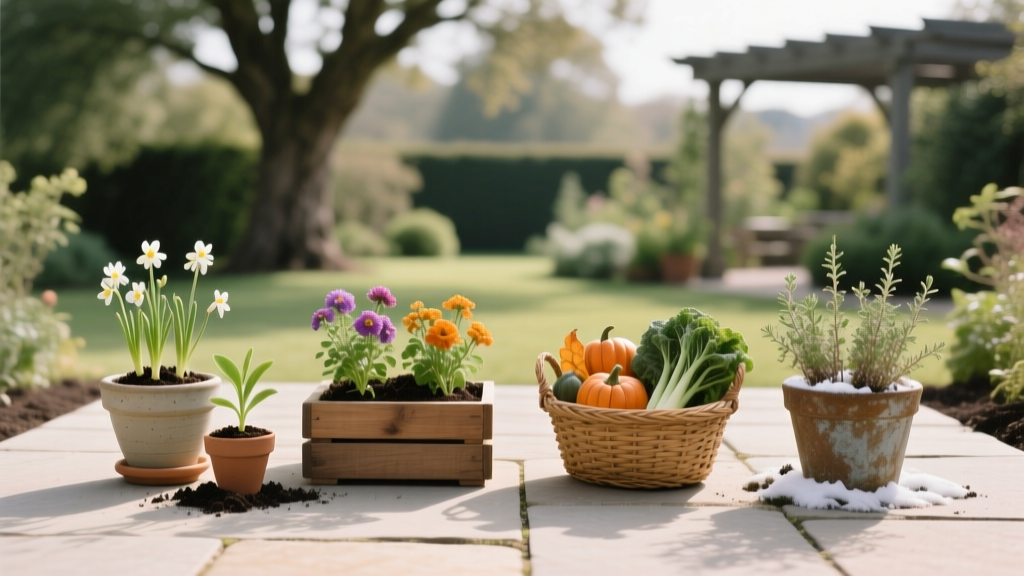
Preparing Your Garden Subscription for Each Season
Your garden doesn’t wait for your calendar reminders. The difference between a smooth season and a scramble is usually a two-week window: get seeds started before soil warms, protect buds before a late freeze, refresh drip lines before heat waves, and clean up disease pressure before it overwinters. If you rely on a garden subscription box (seeds, starts, bulbs, beneficial insects, compost, amendments, tools), this guide turns each season into a planned delivery-and-do checklist—so what arrives gets planted, used, or stored at peak timing.
Use your local frost dates as the backbone: the average last spring frost and average first fall frost. Then layer on temperature thresholds that actually drive growth—soil at 50°F for peas and many cool-season crops, soil at 60°F for beans, and night lows above 50°F before setting tomatoes and peppers outside. Keep one notebook page (or spreadsheet) for “subscription inventory” so you’re not discovering a bag of bulbs in May or a biocontrol shipment during a heat spike.
Season-at-a-glance priorities (what to do first)
Priority is about timing sensitivity. Planting windows close fast; pruning can often wait a week; organizing supplies can wait until weather forces you indoors. Start with these four questions each month: What must be planted now? What must be pruned now? What must be protected now? What can be prepared for the next wave?
| Season | Most time-sensitive | Temperature / date triggers | Subscription items to schedule |
|---|---|---|---|
| Late winter → early spring | Seed starting, dormant pruning, soil test | Start seeds 6–10 weeks before last frost; prune before buds swell | Seed packs, seed-starting mix, grow lights, soil test kit, dormant oil |
| Mid/late spring | Transplanting, succession sowing, pest scouting | After last frost; tomatoes when nights > 50°F; soil > 60°F for beans | Warm-season starts, row cover, drip parts, beneficial insects |
| Summer | Water management, disease prevention, harvest cadence | Heat waves > 90°F; irrigate early; mulch before temps spike | Mulch, shade cloth, foliar disease tools (sanitizer), trellis ties |
| Fall | Cool-season planting, cleanup, soil building | Plant 6–8 weeks before first frost; garlic 2–4 weeks before freeze | Brassica greens seed, cover crop, compost, garlic/bulbs, frost cloth |
| Winter | Tool care, planning, overwinter protection checks | Before deep freezes; after heavy snow/wind events | Sharpening kit, storage bins, rodent guards, burlap/wrap |
Late winter to early spring: lock in your lead time
These weeks decide your entire spring. If you miss them, you can still garden—but you’ll spend more and harvest later. This is also when subscription deliveries can pile up, so aim for fewer, better-timed shipments.
What to plant (priority: high)
6–10 weeks before your average last frost date, start long-season crops indoors: tomatoes (6–8 weeks), peppers (8–10 weeks), eggplant (8–10 weeks). If your last frost is April 15, that means pepper seeding around February 4–18 and tomatoes around February 18–March 4.
4–6 weeks before last frost, sow cool-season starts indoors: broccoli, cabbage, kale, onions (timing varies by type). Outdoors, once soil is workable and around 45–50°F, direct-sow peas, spinach, and radishes. In many Zone 6 gardens, that’s often mid-March; in Zone 3 it can be late April; in Zone 9 it may have already passed and shifts to fall planting.
- Seed-starting checklist
- Check germination dates and reorder anything older than 3 years for slow starters.
- Use sterile seed-starting mix (not garden soil) to reduce damping-off.
- Set lights 2–3 inches above seedlings; run 14–16 hours/day.
- Label trays with date and variety—don’t trust memory in April.
What to prune (priority: high for specific plants)
Prune many deciduous fruit trees and summer-blooming shrubs while dormant—generally late winter before buds swell. Avoid heavy pruning of spring-flowering shrubs (lilac, forsythia) now; prune those right after bloom so you don’t remove flower buds.
For apples and pears, remove dead, damaged, crossing branches and open the canopy for airflow—airflow is disease prevention. Extension guidance consistently emphasizes sanitation and structure to reduce fungal pressure and improve spray coverage where needed.
“Pruning to open the tree canopy improves light penetration and air movement, which can reduce disease and improve fruit quality.” — Penn State Extension, tree fruit pruning guidance (2020)
What to protect (priority: medium)
Late winter sun and wind can desiccate evergreens. In windy, exposed sites (common in Zones 4–6), use burlap screens on the windward side and water during winter thaws when soil isn’t frozen. If your subscription includes anti-desiccant sprays, apply on a day above 40°F when foliage is dry.
Begin monitoring for overwintering pests on fruit trees. Dormant oil is typically applied before bud break when temperatures are above 40°F for at least 24 hours and no freeze is expected immediately after application—always follow label directions. Cornell and other extension programs emphasize dormant oils as part of an IPM approach, targeting scales and mite eggs when beneficial insects are least active.
What to prepare (priority: high)
Order (or schedule delivery of) compost, seed-starting media, row cover, and irrigation parts now—before spring stock shortages. If your subscription offers soil testing, do it early: pull samples when soil is workable and send them in 6–8 weeks before you plan to fertilize.
Soil test results are the fastest way to stop guessing. The University of Massachusetts Amherst notes soil testing informs pH and nutrient amendments and helps avoid over-fertilization (UMass Extension, 2022).
Mid to late spring: plant hard, protect harder
This is the season of false confidence—warm afternoons followed by cold nights. Your subscription should pivot from indoor supplies to protection: row covers, frost cloth, drip components, slug barriers, and beneficial insects timed to pest emergence.
What to plant (priority: highest)
At last frost date (example: May 10 in many Zone 5 areas), transplant hardened-off brassicas and lettuce. Warm-season crops wait for warmth, not hope:
- Beans: direct sow when soil is consistently 60°F.
- Cucumbers/squash: transplant/direct sow when soil is 65°F and nights stay above 50°F.
- Tomatoes/peppers: transplant when nights are reliably > 50°F; if a cold snap threatens, protect with row cover or cloches.
Succession sowing is your subscription’s secret weapon. Every 2 weeks for 6 weeks, sow a short row of lettuce, radishes, and cilantro; stop cilantro when daytime highs approach 80°F unless you have shade.
What to prune (priority: medium)
Prune spring-flowering shrubs within 2–3 weeks after flowering. For roses, remove winter-killed wood after you see green tissue and prune to outward-facing buds. Delay pruning of plants that are still being evaluated for winter dieback—especially in Zones 4 and colder, where stems may look dead but green up later.
What to protect (priority: highest)
Late frosts are the spring wildcard. Keep frost cloth handy for nights forecast below 32°F (or 28°F for a hard freeze). Cover before sunset to trap heat and remove in the morning once temperatures rise above freezing.
Spring pest prevention is about early disruption:
- Slugs: start baiting and habitat reduction before seedlings emerge; spring moisture spikes slug activity.
- Aphids: inspect tender growth weekly; blast off with water early; avoid excess nitrogen that triggers soft growth.
- Apple scab / leaf spots: rake and remove last year’s diseased leaves; don’t compost if disease was severe.
As Ohio State University Extension emphasizes, sanitation (removing diseased plant debris) reduces inoculum and is a core integrated pest management tactic (OSU Extension, 2019).
What to prepare (priority: high)
Install irrigation before plants sprawl. Drip tape and soaker lines are easier when beds are empty. Add 2–3 inches of mulch after soil warms (mulching too early can slow warming in cool climates). If your subscription includes compost, top-dress beds with 1 inch and lightly incorporate in the top few inches—especially for heavy feeders.
- Spring setup checklist
- Harden off seedlings for 7–10 days before transplanting.
- Check trellises and stakes before planting tomatoes and peas.
- Sanitize pruners between plants if disease is suspected (70% isopropyl alcohol works well).
- Set out yellow sticky cards in greenhouses/cold frames to monitor flying pests.
Summer: protect yield with water, airflow, and fast harvests
Summer doesn’t forgive missed irrigation checks. Heat stress invites spider mites, blossom end rot, bolting, and bitter greens. A smart subscription plan shifts from “new plants” to “maintenance supplies”: mulch, shade cloth, trellis clips, and replacement emitters.
What to plant (priority: medium, but strategic)
Plant in the cool edges of summer. When daytime highs consistently exceed 90°F, focus on heat-lovers and shade-assisted greens:
- Succession sow basil, beans, and cucumbers through early summer.
- Start fall brassicas indoors in midsummer: 10–12 weeks before first fall frost is a reliable anchor.
- In hot climates (Zones 8–10), shift many “spring” crops to late summer for fall harvest instead of fighting peak heat.
What to prune (priority: medium)
Summer pruning is mostly targeted: remove tomato suckers if you’re training to one or two leaders; thin dense foliage for airflow (don’t strip plants bare). Deadhead flowers to keep annuals blooming and reduce seed set. For indeterminate tomatoes, prune lower leaves that touch soil to reduce splash-borne disease.
What to protect (priority: highest)
Water and disease prevention are your summer pillars:
- Irrigate deeply early in the morning; avoid frequent shallow watering.
- Keep foliage dry where possible—drip irrigation beats overhead watering for many crops.
- Mulch to stabilize moisture and reduce soil splash (a common pathway for fungal spores).
Tomato disease prevention (practical and immediate):
- Space plants for airflow; cage or trellis to keep leaves off the ground.
- Remove any leaves with early blight spotting; discard in trash, not compost, if disease is active.
- Rotate nightshades (tomato/pepper/eggplant/potato) on a 3–4 year cycle where possible.
Common summer pests by region:
- Humid East / Midwest: higher fungal pressure (early blight, powdery mildew). Prioritize airflow, pruning, and morning watering.
- Arid West: spider mites and heat scorch. Use shade cloth during extreme heat and hose off mite-prone foliage undersides.
- Pacific Northwest: slugs can persist into early summer; maintain barriers and avoid dense groundcover near beds.
What to prepare (priority: high)
Midseason is when tools and systems fail. Schedule a “subscription restock” for replacement parts: emitters, hose washers, twine, clips, and sticky traps. If your subscription includes beneficial insects (lady beetles, lacewings, predatory mites), time releases for early pest detection—releasing after an infestation peaks is less effective.
- Mid-summer 30-minute weekly routine
- Walk irrigation lines and fix leaks.
- Scout 10 plants: check undersides of leaves for mites/eggs.
- Harvest what’s ready (overripe fruit attracts pests).
- Remove diseased leaves and sanitize pruners.
Fall: plant for next spring, clean for next year
Fall is your best opportunity to get ahead—cooler nights, fewer pests, and soil that’s still warm. This is when a garden subscription can deliver the biggest payoff: garlic, bulbs, cover crops, compost, and season extension supplies.
What to plant (priority: highest)
Anchor fall planting to your first fall frost date. If it’s October 15, then:
- 6–8 weeks before first frost (Aug 20–Sep 3): direct sow carrots, beets, turnips; transplant brassicas.
- 4–6 weeks before first frost (Sep 3–Sep 17): sow lettuce, spinach, arugula (use shade/consistent moisture for germination).
- Garlic: plant 2–4 weeks before the ground freezes. In many Zone 5–6 gardens, that’s often mid-October to early November.
Bulbs (tulips, daffodils, crocus) go in when soil cools to about 55°F or below—often late September through November depending on zone. If your subscription ships bulbs, open the box immediately and store in a cool, dry place until planting day.
What to prune (priority: low to medium)
Focus on removing diseased and broken stems, not heavy structural pruning. Many woody plants are better pruned in late winter. Do cut back and remove any plant material with active disease (powdery mildew-laden squash vines, blighted tomato plants). Leave healthy perennial stems standing if they provide winter habitat—unless disease was a problem.
What to protect (priority: high)
Fall protection is about extending harvest and preventing overwintering issues:
- Use frost cloth when nights drop to 32°F to keep greens and herbs producing.
- Mulch strawberries after several frosts when plants are dormant and temperatures approach 20–25°F to reduce heaving (timing varies by zone).
- Install rodent guards on young fruit trees before snow cover arrives.
Disease prevention now pays dividends next year. Clean up fallen fruit (reduces codling moth and disease reservoirs), rake diseased leaves, and clean tomato cages and stakes. North Carolina State Extension and other land-grant programs consistently recommend sanitation as a primary disease management tool (NCSU Extension, 2021).
What to prepare (priority: highest)
Build soil while beds are empty. Apply compost, then either mulch heavily or seed a cover crop.
- Cover crop options
- Cold climates (Zones 3–5): oats/peas for winter-kill; plant by early fall.
- Milder climates (Zones 6–8): cereal rye or crimson clover for overwintering biomass.
- Warm climates (Zones 9–10): fall is prime planting season—use cover crops to suppress winter weeds.
| Month | Do now (temperate Zones 4–7 baseline) | Subscription items to have on hand |
|---|---|---|
| August | Start fall brassicas; sow carrots/beets where frost is early | Brassica seed, seedling trays, shade cloth |
| September | Direct sow spinach/lettuce; refresh mulch; scout for powdery mildew | Row cover, drip repair kit, slug bait (if wet) |
| October | Plant garlic; plant bulbs as soil cools; first frosts—cover tender crops | Garlic seed, bulb orders, frost cloth |
| November | Final cleanup; compost/top-dress; protect perennials; drain hoses | Compost, mulch, tool oil, storage bins |
Winter: maintain protection and plan your deliveries
Winter is when a garden subscription can quietly save you money—if you use it to prep rather than accumulate. This is your season for sharpening, organizing, and planning exact ship dates around frost thresholds.
What to plant (priority: region-dependent)
In cold-winter climates (Zones 3–7), planting is mostly limited to indoor microgreens, windowsill herbs, and seed starting later in winter. In mild-winter climates (Zones 8–10), winter is active gardening time: sow peas, greens, and brassicas during cool spells and protect during rare freezes.
What to prune (priority: medium)
On mild days, prune out dead wood and storm damage. Avoid pruning during extreme cold snaps (below 20°F) when brittle wood can tear. Save major fruit tree pruning for late winter as buds begin to swell but before bloom.
What to protect (priority: high after storms)
Check wraps and burlap after wind events. Brush heavy snow off shrubs to prevent breakage (lift gently—don’t yank frozen branches). Make sure mulched crowns aren’t smothered or waterlogged.
What to prepare (priority: highest for subscriptions)
Map subscription shipments to your actual working windows:
- 8–10 weeks before last frost: seed-starting supplies and heat mats arrive.
- 2 weeks before last frost: row cover, frost cloth, slug barriers, and transplant fertilizer arrive.
- 2–4 weeks after last frost: warm-season starts (or schedule pickup) arrive when nights stay above 50°F.
- 10–12 weeks before first fall frost: fall crop seeds and seed-starting supplies arrive.
- 3–5 weeks before ground freeze: garlic and bulb shipments arrive (so you’re not planting in frozen soil).
Storage checklist for subscription items
- Store seeds cool and dry (sealed jar with a desiccant pack works well).
- Keep beneficial insect shipments timed—don’t order if you can’t release immediately.
- Keep fertilizers sealed and labeled; note application rates from your soil test.
- Inventory frost cloth, hoops, and clamps so you’re not improvising at 6 p.m. before a freeze.
Regional scenarios: adjust your subscription timing to your reality
Scenario 1: Short-season, late spring (USDA Zone 3–4; last frost can be late May/early June). Prioritize indoor seed starting and season extension. Use low tunnels, row cover, and black plastic or landscape fabric to warm soil. Subscribe to compact, fast-maturing varieties and avoid late-shipping warm-season starts until you can keep nights above 50°F.
Scenario 2: Humid summers with heavy disease pressure (Zones 6–8 East/Midwest). Build your subscription around airflow and sanitation: trellises, pruning tools, mulch, and drip irrigation. Time preventive actions: mulch before summer thunderstorms begin; keep fungally prone crops spaced; rotate families; remove infected leaves quickly. Order resistant cultivars (tomatoes with improved resistance to common leaf diseases) rather than relying on rescue sprays.
Scenario 3: Mild winter, hot summer (Zones 9–10 Southwest/South). Your “spring garden” is often a fall/winter garden. Shift subscription seed deliveries to late summer for fall planting, and plan shade cloth and irrigation upgrades for May–September. Subscribe to heat-tolerant greens, and treat summer as a maintenance season: keep soil covered, water efficiently, and grow heat lovers or cover crops until temperatures drop.
Scenario 4: Coastal climates with cool summers (Pacific Northwest/coastal Zones 8–9). Growth can be slower; slug pressure can be high, and soil warms late. Subscribe to slug management tools (barriers, iron phosphate bait), and choose early varieties. Keep row covers handy not just for frost, but for warmth and insect exclusion.
Print your frost dates, tape them inside a cabinet door, and align every subscription delivery to a task you can complete within 48 hours of arrival. That simple rule—deliveries tied to immediate action—keeps your garden seasonal, not storage-based. When the next weather window opens (a warm spell in spring, a cool stretch in late summer), you’ll already have the right seeds, covers, and amendments on hand—and you’ll be working in the garden instead of shopping for it.