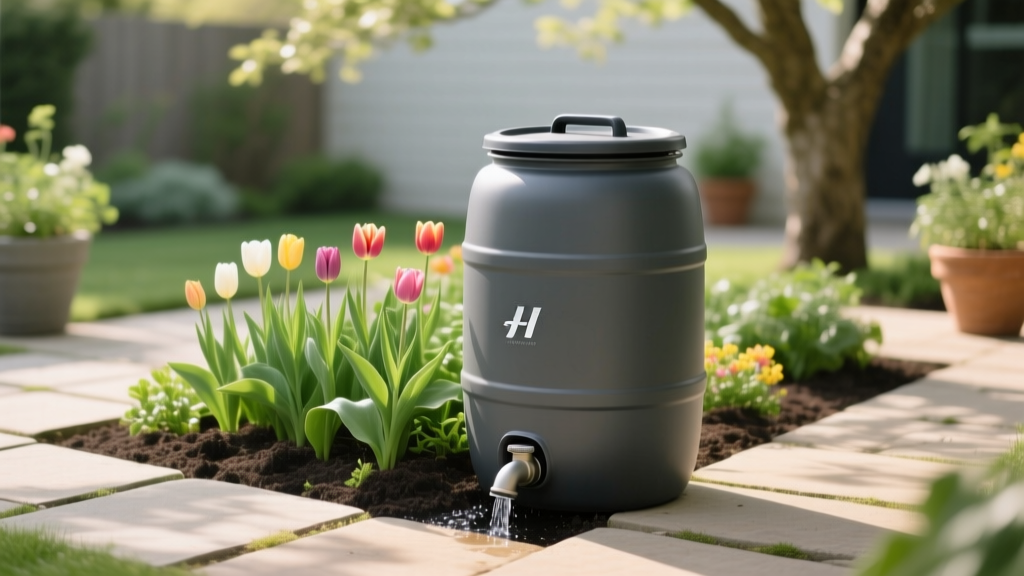
Spring Garden: Installing Rain Barrels Before Storms
The next big spring storm is either a problem or a resource—your choice. If you install rain barrels before the first heavy downpour, you can capture hundreds of gallons that would otherwise run off your property, erode beds, and flood low spots. This is the narrow window when gutters are flowing, plants are waking up, and municipal water rates haven’t yet punished your summer irrigation budget.
Act fast: aim to have barrels installed 1–2 weeks before your typical “first thunderstorm stretch” in your area, or as soon as daytime highs reliably hit 50–60°F (most sealants and outdoor caulks perform better above this). If you’re in USDA Zones 3–6, that’s often late March through April; Zones 7–8, February through March; Zones 9–10, you may be gearing up for spring rains even earlier—or preparing for dry-season capture depending on your rainfall pattern.
Below is a priority-driven spring checklist—what to prepare first (rain capture), then what to plant, prune, and protect—so you can use stormwater immediately instead of watching it disappear down the street.
Priority 1: Prepare stormwater capture now (before the next 1–2 storms)
Fast timing targets (use these numbers)
Use these concrete thresholds to decide when to move:
- 10–14 days before the forecasted start of your stormy period: install and test barrels.
- Install when daytime temperatures are consistently >50°F for adhesives/caulks and comfortable outdoor work.
- Clean gutters after the last hard freeze and before pollen season peaks; in many areas, that’s when nighttime lows stay above 28–32°F.
- If your average last spring frost date is April 15, finish installation by April 1 so you can capture April rains for pre-frost plantings and early watering.
- If your last frost is May 10 (common in colder Zones 3–5), install by April 20 to bank water for hardening off and transplant season.
Choose the right setup (capacity, placement, and overflow)
Start with the simplest reliable configuration: one barrel per downspout, placed on a stable base, with an overflow line directed away from the foundation. Many gardeners underestimate overflow; spring storms can fill a 50–65 gallon barrel quickly.
- Capacity rule of thumb: A 1 inch rain event on 1,000 sq ft of roof can yield roughly 600+ gallons of water (actual capture depends on roof material, losses, and diversion). One barrel is a start, but plan expansion.
- Best placement: Put barrels close to where you’ll use water (vegetable beds, greenhouse, seedling area) and where you can safely manage overflow.
- Elevation matters: Set barrels on a level platform 12–18 inches high (concrete blocks plus a paver top works) to improve hose flow and make filling cans easier.
- Overflow: Install an overflow hose at the top outlet and direct it at least 6–10 feet away from the house, ideally toward a rain garden, swale, or lawn area that can take surge flow.
“A mosquito-proof screen over the inlet is essential, and barrels must have an overflow outlet to handle heavy rains.”
—Extension guidance summarized from multiple state Extension rain barrel publications
Installation checklist (do this in one afternoon)
- Confirm your downspout location and measure height for diverter or inlet.
- Build a stable, level base (compacted gravel + pavers, or blocks + paver cap).
- Clean gutters and downspouts; flush debris so your first capture isn’t sludge.
- Install a leaf screen or first-flush diverter if you can (especially under trees and heavy pollen zones).
- Install inlet connection (diverter kit or direct downspout into screened opening).
- Install spigot with plumber’s tape; test for leaks.
- Install an overflow fitting and hose; route away from foundation.
- Secure the barrel (strap to wall/fence) if kids, pets, or wind exposure are factors.
- Add a tight lid and fine mesh screen to prevent mosquitoes.
Safety and water-use rules you should follow
Many extension services stress that captured roof runoff is best used for ornamental plants, lawns, and non-edible contact situations. Use extra caution for food gardens: avoid wetting edible leaves directly, and don’t use untreated rain barrel water on produce close to harvest.
For evidence-based safety guidance, consult:
- University of Maryland Extension (various rain barrel resources, updated regularly) on mosquito prevention and safe installation.
- Penn State Extension rainwater harvesting guidance regarding best practices for screened inlets, overflow, and maintenance.
Research and extension publications consistently emphasize insect exclusion, secure lids, and overflow management. For example, rain barrel and rainwater harvesting publications from land-grant universities routinely note that mosquito-proof screening and tight-fitting lids are non-negotiable for public health and usability.
Maintenance timeline for spring storms
- Week 1 (installation week): Clean gutters, install barrel, test with hose water.
- After the first storm: Check fittings, tighten spigot/overflow, confirm stable base hasn’t shifted.
- Every 2 weeks during heavy spring rain: Clear inlet screens, check for algae buildup, confirm overflow path is not eroding soil.
- Monthly: Drain and rinse sediment if water smells anaerobic, especially after high pollen drops.
Priority 2: What to plant right now (so captured water gets used immediately)
Spring rain barrel water is most valuable when you’re establishing seedlings, transplants, and new perennials. Planting choices depend on soil temperature and frost dates, not the calendar alone.
Cool-season planting window (soil 40–50°F)
When soil is workable and around 40–50°F, you can direct early captured rainwater toward steady moisture for germination.
- Direct sow: peas, spinach, radish, arugula, turnips.
- Transplant: onions, brassicas (broccoli, cabbage, kale) if hardened off.
- Perennials: plant bare-root or container perennials early so roots establish before heat.
Main-season planting window (after last frost; soil 55–65°F)
Use your local last frost date as the hard line for tender crops. If your average last frost is April 15, start hardening off warm-season transplants around April 1–7 and plant after nights stay above 50°F. If your last frost is May 10, shift that schedule accordingly.
- After last frost: tomatoes, peppers, basil, cucumbers, beans, squash.
- Direct sow when soil hits 60°F: beans, corn (region-dependent), melons.
Rain barrel strategy for planting week: Use captured water for deep soak immediately after planting, then switch to less frequent, deeper watering to encourage roots. Avoid constant shallow watering that keeps roots near the surface.
Priority 3: What to prune (and what not to touch yet)
Pruning in spring is about timing: prune too early and you stimulate growth that gets zapped by frost; prune too late and you remove flower buds or invite disease.
Prune now (late winter to early spring, before bud break)
- Roses (most types): remove deadwood; open the center for airflow.
- Summer-flowering shrubs that bloom on new wood (many panicle hydrangeas): prune before vigorous growth starts.
- Fruit trees: structural pruning before bloom, when temperatures are reliably above 25–30°F during the day to reduce brittle damage.
Wait to prune (protect spring flowers)
- Spring-flowering shrubs (lilac, forsythia, azalea): prune right after flowering so you don’t remove next year’s buds.
- Lavender in cold zones: wait until you see green growth at the base; pruning too early can invite dieback.
Sanitation: your spring disease prevention move
Remove and discard (don’t compost) visibly diseased leaves and mummified fruit. This one step reduces early-season inoculum for common diseases like apple scab and some leaf spots. University extension plant pathology programs consistently recommend sanitation as a first-line control in integrated pest management.
Priority 4: What to protect (seedlings, soil, and structures) during spring storms
Installing rain barrels is only half the storm plan. Spring storms can compact soil, shred seedlings, and spread fungal disease with splashing water. Protect what you’re actively growing.
Protect seedlings from cold snaps and wind-driven rain
- Use frost cloth when overnight lows threaten 32°F or lower, especially for early transplants.
- Vent covers when daytime highs exceed 65–70°F to prevent overheating.
- Stake or cage tall seedlings early; spring gusts can kink stems permanently.
Protect soil from compaction and erosion
- Mulch pathways and bare soil before heavy rain. Even a thin layer reduces splash and crusting.
- Use boards or stepping stones in beds to avoid walking on wet soil.
- Direct rain barrel overflow into a mulched basin or rain garden to stop gully formation.
Early-season pest and disease prevention (timely and specific)
Spring’s combination of cool nights and leaf-wetting rain is prime time for fungal issues and for pests emerging hungry.
- Slugs/snails: Expect pressure when nights are consistently 45–55°F and beds stay damp. Hand-pick at dusk, use traps, and keep mulch pulled back from tender stems.
- Aphids: Watch brassicas and roses as new growth flushes. Blast with water early in the day; encourage beneficials by avoiding broad-spectrum insecticides.
- Damping-off in seedlings: If you’re starting indoors, avoid overwatering. Use clean trays and fresh media; provide airflow. (Extension seed-starting guidance repeatedly emphasizes sanitation and airflow for prevention.)
- Powdery mildew prevention: Start spacing and pruning for airflow now; don’t wait until you see white fuzz.
Monthly storm-and-garden schedule (adjust by zone and last frost)
Use this as a working schedule. Replace the example dates with your local last frost date and typical spring storm pattern.
| Window | Rain Barrel Priority | Garden Tasks to Pair With Captured Water | Weather Triggers |
|---|---|---|---|
| Late Feb–Early Mar (Zones 7–10) | Install barrels; clean gutters; add screens | Direct sow cool greens; transplant onions/brassicas | Day highs >50°F; nights mostly >32°F |
| Mid–Late Mar (Zones 5–7) | Install + test; confirm overflow routing | Peas/spinach/radish; prune roses/summer bloomers | Soil workable; soil ~40–50°F |
| Early–Mid Apr (Zones 4–6) | Add second barrel or link kits if storms are frequent | Harden off transplants 7–10 days; set out hardy crops | Forecast rain; watch late freezes below 28–32°F |
| Late Apr–Mid May (Zones 3–5) | Maintenance: screens, leaks, sediment rinse | After last frost: plant potatoes; later tomatoes/peppers | Last frost around Apr 15–May 10; soil >55°F for tender crops |
| May (Most zones) | Optimize: overflow to rain garden; mosquito check weekly | Mulch beds; start deep watering pattern; scout pests | Warmer nights >50°F; rapid plant growth |
Regional scenarios: how to adjust for your spring reality
Spring doesn’t behave the same everywhere. Use these real-world scenarios to decide what to do this week, not in theory.
Scenario 1: Cold spring, late frosts (USDA Zones 3–5; Upper Midwest, Northern New England, high elevations)
You may still be facing freezes into early May. Prioritize rain barrel installation on the first stretch of workable days, but keep the system drainable if hard freezes return.
- If nights drop below 25–28°F, disconnect hoses and drain exposed lines to prevent cracking fittings.
- Use captured water for cold-hardy greens and for pre-wetting new beds under row cover.
- Delay pruning of borderline-hardy shrubs until you can see bud survival; winter dieback can mislead you.
Scenario 2: Wet spring with saturated soil (Pacific Northwest, parts of the Northeast and Midwest)
If your soil is already saturated, rain barrels still help—but the bigger win is controlling overflow and reducing erosion.
- Route overflow into a rain garden or a mulched infiltration basin; don’t dump it into already-soggy beds.
- Avoid working soil when it forms a ribbon when squeezed—compaction lasts all season.
- Increase spacing and airflow now to prevent fungal outbreaks during extended leaf-wet periods.
Scenario 3: Warm spring that jumps to summer fast (USDA Zones 7–9; parts of the South, inland West)
Your spring rains may be brief, followed by heat. That makes early capture even more valuable, because you’ll be irrigating sooner than you think.
- Install barrels early (often February–March) and start using water for transplant establishment before heat spikes.
- Mulch immediately after soil warms to stabilize moisture; don’t wait until plants are wilting.
- Watch mosquitoes: warm weather accelerates breeding. Keep screens tight and water covered.
Scenario 4: Urban/suburban gardens with small yards and strict drainage
If you’re in a tight space, you can still capture meaningful water—just make overflow and stability non-negotiable.
- Use a slimline barrel against a wall; strap it securely.
- Direct overflow into a contained rain garden bed with moisture-tolerant plants.
- Check local rules or HOA guidelines about rain barrels and downspout connections.
Extension-backed best practices (with citations)
Two reliable themes show up across land-grant extension guidance and stormwater research: keep systems mosquito-proof and manage overflow safely.
- North Carolina State University Extension (published resources updated in 2018) emphasizes screened inlets and secure lids to prevent mosquito breeding and debris entry in rain barrel systems.
- University of Rhode Island Cooperative Extension (rainwater harvesting/rain barrel guidance, 2020) highlights overflow routing and stable bases to prevent foundation issues and tipping hazards.
For stormwater impacts and rain garden/overflow concepts, the U.S. EPA’s green infrastructure guidance (regularly updated; widely cited in municipal stormwater programs) reinforces that capturing and infiltrating runoff reduces downstream erosion and pollution loading—exactly what your garden experiences in miniature during spring downpours.
Right-now storm prep: a 60-minute walkthrough before the forecasted rain
Do this the day before a storm so you don’t discover problems mid-downpour.
- Clear leaves from gutter runs feeding the barrel.
- Confirm inlet screen is seated; no gaps larger than fine mesh.
- Check the base: no wobble, no undermined soil.
- Verify overflow hose is attached and pointed to a safe discharge zone.
- Open the spigot briefly to confirm flow and that it closes without dripping.
- Stage watering cans near the barrel so you can start using water as soon as it fills.
After the storm: put captured water to work within 24–72 hours
Rain barrel water is freshest when used soon. Within 1–3 days after a storm:
- Water transplants at the base (not overhead) to reduce leaf-wet disease risk.
- Moisten seed rows evenly to support germination (especially carrots and lettuce).
- Check for splash marks on lower leaves—an early warning for soil-borne disease spread; add mulch if needed.
- Scout for slugs and cutworms after rainy nights; set traps or collars immediately.
If your barrel develops odor or algae, that’s a maintenance signal—not a reason to quit. Add shading (place on the north side of a structure if possible), keep the lid closed, and rinse sediment monthly during heavy pollen season.
Quick reference: spring priorities by week
Use this as a simple timeline you can stick on the fridge.
- This week: Install rain barrel(s), screen inlet, add overflow, level base, test for leaks.
- Next week: Plant cool-season crops if soil is workable; prune what’s appropriate before bud break.
- Within 2 weeks: Mulch paths and bare soil; set up slug monitoring; harden off seedlings if you’re within 2–3 weeks of last frost.
- After last frost (example Apr 15 or May 10): Plant tender crops once nights hold near 50°F; shift to deep, infrequent watering using captured rain.
Spring storms are predictable enough to plan for and chaotic enough to punish procrastination. Get the barrels in place first, then let the weather do part of your watering for you—while you focus on the planting, pruning, and protection moves that actually determine how your garden performs by midsummer.