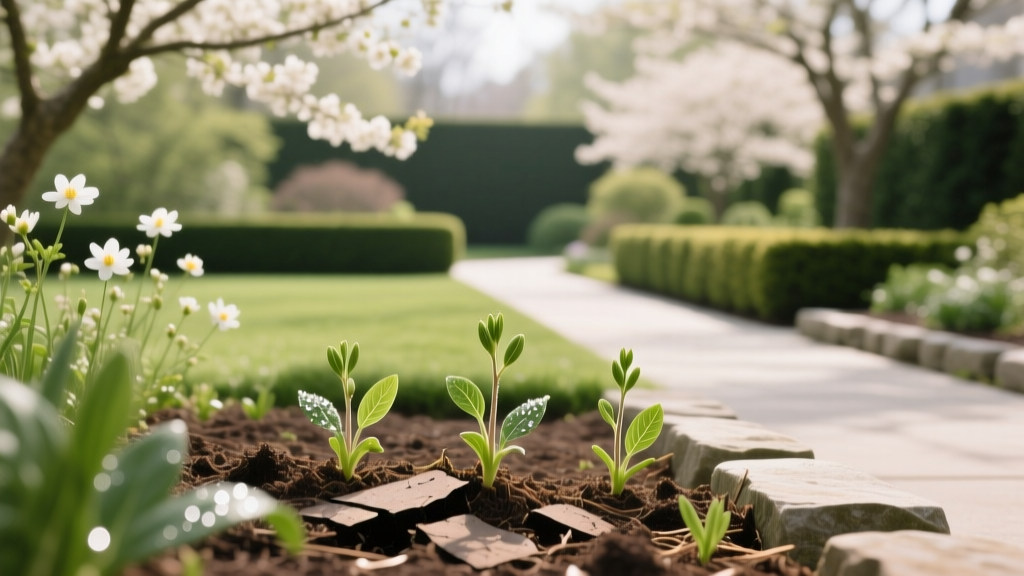
Spring Garden Weed Prevention Before They Start
Spring weeds don’t “arrive” all at once—they’re already queued up in your soil, waiting for the first stretch of mild weather and light. The big opportunity is that many of the most stubborn weeds (crabgrass, purslane, pigweed) are easiest to stop before you can see them. If you act during the narrow window between thaw and vigorous plant growth, you can cut weeding time by half for the rest of the season and protect your spring plantings from early competition.
This is the season to think like a weed: prevent germination, block light, disturb soil strategically (not constantly), and cover bare ground fast. The tasks below are organized by priority—what to prepare first, then what to protect, what to plant to outcompete weeds, and what to prune without accidentally “seeding” the problem.
Priority #1: What to Prepare (Weed prevention groundwork that pays all season)
1) Time your first moves to soil temperature—not the calendar
Weed seeds respond to soil temperature and moisture. Start monitoring soil temps as soon as snowmelt is gone and the top few inches can be worked. Use a soil thermometer or check a local ag weather network. Aim to begin prevention when:
- Soil reaches 40–45°F (cool-season weeds begin waking up; early prep window opens)
- Soil approaches 50–55°F (many annual weeds start germinating; pre-emergent timing becomes critical)
- Consistent 55°F soil temperature is a key trigger for crabgrass germination in many regions
Concrete timing anchors you can use right now:
- 2–4 weeks before your average last spring frost date: start bed prep and mulching plans.
- When forsythia blooms (common phenological cue): often aligns with early crabgrass-prevention timing in parts of the U.S.
- Apply many lawn pre-emergents when soil hits ~55°F for several days, not after you see weeds.
- Wait to mulch warm-season vegetable beds until soil is reliably above 50°F so you don’t slow crop growth.
- In Zones 3–5, this window often falls between late March and early May. In Zones 8–10, it can be February to March, especially after winter rains.
2) Weed seedbank strategy: disturb less, cover more
The fastest way to create weeds is to turn soil repeatedly. Every deep cultivation brings a new layer of dormant seed to the surface where light and temperature trigger germination. Use this rule:
- Deep cultivate once if you must (to incorporate compost or loosen compaction), then switch to shallow cultivation (top 1 inch) or no-till methods.
- Never leave bare soil for more than a week in spring—cover it with mulch, a tarp, or living plants.
“Most weed seeds germinate from the top inch or two of soil; minimizing soil disturbance reduces the number of seeds brought to the surface.” — Weed management guidance commonly emphasized in university extension recommendations (e.g., integrated weed management principles)
3) Use a “stale seedbed” for vegetable beds (high impact, low cost)
If you’re planting vegetables, the stale seedbed technique is one of the most reliable spring moves:
- 3–4 weeks before planting, prep the bed as if you’re ready to seed today.
- Water lightly to trigger weed germination.
- 7–14 days later, remove the flush of tiny weeds with a shallow hoeing (top 0.5–1 inch) or a quick flame weeder pass.
- Plant your crops with minimal additional soil disturbance.
This works best when daytime highs are consistently above 55–60°F and you can irrigate. In cool springs, give it an extra week.
4) Mulch timing: don’t mulch too early, don’t mulch too thin
Mulch prevents weeds mainly by blocking light. But timing matters: mulching cold soil can delay growth for heat-loving plants.
- Perennial beds & shrubs: mulch once soil is thawed and you’ve pulled visible winter annuals; typically 2–3 weeks before last frost.
- Warm-season vegetable beds (tomatoes, peppers, squash): wait until soil is consistently above 50°F.
- Mulch depth: aim for 2–3 inches of shredded bark, leaf mold, or weed-free composted mulch. Less than 2 inches invites light through; more than 4 inches can reduce oxygen and encourage rot around crowns.
Edge control: Most weed invasions start from bed edges. Create a clean, defined edge and keep it mulched; it’s the highest-return 10 minutes you can spend.
5) Choose the right barrier: cardboard, compost, or landscape fabric?
| Method | Best for | Strengths | Watch-outs |
|---|---|---|---|
| Cardboard + 2–3" mulch | New beds, pathway conversion, smothering turf | Strong light block, cheap, composts over time | Overlap seams 6–8"; keep away from tree trunks; add mulch on top so it doesn’t blow |
| 2–3" organic mulch (no barrier) | Established beds, shrubs, perennials | Improves soil, easy to refresh | Weeds can germinate in mulch layer if seeds blow in; refresh annually |
| Woven landscape fabric + mulch | Long-term shrub borders with minimal planting changes | Initially effective for many weeds | Weeds root into mulch on top; difficult to plant later; can impede water/air exchange over time |
6) Pre-emergent options (use selectively and safely)
Pre-emergent herbicides prevent germination. They can be useful in lawns and some ornamentals, but they also prevent desired seeds from sprouting. If you plan to seed vegetables or flowers, skip pre-emergents in those beds.
- Corn gluten meal: sometimes used as an organic pre-emergent; results vary with timing and moisture.
- Conventional pre-emergents (common for lawns): best timed to soil temps near 55°F for crabgrass prevention.
Extension-backed timing note: Many state extensions recommend crabgrass pre-emergent applications in spring before germination, often tied to soil temperature thresholds and phenological cues (see your local extension’s turfgrass schedule).
Citation: University of Minnesota Extension (2019), crabgrass prevention guidance emphasizes timing pre-emergents before germination and avoiding spring seeding conflicts.
Priority #2: What to Protect (Stop spring weeds from gaining a foothold)
1) Patrol winter annuals before they seed
Winter annual weeds germinate in fall, survive winter, and explode in early spring—then drop seed fast. Common culprits include chickweed, henbit, and deadnettle. The goal is simple: pull or cut them before they flower and set seed.
Do this on a warm, slightly damp day when soil releases roots cleanly. If you’re seeing tiny purple or white flowers now, you’re on a tight timeline—many winter annuals can set seed within weeks.
2) Protect lawns early: mowing height and bare spot repair
Thin turf is an engraved invitation to crabgrass and broadleaf weeds. Early spring lawn moves that reduce weed pressure:
- Mow cool-season lawns (fescue/bluegrass/rye) at 3–4 inches to shade soil and reduce weed germination.
- Fill bare spots with compost topdressing and overseeding in fall; in spring, limit seeding if you plan pre-emergent crabgrass control (they conflict).
- Sharpen mower blades—ragged grass tips increase disease risk.
Citation: Penn State Extension (2021) notes that dense turf and proper mowing height are foundational to weed prevention in lawns.
3) Stop weeds at the gate: clean tools, edges, and imported materials
Spring is when gardeners accidentally import weeds.
- Compost & manure: Use only properly composted materials. Ask suppliers if piles reach 131–170°F (hot compost range) to reduce weed seeds.
- Mulch: Buy from reputable sources; avoid mulch that smells sour or contains lots of visible seed heads.
- Tools: Knock soil off shovels and tiller tines after working in weedy areas. Weed seeds hitchhike in clods.
4) Spring pest and disease prevention that also reduces weeds
Weed prevention isn’t just about weeds—stressed plants lose ground to both pests and opportunistic weeds.
- Slugs and snails thrive under boards and thick, wet mulch. Keep mulch pulled back 2–3 inches from tender crowns, water in the morning, and use iron phosphate baits if needed.
- Damping-off in seedlings is common in cool, wet springs. Use sterile seed-starting mix, avoid overwatering, and provide airflow—healthy transplants compete better against weeds.
- Apple/pear sanitation: remove mummified fruit and prune for airflow to reduce disease pressure; healthier canopy reduces understory weed-friendly gaps.
Priority #3: What to Plant (Outcompete weeds with smart spring coverage)
1) Plant fast groundcovers in problem borders
If a bed is chronically weedy, it’s usually because the soil is exposed. Fill the space with living mulch or groundcovers suited to your USDA hardiness zone and light level.
- Sunny borders: creeping thyme (Zones 4–9), sedum (varies), strawberries as edible groundcover (Zones 4–9 depending on type)
- Part shade: sweet woodruff (Zones 4–8), barrenwort/epimedium (Zones 4–9)
- Shade: pachysandra (Zones 4–8), certain ferns (zone-dependent)
Spacing matters: plant tight enough that leaves knit together by early summer. If you can still see wide bands of bare soil after planting, mulch between plants immediately.
2) Cover crop options for early spring (regional timing matters)
Cover crops can suppress weeds by shading soil and occupying root space. The catch: many are better planted in late summer/fall. In spring, consider:
- Oats/field peas in cool regions for a quick biomass cover (terminate before seed set).
- Buckwheat only after danger of frost—plant when nights stay above 50°F and after your last frost date. It establishes fast and smothers weeds.
3) Direct-sow the “weed race” crops on time
The crops that win against weeds are the ones that establish quickly in cool soil. Plant these as soon as soil can be worked and is roughly 40–45°F:
- Peas, spinach, radishes, arugula, turnips
- Onions (sets or seedlings), leeks (transplants)
- Potatoes (plant about 2–4 weeks before last frost, depending on soil conditions)
Then use a light mulch or floating row cover to speed growth. Faster canopy closure equals fewer weeds.
Priority #4: What to Prune (Keep spring pruning from spreading weeds and disease)
1) Prune to reduce future weeding labor
Overgrown shrubs and dense perennials shade out desired plants in some spots while leaving bare soil in others—perfect for weeds. Early spring pruning lets you redesign light patterns.
- Thin crowded shrubs so underplantings fill in rather than leaving patchy, weedy soil.
- Cut back ornamental grasses before new growth is more than 2–4 inches tall.
- Remove last year’s seed heads from aggressive self-seeders before they drop (this is weed prevention in disguise).
2) Disease-aware pruning windows
Spring cuts can either prevent disease or invite it, depending on timing.
- Avoid pruning oaks during active oak wilt transmission periods in affected regions; check local extension guidance.
- Disinfect pruners when moving between diseased plants (70% isopropyl alcohol works well).
- Prune for airflow to reduce powdery mildew later—less plant stress means better competition against weeds.
Spring weed prevention schedule (use this as your weekly playbook)
| Timing window | What to do | Targets | Quick check |
|---|---|---|---|
| Weeks 1–2 after thaw (soil ~40–45°F) | Pull winter annuals; define edges; prep stale seedbeds | Chickweed, henbit, early bed invaders | Soil crumbles (not sticky); weeds pull roots intact |
| 2–4 weeks before last frost | Topdress beds; first mulch pass in perennials; repair turf thin spots (if not using pre-emergent) | General weed suppression | Mulch depth 2–3"; keep away from crowns |
| When soil trends 50–55°F | Crabgrass prevention decisions; second stale-seedbed pass; plant cool-season crops | Crabgrass, spring annual flush | Soil thermometer reads 55°F for several days |
| 0–2 weeks after last frost date | Mulch warm-season beds once soil >50°F; plant transplants; keep rows covered | Late spring weeds; moisture conservation | Mulch not matting; irrigation reaching soil |
| Late spring (daytime highs 70s; nights >50°F) | Plant buckwheat cover; scout for pests; spot-weed before seed set | Purslane, pigweed, fast annuals | Weed seedlings still at “thread stage” |
Three real-world spring scenarios (adjustments that matter)
Scenario 1: Cold spring in USDA Zones 3–5 (late frost, slow soil warm-up)
If your last frost commonly lands between May 10 and June 1, you can’t rely on calendar-based mulch timing. Key moves:
- Start weed prevention as soon as soil is workable, even if nights are still below freezing.
- Use clear plastic or a tarp for 10–14 days to warm soil and trigger weed germination for a stale seedbed, then remove and plant cool-season crops.
- Delay heavy mulching in heat-loving beds until soil is above 50°F to avoid stunting.
Pest note: Cool, wet springs favor slugs—keep boards and debris picked up around beds and protect seedlings early.
Scenario 2: Wet spring in the Northeast/Midwest (compacted soil, fast weed flush)
In rainy springs, the biggest mistake is working soil while it’s wet—compaction leads to poor crop growth and more weeds later.
- Do the “squeeze test”: if a handful of soil forms a sticky ball, don’t till.
- Use boards or stepping stones to avoid compacting bed paths.
- Prioritize surface mulching and hand removal of young weeds rather than cultivation.
Disease note: Wet foliage encourages fungal problems. Water at the base, not overhead, and thin crowded perennials so plants fill space without creating a humid mat that invites disease.
Scenario 3: Warm spring in USDA Zones 8–10 (weeds start earlier, summer weeds arrive fast)
If your last frost is often February 15 to March 15 (or you’re essentially frost-free), weeds can germinate through much of winter and explode in spring warmth.
- Mulch earlier, but watch irrigation: wet mulch plus warmth can trigger fungus and gnats in poorly drained beds.
- Expect multiple weed waves: remove weeds when they’re tiny (thread stage) every 7–10 days.
- Use living groundcovers and dense planting—sun-baked bare soil is prime territory for purslane and spurge.
Pest note: Fire ants and early aphid outbreaks can stress young plants; keep plants vigorous with consistent watering and avoid excess nitrogen that encourages tender growth and aphids.
Spring checklists you can use this week
48-hour weed prevention checklist (quick wins)
- Pull or cut winter annual weeds before flowering.
- Redefine bed edges; remove grass creeping into beds.
- Cover any bare soil with 2–3 inches mulch or cardboard + mulch.
- Clean up seed heads from aggressive self-seeders.
- Start a soil temperature log (morning readings for 5 days).
Two-week timeline checklist (strategic moves)
- Prep one stale seedbed; water once; flush weeds; shallow hoe at 7–14 days.
- Decide lawn strategy: spring pre-emergent or spring seeding (rarely both).
- Mulch perennial beds when soil is workable; keep mulch off crowns and trunks.
- Inspect and remove weed reservoirs: fence lines, compost edges, driveway cracks.
- Scout for slugs/snails and protect seedlings early.
Expert-backed notes on timing and prevention (what research supports)
Two patterns are consistent in extension and research-based recommendations:
- Timing pre-emergents and prevention measures before germination is far more effective than reacting after weeds appear. (University of Minnesota Extension, 2019)
- Dense, healthy turf and correct mowing practices are among the most reliable weed prevention tools in lawns because they reduce light at the soil surface. (Penn State Extension, 2021)
If you only do one thing this spring, do this: cover soil. Bare soil in spring is a weed nursery. A tight mulch layer, a living groundcover, or a planned stale seedbed interrupts the weed life cycle before it starts—right when weeds are most vulnerable and your time is most valuable.
Keep your spring rhythm simple: check soil temperature, remove winter annuals before they seed, cover every exposed patch of ground, and avoid unnecessary soil disturbance. Do that for the next 3–4 weeks, and you’ll feel the difference every time you walk your garden paths in early summer.