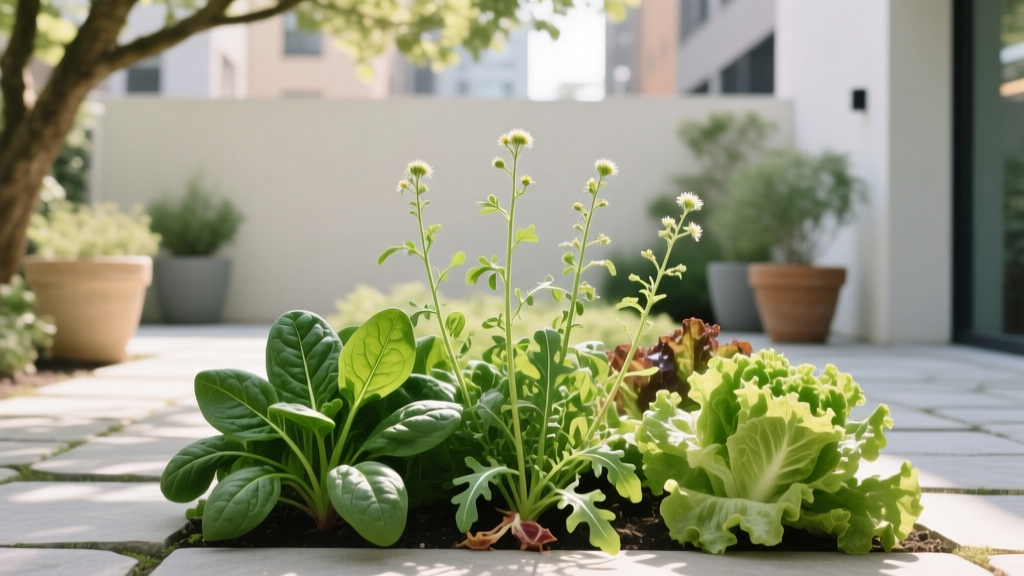
Summer Garden: Managing Bolting Greens in Heat
The moment daytime highs start sticking above 80°F, leafy greens change gears. Spinach turns sharp, arugula bites back, cilantro shoots up, and lettuce suddenly wants to flower instead of feed you. That’s not a failure—it’s a seasonal pivot. The opportunity right now is to harvest what’s left at peak quality, slow bolting where you can, and set up the next wave so you’re not stuck waiting until fall for salads.
This is a “do it this week” guide for summer heat: what to plant immediately, what to prune or pull, what to protect from sun and stress, and what to prepare for late-summer sowing. Use it like an almanac page—scan your forecast, check your soil moisture, and act.
Priority #1 (This Week): Harvest, Triage, and Make Space
Spot bolting early (and act before flavor drops)
Bolting is triggered by a mix of heat, day length, and plant stress. Once a central stalk forms, leaf texture and flavor decline fast—often within 7–14 days in hot weather. Your goal is to harvest aggressively and decide what’s worth saving.
- Lettuce: Harvest whole heads early in the morning. If you see a taller center “cone,” cut the plant at the base and refrigerate immediately.
- Spinach: Once it elongates, quality drops quickly. Harvest remaining leaves right away; plan a replacement crop.
- Arugula & mustard greens: These can be harvested through early bolting. Take the top growth often; young flower buds are edible and peppery.
- Cilantro: At the first sign of a central stem, harvest heavily. You can let a few plants bolt intentionally for coriander (seed).
“High temperatures and long days promote bolting in cool-season crops; once flowering starts, leaf quality declines.” — University of Minnesota Extension, 2020
Harvest checklist (do today or tomorrow morning)
- Harvest greens at dawn or within 2 hours of sunrise for best texture.
- Cool immediately: shade basket harvests; rinse in cold water; spin dry; refrigerate.
- For partially bolted lettuce: cut and taste. If bitter, compost it and replant the space.
- Flag 2–3 cilantro plants you’ll keep for seed (coriander) if desired.
- Remove stressed plants that attract pests (especially aphids and leafminers).
Decide: salvage, shade, or pull?
Use temperature thresholds to guide decisions:
- When highs are 75–85°F: you can often buy 1–2 more weeks of leaf production using shade cloth and consistent moisture.
- When highs are 85–95°F for multiple days: most spinach and cilantro will bolt rapidly; prioritize harvest and succession planting.
- When night lows stay above 70°F: lettuce quality typically slides; switch to heat-tolerant greens or pause until late summer.
Priority #2: What to Protect (Keep Greens Productive Longer)
Shade strategies that work in real gardens
Shade is the fastest lever you can pull. A 30–50% shade cloth can reduce leaf temperature and slow bolting. Install it before the next heat wave if possible.
- Best quick setup: hoops + shade cloth clipped on the south/west side.
- Microclimate trick: plant greens on the east side of taller crops (tomatoes, pole beans, corn) so they get morning sun and afternoon shade.
- Container gardens: move pots to receive 4–6 hours morning sun and afternoon shade.
Watering for bolt control (consistent, not constant)
Water stress accelerates bolting. Aim for steady soil moisture in the top 6 inches. In most summer beds, that means deep watering 2–4 times per week depending on soil type and mulch.
- Mulch depth: keep 2–3 inches of straw, shredded leaves, or fine bark around greens (avoid burying crowns).
- Timing: water early morning; avoid frequent shallow sprinkles that heat soil and promote disease.
- Drip irrigation: keeps foliage dry and reduces leaf-spot issues.
Heat + overhead watering late in the day is a common trigger for downy mildew and leaf spot in dense plantings. If you must overhead water, do it early so leaves dry quickly.
Prevent summer pests that pile onto stressed greens
Bolting greens attract pests because stressed plants leak more sugars and become easier targets. Focus on prevention and early intervention.
- Aphids: blast off with water in the morning; follow with insecticidal soap if needed. Remove heavily infested bolting plants—they’re aphid magnets.
- Leafminers: remove mined leaves promptly; use lightweight row cover on new plantings.
- Flea beetles (arugula, mustard): row cover on seedlings; keep plants growing fast with steady moisture; avoid letting seedlings stall.
- Slugs/snails: mulch can harbor them—use iron phosphate bait in wet climates; keep boards/traps out and check at dusk.
For IPM reference, multiple extensions emphasize using row covers for exclusion on young plants and removing infested plant material promptly to reduce pest pressure (e.g., University of California IPM, 2018).
Priority #3: What to Prune (and What to Let Flower on Purpose)
Cutting back: when it helps vs. when it doesn’t
Pruning doesn’t “reverse” bolting, but it can extend harvest for certain greens.
- Arugula/mustard: cut plants back to 2–3 inches tall when they get leggy; water deeply and shade. You may get another flush in 10–14 days.
- Leaf lettuce: “cut-and-come-again” works only before the plant commits to a tall central stalk. If stalking has started, harvest whole and replant.
- Cilantro: once stems elongate, harvest and replant. Cutting back rarely returns it to lush leaf production in real summer heat.
Let some plants bolt (planned seed and beneficial insects)
Not all bolting is waste. A few flowering plants can support pollinators and beneficial insects in midsummer when blooms may be limited.
- Cilantro flowers: attract hoverflies and tiny parasitic wasps that help with aphids.
- Arugula flowers: edible and attractive; seed pods can be saved if you’re curious (label them—arugula self-sows easily).
Rule of thumb: keep 1–3 plants for flowering/seed in a corner, and clear the rest so your bed stays productive.
Priority #4: What to Plant Now (Heat-Smart Succession Plans)
Replace bolting greens with heat-tolerant options
If your forecast shows repeated days above 85°F, pivot away from spinach and cilantro for now. Plant greens that tolerate heat and still deliver salad volume.
- Malabar spinach (Basella alba): thrives in heat; start from transplants or direct sow when nights are reliably warm (above 65°F).
- New Zealand spinach (Tetragonia): slow to germinate; soak seed 12–24 hours; great for hot beds.
- Amaranth greens: fast summer leaf crop; harvest young leaves repeatedly.
- Chard: handles heat better than most greens; provide afternoon shade in very hot zones.
- Heat-tolerant lettuce types: romaine and some batavians tend to hold longer; still expect summer bitterness during heat spikes.
Stagger sowing: small, frequent plantings beat one big one
In summer, plan successions every 10–14 days for quick crops (arugula, leaf lettuce in partial shade) and every 2–3 weeks for chard or amaranth greens.
Germination tip: lettuce seed struggles when soil temperatures rise above about 80°F. If your soil is hot, pre-sprout seed on a damp paper towel indoors, or sow in flats kept cool and shaded, then transplant.
Extension guidance commonly notes lettuce germination problems at high soil temperatures and recommends cooling strategies like shade and irrigation timing (University of California Agriculture and Natural Resources, 2015).
Regional scenarios: what “plant now” means where you live
Scenario 1: Pacific Northwest / Coastal (cool nights, mild days)
If your highs hover 70–82°F with cool nights, you can keep lettuce going longer. Use 30% shade cloth during sunny stretches and keep sowing leaf lettuce every 2 weeks. Cilantro may still bolt as days lengthen—plant it in dappled shade and keep evenly watered.
Scenario 2: Hot interior West / Southwest (Zone 8–10 heat)
When highs hit 95–105°F, treat most cool-season greens as finished. Shift to Malabar spinach, amaranth greens, and chard under 50% shade. Plan to restart lettuce later, roughly 8–12 weeks before your first fall frost—or when daytime highs drop back below 85°F.
Scenario 3: Midwest / Northeast (hot spells + thunderstorms)
Rapid swings from 78°F to 92°F plus heavy rain can stress greens and invite disease. Improve airflow: thin dense stands, water early, and avoid nitrogen-heavy fertilizing during heat spikes (it can push lush growth that wilts and attracts aphids). Succession sow in partial shade and protect seedlings from pounding rain with light row cover.
Scenario 4: High elevation / short season (cool nights, intense sun)
Even if days are warm, cool nights can help lettuce hold. Your bigger enemy is intense UV and rapid drying. Use shade cloth and mulch, and consider windbreaks. You can often keep leaf lettuce productive longer than lower elevations, but irrigation consistency is critical.
Timing You Can Put on a Calendar (and Adjust by Zone)
Use your average first fall frost date as your anchor. In USDA Zones 3–5, first frost is often in the September–October window; in Zones 6–7, often October–November; in Zones 8–10, frost may be late or absent. Count backward for fall greens.
- 8–10 weeks before first fall frost: sow carrots, beets, and chard for fall harvest; start fall brassicas if you grow them.
- 6–8 weeks before first fall frost: sow lettuce (especially romaine/batavian), arugula, and Asian greens as heat eases.
- When highs drop below 85°F consistently: lettuce quality improves noticeably; restart successions.
- When highs are above 90°F for 3+ days: expect rapid bolting—harvest and protect, don’t wait.
Monthly schedule: managing bolting greens (adjust for your microclimate)
| Month | What you’ll likely see | Top actions | Planting focus |
|---|---|---|---|
| June | Long days; first bolt signals in cilantro/lettuce | Install 30–50% shade cloth; mulch 2–3"; harvest aggressively | Chard, basil; small sowings of lettuce in shade every 10–14 days |
| July | Heat spikes; fast bolting above 85–90°F | Pull bitter plants; control aphids/leafminers; water deep 2–4x/week | Malabar spinach, amaranth greens, New Zealand spinach |
| August | Late-summer transition; some nights cool | Prep seedbeds; start fall successions when highs drop <85°F | Arugula, lettuce, cilantro (in shade), fast Asian greens |
| September | Fall growth window opens (Zones 3–7) | Row cover for early frosts; keep watering steady | Lettuce, spinach (as temps cool), overwinter greens in mild zones |
Prepare Now: Set Up for Late-Summer and Fall Greens
Bed reset: cool the soil and rebuild structure
After pulling bolted greens, don’t leave bare soil. Bare soil heats up and bakes beneficial soil life.
- Top-dress with 1–2 inches of finished compost.
- Re-mulch to maintain 2–3 inches depth.
- If you’re direct sowing in heat, rake mulch aside in a narrow band, sow, then lightly cover with compost and keep evenly moist.
Pre-sprouting and nursery trays (the summer germination advantage)
When soil is too hot for lettuce germination (often above 80°F), start seeds in plug trays in a cooler spot—north side of the house, under shade cloth, or indoors under lights for the first few days. Transplant seedlings at 2–3 true leaves for best establishment.
Heat-wave readiness: a 48-hour action plan
If your forecast shows an incoming heat wave (highs above 90°F), do these within 48 hours:
- Harvest any greens that are close to bolting.
- Water deeply the morning before the hottest day (not at night).
- Install shade cloth or temporary shading (sheet on stakes, lattice, umbrella for containers).
- Check for aphids on undersides; remove worst leaves to reduce populations.
- Pause heavy fertilizing—avoid pushing soft growth that wilts and burns.
Common Summer Problems (and How to Prevent Them)
Bitter lettuce and tough leaves
Bitterness increases with heat and water stress. Your best controls are: morning harvest, shade, and consistent moisture. If bitterness is already strong, don’t fight it—clear the bed and replant with heat-tolerant greens.
Leaf diseases in humid spells
Dense plantings plus warm nights can trigger fungal issues. Prevention is mostly cultural:
- Thin plants so air can move through leaves.
- Water at the base early in the day.
- Remove diseased leaves; don’t compost heavily infected material if you can’t hot-compost.
Soil fatigue from repeated sowing
Greens are fast, but they still pull nutrients. If your successions start weak, add a light feeding: compost plus a balanced organic fertilizer at label rate. Avoid overdoing nitrogen in heat—lush growth is more attractive to aphids and can be floppier under sun stress.
Quick Reference: What to Do Right Now (Timeline + Checklist)
Next 3 days
- Harvest bolting greens early morning; chill immediately.
- Pull the most bitter or heavily infested plants.
- Mulch exposed soil; top-dress compost where you’ll replant.
- Set up 30–50% shade over remaining greens.
Next 7–14 days
- Start heat-tolerant replacements (Malabar spinach, amaranth greens, chard).
- Sow small successions every 10–14 days in the coolest part of the garden.
- Scout twice weekly for aphids and leafminers; remove hot spots early.
Next 4–8 weeks (late summer transition)
- Watch for highs consistently under 85°F—that’s your cue to restart lettuce successions.
- Count back 6–8 weeks from your first fall frost date to schedule fall greens.
- Prep row cover for early cold snaps (Zones 3–6 especially).
Bolting is your seasonal signal: the garden is shifting from spring-style leaf production to summer survival mode. Harvest what’s excellent, protect what’s still worth saving, and plant into the conditions you actually have—not the ones you wish you had. When the first cooler nights arrive and highs slide below 85°F, you’ll be ready with prepared beds, fresh seedlings, and a fall greens plan that doesn’t start from scratch.
Sources: University of Minnesota Extension (2020), guidance on bolting and quality decline in cool-season crops; University of California Agriculture and Natural Resources (2015), notes on lettuce germination challenges at high soil temperatures and cooling strategies; University of California Integrated Pest Management (2018), pest exclusion and sanitation principles for vegetables.