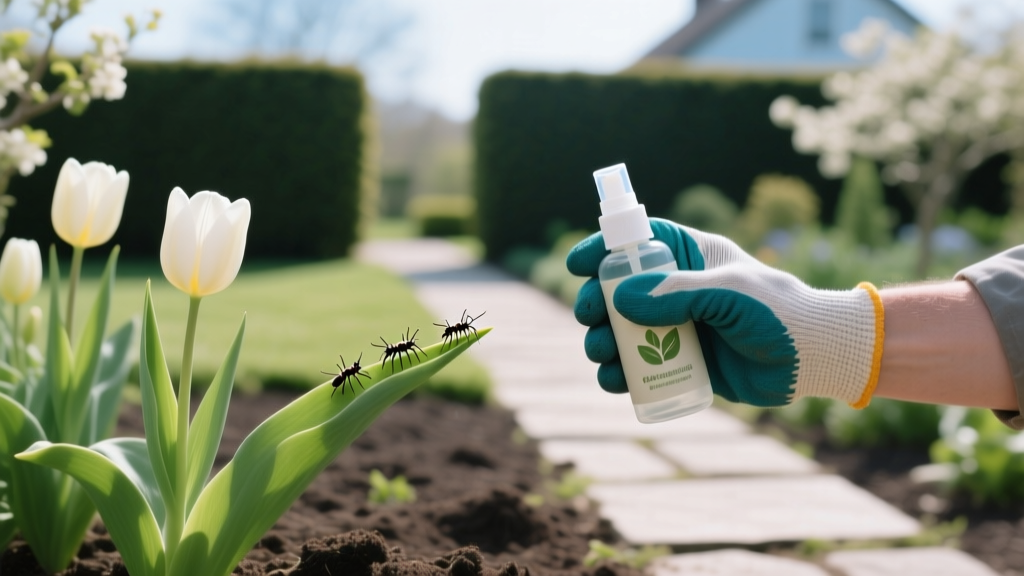
Spring Pest Control Strategies for Emerging Threats
Spring is the narrow window when you can prevent a season of pest pressure with a handful of well-timed moves. As soils warm and buds break, insects, mites, slugs, and disease spores “wake up” on the same cues your plants use: temperature, moisture, and day length. If you act before populations explode—often 2–4 weeks before bloom or as soon as nights stay above 40°F—you can avoid chasing outbreaks later with harsher interventions.
This guide is organized by priority, with what to do right now: what to plant (to recruit beneficials and reduce vulnerability), what to prune (to remove overwintered pest habitat), what to protect (with thresholds and targeted controls), and what to prepare (so you’re not improvising during peak pressure). Timing references assume a “typical” spring; adjust by your last frost date, USDA zone, and what you’re seeing in your beds.
Priority 1 (This Week): What to Plant to Outsmart Spring Pests
Planting isn’t just for harvest—spring plant choices can interrupt pest cycles and build a beneficial insect workforce before aphids and caterpillars peak. Start with plants that establish in cool soils and support predators and parasitoids early.
Plant “beneficial banks” near problem crops
By 2–3 weeks before your last frost date (or as soon as beds are workable), sow or transplant:
- Sweet alyssum (Lobularia maritima): nectar for hoverflies and tiny parasitoid wasps; excellent near brassicas and lettuce.
- Cilantro/coriander: let a few plants bolt—its flowers are a magnet for beneficial wasps.
- Dill and fennel (in a contained spot): supports predatory insects; don’t place fennel right next to carrots if carrot pests are an issue.
- Calendula: early bloom support and a “trap” for aphids in some gardens (monitor and remove heavily infested stems).
Timing trigger: sow when daytime highs are consistently 50–65°F. In USDA Zones 7–10, this may be late February to March; in Zones 3–6, it’s often late March to April.
Use “sacrificial” and “trap” plantings strategically
If you routinely see flea beetles on arugula, mustard greens, or eggplant seedlings, plant a small patch of fast-growing mustard 10–14 days before your main brassicas go in. Check it daily; when flea beetles concentrate there, vacuum them in the morning (cooler temps slow them down) or remove the worst leaves.
Choose spring varieties that avoid early pest peaks
In areas with chronic spring aphids, pick lettuce varieties that mature quickly (30–45 days) and harvest young. For brassicas in regions with early cabbageworm pressure, choose faster-maturing kales and keep them under cover early (details below).
Quick planting checklist (do this now)
- Seed alyssum/cilantro/dill along bed edges and pathways.
- Plant an early mustard patch if flea beetles are a yearly issue.
- Stagger sowings (every 10–14 days) to avoid one big vulnerable flush of seedlings.
- Water transplants in the morning to reduce nighttime leaf wetness (helps with disease prevention).
Priority 2 (Next 7–10 Days): What to Prune and Remove Before Pests Multiply
Most spring “emerging threats” aren’t truly new—they’re pests that overwintered in leaf litter, dead stems, mulch layers, or mummified fruit and are now reactivating. Removing habitat is the fastest non-chemical control you can do.
Orchard and berry sanitation (even in small yards)
Before buds swell or at least 3–4 weeks before bloom, remove:
- Mummified fruit (old shriveled fruit) from trees and the ground—key for reducing brown rot and other disease carryover.
- Cankered twigs and dead wood: prune back to healthy tissue; sanitize tools between cuts on suspect branches.
- Old raspberry floricanes and broken canes: improve airflow and reduce disease and borer habitat.
Temperature cue: do your major pruning while daytime temps are above 32°F and before extended wet periods. Wet pruning windows can spread disease, especially in stone fruits.
Perennial bed cleanup without wiping out beneficials
Pollinators and predators often overwinter in stems and leaf litter. Instead of stripping everything at once, use a targeted approach:
- Cut last year’s hollow stems to 8–12 inches (some native bees use them).
- Remove disease-prone debris (powdery mildew-covered leaves, blighted stems) and compost only if you hot-compost reliably.
- Rake thick, wet leaf mats off crowns of plants to reduce slug habitat.
Weed early—especially winter annuals that host pests
Chickweed, shepherd’s purse, and mustards can shelter aphids and flea beetles. Weed on a dry day, then lightly cultivate the top 1–2 inches of soil to disrupt small larvae and expose slug eggs.
Priority 3 (Right Now Through Bud Break): What to Protect From Spring’s First Pest Waves
This is where spring pest control becomes “timed defense.” Your goal is to intercept pests at their most vulnerable stage: eggs, newly hatched larvae, and early colonies. The tactics below are layered—start with monitoring and physical controls, then step up only if pressure warrants.
Monitoring: the 10-minute circuit that prevents surprises
Twice weekly (every 3–4 days) during rapid warmups, walk your garden and check:
- Undersides of new leaves for aphids and eggs.
- Seedlings for shot-hole damage (flea beetles).
- Leaf edges and soil surface for slug trails and fresh holes.
- Tree buds and young shoots for scale crawlers or mite activity.
Use a simple field rule: if you see the same pest in 3 separate spots on one plant or bed, take action that day. Early response beats any spray later.
“Dormant oil sprays work by smothering insects and mite eggs; thorough coverage is essential, and applications must be timed to plant dormancy or delayed-dormant stages to avoid injury.”
—Extension guidance summarized from Washington State University Extension (WSU), 2020
Delayed-dormant oils for scale, mites, and overwintering eggs (trees and shrubs)
If you’ve had scale insects, spider mites, or aphids on fruit trees in past years, consider a dormant or delayed-dormant horticultural oil application. Apply when:
- Temps are between 40–70°F for the next 24 hours,
- No freeze is expected within 24–48 hours,
- And plants are dormant to green-tip stage (timing varies by species).
Coverage matters more than concentration. Spray until branches are evenly coated (not dripping excessively). Avoid spraying water-stressed plants and don’t apply during bloom to protect pollinators.
Citation: Michigan State University Extension notes the value of dormant oils for suppressing overwintering insect stages and emphasizes correct timing and coverage (MSU Extension, 2019).
Row covers: your best spring tool for “emerging” insects
Lightweight row cover (floating cover) blocks flea beetles, cabbage root maggot flies, and early moths before they lay eggs. Install:
- Immediately after transplanting brassicas, spinach, beets, and early greens.
- Seal edges with soil, boards, or sandbags—small gaps are enough for pests to enter.
- Keep in place for 3–5 weeks or until plants are robust and pest flights subside.
Regional note: In coastal Pacific Northwest springs, long cool periods can extend flea beetle season—row cover often needs to stay on longer than you’d expect.
Slug and snail surge: act when nights stay above 45°F
Slugs spike with cool rain and dense mulch. When nighttime lows stay above 45°F and soils are damp, assume slugs are active. Combine:
- Habitat reduction: pull mulch back 2–3 inches from seedlings and crowns temporarily.
- Trapping: boards or grapefruit halves checked at dawn.
- Targeted baiting: iron phosphate baits scattered thinly near hotspots (follow label; reapply after heavy rain).
Citation: University of California Agriculture and Natural Resources lists iron phosphate as a lower-toxicity molluscicide option and emphasizes moisture-driven activity patterns (UC ANR, 2018).
Aphids on tender growth: crush, wash, or recruit predators
Spring aphids often arrive on soft growth (roses, peas, kale, fruit tree tips). Your early-season choices:
- Hand-squish small colonies (fastest when numbers are low).
- Strong water spray in the morning; repeat every 2–3 days until predators catch up.
- Avoid high-nitrogen spikes (lush growth attracts aphids). Use balanced fertilizers and don’t overdo soluble feeds.
If you must use soap sprays, treat at dusk, avoid open flowers, and test on a small section first—spring leaf tissue can be more sensitive.
Early blights, mildews, and damping-off: prevent the first infection cycle
Spring diseases are often driven by wet leaf surfaces and cold soils. Focus on:
- Watering timing: water at soil level, mornings only.
- Spacing: thin seedlings to prevent a humid canopy.
- Clean starts: sterile seed-starting mix for indoor starts; avoid reusing dirty flats.
- Temperature threshold: hold warm-season transplants until soil is at least 60°F (tomatoes, peppers) to reduce stress and disease susceptibility.
Priority 4 (Before Your Last Frost + 2 Weeks): What to Prepare So You’re Ready for the Next Pest Wave
Emerging threats often show up when spring turns into early summer—sudden heat, rapid plant growth, and the first major hatch cycles. Preparing now makes responses fast and precise.
Set up a simple spring pest station
- Row cover + clips or hoops (ready to deploy in 10 minutes).
- Yellow sticky cards (for greenhouse/indoor starts; use sparingly outdoors).
- Hand lens (10x) for mites, scale crawlers, and egg ID.
- Iron phosphate slug bait (sealed container).
- Pruners + rubbing alcohol wipes for quick sanitation.
Know your frost date and your soil temperature—both change pest timing
Use your local last frost date as an anchor, then adjust by actual conditions:
- In USDA Zone 5, last frost often falls around May 1–15.
- In Zone 7, it may be March 25–April 10.
- In Zone 3–4, last frost can be May 20–June 10.
Track soil temperature at 2–4 inches depth. Many pests synchronize with plant stress—cold soils slow roots, making seedlings more vulnerable to flea beetles, root maggots, and damping-off.
Build a “rotation map” to reduce recurring pest hotspots
Before you plant everything, sketch where these crop families will go, aiming for a 3-year rotation if space allows:
- Brassicas (cabbage, kale, broccoli): reduce clubroot and root maggot buildup.
- Alliums (onion, garlic): reduce onion maggot risk.
- Solanaceae (tomato, pepper): reduce soilborne disease carryover.
Spring Timing Table: What to Do and When (Use This as Your Weekly Scheduler)
| Spring window | Temperature / date trigger | Top pest risks | Most effective actions |
|---|---|---|---|
| Late winter to early spring | Daytime highs 40–55°F; 4–6 weeks before last frost | Overwintered scale, mite eggs, disease carryover | Sanitation pruning; remove mummified fruit; consider delayed-dormant oil during safe temps |
| Pre-frost planting window | 2–3 weeks before last frost; soil workable | Slugs, damping-off, flea beetles on seedlings | Sow beneficial banks; start trap mustard; thin seedlings; pull mulch back from vulnerable starts |
| Last frost to +2 weeks | Night lows trending above 40–45°F | Aphids surge; root maggot flights; slug activity spikes | Install row covers immediately; morning scouting every 3–4 days; iron phosphate bait in hotspots |
| Mid-spring warmups | 3–5 consecutive days above 65°F | Caterpillars begin; rapid aphid multiplication; mildew risk in dense growth | Keep covers sealed; hand-remove eggs/larvae; adjust spacing and watering; avoid nitrogen spikes |
| Approaching early summer | Soil 60°F+; consistent warm nights | Mites in dry spells; expanded pest range northward | Transition to targeted controls; strengthen irrigation consistency; maintain flowering beneficial strips |
Regional Scenarios: Adjust for What Spring Is Actually Doing Where You Live
Pests don’t read calendars. Use these scenarios to adjust tactics to your region’s spring pattern.
Scenario 1: Cool, wet spring (Pacific Northwest, Great Lakes, Northeast)
When rain is frequent and mornings are cold, your biggest “emerging” threat is often slug damage and fungal disease setup.
- Prioritize slug monitoring at dawn and remove hiding boards daily for a week to knock populations back.
- Keep mulch thinner until seedlings are established; avoid burying crowns.
- Space greens more than you think you need; cool wet air stalls drying and encourages mildew.
- Row cover can double as a rain-splash barrier over low hoops—less soil splash means fewer disease problems.
Scenario 2: Early heat spike after a mild winter (Mid-Atlantic, parts of the South, urban heat islands)
If you jump from 50s to 80s quickly, aphids can explode and beneficials may lag behind.
- Start scouting as soon as you get 3 warm days in a row above 70°F.
- Use water sprays every 2–3 days on aphid-prone plants to keep colonies from establishing.
- Don’t push tender growth with high-nitrogen fertilizers—steady, moderate growth is less attractive.
- Get alyssum and cilantro flowering early to recruit hoverflies fast.
Scenario 3: Late frosts and short springs (USDA Zones 3–5, higher elevations)
In short seasons, gardeners often plant densely to “make time,” but density drives disease and makes scouting harder.
- Hold warm-season crops until soil is reliably 60°F; cold stress invites problems that look like pests but are actually transplant shock and root slowdown.
- Use row covers for warmth and pest exclusion—seal edges tightly.
- Stagger sowings every 10–14 days so one hailstorm or pest flare-up doesn’t wipe out the entire planting.
Scenario 4: Arid and windy spring (Intermountain West, High Plains)
Wind and low humidity reduce some foliar diseases but can increase plant stress and set the stage for mites and transplant failure.
- Use windbreak cloth temporarily for young transplants; stressed plants attract pests.
- Keep irrigation consistent—avoid drought swings that favor mites.
- Rinse dusty foliage occasionally; dust can worsen mite issues and reduce predator efficiency.
Timelines You Can Follow: 30 Days of Spring Pest Prevention
Use this timeline starting whenever your garden is at “early spring” stage (beds workable, buds swelling, or cool-season planting underway). Adjust by your last frost date and local conditions.
Days 1–3
- Do the first sanitation sweep: remove mummified fruit, diseased debris, and thick wet leaf mats.
- Set 2–4 slug boards in known damp spots.
- Check trees/shrubs for scale bumps and mite stippling; note hotspots.
Days 4–10
- Sow alyssum/cilantro/dill along bed edges if temps are trending 50–65°F.
- Install row cover over brassicas and tender greens immediately after planting.
- Weed winter annuals before they seed; lightly cultivate top 1–2 inches.
Days 11–20
- Start twice-weekly scouting (every 3–4 days), focusing on leaf undersides and new growth.
- If slugs are present, begin iron phosphate baiting in a thin perimeter around seedlings; refresh after heavy rain.
- Thin seedlings to improve airflow; water mornings only.
Days 21–30
- Evaluate row cover: keep sealed if flea beetles/root maggots persist; vent on hot days to prevent overheating.
- Remove and destroy heavily infested trap plants (mustard) if they’re serving as pest reservoirs.
- Spot-prune aphid-infested tips on ornamentals; rinse remaining colonies with water.
High-Impact Spring Pest Moves (Do These Before You Reach for Sprays)
These are the tactics that consistently prevent small problems from becoming weekly battles:
- Seal row cover edges—90% of failures come from gaps.
- Water in the morning and avoid wetting foliage; spring nights are long and cool, so leaves stay wet longer.
- Keep seedlings growing steadily (not stalled by cold soil, not forced by excess nitrogen).
- Scout twice weekly during warmups; respond while populations are localized.
- Sanitation first—remove overwintered disease and pest shelters before you see damage.
Spring pest control is less about “killing bugs” and more about timing: remove overwintering sources, block early access to seedlings, and build beneficial habitat before pests peak. If you do the priority actions above in the next 7–14 days, you’ll feel the difference by the time your garden hits full growth—healthier plants, fewer outbreaks, and far less need for last-minute interventions.
Sources: Michigan State University Extension (2019); Washington State University Extension (2020); University of California Agriculture and Natural Resources (2018).