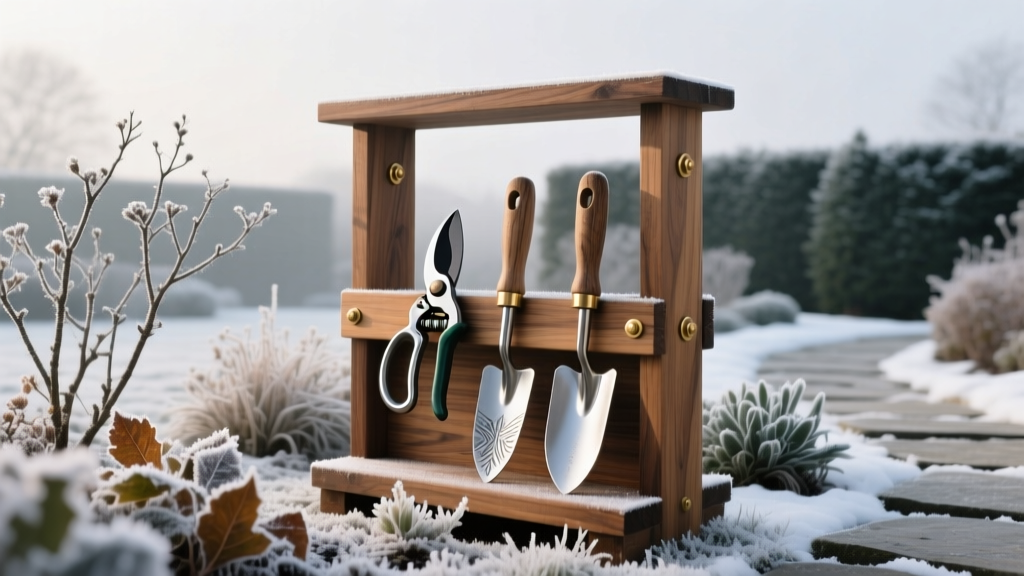
Winter Garden: Designing a Garden Tool Sharpening Station
The fastest way to waste a rare warm afternoon in winter is to spend it hunting for a file, oil, or a missing wrench while your pruners chew through wood instead of slicing cleanly. Winter is your window to build a dedicated tool sharpening station—before late-winter pruning kicks in, before spring bed prep, and before the first dry, windy day turns dull blades into torn plant tissue (and an easy entry point for disease). Treat this as a “do it now” project: if you set up the station in the next 2–3 weeks, you’ll start spring with sharper cuts, fewer plant infections, and far less downtime.
Use the structure below like a seasonal almanac: priority tasks first, with timing triggers (temperature thresholds, frost-date milestones, and week-by-week checkoffs) and region-specific adjustments. You’ll also get a practical station design that fits a shed, garage, mudroom, or even an apartment balcony.
Priority 1: What to Prepare Right Now (Your Sharpening Station Build)
Start with what matters most: a station that is safe, fast, and so convenient you’ll actually use it. The goal is a repeatable workflow—clean, inspect, sharpen, disinfect, oil, store—without walking away mid-task.
Choose the location using winter realities
Pick the spot you can access when it’s 28–35°F outside and daylight is short. Your station should be usable even when the garden is snow-covered.
- Best locations: garage wall, shed workbench, mudroom utility corner, covered porch cabinet, or basement workbench.
- Avoid: unheated metal sheds in very cold zones (condensation promotes rust), or any spot where sparks/dust can reach seed-starting supplies.
- Temperature trigger: If your workspace drops below 40°F, store oils and solvent-based cleaners indoors so they don’t thicken and become frustrating to use.
Build the station around a simple workflow
Design your station so tools move left-to-right (or right-to-left) through the same steps every time:
- Dirty in (scrape and brush)
- Wash/clean (sap, rust, soil)
- Sharpen (file/stone/jig)
- Disinfect (between plants when needed)
- Oil/protect (light coat)
- Store (dry, protected edge)
Station layout: a practical checklist
Minimum footprint: 24" x 18" of clear surface plus a vertical tool rack. If you can spare 48" x 24", you’ll be comfortable.
- Surface: a sturdy bench or wall-mounted folding work table; add a rubber mat to keep tools from sliding.
- Lighting: bright LED shop light (aim for 1,500–3,000 lumens). Sharp edges require visibility.
- Vise/clamp: small bench vise or clamp-on vise for shears, hoes, and mower blades.
- Magnetic strip: holds files, wrenches, and small tools where you can see them.
- Sharpening tools: mill file (8–10"), diamond paddle, sharpening stone, carbide sharpener (for quick touch-ups), and a wire brush.
- Cleaning supplies: stiff nylon brush, putty knife, rags, bucket, and a spray bottle.
- Disinfectant setup: labeled spray bottle and a small dunk container with lid (see disease section for specifics).
- Rust control: light machine oil or camellia oil, paste wax, and silica gel packs for storage bins.
- Safety: cut-resistant gloves, eye protection, and a small first-aid kit.
Timing: when to build and when to use it
Most gardens hit a tool-use spike around late winter pruning and early spring bed prep. Use these timing triggers:
- 4–6 weeks before your average last frost date: station should be fully stocked and organized (pruning season starts soon).
- When daytime highs reliably reach 40–50°F: you’ll start doing more outdoor work; tools will cycle through the station more often.
- After any wet, muddy day above 32°F: clean and dry tools the same day to prevent rust and soil-borne pathogen spread.
Monthly schedule table (winter into early spring)
| Month | Station Focus | Tools to Prioritize | Weather/Timing Trigger |
|---|---|---|---|
| December | Build or clear space; mount lighting and rack | Hand pruners, loppers, hedge shears | After first hard freeze (often 25°F or lower) when outdoor tasks slow |
| January | Deep clean; remove rust; replace parts | Shovels, hoes, spades, digging fork | Indoor project month; aim for 1–2 tool sessions per week |
| February | Sharpening “production run” before pruning rush | Bypass pruners, loppers, saws | 6–8 weeks before last frost; buds begin swelling in many zones |
| March | Touch-ups and disinfect routines | Pruners, shears, mower blade (if applicable) | When days hit 45–55°F and pruning/cleanup ramps up |
Priority 2: What to Prune (And How Sharpening Supports Plant Health)
Winter pruning is where sharp tools pay off immediately. Clean cuts heal faster and reduce ragged wounds that can invite canker fungi and bacteria. For many deciduous shrubs and trees, late winter—before budbreak—is prime time.
Pruning timing anchors you can act on
- Late winter window: roughly 6–10 weeks before average last frost.
- Temperature threshold: avoid pruning when temperatures are below 20°F (brittle wood can crack; some plants are more prone to damage).
- Rule of buds: once buds are swelling fast, prioritize only essential pruning to reduce stress.
USDA zone cues:
- Zones 3–5: main pruning often lands in late February through March, depending on local conditions.
- Zones 6–7: late January through February is often active pruning time.
- Zones 8–10: pruning can begin earlier; avoid stimulating tender growth before your region’s last meaningful cold snap.
Sharpening essentials for pruning tools
Use bypass pruners (not anvil) for live wood whenever possible. Sharpen the bevel side only, maintaining the factory angle (commonly around 20–25° for many hand pruners). Finish by removing burrs on the flat side with a light pass.
“Disinfesting pruning tools is essential for preventing the spread of plant diseases during pruning.” — University of Minnesota Extension (2020)
Disinfection note: Many gardeners reach for bleach, but alcohol-based options are often faster. Extension recommendations vary by pathogen and use case; always follow label directions and your local guidance.
Prune list (common winter targets)
- Fruit trees: apples and pears are commonly pruned in late winter; sharp saws and loppers reduce tearing.
- Summer-flowering shrubs: many can be pruned in late winter (verify each species; don’t blindly shear).
- Dead/damaged branches: remove anytime you can do so safely—especially after ice storms.
Priority 3: What to Protect (Tools, Plants, and Your Future Workdays)
Protection in winter isn’t only about plants. It’s also about preventing rust, preventing disease spread, and preventing injury when you’re working with sharp edges.
Protect tools from rust: winter-specific steps
Rust accelerates when tools move between cold outdoors and warmer indoor air—condensation forms on metal. Counter it with a simple routine:
- Dry immediately after washing—don’t air-dry in a cold garage.
- Oil lightly (pivot points, blades, bare metal). Wipe off excess so it doesn’t attract grit.
- Store off concrete; concrete wicks moisture. Hang tools or use a rack.
- Add silica gel to enclosed bins; replace or recharge monthly.
Protect plants: winter disease prevention starts with tool hygiene
Winter pruning can spread pathogens from plant to plant—especially when you’re cutting out cankers, fire blight strikes, or oozing lesions. Plan a “clean-to-dirty” order and disinfect when moving between suspect plants.
- Work order: healthy plants first, then questionable plants, and infected removals last.
- Disinfect timing: between plants when disease is present, and always after finishing infected wood.
Extension-based guidance: Penn State Extension notes that rubbing alcohol or disinfectants can be used to sanitize tools to reduce disease spread, and emphasizes cleaning tools as part of disease management (Penn State Extension, 2023). The University of California Agriculture and Natural Resources also emphasizes sanitation as part of integrated pest management practices, including tool cleaning to limit pathogen movement (UC ANR, 2018).
Pest prevention that ties directly to sharp tools
In winter, you’re often removing overwintering sites. Sharp tools make clean removal easier and reduce the temptation to leave stubs and ragged tears.
- Scale insects: prune out heavily infested twigs; destroy debris rather than composting if infestation is severe.
- Diseased canes (roses, brambles): clean cuts and prompt removal reduce carryover of fungal problems.
- Rodent damage: if rabbits/voles are active, protect young trees with guards and keep mulch pulled back 3–6 inches from trunks to reduce hiding cover.
Priority 4: What to Plant (Winter Sowing, Indoor Starts, and Zone-Based Reality)
A sharpening station is also a seed-starting season ally: you’ll use clean snips for opening bags, cutting twine, harvesting microgreens, and trimming damaged leaves off seedlings. Planting in winter depends heavily on USDA zone and whether your ground is workable.
Scenario 1: Cold-winter regions (USDA Zones 3–5)
If the soil is frozen or snow-covered for long stretches, focus on indoor and protected planting.
- Winter sowing outdoors: start in milk-jug mini-greenhouses after consistent freezes; many gardeners begin around late December through February.
- Indoor seed starting: begin many slow growers 8–12 weeks before last frost (check your local frost date; for many Zone 4 areas, last frost often falls around mid-May).
- Temperature trigger: don’t direct sow outside until soil is workable and above 40°F for cool-season crops (varies by crop).
Scenario 2: Milder winters (USDA Zones 6–7)
You may have regular thaw periods and can often do more outside.
- Direct sow (when soil allows): peas, spinach, and other cool-season crops often go in 4–6 weeks before last frost if soil is workable.
- Protect with covers: floating row cover can buffer a surprise dip to 28°F on hardy greens.
- Station benefit: keep a dedicated pair of clean snips for harvest and row-cover cutting—don’t use sap-covered pruners on fabric.
Scenario 3: Warm-winter regions (USDA Zones 8–10)
Winter is active growing season in many warm zones.
- Plant now: leafy greens, brassicas, onions, and herbs often thrive; monitor for bolting as days lengthen.
- Temperature numbers: frost is rare but not impossible; be ready to protect crops if forecasts dip to 32°F or below.
- Pest note: aphids and whiteflies can persist through winter; sanitize tools and avoid moving pests from infested to clean plantings.
Tool Sharpening Station: Step-by-Step Setup (Do This This Week)
Set aside one focused session—about 2–4 hours—to assemble the station so it’s functional immediately, even if you refine it later.
Week 1 timeline
- Day 1: choose location; measure; clear a 2'x4' area; mount a light.
- Day 2: mount a magnetic strip or pegboard; add a small bin for rags and a lidded container for disinfectant solution.
- Day 3: install a vise or clamp system; place rubber mat; label storage spots.
- Day 4: stock consumables (files, oil, rust eraser, spare nuts/bolts, sharpening stone).
Sharpening workflow checklist (printable-style)
- Scrape soil and sap off blades (putty knife + brush)
- Wash and dry thoroughly
- Inspect for chips, loose pivots, bent parts
- Tighten pivot bolts; replace worn springs on pruners
- Sharpen with consistent angle; remove burrs
- Test cut on a twig (clean slice, no crushing)
- Disinfect if returning to pruning live plants
- Oil pivot points and bare metal
- Store dry; hang or sheath sharp edges
Sharpening Methods That Match Common Garden Tools
Not every tool needs the same edge. A sharpening station earns its keep when you stop using one-size-fits-all methods.
Bypass pruners and loppers
Use a diamond paddle or fine file. Maintain the existing bevel (often ~20–25°). Don’t grind the flat side—just remove burrs. Tighten the pivot so blades meet cleanly without wobble.
Hoes and shovels
Garden digging tools don’t need a razor edge. A 30–45° bevel is durable. File in one direction, then finish with a few light strokes to smooth. Wipe with oil after sharpening.
Hedge shears
These benefit from frequent light touch-ups instead of occasional heavy grinding. Clean sap first; sap buildup is a major cause of “dullness.” If the blades are nicked, a file can restore the edge gradually.
Hand saws and pruners with replaceable blades
Many modern pruning saws are impulse-hardened and not meant to be filed; replace blades instead. Your station should include a labeled drawer for replacement blades and the correct wrench/driver so the swap takes minutes, not an hour.
Comparison Table: Station Setups by Space and Budget
| Setup | Best For | Core Components | Tradeoffs |
|---|---|---|---|
| Wall Rack + Fold-Down Table | Small garages, sheds | Folding bench, magnetic strip, clamp-on vise, LED light | Less surface area; must keep it organized |
| Dedicated Workbench Station | High tool volume, frequent pruning | Bench vise, drawers, labeled bins, permanent lighting | Takes space; higher upfront cost |
| Portable “Sharpening Tote” | Apartments, shared spaces | Tool roll, small diamond sharpener, oil pen, rags, disinfectant spray | No vise; slower for large tools |
Seasonal Pest and Disease Prevention: Winter-Specific Moves
Winter is when problems hide in plain sight—cankers on bare wood, scale on twigs, egg masses on stems. Your sharpening station supports prevention because it makes sanitation fast and repeatable.
Sanitation rules that matter in winter
- Remove mummified fruit from fruit trees and pick up fallen fruit under trees—overwintering inoculum matters.
- Dispose of diseased prunings appropriately; don’t assume compost will neutralize everything, especially if your pile doesn’t reach sustained hot-compost temperatures.
- Disinfect after infected cuts and at the end of each pruning session.
Weather-related disease risk
When winter is wet and temperatures hover between 35–50°F, fungal and bacterial cankers can remain active on susceptible plants. Avoid pruning during active rain events; schedule pruning for a dry day with at least a few hours of drying time afterward.
Regional Variations: Adjust the Station and the Schedule
One station design doesn’t fit every winter. Build for your actual conditions.
Coastal/Pacific Northwest: damp winters, rust pressure
If your winter is consistently wet, prioritize rust prevention and quick drying.
- Use a dehumidifier in enclosed workshops if humidity stays high.
- Switch from open buckets to spray bottles to reduce standing water.
- Wax shovel blades after sharpening; it slows corrosion and helps soil slide off in spring.
Upper Midwest/Northern Plains: extreme cold, brittle materials
When temps routinely drop below 0°F, tools brought into warm air sweat immediately.
- Let tools warm gradually in an entry area if possible, then wipe dry.
- Keep oils indoors so they pour and spread easily.
- Prioritize indoor sharpening; outdoor bench work is miserable and rushed.
Southeast: mild spells, early pruning temptation
Warm spells in January can push early growth. Don’t prune everything at the first hint of spring.
- Stagger sharpening and pruning: sharpen now, but prune cold-sensitive plants later.
- Be ready to protect tender new growth if a late frost threatens; many areas can still see 28–30°F events into early spring.
Quick-Start: 10 Tools to Run Through the Station Before Spring
If you only do one winter sharpening push, make it this list:
- Bypass hand pruners (clean, sharpen, tighten)
- Loppers
- Hedge shears
- Hand trowel (smooth and de-rust)
- Shovel/spade (file edge; oil blade)
- Hoe (restore bevel)
- Hori-hori or soil knife
- Pruning saw (clean; replace blade if dull)
- Lawn edger (if used)
- Mower blade (if you service your own mower—sharpen and balance before first mow)
Late-Winter Ready Check (Use This 6 Weeks Before Last Frost)
This is the moment when winter projects must convert into spring readiness. Put this on your calendar for about 42 days before your average last frost date:
- All pruning tools sharpened and tested on clean cuts
- Disinfectant spray bottle filled and labeled
- Rags washed or replaced; waste can emptied
- Replacement parts stocked (springs, blades, nuts/bolts)
- Oils and rust preventatives within reach
- Work gloves and eye protection stationed and visible
Once your sharpening station is built, winter becomes a tool advantage rather than a waiting period. You’ll move into late-winter pruning with clean, precise cuts, you’ll reduce disease spread with a routine that’s easy to follow, and you’ll hit the first workable soil day with sharp edges ready for real work—no scrambling, no excuses, no torn stems.