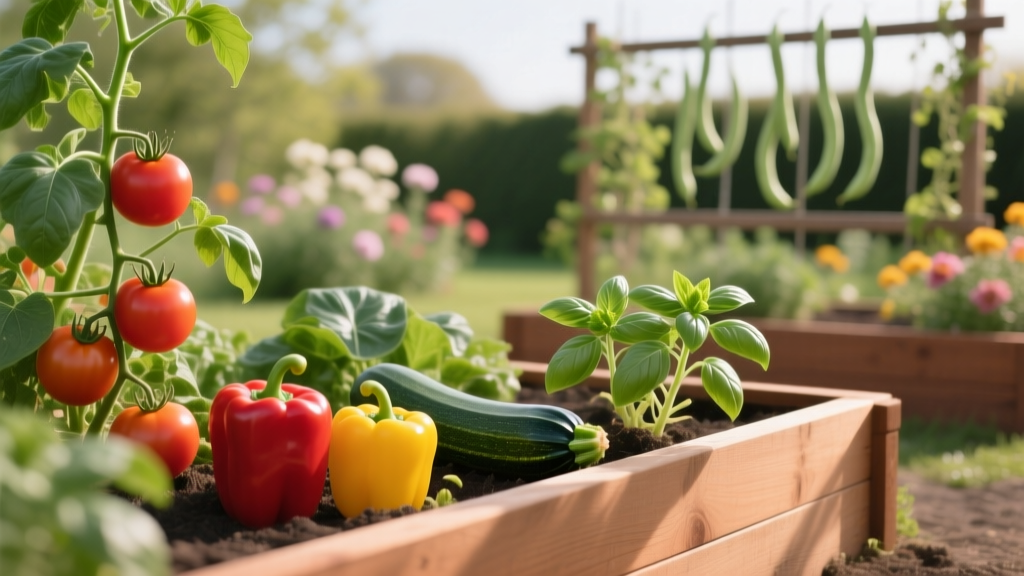
Spring Garden: Choosing the Right Warm-Season Crops
Spring doesn’t wait. The soil warms, garden centers flood with seedlings, and one hot week can push you from “thinking about tomatoes” to scrambling to protect tender transplants from a last frost—or rushing to get heat-lovers in before summer pests peak. The opportunity right now is simple: time your warm-season crops to your real conditions (soil temperature, night lows, and your average last frost date), not the calendar on the wall.
This guide is organized by priority: what to plant first (and when), what to prune now so plants don’t stall later, what to protect during spring’s temperature swings, and what to prepare so warm-season crops thrive once they’re in the ground.
Priority 1: What to plant (and exactly when)
Warm-season crops fall into two groups: “early warm” (tolerate cool nights once soil is warming) and “true heat-lovers” (sulk or die if chilled). Your best tool is temperature, not hope.
Use these spring thresholds before planting
- Wait until after your average last frost date for tomatoes, peppers, eggplant, basil, and most annual flowers. Many gardeners add a safety buffer of 7–14 days if weather is unstable.
- Plant sweet corn when soil at 2 inches is at least 60°F; for better germination, aim for 65°F.
- Direct-sow beans when soil is 60°F+ and nights stay above 50°F.
- Set out cucumbers, squash, melons when soil is 70°F+ (they’re notoriously slow in cold ground).
- Protect tender transplants if forecasts dip below 40°F—many warm-season crops stall even if they don’t freeze.
Extension guidance is consistent on waiting for warm soil for cucurbits and beans and using soil temperature as the planting trigger, not the first warm afternoon. For example, University of Minnesota Extension emphasizes using soil temperature and frost timing for vegetable planting decisions (University of Minnesota Extension, 2020).
Warm-season crop choices that match your spring reality
Choosing “the right crop” is often choosing the right timing and variety maturity. Use days-to-maturity and your expected summer heat.
- If your spring is short and cool (common in USDA Zones 3–5): prioritize faster varieties: bush beans (50–60 days), early sweet corn (65–75 days), determinate tomatoes (60–75 days), zucchini (45–55 days). Use black plastic or landscape fabric to warm soil 1–2 weeks earlier.
- If your spring is long and mild (Zones 7–9 coastal or Mediterranean): stagger plantings and lean into long-season crops: indeterminate tomatoes, melons, peppers, okra. Your bigger challenge is keeping early plantings from stalling in cool marine nights.
- If your spring flips to heat fast (interior Zones 8–10, desert Southwest): plant earlier (right after frost risk) and use shade cloth later. Choose heat-set tomato varieties and heat-tolerant beans.
A quick comparison table: match crops to soil temperature
| Crop | Best soil temp to plant | Planting method | Spring risk if planted too early |
|---|---|---|---|
| Tomato | 60–70°F (transplant after frost) | Transplant | Stunting below 50°F nights; blossom drop after cold snaps |
| Pepper/Eggplant | 70°F+ | Transplant | Severe stunting; slow recovery |
| Beans (snap/pole) | 60°F+ | Direct sow | Seed rot in cold/wet soil; uneven stands |
| Sweet corn | 60–65°F+ | Direct sow | Poor germination; weak seedlings |
| Cucumber/Squash | 70°F+ | Direct sow or transplant | Slow growth; higher disease pressure; transplant shock |
| Okra | 70–75°F+ | Direct sow or transplant | Won’t thrive until heat arrives; wasted weeks |
Monthly schedule (adjust by your frost date)
Use this as a “what to do next” timeline. Replace the dates with your local last frost date (LFD). Example numbers below assume an LFD around April 15 (common in parts of Zones 6–7). If your LFD is May 15 (Zones 4–5), shift everything ~4 weeks later. If your LFD is March 15 (Zones 8–9), shift ~4 weeks earlier.
| Window | Do this now | Plant/seed | Protection focus |
|---|---|---|---|
| 4–6 weeks before LFD | Prep beds; test soil; lay drip | Start warm-season seedlings indoors (tomato/pepper) | Row covers ready; watch late freezes |
| 0–2 weeks after LFD | Harden off transplants 7–10 days | Transplant tomatoes if nights >50°F; sow corn at 60°F soil | Frost cloth if temps threaten 32–36°F |
| 3–5 weeks after LFD | Mulch once soil warms; stake tomatoes | Sow beans; plant cucurbits when soil hits 70°F | Slug/snail control; wind protection |
| 6–8 weeks after LFD | Side-dress; train vines | Succession sow beans/corn every 10–14 days | Start disease prevention (blight, mildew) |
Three real-world spring scenarios (and what to do)
Scenario 1: You’re in USDA Zone 5 with a late frost (LFD ~May 10–20). Don’t let garden-center tomato temptation set your schedule. Focus on soil warming: rake beds smooth, cover with black plastic for 10–14 days, and transplant tomatoes only when night lows reliably stay above 50°F. If you must plant earlier, use water-filled heat sinks (like water jugs) under a low tunnel.
Scenario 2: You’re in a coastal Zone 9 with cool nights (marine layer). Your LFD may be early (or irrelevant), but soil can still be cool. You’ll get better pepper and eggplant performance by waiting until soil is consistently 70°F and using reflective mulch or a south-facing wall for added heat. Plant cucumbers on a slight mound to improve drainage and warmth.
Scenario 3: You’re in an interior Zone 8–10 where spring turns hot fast. Plant warm-season crops as soon as frost risk is gone and soil is adequate, then plan ahead for heat. For tomatoes, choose heat-set types and keep blossoms from dropping by maintaining even moisture. Aim to get big root systems before your first run of 95°F+ days.
“Soil temperature is one of the best predictors of seed germination and early growth; warm-season vegetables planted into cold soils often fail or remain stunted for weeks.” (general extension guidance echoed across university vegetable planting recommendations)
For detailed planting triggers by crop and region, extension services repeatedly emphasize aligning planting with frost dates and soil warmth (e.g., University of California Agriculture and Natural Resources vegetable planting guidance, 2019; University of Minnesota Extension, 2020).
Priority 2: What to prune (so warm-season crops don’t stall)
Spring pruning isn’t about making the garden look tidy—it’s about preventing shade, airflow problems, and disease pressure that will hit your warm-season crops later.
Prune and clean up these areas first
- Remove dead or diseased wood from perennials and shrubs near your vegetable beds. Better airflow now reduces humidity pockets later.
- Thin overcrowded canes on berries (like raspberries/blackberries) before growth explodes. This reduces fungal issues and makes harvest easier.
- Cut back ornamental grasses before new shoots are more than 2–4 inches tall, so you don’t chop fresh growth.
- Pinch leggy herb transplants (basil, oregano) after hardening off to encourage branching—do it early so plants bush out before heat.
For tomatoes specifically, decide your training system now. If you plan to prune suckers (single- or double-stem), install stakes or trellis at planting time; waiting until plants sprawl increases root damage and stress.
Checklist: pruning and sanitation (this week)
- Sanitize pruners (70% alcohol) between cuts on diseased plants
- Remove last year’s mummified fruit, fallen leaves, and any moldy debris
- Compost only healthy material; trash disease-heavy debris
- Open up airflow around where tomatoes/cucurbits will grow
Priority 3: What to protect (from spring weather, pests, and disease)
Spring protection is about managing swings: cold nights, drying winds, pounding rains, and the first wave of insects that arrive before plants are strong enough to shrug them off.
Cold snaps: protect when forecasts dip
Keep protection tools staged. If a late cold front threatens temperatures below 36°F, cover tender transplants before sunset to trap soil heat. If it’s heading to 32°F, use heavier frost cloth (not plastic touching leaves) and consider adding a low tunnel or cloches.
- Row cover (floating): good for wind and light frosts, also blocks cucumber beetles early.
- Frost cloth: heavier protection for near-freezing nights.
- Low tunnels: add several degrees of warmth; vent on sunny days so plants don’t overheat.
Wind: the silent transplant killer
In many regions, spring winds are stronger than summer winds. Wind strips moisture and snaps stems. If your site is exposed, add temporary windbreaks (snow fence, burlap, or even a row of sturdy greens) on the windward side for the first 2–3 weeks after transplanting.
Early pest pressure: prevent the first generation
Warm-season crops often get hit early, when plants are small and damage is outsized.
- Cucumber beetles (cucurbits): use row covers from planting until flowering. Scout twice weekly. Remove covers when blossoms appear for pollination.
- Cutworms (tomatoes, peppers): use collars (cardboard or plastic) pushed 1 inch into soil at transplanting.
- Aphids (peppers, cucurbits): avoid over-fertilizing with quick nitrogen; blast off with water; encourage beneficials by keeping small flowers nearby.
- Slugs/snails (wet springs): set iron phosphate bait early, especially around seedlings; water in mornings so soil surface dries by night.
Spring disease prevention that actually works
Many summer diseases are “set up” in spring by wet leaves, crowded plants, and splashing soil.
- Mulch after soil warms (not too early): once soil is consistently above 60°F, mulch tomatoes and peppers to reduce soil splash that spreads spores.
- Water at the base: switch to drip or soaker hoses now—wet foliage plus cool nights fuels early blights and mildews.
- Spacing matters: don’t cram warm-season crops into spring beds “because they’re small.” Space for mature airflow.
- Rotate families: avoid planting tomatoes/peppers/eggplant (Solanaceae) in the same spot as last year; same for cucurbits. A 3-year rotation is a practical minimum for many home gardens.
Priority 4: What to prepare (soil, supports, irrigation, and succession plans)
Preparation is what makes warm-season crops feel “easy” later. Do it now, while the beds are open and you can work without stepping on sprawling vines.
Soil prep: warm-season crops need warmth and steady fertility
Start with a soil test if you haven’t done one in the last 2–3 years. Warm-season fruiting crops (tomatoes, peppers, squash) are heavy feeders, but random fertilizer often backfires—especially excess nitrogen, which grows leaves at the expense of flowers and fruit.
- Compost: incorporate 1–2 inches into the top 6–8 inches of soil if your soil is low in organic matter.
- Drainage: if your spring is wet, plant on slight mounds or raised beds to keep roots oxygenated.
- Soil warming: in cool regions, cover beds with black plastic for 10–14 days before planting heat-lovers.
Install supports before you plant
Tomatoes, pole beans, cucumbers, and many squashes perform better off the ground. Install trellises and cages now to avoid damaging roots later.
- Tomatoes: stake or cage at transplanting; plan 18–24 inches spacing for staked plants (more for cages).
- Cucumbers: trellis reduces disease by improving airflow and keeping fruit clean.
- Pole beans: teepee or panel trellis installed before sowing prevents seed disturbance.
Irrigation: set a “steady moisture” baseline
Uneven watering is a top cause of blossom-end rot in tomatoes and peppers (a calcium-uptake issue made worse by moisture swings). Build consistency early.
- Lay drip lines or soaker hoses before planting
- Water deeply after transplanting, then maintain even moisture
- Mulch once soil is warm to reduce evaporation
Succession planting: keep harvests coming
Spring is your chance to schedule summer. Instead of planting everything once, use short, planned repeats.
- Beans: sow a new row every 10–14 days for 6–8 weeks.
- Sweet corn: plant in blocks for pollination; repeat plantings every 2 weeks until midsummer (heat permitting).
- Summer squash: a second planting 3–4 weeks after the first can outrun early pest/disease pressure.
Warm-season crop “right now” decision tree
If you want a fast, practical way to decide what to plant this week, use this checklist:
Step 1: Check these numbers today
- Average last frost date (LFD) for your zip code
- 7-day forecast: any lows at or below 36°F?
- Soil temperature at 2–4 inches (morning reading): is it 60°F or 70°F yet?
- Soil moisture: can you form a ball that crumbles when poked (workable), or does it smear (too wet)?
Step 2: Plant based on what the soil can support
- Soil <60°F: hold off on beans/corn/cucurbits; prep beds, install irrigation, warm soil with cover.
- Soil 60–65°F: direct-sow corn; consider beans if forecast is stable and soil is not waterlogged.
- Soil 70°F+: cucumbers, squash, melons, peppers, eggplant will take off—plant confidently with protection ready for wind.
Step 3: Match variety to your season length
- Shorter summers: choose earlier tomatoes (60–75 days) and compact squashes
- Hot summers: consider heat-set tomatoes and disease-resistant cucurbits
- Humid regions: prioritize disease resistance (early blight, powdery mildew) and generous spacing
Regional spring notes that change the playbook
Cool-spring Midwest & Upper Northeast (Zones 4–6): cold soil is the bottleneck. Your most effective move is warming the bed and delaying heat-lovers until conditions are right. If you transplant tomatoes too early, they can sit still for 3 weeks—and never fully catch up.
Humid Southeast (Zones 7–9): growth is fast, but so is disease. Prioritize airflow, mulch to prevent soil splash, and start a consistent watering routine early. Consider resistant varieties and avoid overhead watering, especially when nights are still cool and dewy.
High elevation & mountain valleys (Zones 3–6, variable frosts): your LFD is a suggestion, not a guarantee. Plant warm-season crops with built-in protection: low tunnels, frost cloth on standby, and walls of water or similar heat sinks. Choose short-season varieties and be ready to cover plants multiple times into early summer.
Spring timeline: a tight, actionable plan (next 21 days)
Use this as a working checklist and adjust dates to your LFD.
Days 1–3
- Measure soil temperature in the morning (record it)
- Prep planting beds; remove weeds while small
- Install drip lines/soaker hoses and test for leaks
- Stage row cover and frost cloth where you can grab them fast
Days 4–10
- Harden off transplants for 7–10 days (outdoors, increasing sun/wind exposure gradually)
- Warm soil with black plastic if needed (cool regions)
- Set up stakes/trellises before plants go in
Days 11–21
- Transplant tomatoes when nights are consistently above 50°F; protect if a cold dip threatens
- Direct-sow corn at 60–65°F soil; sow beans at 60°F+
- Plant cucurbits at 70°F+ soil; use row cover until flowering
- Mulch once soil is warm; keep mulch a couple inches away from stems
If you do nothing else this spring, do these three things: plant warm-season crops by soil temperature (not impulse), protect transplants from the spring’s last cold and wind events, and set up irrigation/mulch to keep moisture steady. Those moves turn “spring gambling” into predictable growth—and they pay off all summer.
Sources: University of Minnesota Extension vegetable planting and timing guidance (2020); University of California Agriculture and Natural Resources vegetable planting guidance (2019).