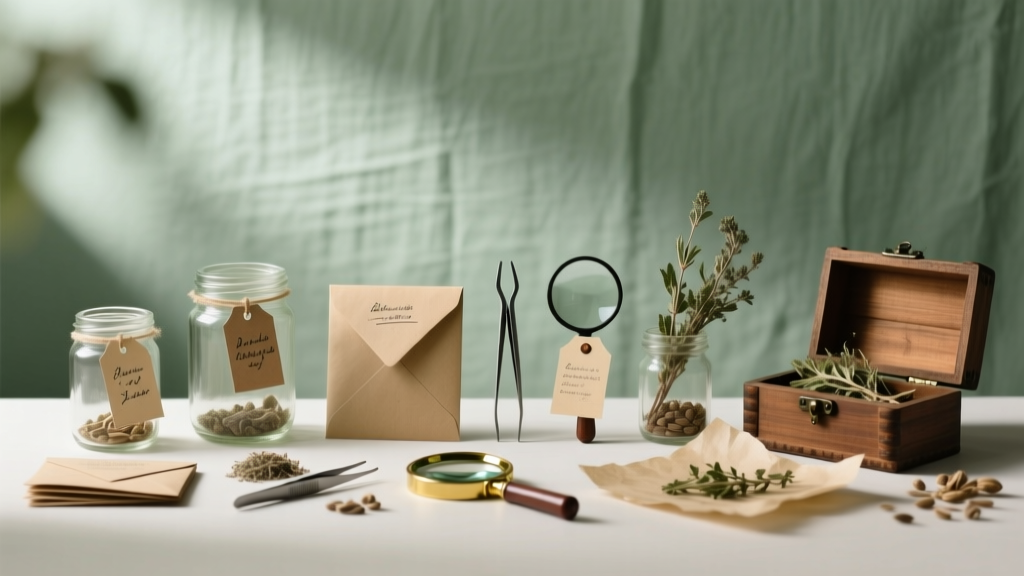
12 Garden Hacks for Seed Saving Success
If you’ve ever saved seeds that looked perfect, stored them “carefully,” and then got a sad little patchy row the next spring—there’s a good chance the problem wasn’t your green thumb. The most common seed-saving mistake is putting seeds away before they’re truly dry. A little hidden moisture is basically an invitation for mold, premature sprouting, or slow death-by-storage.
Seed saving doesn’t have to be fussy, though. A few small hacks (the kind you only learn after a couple of heartbreak harvests) can turn “maybe they’ll germinate?” into “I have extras to share.” Let’s set you up with a simple system that works in real gardens, with real time constraints.
Start With the Right Plants (So Your Seeds Come True)
1) Use the “Easiest First” shortlist (and skip the heartbreak crops)
If you want reliable seed saving fast, start with self-pollinating crops: beans, peas, lettuce, tomatoes. These are far less likely to cross with neighbors, so you’ll get plants that match what you loved this year. Real-world shortcut: save bean and pea seeds from the healthiest plants and you’ll often get excellent “true-to-type” results even in a busy backyard.
Example: A community garden plot surrounded by other varieties is risky for squash and corn, but it’s usually fine for bush beans—save 30–50 mature pods, and you’ll have more than enough seed for next season.
2) Tag your “seed parents” early with bright tape
Don’t wait until harvest to decide which plants “deserve” to be seed parents—you’ll forget what performed best once everything is sprawling and half-eaten. Tie a strip of surveyor’s tape or a fabric ribbon around 3–5 standout plants per variety when they’re at peak performance (best flavor, earliest fruit, disease-free). That tiny step prevents accidental seed saving from mediocre or stressed plants.
DIY option: Cut old T-shirts into 1-inch strips; they don’t shred in the sun like some cheap plastic ribbons.
3) Prevent accidental cross-pollination with one $3 trick
For flowers and plants that cross easily (like peppers), use organza drawstring bags to isolate blossoms. A pack often costs around $3–$8 online, and you can reuse them for years. Bag the flower cluster before it opens, then remove once fruit is set (you’ll see a tiny pepper or pod forming).
Scenario: If you grow two hot pepper varieties side-by-side and want them true next year, bagging just a few blossoms per plant is faster than separating plants by large distances.
Harvest Timing Hacks (Because “Ripe” Isn’t the Same as “Seed Ripe”)
4) Let “dry-seed” crops overstay their welcome—by design
For beans, peas, dill, and many flowers, seeds are ready when pods/seedheads are brown and papery, not when they’re tasty. Leave them on the plant until at least 80–90% of pods are dry, then pick before a soaking rain. If humidity is high, pull whole plants and hang them upside down in a dry spot for 7–14 days.
Example: With snap beans, pick a few plants to “sacrifice” for seed; you’ll get better seed maturity than grabbing random pods during dinner harvest.
5) Use the “two-step tomato method” (and stop washing away viability)
Tomato seeds save best when you ferment them briefly to remove the gel coating that can inhibit germination. Squeeze seeds and gel into a jar, add a splash of water (about 1–2 tablespoons), and let it sit 48–72 hours at room temperature until a light mold film forms. This isn’t gross—it’s the process. Then rinse through a fine sieve and dry on a plate (not paper towel, which sticks).
Citation: Oregon State University Extension (year 2021) recommends fermentation to help clean tomato seed and improve storage quality.
6) Harvest lettuce before it “explodes,” using the paper bag shake
Lettuce doesn’t ripen all at once; it sends up fluffy seed tufts over several days. Slip a paper lunch bag over the seed head and shake every day or two—mature seeds drop easily, immature ones hang on. This hack keeps you from losing half your seed to wind (or to that one squirrel who suddenly cares about lettuce).
Real-world note: In a breezy yard, daily bag-shakes can double the amount of seed you actually collect compared to waiting for a full seed-head dry-down.
Cleaning + Drying Tricks (Where Most Seed Saves Go Wrong)
7) Dry seeds like you’re dehydrating herbs: thin layer, moving air, 7 days minimum
Spread seeds in a single layer on a ceramic plate, baking sheet, or a clean window screen—not piled in a cup. Aim for at least 7 days of drying time indoors with good airflow; longer if your home is humid. A small fan set on low across the room speeds drying without blasting seeds off the tray.
Concrete check: If you can dent a bean seed with a fingernail, it’s not dry enough for storage.
8) Clean tiny seeds with a $0 “tilt and tap” winnowing board
For small dry seeds (basil, calendula, marigold), use a cutting board or cookie sheet: pour the mix of chaff and seed onto it, then gently tilt and tap so lighter chaff drifts upward while heavier seeds settle. You’re using gravity and vibration instead of fancy screens. It’s slow for large batches, but perfect for kitchen-counter quantities.
DIY upgrade: Add a piece of non-slip drawer liner under the board so you can tap without chasing the whole setup across the counter.
9) Use a fine mesh strainer + salad spinner for wet seeds (yes, really)
For cucumbers, melons, and squash, you’ll often scoop wet seeds from a slimy cavity. Rinse in a fine mesh strainer, then spin gently in a salad spinner to fling off surface water—this shortens drying time and reduces clumping. After spinning, spread on a screen and dry 10–14 days (these seeds are thicker than tomato seeds).
Cost saver: If you already own a salad spinner, it’s “free.” If not, a basic one is often $10–$15 and pays for itself quickly if you save seed from even a few store-bought heirlooms.
Storage Hacks (Seeds Hate Light, Heat, and Moisture)
10) Build a cheap “dry vault” with a jar + DIY desiccant
Glass jars are seed-saving gold: airtight, rodent-proof, and easy to label. Add a DIY desiccant packet by wrapping 1–2 tablespoons of dry rice or powdered milk in a coffee filter and taping it shut. Store labeled seed envelopes inside the jar; this reduces humidity swings that kill viability over winter.
Concrete target: Many home savers aim for cool, dry storage; a closet shelf in an air-conditioned home is usually better than a garage that cycles from 40°F to 95°F.
11) Label like a seed librarian: crop + variety + date + “notes that matter”
Seed labels fail when they’re vague. Write: crop, variety, year saved, and one performance note (“early,” “best flavor,” “drought-tolerant,” “powdery mildew resistant”). Those notes save you money later because you’ll stop re-buying varieties you already proved in your microclimate.
Scenario: If you save three tomato varieties, the note “set fruit in heat” is more valuable next July than any catalog description.
12) Do a 10-seed germination test before planting—and adjust your sowing rate
Instead of guessing, test viability 2–6 weeks before planting. Put 10 seeds on a damp paper towel, seal in a zip bag, and keep warm (around 70°F). If 7 sprout, that’s 70% germination—so sow a little heavier (for example, plant 3 seeds where you would normally plant 2).
Citation: University of Minnesota Extension (year 2019) outlines simple home germination testing methods to estimate seed viability before sowing.
Quick Comparison Table: Dry vs. Wet Seed Processing
| Crop type | Examples | Best processing method | Typical drying time (indoors) | Common failure point |
|---|---|---|---|---|
| Dry-seeded | Beans, peas, dill, lettuce (mostly), marigold | Air-dry on plant; thresh/winnow | 7–14 days | Storing before fully dry (mold) |
| Wet-seeded | Tomato, cucumber, melon, squash | Ferment (tomato) or rinse; screen-dry | 10–14 days | Clumping + hidden moisture in thick seeds |
Real-World “This Actually Happens” Scenarios (and the Fix)
Scenario 1: The rainy-week bean rescue. You planned to dry beans on the vine, but a wet week rolls in. The fix: pull entire plants when most pods are turning tan (even if some are still green), hang them under cover, and place a sheet underneath to catch shattering seeds. In many gardens, this saves 50%+ of your potential seed that would have molded in the field.
Scenario 2: Apartment seed saver with limited space. If you only have a balcony and a kitchen counter, prioritize tomatoes, peppers (with bagged blossoms), and herbs like basil. Use a single jar “dry vault” system on a closet shelf, and dry seeds on a window screen set on top of a baking sheet so you can slide it out of the way at dinner time.
Scenario 3: Community garden cross-pollination chaos. You love your neighbor’s unusual squash, but you want your variety to stay true. The fix is not “plant farther away” (often impossible). Instead, focus on selfers for seed saving, or bag and hand-pollinate a few squash blossoms early in the morning, then tape them shut. You only need 1–2 fruits set this way to harvest a season’s worth of seed.
“Proper drying and cool, dry storage are the two biggest factors home gardeners can control to maintain seed quality.”
—Extension seed-saving guidance summarized from university extension recommendations (OSU Extension, 2021; UMN Extension, 2019)
One last insider move: treat your seed stash like pantry food—rotate it. Use older seed first, keep notes on what germinated well, and don’t be afraid to compost a packet that failed your 10-seed test. The goal isn’t to keep every seed forever; it’s to keep your garden running on genetics you already know you love.
Sources: Oregon State University Extension (2021), tomato seed fermentation and home seed-saving handling; University of Minnesota Extension (2019), home germination testing and seed viability practices.